West Street and King Street
It can be incredibly frustrating to hit a paved road on your off-highway vehicle (OHV) in Nova Scotia, only to realize you have to turn around or risk a ticket. For years, riders have dreamed of being able to legally connect trails or access services without loading their machine onto a trailer. This guide is here to demystify Nova Scotia's designated road trails, specifically looking at how communities like Pictou are leveraging streets such as West Street and King Street, so you can understand exactly where and how you can ride your ATV or UTV on public roads.
Understanding Nova Scotia's Road Trail System
For a long time, the idea of legally riding an ATV or UTV on a public road in Nova Scotia felt like a pipe dream for most of us. The regulations were clear: roads were for on-highway vehicles, and our beloved quads and side-by-sides belonged strictly on designated trails or private land. This often meant cutting rides short, finding inconvenient detours, or trailering your machine just to get to the next section of woods. It was a real pain point for many riders who just wanted to enjoy the vast landscape Nova Scotia has to offer without unnecessary hassle.
Then came the Off-highway Vehicles Act, specifically the sections that allowed for the creation of "road trails." This was a game-changer, designed to bridge those frustrating gaps between trail networks, allow access to fuel or food, and even let riders explore entire communities. It's not about turning every street into an open ATV playground; it's a carefully planned system of designated routes where OHVs can legally operate under specific conditions. Think of it as a regulated expansion of your riding opportunities, bringing more convenience and enjoyment to the sport we all love.
The province has been steadily rolling out these designated road trails, working with municipalities and local OHV clubs to identify appropriate routes. Communities across Nova Scotia, from the bustling Annapolis Valley to the serene shores of Cape Breton, have embraced this initiative. These road trails serve a vital purpose, not just for recreation but also for local economies, allowing riders to access businesses, boosting tourism, and generally making OHV adventuring more accessible. It's truly a win-win for riders and the communities that welcome them. You can learn more about the broader context in [Nova Scotia Road Trails Act Explained].
What Defines a Designated Road Trail?
A designated road trail isn't just any paved road you happen upon. These are specific sections of public roads that have been officially identified and approved for OHV use. They are part of a network, often linking existing off-highway trails, connecting riders to amenities, or providing access through towns and villages. The key here is "designated"—meaning they are clearly marked and approved, not just an informal route that someone assumes is okay.
These road trails often include former rail lines that have been converted into multi-use paths, or they can be segments of low-traffic municipal roads. For instance, towns like Pictou have explored opening specific streets, like West Street and King Street, to allow OHV access within the town limits. This allows riders to get from one part of the trail system to another, or to stop for gas, groceries, or a bite to eat without having to de-trail and re-trailer their machines. These routes are usually selected based on safety considerations, traffic volume, and their ability to genuinely enhance the OHV experience by linking important points.
The idea is to integrate OHV use responsibly into the existing road infrastructure. This isn't about high-speed highway riding; it's about thoughtful, low-impact passage. The government and local communities carefully consider factors like noise, safety for other road users, and environmental impact before designating these routes. So, when you see a sign indicating a road trail, you know it's a legitimate, planned route designed for safe and legal OHV access, making your journey smoother and more connected.
Key Examples: West Street and King Street in Pictou
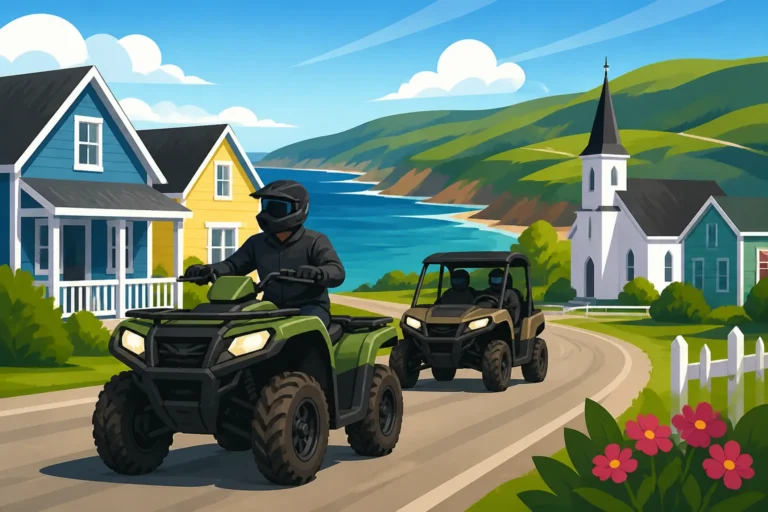
The town of Pictou is a fantastic example of a community that has embraced the road trail concept, particularly with streets like West Street and King Street. Imagine you're riding the beautiful trails around Pictou County, and you need to grab some supplies or head to a local restaurant. Instead of finding a parking spot for your truck and trailer, you can now, under specific conditions, legally ride your ATV or UTV on these designated town streets. This level of access transforms a day out on the trails.
The Pictou example shows how urban or semi-urban areas can become part of the larger OHV network. These aren't high-speed thoroughfares; they're generally lower-speed municipal roads where OHVs can coexist with other traffic. The specific designation of West Street and King Street means that local riders and visitors alike can navigate through the heart of Pictou, connecting to different parts of the trail system or accessing services directly. This connectivity is crucial for longer rides and multi-day trips, as it reduces the logistical headaches of finding fuel or lodging.
It's important to remember that even on designated streets like West Street and King Street, you're not suddenly on a free-for-all track. You're sharing the road with cars, trucks, cyclists, and pedestrians. This requires extra vigilance, courtesy, and adherence to all road rules, even more so than on a dedicated trail. The privilege of using these roads comes with the responsibility of being an ambassador for the OHV community, ensuring everyone's safety and maintaining the good reputation of riders. These specific routes in Pictou are part of a broader pilot program that has brought legal road access to many communities, proving that careful planning can successfully integrate OHVs into diverse environments. More details on where these trails exist can be found on [Nova Scotia Road Trail Site Lists].
Essential Rules for Riding Your ATV or UTV on Nova Scotia Road Trails
Riding on Nova Scotia's road trails is a privilege that comes with a very clear set of responsibilities. It's not like hitting the backcountry where the rules might feel a little more fluid. When you're on a designated road trail, you are operating your off-highway vehicle on a public road, which means you're bound by a specific set of laws designed to ensure everyone's safety – yours, other motorists, pedestrians, and cyclists. Ignoring these rules isn't just a minor infraction; it can lead to significant fines, putting a real damper on your riding day and potentially jeopardizing future access. It's crucial to be informed and prepared every time you venture out onto these shared pathways.
Think of it this way: you're representing the entire OHV community every time you ride on a road trail. Our continued access to these routes depends on all of us demonstrating responsible and respectful behaviour. This means knowing the regulations inside and out, from what gear you need to how you should interact with other traffic. Many of these rules align with what you'd expect on a regular road, but some are specific to OHVs. So, before you even think about firing up that engine and heading onto a street like King Street, make sure you've got these essentials down.
Speed Limits and Safe Operation
One of the most critical rules when riding on a designated road trail in Nova Scotia is the speed limit. On these sections of public road, your maximum speed is a strict 25 km/h. This isn't a suggestion; it's a non-negotiable legal requirement. You might be used to faster speeds on the open trail, but on a road trail, especially in a community setting, 25 km/h is enforced to ensure the safety of all road users. Imagine navigating West Street in Pictou, passing homes, businesses, and potentially sharing the road with children on bicycles – a lower speed is absolutely paramount. Details can be found in [Nova Scotia's 25 km/h Road Trail Limit].
Beyond the posted speed, "safe operation" encompasses a lot. This means maintaining a safe distance from other vehicles, anticipating potential hazards, and being ready to stop or react at any moment. You must ride in single file, never two abreast, and absolutely no passing other vehicles on the road trail. Yield to all other traffic, including cars, trucks, bicycles, and pedestrians. Remember, your OHV, especially a side-by-side from a brand like SuperATV with its robust frames, can feel large and imposing to other road users, so maintaining a cautious and polite presence is key. Always be aware of your surroundings, use appropriate hand signals if your machine doesn't have turn indicators, and avoid any sudden movements that could startle other users.
Rider Requirements: Licence, Age, and Gear
Operating an OHV on a road trail also comes with specific rider requirements. First and foremost, you, as the operator, must possess a valid driver's licence. This isn't just any licence; it needs to be a full driver's licence, meaning learner's permits or temporary licences are generally not sufficient. This is because operating on a public road, even a designated road trail, demands the same level of driver competency and responsibility as operating a car. You can check the specifics at [Nova Scotia Requires a Full Driver's Licence].
Age is another critical factor. The operator of an OHV on a road trail must be at least 16 years old. If you're 16 or 17, you need to have completed an approved OHV safety course. For passengers, the rules state they must be at least nine years of age and able to reach the footrests. Carrying a younger child or an infant on an OHV, even on a road trail, is a definite no-go. [Nova Scotia Passengers Must Be 9 or Older] provides clarity on this.
And, of course, there's the gear. A properly fitted, CSA, DOT, Snell, or BSI approved helmet is absolutely mandatory for all riders and passengers, no exceptions. This isn't just a suggestion for safety; it's the law. Beyond the helmet, it's highly recommended to wear appropriate riding gear, including eye protection, long pants, long-sleeved shirts, gloves, and sturdy boots, even if you're just making a short hop down West Street. While not all of these are legally mandated for adults, they are smart choices for personal protection. Riders under 16, for instance, have specific requirements for eye protection, long sleeves, gloves, and boots. Read more about the helmet law in [Nova Scotia Helmet Law for Riders].
Vehicle Requirements: Registration, Insurance, and Equipment
Just like your car, your ATV or UTV needs to be properly set up and legally compliant before it can ever touch a designated road trail. The first step is registration. Every OHV operating in Nova Scotia, including those on road trails, must be registered with Access Nova Scotia and display a valid registration sticker. This is a non-negotiable legal requirement, and riding unregistered can lead to significant fines. [Nova Scotia Requires Registration and Insurance] emphasizes this point. If you fail to register your machine, you could face [Nova Scotia Penalties for Riding Unregistered].
Beyond registration, insurance is equally crucial. You must have at least $500,000 in third-party liability insurance coverage. This protects you in case you are found at fault in an accident causing injury or damage to others or their property. Always carry proof of insurance (your pink card) with you, just as you would in your car.
Finally, your machine itself needs to meet certain equipment standards for road trail use. This includes working headlights and tail lights, even during the day, as well as a working brake light. If you've modified your exhaust for a louder sound, you might run into issues, as there are strict noise limits for OHVs operating on road trails. Adding accessories like turn signals or a windshield, perhaps from a reputable brand like SuperATV, can enhance safety and compliance, but the basic lighting, brakes, and a stock exhaust are usually the bare minimum. [Nova Scotia Lighting Requirements] and [Nova Scotia Exhaust Noise Rules] offer additional guidance. It's not just about what you can add, but what you must have to legally operate.
Navigating Designated Road Trails Like West Street and King Street
Navigating a designated road trail, especially within a community like Pictou, requires a different mindset than what you might be used to on a winding forest path. You're entering a shared space where pedestrians, cyclists, and other vehicles have equal, if not priority, right-of-way. The ease with which you can now access these routes, whether to connect two segments of a club trail or grab a quick bite, means a heightened sense of awareness and respect for your surroundings is essential. It's about blending in, not standing out, and ensuring your presence is a welcome one.
These routes are often designed to enhance the overall riding experience, making it more convenient to explore regions where natural trails might be discontinuous. However, that convenience hinges on every rider taking their responsibilities seriously. It’s a collective effort to maintain the positive image of OHV users and ensure these valuable access points remain open for years to come. So, let’s talk about how to navigate these areas effectively and courteously, keeping everyone safe and happy.
Sharing the Road with Other Users
When you're riding your ATV or UTV on a road trail like West Street or King Street, you are a part of the broader traffic ecosystem. This means sharing the space respectfully with cars, trucks, bicycles, and pedestrians. It's not uncommon to encounter families out for a walk, kids playing in their yards, or even someone just tending their garden. Your presence as an OHV rider should be unobtrusive and considerate. Always slow down significantly when approaching pedestrians or cyclists, and give them ample space. A friendly nod or wave goes a long way in building positive relationships within the community.
Remember that OHVs can be noisy, even with a stock exhaust. Try to keep your engine noise to a minimum, especially when passing residential areas. Avoid revving your engine unnecessarily. When encountering vehicles, remember the 25 km/h speed limit and the rule to yield to all other traffic. This isn't the place to demonstrate your machine's acceleration or speed. Stick to the right side of the road, just like any other vehicle, and signal your turns clearly. If you have any concerns about navigating specific road types, [Nova Scotia Road Trails: Where You Can Ride] can offer more context.
In essence, treat these road trails as extensions of a quiet neighbourhood street, rather than an untamed wilderness trail. Your actions directly impact how communities perceive OHV riders, and a little courtesy can go a long way in ensuring these road trail programs continue to expand and benefit all of us. You'll likely see specific [Nova Scotia Road Trail Signage] indicating the legal use.
Connecting to Services and Amenities
One of the biggest benefits of designated road trails is the ability to connect to essential services and amenities directly. No more needing to trailer your machine for every fuel stop or to grab a hot meal. Imagine being on a long ride, perhaps exploring the stunning landscapes around Pictou, and realizing you're running low on fuel. Instead of a complicated logistical ballet, you can simply follow the designated road trail, like West Street, to the nearest gas station. This convenience is truly a game-changer for extended trips.
This also opens up opportunities for supporting local businesses. You can stop at a diner for lunch, visit a convenience store for snacks, or even access local repair shops if you run into a minor issue. For riders who enjoy customizing their machines, knowing that a local parts store or a dealer for accessories like those offered by SuperATV is accessible directly from the trail system can be incredibly useful. This seamless integration into community life benefits both riders and the local economies.
However, even when accessing services, remain mindful of your surroundings. Park your OHV responsibly, not blocking entrances or pathways, and secure your machine if you're leaving it unattended. Be clean and tidy; nobody wants to see mud tracks all over a shop floor. These interactions are opportunities to showcase the responsible side of OHV enthusiasts and reinforce the value that riders bring to local communities.
Common Mistakes and How to Avoid Them on Road Trails
Even experienced riders can sometimes make honest mistakes, especially when new rules and designated areas are introduced. The road trail system in Nova Scotia is still evolving, and while it offers incredible opportunities, it also presents a new set of challenges that can trip up the unwary. From assuming a road is open just because it looks like a connection, to not having the correct paperwork, these missteps can quickly turn a fun day into a frustrating one, complete with fines and potential damage to the OHV community's reputation.
It's important to approach road trail riding with a proactive mindset – know the rules, verify your routes, and prepare your machine. After all, the goal is to enjoy the journey, not to spend time dealing with avoidable issues. Let's look at some of the most common pitfalls riders encounter when using Nova Scotia's designated road trails and how you can easily steer clear of them.
Assuming All Roads Are Open
Perhaps the most common mistake riders make is assuming that if a road looks like a logical connection between trails, or if they see another rider on it, it must be a designated road trail. This is a huge misconception that can lead to significant penalties. While communities like Pictou have opened specific streets like West Street and King Street, this doesn't mean every road in every town is fair game. Each road trail must be officially designated and clearly marked.
Riding on a non-designated public road is illegal and can result in fines for operating an OHV on an unauthorized route. Always check official maps or consult with local OHV clubs to confirm the exact boundaries and routes of designated road trails. Don't rely on guesswork or the actions of others, as they might be misinformed or intentionally breaking the rules. Taking the time to verify your route beforehand will save you a lot of headache and ensure you're riding legally and safely.
Incomplete Paperwork or Equipment
Another frequent issue is hitting the road trail without all the necessary paperwork or with a machine that doesn't meet the equipment requirements. It's easy to forget a small detail, but on a road trail, officers are often more vigilant about compliance because you're in a public, shared space. Forgetting your registration, proof of insurance (pink card), or not having a valid driver's licence on your person can lead to fines and even your machine being impounded. [Nova Scotia Penalties for Riding Unregistered] clearly outlines some of these consequences.
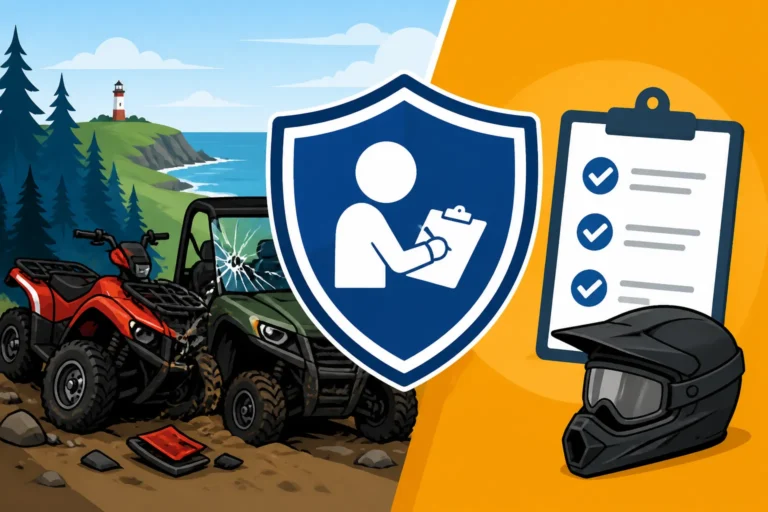
Similarly, neglecting your machine's equipment can be costly. If your headlights or tail lights aren't working, or if your exhaust has been modified to be excessively loud, you're not in compliance. Even small details like ensuring your tires are in good condition for mixed road and trail use, or that your mirrors (if installed, perhaps aftermarket ones from SuperATV) provide adequate visibility, contribute to safe operation and compliance. Before every road trail ride, do a quick checklist:
- Registration: Is it current? Do you have the sticker displayed?
- Insurance: Do you have your pink card with you?
- Licence: Do you have your full driver's licence?
- Helmet: Is it approved and properly fastened?
- Lights: Are headlights, tail lights, and brake lights all working?
- Exhaust: Is it stock or within legal noise limits?
Taking a few minutes to ensure everything is in order before you leave the trailhead can prevent a roadside stop from ruining your adventure.
Disclaimer
This article is for general informational purposes only and does not constitute professional advice. Laws, prices and regulations vary by location and change over time. Consult a qualified professional for guidance on your specific situation.