Mooseland Road and Old Guysborough Road
It can be incredibly frustrating trying to figure out where you can legally and safely ride your ATV or UTV in Nova Scotia, especially when you hear whispers about certain roads being open for off-highway vehicles. You might be wondering if places like Mooseland Road and Old Guysborough Road are actually legitimate spots for a ride, or if you're risking a hefty fine. This guide is here to cut through the confusion, detailing everything you need to know about navigating these specific routes and other designated road trails, so you can enjoy your ride with peace of mind.
Understanding Road Trails in Nova Scotia
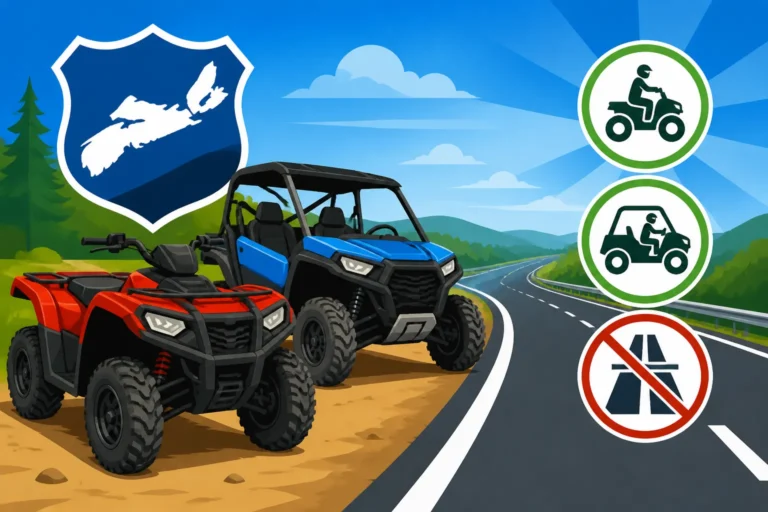
Let's face it, for years, the idea of riding your quad or side-by-side on any kind of public road in Nova Scotia felt like a pipe dream, or a sure way to get a ticket. But things have changed, and the province has made significant strides in creating designated "road trails" that allow off-highway vehicles (OHVs) to connect trails, access services, and explore new areas. It’s not a free-for-all, though; there are specific rules and designations you absolutely need to understand.
Before you even think about hitting a route like Mooseland Road or Old Guysborough Road, it’s crucial to grasp the framework that makes these rides possible. These aren't just random stretches of pavement or gravel; they're part of a deliberate effort to integrate OHV use responsibly within the existing infrastructure. Without this understanding, you could easily find yourself in a bind, whether it's a legal issue or simply being unprepared for the conditions.
The Nova Scotia Road Trails Act Explained
The backbone of legal OHV riding on certain public roads in Nova Scotia is the Off-highway Vehicles Act and, more specifically, the Road Trails Act. This legislation, proclaimed relatively recently in September 2023, paved the way for municipalities and the province to designate specific sections of roads as "road trails" where OHVs can operate. It's a big deal because it officially recognizes the need for riders to connect between established off-highway trails, access services like gas stations or restaurants, or even reach their camps.
What this means for you, the rider, is that you can't just pick any paved or gravel road and assume it's fair game. There’s a formal process where municipalities apply for and receive designation for specific road segments. These designated sections are clearly identified, often with signage, and come with a very particular set of rules. This act has been a long time coming for many riders who’ve wanted more connectivity and less grey area around where they can legally operate. It’s all about creating a safe and regulated environment for everyone sharing the roads. You'll want to check out the details in [Nova Scotia's Road Trails Act Explained] for a deeper dive.
General Rules for Riding on Designated Roads
Once a road is designated as a "road trail," it doesn't mean you can tear down it like you're on a private track. Far from it! These are still public roads, often shared with other vehicles, cyclists, and pedestrians, so strict rules are in place to ensure safety and minimize disruption. One of the most critical rules is the speed limit: you are generally limited to 25 km/h on these road trails. This isn't just a suggestion; it’s a hard limit designed to keep everyone safe, particularly on roads that might have blind curves or residential areas. You can learn more about this in [25 km/h on a Road Trail].
Beyond speed, other regulations are non-negotiable. Your OHV must be properly registered and insured. Yes, even if you’re only riding it a short distance on a road trail, full compliance is required. You must also wear an approved helmet, and passengers have age restrictions – generally, they must be nine years of age or older. You'll find more on this in [Nova Scotia ATV Helmet Law] and [Nova Scotia Passengers Must Be 9 or Older]. These general rules apply across all designated road trails in Nova Scotia, including any sections of Mooseland Road or Old Guysborough Road that may be designated. Ignoring them isn't just bad etiquette; it can lead to significant fines and penalties.
What Makes a Road a "Road Trail"?
So, how does a regular road become a "road trail" in Nova Scotia? It's not a spontaneous transformation. As mentioned, it's a formal designation process driven by municipal applications to the province. Local communities identify specific roads or sections of roads that would be beneficial for OHV connectivity, usually linking existing trail networks, providing access to essential services, or allowing riders to reach residential properties where they store their machines.
The designation isn't just a rubber stamp. It involves evaluating factors like traffic volume, road conditions, safety concerns, and potential impacts on local residents. Once approved, these sections are officially recognized and, ideally, marked with specific signage indicating their "road trail" status and the rules that apply. This process ensures that OHV use on these public ways is planned, managed, and communicated, rather than left to guesswork. It's about creating a harmonious coexistence between OHVs and other road users, allowing riders to experience Nova Scotia's beautiful landscapes more freely while maintaining safety and order. For details on how these rules came into effect, check out [Nova Scotia's Act Proclaimed in September 2023].
Riding Mooseland Road and Old Guysborough Road
Now, let's get down to the specifics of Mooseland Road and Old Guysborough Road. These aren't just names on a map; they represent real-world connections that riders often explore or use to link various areas. Understanding their specific characteristics, the kind of terrain you might encounter, and how they fit into the broader riding landscape is key to a successful outing.
These roads, located in more rural parts of the province, often wind through picturesque forested areas and past scattered homes, offering a different kind of riding experience than dedicated off-highway trails. They serve as vital links for local residents and provide opportunities for OHV enthusiasts to expand their routes, accessing areas that might otherwise be cut off. However, with this opportunity comes the responsibility of being keenly aware of your surroundings and the specific regulations.
Navigating the Mooseland Road Experience
Mooseland Road, stretching through parts of Halifax County, is a prime example of a rural artery that often serves as a connection for local residents and, in some designated sections, OHV riders. Depending on the specific segment, you might encounter a mix of paved and gravel surfaces. The scenery is typically classic Nova Scotia woodland, with dense forests, occasional clearings, and perhaps a glimpse of a stream or lake. It's not always a perfectly smooth ride, as rural roads can have their share of potholes, washouts, or uneven gravel, especially after a tough winter or heavy rain.
Riding on Mooseland Road, if a section is designated as a road trail, requires a mindful approach. You'll be sharing the road with local traffic – cars, trucks, and potentially even logging vehicles depending on the area. The 25 km/h speed limit will feel quite slow on a quad, but it's essential for safety and showing respect to other road users. This isn't a place for high-speed thrills; it's about making connections, enjoying the scenery, and getting from one trail segment to another or to a local service. Keep an eye out for any signage indicating designated OHV sections and adhere strictly to all posted rules.
Exploring Old Guysborough Road on Your Machine
Old Guysborough Road, another significant rural route in Halifax County, also presents opportunities for OHV riders where designated as a road trail. Like Mooseland Road, it winds through a mix of landscapes, often feeling quite remote even relatively close to urban centers. You can expect varying road conditions, from reasonably smooth sections to rougher gravel, and even some areas that might feel more like an unmaintained track than a typical road. These variations are part of the adventure, but they also demand a well-maintained machine and cautious riding.
For riders using designated sections of Old Guysborough Road, the experience is similar to Mooseland Road: it's about connectivity and responsible access. You'll pass through areas with private residences and small communities, so keeping noise levels down and being courteous to residents is paramount. This road is often used by hunters, fishers, and other outdoor enthusiasts, so you might encounter a variety of vehicles and people. Always be prepared to yield to other traffic and maintain single-file riding where required. These roads often lead to fantastic wilderness areas, making them valuable access points for a longer day on the trails.
Connecting the Two: Mapping Your Ride
While Mooseland Road and Old Guysborough Road are distinct routes, they are both part of the broader network of roads and trails in the Halifax County area. Depending on specific designations and the overall trail system, it's possible that these roads could serve as links to connect different off-highway trail segments. Riders often piece together routes that combine designated road trails, established club trails, and sometimes even woods roads (with landowner permission).
Planning your route meticulously is crucial. Don't assume that because one section of a road is a designated road trail, the entire road is. Always consult up-to-date maps provided by ATVANS (ATV Association of Nova Scotia) or municipal resources that clearly show designated OHV road trails. These maps will help you identify the specific start and end points of allowed sections. The goal is to create a seamless journey while staying within legal boundaries, perhaps using a [Nova Scotia ATV Trail Map Downloads] to plan your trip. A well-planned ride means less stress, fewer legal worries, and more enjoyment as you connect the dots between the varied landscapes of Nova Scotia.
Essential Preparations for Nova Scotia Road Trail Riding
Embarking on a ride that includes designated road trails like Mooseland Road or Old Guysborough Road isn't just about knowing where you can ride; it's about being thoroughly prepared. There are specific machine requirements, personal safety measures, and crucial etiquette considerations that ensure your ride is not only legal but also enjoyable and respectful of others. Cutting corners on preparation can lead to uncomfortable situations, from mechanical breakdowns in remote areas to unwelcome interactions with law enforcement or local residents.
Think of it like planning a backcountry hike: you wouldn’t just show up without the right gear or a clear understanding of the route. The same applies, perhaps even more so, when you’re combining off-highway travel with public road use. Your machine needs to be in tip-top shape, your gear needs to be up to snuff, and your attitude needs to be one of respect and responsibility.
Machine Requirements and Maintenance
First and foremost, your OHV needs to meet Nova Scotia’s legal requirements. This means it must be properly registered with Access Nova Scotia and carry valid liability insurance. Don’t even think about hitting a road trail without your [Nova Scotia Certificate and Vehicle Permit] and proof of insurance on hand. [Nova Scotia Insurance Requirements for Riders] are serious, and an officer will absolutely ask to see your "pink card" if you're stopped.
Beyond the paperwork, your machine itself needs to be road-ready. Ensure all lights are functional – headlights, tail lights, and brake lights are mandatory for visibility, especially if you're riding around dusk or in less-than-ideal weather. Your tires should be in good condition, and brakes need to be fully operational. It’s also wise to perform a pre-ride inspection: check fluid levels, ensure your winch (if you have one) is working, and generally give your quad a once-over. Investing in quality parts and accessories, perhaps from a reputable brand like SuperATV, for wear items like ball joints or suspension components can prevent unexpected breakdowns when you’re miles from the nearest service station. Regular maintenance is key to a reliable ride, whether you're on a deep woods trail or a designated road connection.
Rider Safety Gear and Preparedness
Safety gear is not optional when riding OHVs, and this is especially true when you're on a road trail sharing space with other vehicles. A DOT or Snell-approved helmet is legally required and your most critical piece of safety equipment. But don’t stop there. Eye protection is vital to shield against dust, debris, and insects. Long sleeves and pants, gloves, and sturdy boots provide crucial protection in case of a fall or collision. For younger riders, there are even more stringent gear requirements, so be sure to check [Nova Scotia Gear Rules for Riders Under 16] if you're riding with children.
Beyond personal gear, it’s smart to pack a small emergency kit. This could include a basic first-aid kit, a small tool kit for minor repairs, a tire repair kit, and a way to communicate, such as a fully charged cell phone or even a satellite messenger if you’re heading into areas with spotty service. Carrying a small amount of extra fuel can also be a lifesaver if a designated road trail segment is longer than expected between services. Preparedness means anticipating the unexpected and having the resources to handle it, ensuring a stress-free adventure.
Respecting the Local Environment and Residents
When riding on designated road trails like Mooseland Road or Old Guysborough Road, you are often passing through or near residential areas, working farmlands, and private woodlots. This isn't a wilderness trail where noise and dust are less of a concern. Respecting the local environment and its residents is paramount for the continued privilege of using these road connections. This means keeping your speed to the legal 25 km/h, which helps reduce dust and noise. It also means ensuring your machine’s exhaust system is compliant with noise regulations; a modified, excessively loud exhaust can be a major source of complaint for residents.
Always yield to other vehicles, pedestrians, and cyclists. If you encounter horses or livestock, slow down dramatically, give them a wide berth, and be prepared to stop. Stay on the designated road surface; do not venture onto private property, even if it looks like an inviting shortcut. Remember that the ability to ride on these roads is a privilege, not a right, and negative interactions with locals or excessive noise can lead to complaints and potentially jeopardize future OHV access. Being a good ambassador for the sport ensures these valuable connections remain open for everyone.
Common Pitfalls and How to Avoid Them
Even with the best intentions, it's easy to make mistakes when navigating the nuances of Nova Scotia's road trail system, especially on less-trafficked routes like Mooseland Road and Old Guysborough Road. These pitfalls can range from legal troubles to frustrating breakdowns, and understanding them beforehand is your best defense. Many riders, particularly those new to the road trail concept, fall into common traps, and being forewarned is definitely forearmed.
The key to avoiding these issues lies in a combination of thorough preparation, continuous awareness, and a commitment to respecting the rules and the communities you pass through. It’s not just about knowing the "what" but also the "why" behind the regulations and best practices.
Misunderstanding Road Trail Regulations
One of the most frequent issues riders encounter is a misunderstanding of what a "road trail" actually entails. It’s not simply "any gravel road" or "any road outside of town." These are very specific, designated sections. Riders sometimes assume that if they see one OHV on a particular road, it must be universally open. This is a dangerous assumption. Without official designation and signage, you could be riding illegally, even if it feels remote.
The consequences of misunderstanding can be significant. Riding an unregistered or uninsured machine, exceeding the 25 km/h speed limit, or operating an OHV on a non-designated road can lead to fines ranging from [Nova Scotia Minimum Fine of $250] to much higher penalties, and even impoundment of your machine. Always check official resources, like the ATVANS maps or municipal websites, for current and accurate information on designated road trails. Don’t rely on hearsay or outdated information. This diligence will save you a lot of headache and expense.
Overlooking Machine Readiness
Another common pitfall is underestimating the demands that road trail riding places on your machine, even at lower speeds. While it might seem less strenuous than technical off-roading, sustained travel on varied surfaces, especially potentially rough gravel or washboard roads, can still take a toll. Many riders neglect essential maintenance, leading to breakdowns far from help. This could be anything from a flat tire to a more serious mechanical failure.
Before every ride, especially one involving road connections, perform a thorough inspection. Check your tires for proper inflation and any signs of wear or damage. Test your brakes and ensure all lights are working. Confirm your registration and insurance documents are current and accessible. Think about critical components like your drive belt and suspension; if they’re getting old, consider replacing them proactively. Having quality parts, perhaps from a brand known for durability like SuperATV, can provide peace of mind. Remember, a breakdown on a rural road isn't just inconvenient; it can be a safety hazard, particularly if you lose daylight or face inclement weather.
Disregarding Local Etiquette
Finally, a major pitfall that can have long-term negative consequences for the entire OHV community is a disregard for local etiquette and community impact. Riding loudly, kicking up excessive dust near homes, or failing to yield to other road users can quickly create animosity between residents and riders. This isn't just about being polite; it’s about preserving access. When communities experience consistent negative impacts from OHV use, it can lead to calls for increased enforcement, or worse, the revocation of road trail designations.
Always ride quietly, especially when passing through residential areas. Keep dust to a minimum by maintaining the speed limit. Acknowledge and yield to other vehicles, pedestrians, and cyclists – a friendly wave goes a long way. Never trespass on private land; respect all posted signage. These actions contribute to a positive image of OHV riders and help ensure that opportunities to connect trails via roads like Mooseland Road and Old Guysborough Road continue to exist. Being a responsible rider benefits everyone.
| Aspect | General Nova Scotia Road Trail Rule | Mooseland Road / Old Guysborough Road Specifics (If Designated) |
|---|---|---|
| Speed Limit | 25 km/h | Applies to all designated sections. |
| Registration | Mandatory | Your machine must be registered before riding on any designated road trail. |
| Insurance | Mandatory | Valid liability insurance required. |
| Helmet | Mandatory, approved standard | Required for all riders and passengers. |
| Passenger Age | 9 years or older | Applies to designated sections; ensure machine is designed for a passenger. |
| Operating Hours | Half an hour before sunrise to half an hour after dusk | Designated road trails often have specific operating hours to minimize disturbance. See [Nova Scotia Road Trail Operating Hours]. |
| Connectivity | Links trails, services | These roads often connect to other trails or provide access to nearby communities. |
| Traffic Sharing | Yield to all other traffic | Expect to share the road with cars, trucks, and possibly cyclists or pedestrians. |
| Surface Types | Varies (paved, gravel, dirt) | Both roads feature a mix of surfaces, demanding cautious riding. |
| Signage | Designated sections are signed | Look for official signage indicating road trail status. |
Disclaimer
This article is for general informational purposes only and does not constitute professional advice. Laws, prices and regulations vary by location and change over time. Consult a qualified professional for guidance on your specific situation.