Mira Gut and Marconi Tower Road
For years, one of the biggest headaches for ATV and UTV riders in Nova Scotia has been the frustrating question of "how do I get from here to there?" You want to explore new areas, access amenities in a small village, or simply connect two amazing trail sections without breaking the law or having to trailer your machine. This guide dives deep into how Nova Scotia's Off-highway Vehicles Act and the recent Road Trails amendments are changing the game, specifically looking at how areas like Mira Gut and Marconi Tower Road are now open for exploration, bridging those gaps and allowing for more seamless adventures.
The Nova Scotia Road Trails Act: Opening Up New Horizons for Riders
It wasn't that long ago that the thought of legally riding your ATV or UTV on a public road in Nova Scotia was pretty much a pipe dream. The rules were clear: off-highway vehicles were meant for off-highway use, full stop. But riders, clubs, and communities knew there was a better way, a way to connect the dots, support local businesses, and enhance the overall riding experience. That's where the Nova Scotia Road Trails Act comes into play. It’s a game-changer, acknowledging the practical needs of riders and the economic potential for rural communities.
Why the Act Came to Be: Connecting Communities and Trails
The push for road trail access wasn't just about convenience; it was about connectivity and sustainability for the entire trail network. Imagine riding a fantastic trail only to hit a paved section that forces you to turn around, or worse, risk a hefty fine by riding illegally on the road to reach the next trail segment. This fragmented experience was a real problem. The province saw the success of pilot projects, demonstrating that with proper regulations and signage, OHVs could safely share certain public roads. The goal was to knit together existing off-highway trails, allowing riders to access gas stations, restaurants, and lodging in small towns, ultimately enriching the sport and supporting local economies. It's a testament to the advocacy of organizations like ATVANS, who worked tirelessly to show the government the positive impact these changes could have. You can learn more about the broader framework in [Nova Scotia's Road Trails Act Explained].
The initial pilot projects, launched in 2018 in several communities, proved invaluable. They allowed the province to test the waters, understand the challenges, and refine the rules before a wider rollout. These trials gathered crucial feedback from riders, residents, and law enforcement, paving the way for the more comprehensive Act we have today. The collective desire was to create a system where riders could enjoy longer, more diverse routes without constantly worrying about legal grey areas or the hassle of trailering for short distances.
What the Act Allows: A Gateway to Local Exploration
The Nova Scotia Road Trails Act doesn't just throw open all roads to OHVs; it's a carefully structured approach that designates specific segments of public roads as "road trails." These are usually secondary roads, often in rural or less congested areas, identified as vital connectors between off-highway trails or for accessing local services. It’s crucial to understand that this isn’t about making your ATV or UTV "street legal" in the same way a car is; it's about providing specific, permitted corridors for travel. This distinction means you can't just hop on any road you please, but where designated, it offers incredible freedom.
These designated road trails are clearly marked with signage, letting both riders and motorists know they are sharing the road. This system helps prevent confusion and ensures everyone understands the new rules of engagement. For riders, it means the ability to plan routes that seamlessly blend traditional dirt trails with short stretches of paved or gravel road, vastly expanding the possibilities for adventure. Instead of having to cut a ride short or endure a lengthy detour, you can now transition smoothly, making your ride much more enjoyable and efficient. [Nova Scotia Road Trails: Where You Can Ride] provides a deeper dive into the broader network of these routes across the province.
Riding the Designated Routes: Mira Gut and Marconi Tower Road
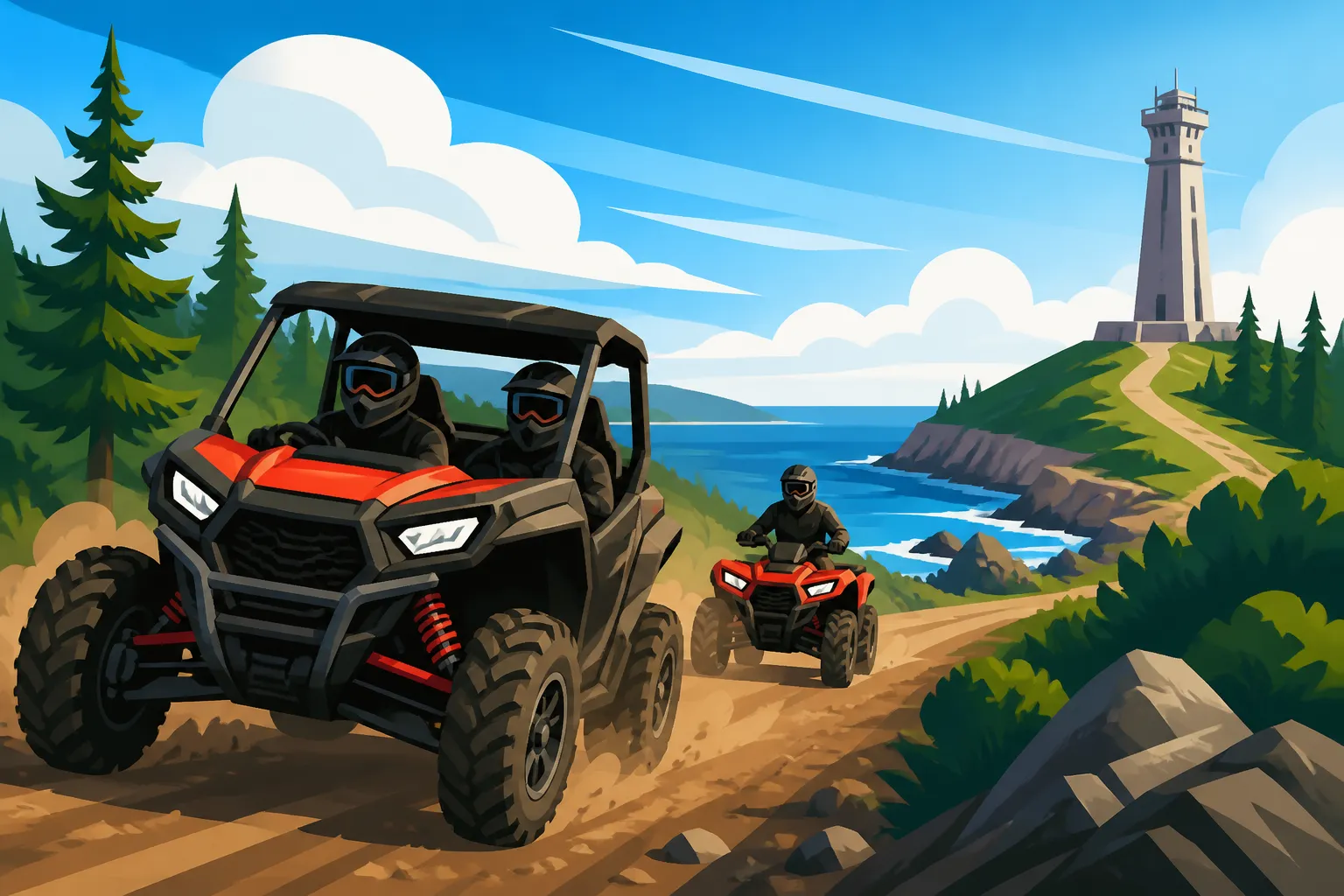
Some of the most exciting additions to Nova Scotia's road trail network are segments in picturesque areas that offer both utility and stunning scenery. Mira Gut and Marconi Tower Road, both located in Cape Breton, are fantastic examples of how these designated routes can enhance a riding experience, allowing you to connect to coastal vistas, local communities, and broader trail systems. These aren't just pathways; they're part of the fabric of local life and provide unique riding opportunities.
Navigating the Mira Gut Road Trail
The Mira Gut area, nestled along the beautiful Mira River and close to the Atlantic coastline in Cape Breton, offers a truly unique riding experience. The designated road trail segments here are often short but crucial, acting as vital links that prevent riders from having to backtrack or find alternative transport. Imagine you've been enjoying a fantastic day exploring the backcountry trails, maybe even some maintained by a local club. You come to the edge of the official off-highway network, but you know there’s a charming general store just a kilometre or two down the road in Mira Gut where you can grab a cold drink or a snack. Previously, this would have been a no-go, a frustrating barrier.
Now, with the designated road trail, you can legally and safely navigate that short stretch, pull over at the store, support a local business, and then hop back on your machine to continue your adventure. It's these small, practical connections that make a huge difference in the overall enjoyment of a multi-day ride or even just a long afternoon loop. The feeling of seamlessly transitioning from rugged trail to a quaint village road, even for a brief moment, really opens up the landscape. These kinds of connections are fundamental to the network, and [Nova Scotia Road Trails in Cape Breton] explains more about the wider opportunities in the region.
Exploring the Marconi Tower Road Section
Further adding to the Cape Breton experience, the Marconi Tower Road section often refers to areas around Glace Bay, specifically linking to the historic Marconi Wireless Station National Historic Site. This area isn't just about connecting trails; it’s about accessing points of interest and understanding the local heritage. A designated road trail here allows riders to explore the coastal landscape, perhaps with panoramic views of the Atlantic, while connecting to other segments that lead deeper into the island's interior or along the dramatic coastline.
Riding this route might involve navigating various surfaces, from well-maintained gravel to stretches of paved road. It’s here that the robust build of your machine, perhaps enhanced with aftermarket components, truly shines. For instance, many riders find that adding high-quality accessories, like enhanced lighting or durable mirrors from a brand like SuperATV, significantly improves both safety and the overall experience when transitioning between trail and road conditions. These enhancements are practical considerations, allowing you to adapt your machine for varying legal requirements and riding demands. The ability to access such historically significant and scenic locations directly from the trail network is a massive win for riders who appreciate both adventure and cultural immersion.
Essential Rules and Gear for Nova Scotia Road Trails
While the expansion of road trails is exciting, it comes with a strict set of responsibilities. It’s not just about knowing where you can ride, but how you can ride and what your machine needs to have. Ignoring these rules can lead to significant fines and jeopardize the future of these access points. Understanding the legal requirements for both you and your machine is paramount to enjoying these new opportunities safely and responsibly.
Your Machine and You: Registration, Insurance, and Licensing
First and foremost, any off-highway vehicle (OHV) operating on a designated road trail in Nova Scotia must be registered and insured. This isn't optional; it's a foundational requirement for all OHVs, regardless of where they are primarily ridden. Registration ensures your machine is on the provincial registry, and insurance provides crucial liability coverage in case of an accident. Without both, you're not just risking a ticket; you're putting yourself and others in a very vulnerable position. [Nova Scotia Requires Registration and Insurance] goes into detail on these vital requirements.
Furthermore, the operator of the OHV must hold a valid driver's license. This means a full driver’s license, not a learner’s permit, is required when operating on road trails. This regulation ensures that anyone navigating public roads, even designated road trails, has demonstrated a fundamental understanding of traffic laws and safe driving practices. Always carry your proof of registration and insurance (your "pink card") with you, as an officer can request to see it at any time. [Do You Need a Licence for an ATV in Nova Scotia?] clarifies who needs what, and [Nova Scotia Pink Card Rules] explains the specific requirements for carrying proof of insurance.
Safety First: Helmets, Passengers, and Speed Limits
Safety is non-negotiable on Nova Scotia's road trails. Riders and passengers must wear an approved helmet, meeting recognized safety standards such as DOT, CSA, Snell, or BSI. This isn't just good advice; it's the law. This critical piece of gear protects you in the event of an impact, and it's something every rider should prioritize. For more specifics on helmet requirements, check out [Nova Scotia Helmet Law for Riders].
When it comes to passengers, there are also strict age requirements. Passengers must be at least nine years old, and the machine must be designed to carry a passenger, meaning it has a designated seat and handholds. You can't just squeeze a buddy onto a single-rider quad. This rule is in place to ensure passenger safety and prevent overcrowding on the machine. [Nova Scotia Passengers Must Be 9 or Older] outlines these age restrictions clearly. Additionally, speed limits are strictly enforced on road trails. The maximum speed is generally 25 km/h, significantly slower than regular road traffic. This reduced speed minimizes the risk of accidents and allows OHV riders to safely coexist with other vehicles. Adhering to [Nova Scotia's 25 km/h Road Trail Limit] is essential for everyone's safety.
Operational Specifics: Hours, Single File, and Yielding
Operating an OHV on a road trail also comes with specific operational rules designed to ensure a smooth flow of traffic and minimize disruption. For instance, riding hours are generally restricted to half an hour before sunrise to half an hour after dusk. This means no late-night cruising on these designated road segments. [Nova Scotia Road Trail Operating Hours] gives you the full scoop on when you can and can't be out there.
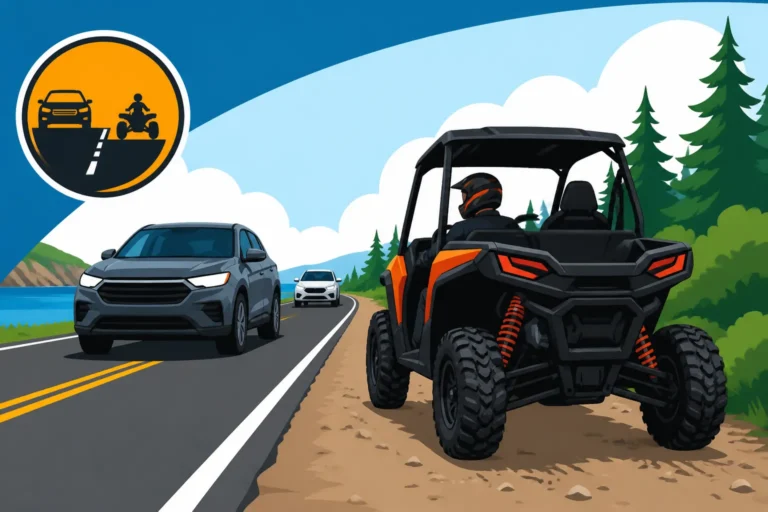
When riding on a road trail, you must always travel in single file, even if the road appears wide enough for two machines abreast. This rule is vital for safety, visibility, and reducing the footprint of OHVs on the road. It also means no passing other OHVs on these sections. [Nova Scotia Riders Travel Single File] provides details on this specific etiquette. Furthermore, OHV operators must always yield to other vehicular traffic. While these are designated road trails, they are still public roads, and other vehicles have the right of way. This deference ensures that OHVs integrate respectfully and safely into the existing road network. It’s about being a good road user, not just a good trail rider. [Nova Scotia Riders Yield to Traffic] explains the importance of this.
Here’s a quick summary of key road trail regulations:
| Requirement | Rule/Condition | Notes |
|---|---|---|
| Registration | Mandatory | Must be provincially registered. |
| Insurance | Mandatory | Minimum liability coverage required; carry "pink card." |
| Operator's License | Full Driver's License Required | No learner's permits. |
| Helmet | Approved Helmet Required | DOT, CSA, Snell, or BSI standards. Applies to all riders and passengers. |
| Passenger Age | 9 Years or Older | Machine must be designed to carry a passenger. |
| Speed Limit | Max 25 km/h | Strictly enforced on all designated road trails. |
| Operating Hours | Half Hour Before Sunrise to Half Hour After Dusk | No night riding. |
| Riding Formation | Single File Only | No passing other OHVs on road trails. |
| Traffic Yield | Yield to Other Vehicles | Other road users have the right of way. |
| Machine Equipment | Functional headlights, tail lights, brake lights, muffler, mirrors (recommended) | Required for safe operation; some optional for trails but vital for road sections. |
Making the Most of Your Nova Scotia Road Trail Adventure
Embracing Nova Scotia's road trails is about more than just following the rules; it's about optimizing your experience and ensuring these shared pathways remain a positive asset for everyone. It involves smart planning, responsible behaviour, and ensuring your machine is properly equipped for the unique demands of transitioning between trail and road environments.
Connecting to the Wider Trail Network
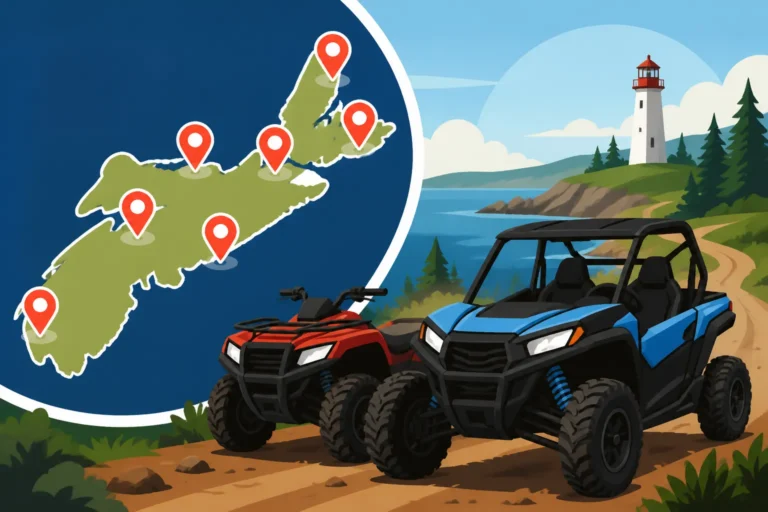
The real beauty of road trails, particularly those connecting areas like Mira Gut and Marconi Tower Road, is their ability to bridge gaps. They transform fragmented networks into cohesive, extended routes. Imagine a multi-day trip where you can seamlessly transition from rugged forest trails to coastal gravel roads, then pass through a small village for fuel and food, and finally reconnect with another extensive trail system, all without once loading your machine onto a trailer. This level of integration allows for grander adventures, promoting exploration across broader geographical areas. [Nova Scotia ATV Trails: The ATVANS Network] is a fantastic resource for understanding how these road trails fit into the larger provincial picture, often linking up with club-maintained trails that crisscross the province.
These connections are not just convenient; they create continuous loops and routes that previously required tedious logistical planning. For example, you might start your day deep in the woods, emerge onto a road trail to cross a small community, then dive back into another set of trails leading to a scenic lookout or a different region. This fluidity enhances the sense of adventure and discovery, allowing riders to experience the full diversity of Nova Scotia's landscapes, from inland forests to breathtaking coastal vistas.
Being a Responsible Rider: Etiquette and Community Impact
With the privilege of road trail access comes the crucial responsibility of being a considerate and respectful rider. Every interaction you have on these shared paths influences public perception and the future of OHV access. This means actively practicing good trail etiquette, especially when encountering pedestrians, cyclists, or other vehicles. Maintain a low speed, be courteous, and minimize dust and noise. Nobody wants a cloud of dust thrown onto their freshly washed car, or the peace and quiet of their community shattered by loud exhausts.
It's vital to respect private property adjacent to road trails. Stick to the designated path, and avoid any temptation to venture off-trail onto private land. This includes not leaving trash, staying off lawns, and respecting agricultural operations. [Riding Quietly Past Coastal Homes] is more than just a suggestion; it's an imperative for maintaining positive relationships with residents. When communities see OHV riders as responsible, respectful visitors, they are more likely to support continued and expanded access, ensuring that everyone can enjoy these beautiful areas for years to come.
Equipping Your Machine for Road Trail Use
While your OHV is designed for off-road adventure, operating on designated road trails sometimes calls for a few practical considerations or even specific additions to your machine. For instance, while not always strictly mandated for all OHVs on road trails, equipping your machine with proper mirrors offers significantly enhanced visibility, which is crucial when sharing the road with cars and trucks. Similarly, ensuring your lights are bright and fully functional – headlights, tail lights, and brake lights – is not only a safety measure but often a legal requirement. [Nova Scotia Lighting Requirements] outlines the expectations for visibility, especially during low light conditions.
Many riders opt for aftermarket upgrades that improve both safety and comfort for road trail use. For side-by-sides, a full windshield can offer protection from wind and debris, making those short road sections much more pleasant. Items like turn signals, a working horn, and even a beacon light can significantly increase your visibility and ability to signal intentions to other road users. Reputable brands like SuperATV offer a range of accessories, from durable mirrors and light bars to full street-legal kits, that can help you meet or exceed safety standards and make your road trail experience more secure and enjoyable. Investing in these thoughtful upgrades isn't just about compliance; it's about enhancing your peace of mind and the safety of everyone sharing the road.
Disclaimer
This article is for general informational purposes only and does not constitute professional advice. Laws, prices and regulations vary by location and change over time. Consult a qualified professional for guidance on your specific situation.