Loch Lomond Road and Framboise
Trying to figure out where you can legally ride your ATV or UTV can be a real headache, especially when you're looking at specific routes like Loch Lomond Road or venturing out towards Framboise in Nova Scotia. It feels like the rules are constantly changing, and what was allowed last year might not be today, leaving many riders scratching their heads and worried about getting a ticket. This guide aims to clear up the confusion surrounding road trail access in Nova Scotia, specifically addressing what you need to know to safely and legally enjoy those scenic routes.
The Evolving Landscape of Road Trails in Nova Scotia
For years, many off-highway vehicle (OHV) riders in Nova Scotia dreamed of being able to legally connect trails by using short sections of public roads or accessing services in nearby communities. The thought of being able to ride from the woods right into a village for gas or a quick bite, without loading up the machine, seemed like a distant dream. But things have been changing! Nova Scotia has been actively working on a framework to integrate OHVs more formally into specific road networks, shifting the riding experience for many.
Understanding the Road Trails Act
The big game-changer for OHV enthusiasts came with the introduction of the [Nova Scotia Road Trails Act Explained]. This legislation was a significant step towards creating designated "road trails" where ATVs and UTVs could legally operate under specific conditions. Before this, the rules were much stricter, essentially prohibiting OHVs from most public roads unless it was for a direct crossing or specific agricultural purposes. The Act acknowledges that riders need safe, regulated access to connect trails and reach essential services, while also ensuring the safety of all road users.
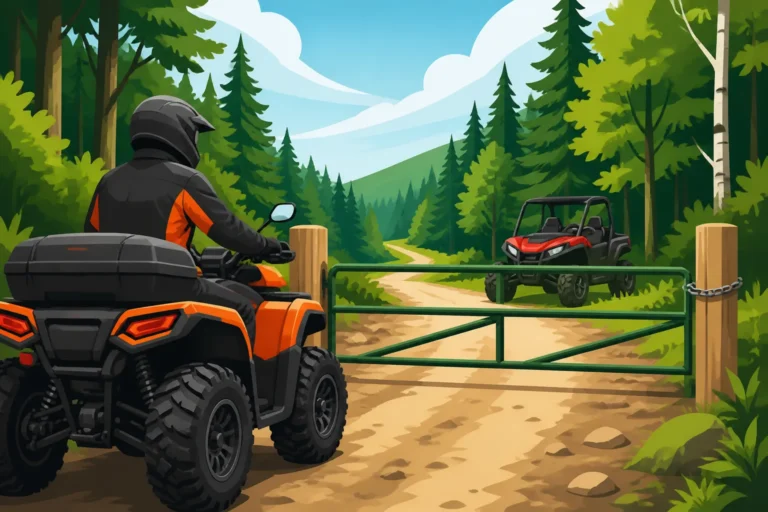
It's crucial to understand that "road trail" doesn't mean all roads are open. Instead, it refers to specific, designated sections of highways or municipal roads that have been approved for shared use. These aren't high-speed highways, but rather generally lower-traffic routes, often paved or gravel, that local municipalities agree to open. The goal is to enhance the recreational experience for riders while minimizing impact and maintaining public safety. This delicate balance requires clear guidelines and strict adherence from riders.
The Pilot Project and Its Expansion
The journey to widespread road trail access began with a [Nova Scotia Road Trail Pilot] project, which started in several communities back in 2018. This initial pilot was a crucial testing ground, allowing the province and participating municipalities to assess the feasibility, safety, and community impact of opening roads to OHV traffic. It started small, with just a handful of communities, but the lessons learned and the positive feedback from many riders paved the way for expansion.
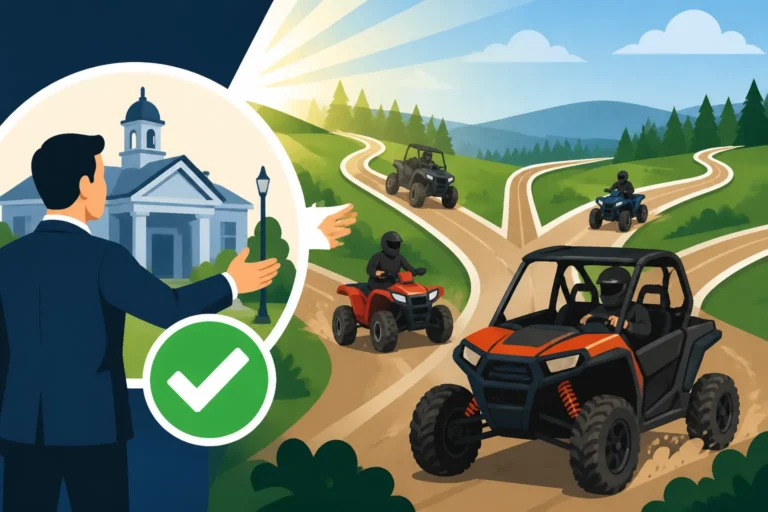
Since then, there's been a phased expansion, with more and more communities opting into the program. The province has been adding new road trail sites, connecting hundreds of kilometers of new routes across many counties. Riders have eagerly watched as the list of accessible routes grows, allowing for longer, more varied rides and better access to Nova Scotia's stunning natural landscapes. This expansion means that routes that might have been impassable for OHVs on previous maps are now opening up, creating exciting new possibilities for exploration. Always check the latest provincial and municipal maps, as new sections are being added regularly.
Essential Requirements for Road Trail Use
Before you even think about putting a tire on a designated road trail, your machine needs to meet certain criteria, and you, as the operator, have specific responsibilities. First and foremost, [Nova Scotia Requires Registration and Insurance] for any OHV operating on a road trail. This isn't just a suggestion; it's a legal requirement. You'll need to have your machine properly registered with Access Nova Scotia and carry adequate liability insurance, typically with a minimum of $500,000 coverage. This ensures that if an unfortunate incident occurs, everyone is protected.
Beyond registration and insurance, your machine itself must be in roadworthy condition. This includes having proper working headlights and tail lights (which are particularly vital for rides that extend into the twilight hours, as [Nova Scotia Night Riding Equipment Rules] are stringent), functional brakes, a horn, and mirrors. Many riders invest in aftermarket parts, perhaps from a brand like SuperATV, to ensure their machines meet these standards and are reliable for both trail and road use. You also need to adhere to specific speed limits, which are often capped at [25 km/h on a Road Trail], and always yield to other traffic. And, of course, [Wearing a Helmet on Every Road Trail] is non-negotiable for your safety.
Navigating Specific Road Trails: Loch Lomond Road and Framboise
Now, let's talk about some specific areas that many riders are curious about: Loch Lomond Road and the Framboise area. These regions in Cape Breton offer incredible scenery and a fantastic network of trails. Understanding how the road trail designation applies here is key to planning your rides.
The Unique Character of These Routes
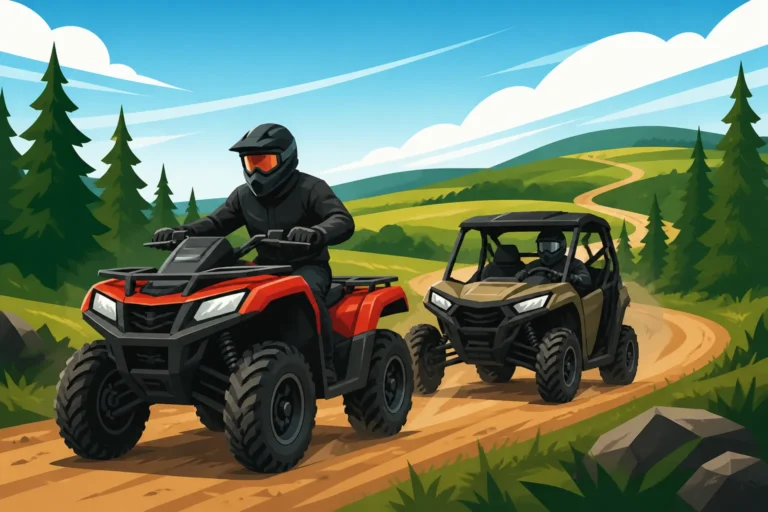
Loch Lomond Road, stretching through picturesque Cape Breton, is a prime example of the kind of scenic route that can benefit from road trail designation. It's not a bustling highway but rather a more rural road, winding through forests and past lakes, offering breathtaking views. Similarly, the roads in and around Framboise, a coastal community, provide access to stunning ocean vistas and connect to more remote trail systems.
Riding these types of roads means you'll encounter a mix of surfaces—sometimes paved, sometimes gravel, and occasionally a bit of both. The conditions can change quickly, so having a machine equipped for diverse terrain is important. Many riders, for instance, look to reputable aftermarket suppliers like SuperATV for upgrades such as reinforced suspension components or sturdy tires that can handle both the pavement and the transition back to rugged trails. When you're riding in these areas, you'll likely be sharing the road with local traffic, including residents going about their daily lives, so a respectful and cautious approach is essential.
Connecting to Wider Trail Networks
One of the greatest benefits of road trail access on routes like Loch Lomond Road and those near Framboise is the ability to seamlessly connect different segments of the vast [Nova Scotia ATV Trails: The ATVANS Network]. Previously, reaching a remote trailhead or linking two popular trail sections might have required hauling your machine on a trailer. With road trail designations, riders can now bridge these gaps directly.
Imagine starting your ride on a club trail, traversing a designated section of Loch Lomond Road, and then picking up another trail that leads you deeper into the Cape Breton wilderness or towards the coast near Framboise. This interconnectedness opens up possibilities for longer, multi-day adventures and reduces the logistical hassle. Always check current maps provided by ATVANS or the provincial government to confirm which specific sections are designated as road trails and how they link up. [Nova Scotia Trail Maps Worth Downloading] are your best friend here.
Local Etiquette and Safety Considerations
Riding on road trails, particularly in and around communities like Framboise, comes with a heightened responsibility. While you're enjoying the privilege of road access, you're also representing the OHV community. Maintaining local goodwill is paramount. This means riding respectfully, keeping noise levels down, and adhering strictly to posted speed limits. Remember, these are residential areas where families live and play.
Safety is also a huge factor. While the speed limit is low, you're still sharing the road with cars, trucks, and potentially pedestrians or cyclists. Always remain vigilant, use appropriate hand signals, and be prepared to stop quickly. [Nova Scotia Riders Yield to Traffic] is a rule that applies universally on road trails. Passing is generally not permitted, and you should always ride single file. It's a different kind of riding than being deep in the woods, so adjust your mindset accordingly. Think of it as a shared space, where courtesy and caution go a long way.
Practicalities and Preparation for Road Trail Riding
Embarking on a road trail adventure, especially in areas like the beautiful but sometimes remote parts of Nova Scotia, requires more than just a full tank of gas. Proper preparation of both your machine and yourself is key to a safe and enjoyable experience.
Machine Requirements and Upgrades
To ride legally and safely on Nova Scotia's road trails, your OHV needs to meet several specific criteria. As mentioned, working headlights, tail lights, brakes, a horn, and mirrors are mandatory. Many factory machines come with these, but it's worth double-checking their condition and functionality, especially on older models. For those looking to upgrade, companies like SuperATV offer a wide range of accessories, from brighter LED light bars that ensure you're seen on rural roads to durable mirrors that can withstand trail vibrations.
Beyond the basics, consider the condition of your tires. While knobby tires are great for mud and rocks, they can wear quickly on pavement and might feel less stable. A hybrid or all-terrain tire might be a better choice for mixed riding that includes road trail sections. Also, ensure your exhaust system is factory standard to comply with [Nova Scotia Noise Limits on a Machine]. Modified exhausts can lead to fines and, more importantly, can disrupt the peace of the communities you're riding through. Regularly check your fluid levels, tire pressure, and brake pads; these small checks can prevent big problems far from home.
Rider Responsibilities and Legal Obligations
Your responsibilities as an OHV operator on road trails go beyond just having a properly equipped machine. Firstly, [Do You Need a Licence for an ATV in Nova Scotia]? Yes, for road trails, you generally need a full driver's license. [Nova Scotia Bans Learner Drivers on Road Trails] because the complexities of sharing public roads require experienced judgment. You must be at least 16 years old to operate an OHV on a road trail, and if you're under 19, there are additional rules about supervision and safety training.
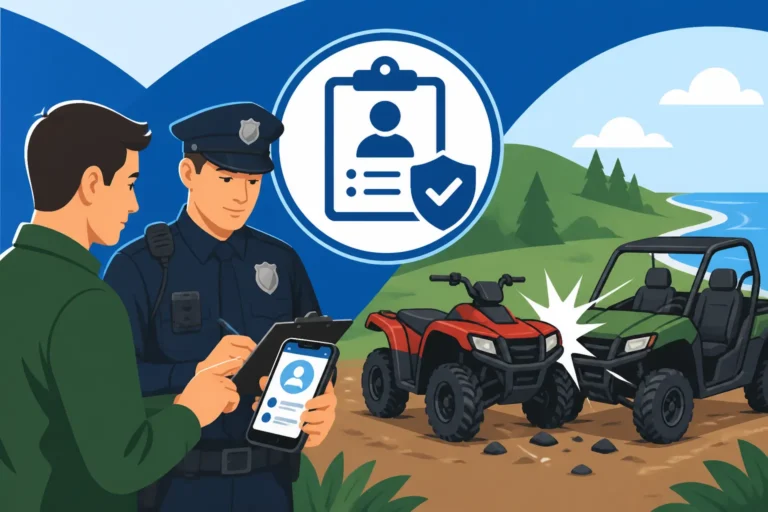
Carrying your [Nova Scotia Pink Card Rules] (proof of insurance) and your machine's registration papers is mandatory. Law enforcement officers, like the RCMP or local police, can stop you and ask to see these documents. Failing to produce them can result in penalties, including [Nova Scotia Minimum Fine of $250] for an unregistered machine. Always remember that road trails have specific operating hours; you generally cannot ride on them half an hour before sunrise or half an hour after dusk, which ties into the [Nova Scotia Night Riding Equipment Rules]. Being aware of [Nova Scotia Helmet Law for Riders] and [Nova Scotia Passengers Must Be 9 or Older] are also critical components of your legal obligations.
Planning Your Ride and Emergency Preparedness
Planning is paramount for any OHV ride, but especially when incorporating road trails that might take you into unfamiliar areas or further away from services. Start by thoroughly reviewing the designated road trail maps for the area you intend to explore, such as those that might lead through Loch Lomond or Framboise. Identify fuel stops, potential rest areas, and bailout points in case of an emergency.
Always let someone know your planned route and estimated return time. Carry a fully charged cell phone, but be aware that [Nova Scotia Cell Coverage on Remote Trails] can be spotty. A satellite messenger or GPS device with pre-loaded maps can be a lifesaver. Pack essential tools, a first-aid kit, and enough water and snacks. Weather in Nova Scotia can change rapidly, particularly near the coast, so dress in layers and carry rain gear. Being prepared for minor mechanical issues or unexpected delays can turn a potential disaster into a minor inconvenience, allowing you to focus on enjoying the stunning scenery Nova Scotia has to offer.
Disclaimer
This article is for general informational purposes only and does not constitute professional advice. Laws, prices and regulations vary by location and change over time. Consult a qualified professional for guidance on your specific situation.