A Maximum Fine of $2,000
It’s a scenario no off-highway vehicle (OHV) owner wants to face: pulling up to an Access Nova Scotia counter, or worse, being stopped on a trail or road by an officer, only to realize your machine isn’t properly registered. The anxiety can be real, and the consequences in Nova Scotia are far from trivial. This guide is here to unravel the complex web of fines and penalties associated with operating an unregistered ATV or UTV in our beautiful province, focusing on how a seemingly minor oversight can lead to a hefty maximum fine of $2,000.
The Harsh Reality of Unregistered Off-Highway Vehicles in Nova Scotia
Many riders, especially those new to the sport or those who've owned machines for years without incident, might underestimate the importance of proper registration. It's not just a formality; it's a fundamental legal requirement that impacts everything from trail funding to accident liability. Ignoring it can transform a fun day on the trails into a very costly ordeal.
Why Registration Isn't Optional, It's Law
In Nova Scotia, operating an off-highway vehicle is governed by specific provincial legislation, primarily the Off-highway Vehicles Act. This Act clearly outlines that all OHVs, whether ATVs, UTVs, dirt bikes, or snowmobiles, must be registered with the Registry of Motor Vehicles unless a specific exemption applies. This isn't just about collecting a fee; it's about accountability, safety, and funding the very trails we all enjoy. When your machine is registered, it's officially on the books, providing a layer of public safety and ensuring that, in the event of an incident, there's a clear record of ownership.
Think of it like registering your car. You wouldn't dream of driving on public roads without it, because the legal and financial repercussions are so well understood. The same principle applies to your off-highway vehicle. The registration process ensures that there's a paper trail, helps track ownership for stolen machines, and contributes directly to the maintenance and development of our provincial trail network. It’s a collective responsibility that keeps our riding areas accessible and safe for everyone.
The Unseen Costs Beyond the Ticket
While a fine is certainly painful, the true cost of an unregistered OHV can extend far beyond the initial penalty. Imagine being stopped and fined for riding an unregistered machine. That fine is just the beginning. Your machine could be impounded, leading to towing fees and daily storage charges that quickly add up. You'll then have the hassle of getting it released, which often means proving ownership and getting it registered before it leaves the impound lot. This can involve an unexpected trip to Access Nova Scotia, tracking down previous owners, or even obtaining a bill of sale, perhaps using a template from a service like LawDepot, if you've misplaced your original documents.
Beyond these direct financial hits, there's the cost of your time, the stress of dealing with legal and bureaucratic processes, and the potential impact on your insurance. Many insurance policies have clauses that could invalidate coverage if you're operating your machine illegally, including riding unregistered. This means if you're involved in an accident, even a minor one, you could be facing astronomical out-of-pocket expenses for damages, medical bills, and potential legal defence. It’s a domino effect, where one oversight can lead to a cascade of expensive and inconvenient problems.
Deciphering the Fine Structure: From Minimum to Maximum Penalties
The Off-highway Vehicles Act in Nova Scotia sets out a range of penalties for various infractions, with operating an unregistered machine being one of the more serious. It's crucial to understand that there isn't just one static fine; the penalty can vary significantly depending on the circumstances, ranging from a substantial minimum to a staggering maximum.
The Minimum Fine: A Stark Warning
Let's start with the baseline. If you're caught operating an unregistered off-highway vehicle in Nova Scotia, the legal system generally applies a [Nova Scotia Minimum Fine of $250]. This is the starting point, a clear and unambiguous warning that the province takes registration seriously. This minimum fine is typically applied in straightforward situations, perhaps a first offense where no other major infractions (like reckless driving or operating under the influence) are involved. It's often accompanied by a requirement to register the machine immediately or face further consequences.
Consider a scenario: you’ve just bought a used ATV from a friend, excited to hit the trails this weekend. You haven’t gotten around to the paperwork yet, figuring you’d do it next week. You’re pulled over by a DNR officer who asks for your registration. You explain the situation, and while the officer might be understanding of the timeline, the law is clear. You’ll likely receive that $250 minimum fine. It’s not a pleasant way to learn about the provincial regulations, but it serves as a stark reminder that intent doesn’t negate the legal requirement.
When the Penalties Escalate: Reaching the $2,000 Mark
While a $250 fine is certainly no fun, the penalties can escalate dramatically, potentially reaching [How High an Unregistered Machine Fine Can Go], up to a maximum of $2,000. This higher end of the fine spectrum isn't usually for a simple oversight. It typically comes into play when there are aggravating factors involved, or if you're a repeat offender. For instance, if you've been warned before, or if the unregistered machine is also involved in other illegal activities such as reckless operation, riding on prohibited land (like beaches or sensitive environmental areas), or evading authorities, the fines will certainly climb.
Imagine being caught riding an unregistered UTV on a protected dune system, causing environmental damage, or attempting to flee from an officer. These situations stack offenses, and the fine for the unregistered machine becomes just one part of a much larger, more severe penalty. The courts take these combinations of offenses very seriously. Furthermore, these higher fines are often accompanied by additional court costs, victim surcharges, and potentially even community service or other legal consequences, making the total financial and personal impact significantly greater than just the base fine. This is where the initial oversight of not registering your machine truly snowballs into a major problem, underscoring the severe [Nova Scotia Penalties for Riding Unregistered].
The Tangled Web of Consequences: Beyond Financial Penalties
Getting hit with a fine, even a maximum one, is only one piece of the punishment for an unregistered OHV. The administrative and legal repercussions can be equally, if not more, frustrating and costly. It's a true headache that can linger long after the initial interaction with law enforcement.
Impoundment and Recovery Headaches
One of the most immediate and tangible consequences of being caught with an unregistered OHV is the potential for impoundment. An officer, upon determining your machine is unregistered, has the authority to have it towed and stored at your expense. This isn't just an inconvenience; it can quickly become an additional financial burden. Towing fees vary but can be substantial, especially if your machine needs specialized equipment to retrieve it from a remote location. Then, there are daily storage fees, which can quickly accumulate into hundreds of dollars within days or weeks.
To get your machine back, you'll typically need to prove ownership, pay all outstanding fines and fees (including the towing and storage costs), and most importantly, get the machine properly registered. This often means a frantic scramble for paperwork, trips to Access Nova Scotia, and a lot of lost time. If you're missing a bill of sale, you might even need to draft one up retroactively, perhaps using a service like LawDepot, to satisfy the ownership requirements. The entire process of recovery can be a bureaucratic nightmare, adding layers of stress and expense to an already regrettable situation.
Insurance Implications and Liability Nightmares
This is where riding an unregistered machine can truly lead to catastrophic financial ruin. Nova Scotia requires all off-highway vehicles to carry liability insurance, with a [Nova Scotia's $500,000 Liability Minimum]. If you're operating an unregistered machine, your insurance policy could very well be voided. Most insurance contracts include clauses stating that coverage is contingent on operating the vehicle legally. If you’re not registered, you’re not legal.
Imagine being involved in an accident while riding an unregistered and therefore uninsured machine. You hit a pedestrian, cause damage to another vehicle or property, or someone on your machine is injured. Without valid insurance, you are personally liable for all damages, medical bills, and legal costs. A serious accident could easily lead to lawsuits worth hundreds of thousands of dollars, or even millions, which you would have to pay out of pocket. This isn’t a hypothetical fear; it’s a very real risk that could lead to bankruptcy. The [Nova Scotia Penalties for Riding Uninsured] are severe enough on their own, but when combined with an unregistered machine, the situation becomes exponentially worse, putting your entire financial future at risk.
Legal Troubles and Court Appearances
While some minor infractions might allow for simply paying a ticket, a significant fine for an unregistered OHV, especially one with aggravating factors, could lead to a mandatory court appearance. This means taking time off work, potentially hiring legal counsel, and facing a judge. The court process itself can be intimidating, confusing, and protracted. Legal fees alone can quickly eclipse the initial fine, and the stress of navigating the justice system is a burden no one wants.
Beyond the immediate fine and fees, there's the possibility of a criminal record for very serious related offenses, although merely being unregistered typically falls under provincial statutes rather than criminal code. However, if your unregistered machine was used in a criminal act, or if you were charged with other serious offenses like dangerous operation, resisting arrest, or impaired driving, the stakes become much higher. This can affect future employment, travel, and even personal reputation. What started as an overlooked piece of paperwork can genuinely unravel into a much larger legal quagmire.
Avoiding the Trap: Essential Steps for Nova Scotia Riders
The good news is that avoiding these harsh penalties and complications is entirely within your control. It comes down to understanding and following the rules, ensuring your paperwork is in order, and being a responsible member of the off-highway vehicle community.
Understanding the Registration Process
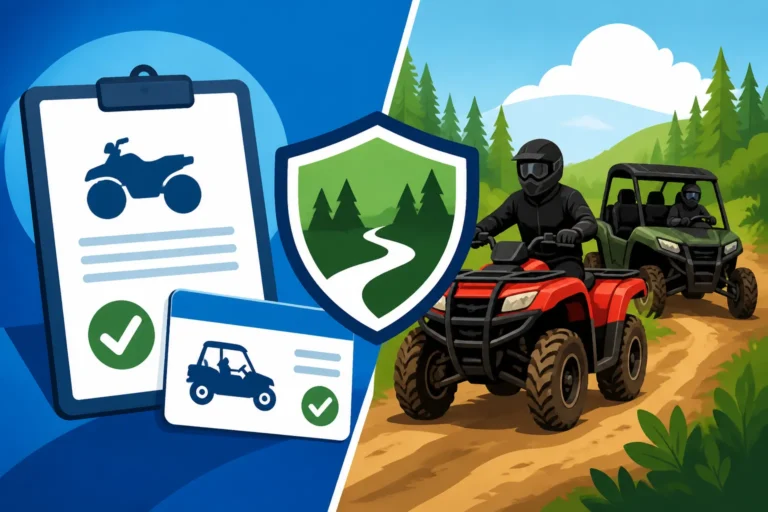
The first and most crucial step is to understand and complete the registration process. In Nova Scotia, this means heading to an Access Nova Scotia centre. You’ll need to bring specific documents, including proof of ownership, like a bill of sale, and proof of insurance. Services like LawDepot can provide templates for a professional bill of sale if you're buying privately, which is crucial documentation for the registry. The process is generally straightforward once you have all your ducks in a row.
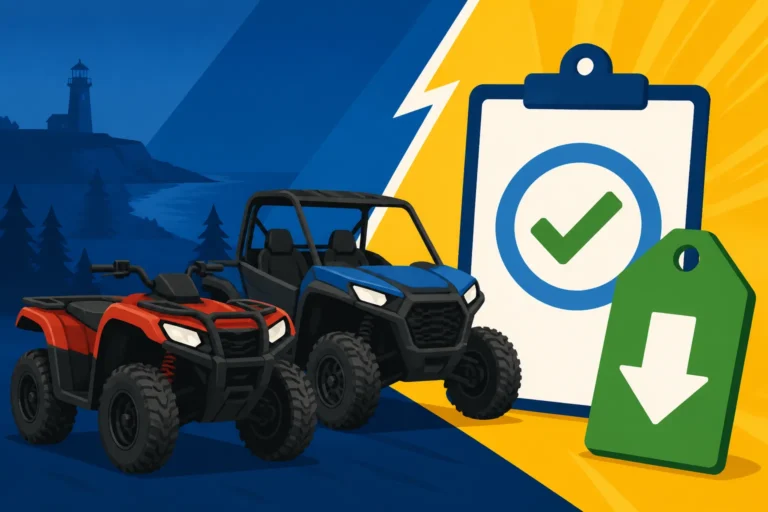
When you [Registering an ATV at Access Nova Scotia], you'll typically pay two main fees: a one-time Certificate of Registration fee and an annual Vehicle Permit fee. This is part of [What the Off-highway Vehicle Fee Regulations Charge You]. The Certificate essentially registers the machine itself, linking it to its VIN, while the Vehicle Permit is your annual pass to operate it. Don't forget, you'll also pay HST on the purchase price of your machine if you bought it privately and haven't paid the tax yet. Being prepared with all your [Nova Scotia Registration Paperwork Checklist] items will make the process smooth and quick, allowing you to get your machine on the books and ride legally.
Keeping Your Paperwork in Order
Once your OHV is registered, the responsibility doesn't end there. You need to keep your registration up to date and readily accessible. This means renewing your Vehicle Permit annually. The renewal process is typically simpler than the initial registration and can often be done online or by mail, but it's essential not to let it lapse. Forgetting to renew can put you right back in the same "unregistered" boat, facing the same penalties.
Furthermore, it is absolutely vital to carry proof of registration and insurance whenever you're operating your machine. Officers routinely conduct checks on trails and road crossings, and not being able to produce your documents can lead to delays, further investigation, or even immediate fines. Whether it's a physical copy or a clear photo on your phone, ensure you have your papers, including your 'pink card' for insurance, with you. This simple act of being able to produce your documents on the spot is key to demonstrating compliance and avoiding unnecessary hassles, especially when you're out [Carrying Papers on a Coastal Ride]. Remember that a [Nova Scotia ATV Permit Renewal] is a yearly requirement, so mark your calendar!
Knowing When Exemptions Apply (and When They Don't)
While the general rule is "register everything," there are a few specific exemptions in Nova Scotia. The most common is riding on your own private property. If you own a large parcel of land and exclusively ride your ATV or UTV within its boundaries, you may not need to register it. Similarly, there are limited exemptions for machines used exclusively for farming or forestry operations on private land. These are specific use cases and are not a blanket "get out of jail free" card.
However, it’s crucial to understand that these exemptions are narrowly defined. The moment your wheels touch public land, a designated trail (even a club trail), or cross a road, your machine must be registered and insured. Many riders mistakenly believe that if they just ride from their cottage to a nearby fishing spot, they're exempt. This is often not the case. Always assume you need to be registered unless you are absolutely certain an exemption applies to your specific situation and use. It's much better to be safe than sorry and ensure your machine is registered, even if you mostly stick to private land, particularly if there's any chance you'll eventually venture beyond your property line. The rules regarding [Riding Your Own Land Without a Registration] are quite strict, so make sure you truly understand them.
The Broader Impact: Why These Fines Matter to the Riding Community
The penalties for operating an unregistered OHV aren't just about individual accountability; they have a ripple effect that touches the entire off-highway vehicle community in Nova Scotia. When individuals ignore the rules, it can undermine the efforts of clubs, associations, and responsible riders who work hard to maintain access and foster a positive image for the sport.
Funding Our Trails: The Infrastructure Link
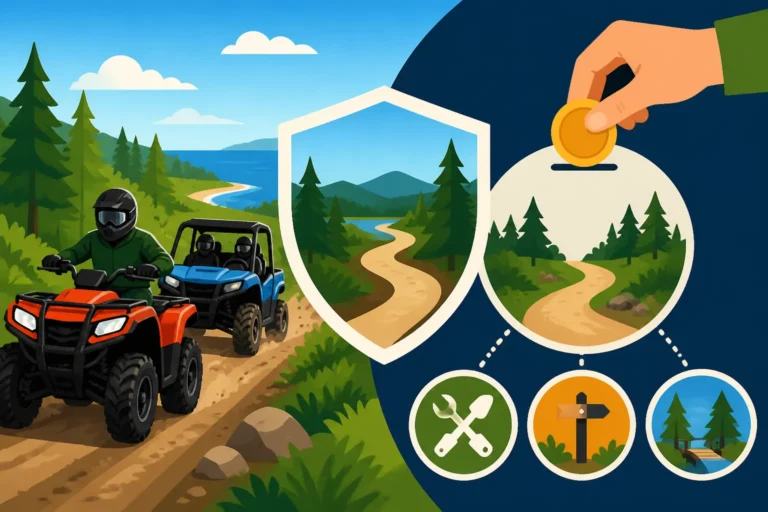
Every time you pay your annual Vehicle Permit fee, a portion of that money goes directly into the [Nova Scotia OHV Infrastructure Fund]. This fund is vital for the development, maintenance, and signage of the vast network of trails we enjoy across the province. These are the trails that connect communities, offer breathtaking views, and provide countless hours of recreation for thousands of riders.
When machines are unregistered, they aren't contributing to this essential fund. This means the burden falls disproportionately on registered riders and organized clubs, who often volunteer countless hours to clear brush, repair bridges, and maintain trail conditions. Unregistered machines essentially "freeload" on the system, taking resources without contributing. This not only strains the fund but can also breed resentment within the riding community. Understanding [Why the Registry Collects a Trail Levy] makes it clear that these fees are directly reinvested into the riding experience for everyone.
Public Perception and Responsible Riding
Unfortunately, a few bad apples can spoil the bunch, and the actions of unregistered, uninsured, or irresponsible riders can significantly tarnish the public perception of the entire OHV community. When officers encounter unregistered machines, it often leads to a negative view of off-highway vehicle users in general, making it harder for clubs to gain permission for new trails, negotiate with landowners, or secure funding.
Responsible riding includes adherence to all laws and regulations, and that starts with proper registration and insurance. By ensuring your machine is legally compliant, you’re not just protecting yourself from fines; you're also doing your part to promote a positive image for the sport. This collective responsibility is crucial for maintaining and expanding our access to trails, preventing further restrictions, and ensuring that future generations can continue to enjoy the thrill of off-highway riding in Nova Scotia. It’s about being a good neighbour, a good citizen, and a good steward of our natural resources and recreational opportunities.
Here’s a quick overview of some key aspects related to OHV registration and consequences in Nova Scotia:
| Aspect | Minimum Fine (Unregistered) | Maximum Fine (Unregistered) | Other Potential Costs | Key Action to Avoid |
|---|---|---|---|---|
| Monetary Penalty | $250 | $2,000 | Court costs, surcharges | Register your OHV promptly |
| Machine Status | Still unregistered | Still unregistered | Towing & storage fees (impoundment) | Keep registration current |
| Insurance Coverage | Risk of voided policy | Risk of voided policy | Personal liability for damages | Ensure valid insurance (pink card) |
| Legal Standing | Provincial offense | Potential for compounding charges | Legal fees, lost time, potential record | Know and follow OHV Act rules |
| Trail Access | Illegal to ride on trails | Illegal to ride on trails | Loss of access, damage to reputation | Contribute to trail fund via registration |
| Required Documents | Proof of ownership, insurance | Proof of ownership, insurance | Delays, additional verification | Carry valid registration & insurance |
Disclaimer
This article is for general informational purposes only and does not constitute professional advice. Laws, prices and regulations vary by location and change over time. Consult a qualified professional for guidance on your specific situation.