Calling the OHV Line for Help
Navigating the ins and outs of off-highway vehicle (OHV) registration in Nova Scotia can sometimes feel like trying to find your way through a dense fog, especially when you're dealing with specific scenarios that don't quite fit the typical mold. Many riders find themselves scratching their heads, wondering who to call or where to turn for clarification on complex rules, fees, or paperwork. This guide is here to cut through that confusion, detailing exactly how and when to leverage the dedicated Nova Scotia OHV line to get the accurate, personalized answers you need to get your machine legal and hit the trails.
The Frustration of OHV Paperwork in Nova Scotia
Let's be real, dealing with government paperwork for your beloved ATV or UTV isn't most people's idea of a fun afternoon. You just want to ride, but before you can do that legally and responsibly, there's a gauntlet of forms, fees, and regulations to understand. For many, this process becomes a source of genuine frustration, often leading to wasted time and even costly mistakes if not handled correctly.
Why the Registry Process Can Feel Overwhelming
One of the biggest hurdles is often the sheer volume of information out there, which can sometimes be contradictory or outdated. You might look up one thing online, hear something else from a friend, and then read another interpretation in a forum. It's tough to know who to trust, and that uncertainty can make you drag your feet, putting off registration until it becomes a last-minute panic. Add to that the specific terminology, the distinction between a certificate and a permit, and the varying fees, and it’s easy to feel like you need a law degree just to get your quad on the books. Understanding the difference between a one-time fee and an annual renewal can be particularly tricky, as can figuring out where your money goes.
It's not just about filling out a form; it's about understanding the why behind each step. For instance, you might be asked to declare the purchase price of your machine, which then impacts the sales tax you pay. If you're buying privately, you might need a properly executed bill of sale, and if you don't have one or it's incomplete, that's another roadblock. This is where services like LawDepot can be a lifesaver, providing templates for legal documents that ensure all necessary information is captured clearly and correctly, helping you avoid headaches down the line.
Common Scenarios That Lead to Confusion
Life isn't always straightforward, and neither are all OHV ownership scenarios. Many riders encounter unique situations that aren't covered by a simple FAQ page, causing them to hit a wall. For example, buying a used machine from a private seller can introduce layers of complexity, especially if the previous owner didn't keep meticulous records. What if the bill of sale is handwritten and missing key details? Or what if you're registering a machine that's been passed down through the family, perhaps after someone has passed away, and there's no clear purchase price or formal paperwork?
Then there are situations like moving to Nova Scotia from another province with your existing machine, or if you're a parent trying to register a quad for a teenager. Each of these cases brings its own set of questions about eligibility, required documents, and specific steps to follow. You might also have questions about specific exemptions, like if you use your OHV primarily for farm work or forestry, or how to register a unique machine like a golf cart or an older model with a less common VIN. These aren't questions you can always Google for a definitive answer, which is precisely why having a direct line to knowledgeable staff is so important.
Your Direct Line to OHV Answers: The Nova Scotia OHV Line
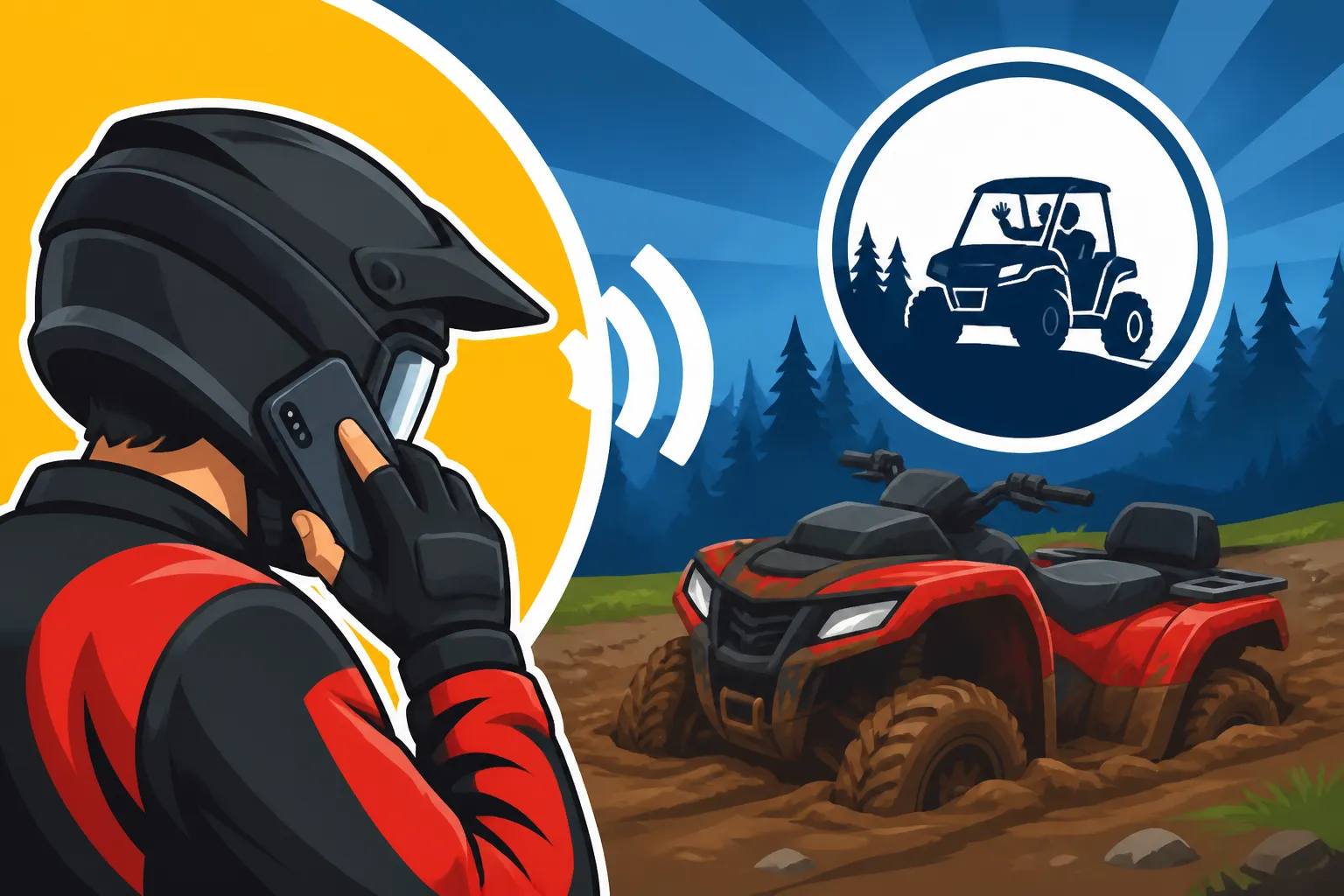
When you're bogged down in paperwork and online searches aren't cutting it, sometimes the only way to get clear, authoritative answers is to speak directly with someone who knows the rules inside and out. That's where the Nova Scotia Off-Highway Vehicle line comes in – it's designed to be your direct conduit to information and guidance.
What the OHV Line Is And Isn't
The Nova Scotia OHV line is a dedicated telephone service staffed by knowledgeable individuals who are trained in the intricacies of OHV registration, titling, and related regulations within the province. Think of them as your personal guides through the administrative wilderness. Their primary purpose is to clarify specific rules, help you understand the documents you need, and walk you through various scenarios that might be unique to your situation. They can explain the components of the [Nova Scotia OHV Registration Cost], differentiate between the [Nova Scotia Certificate of Registration at $39.80] and the [Nova Scotia Vehicle Permit at $13.20], and help you understand the province's combined annual figures.
What it isn't, however, is a quick fix for missing documents or a way to bypass legal requirements. They can't issue permits over the phone, nor can they fill out forms for you. While they can offer guidance on what a proper bill of sale should look like, they won't draft one for you; for that, you might turn to a resource like LawDepot to create a professional-looking document. Their role is to inform and clarify, empowering you to complete the process correctly yourself. They also can't provide legal advice or mediate disputes between buyers and sellers, so keep your expectations realistic about the scope of their assistance.
When Calling is Your Best Bet
There are definite times when picking up the phone is far more efficient and effective than any other method. If you've been circling the same problem online for an hour without a clear answer, that's your cue. Complex scenarios involving private sales, missing previous owner information, or unusual ownership transfers (like inheriting a machine) are prime examples. For instance, if you're trying to understand the nuances of [Nova Scotia Registration Without a Bill of Sale], a quick call can save you hours of fruitless searching.
Similarly, if you're unclear about specific fees, tax implications for your particular purchase, or whether you qualify for an exemption, the OHV line can provide precise figures and conditions. They can explain exactly what makes up the [Nova Scotia's Combined $53.20 Annual Figure] and clarify when certain levies apply. Anytime you're dealing with conflicting information, or if you simply need to confirm that you're on the right track before submitting your paperwork, a phone call offers the peace of mind that online research often can't. It's also ideal for asking about less common machines, special identification numbers, or the exact process for [Nova Scotia Registration After a Private Sale].
Preparing for Your Call: Getting the Most Out of the OHV Line
A call to the OHV line can be incredibly helpful, but like any interaction with an official service, a little preparation goes a long way. Going in organized will not only make the call smoother but will also increase the likelihood of you getting all the answers you need without having to call back multiple times.
Essential Information to Have Handy
Before you even dial, gather all the relevant information and documents you have. This includes, but isn't limited to:
- Machine Details: The make, model, year, and especially the Vehicle Identification Number (VIN). If you're dealing with an older machine or a unique situation where the VIN might be an issue, have any photos or previous registration documents ready.
- Your Personal Information: Your full name, address, date of birth, and driver's license number. They will need to verify who you are.
- Previous Owner Details (if applicable): If you bought the machine used, have the previous owner's name and contact information, if you have it. This is crucial for understanding the chain of ownership, especially for [Nova Scotia Used Machine Paperwork].
- Purchase Information: The date of purchase, the purchase price, and any details from a bill of sale. If you've used a template from LawDepot or another service, have that document in front of you. This is vital for calculating [Nova Scotia HST on an ATV Purchase].
- Any Existing Paperwork: Copies of old registrations, titles, a bill of sale, or any correspondence you've had with the registry before.
- Specific Scenario Details: If you're calling about an inherited machine, have dates of death, wills, or executor details. For a youth machine, have the proposed owner's age and your relationship to them, especially if you're exploring [Owning a Machine at Sixteen With a Parent's Signature].
Having this information readily accessible will allow the representative to quickly look up records, verify details, and provide accurate guidance without having to put you on hold while you scramble to find something.
Crafting Your Questions for Clarity
It's tempting to just call and ramble, but that rarely gets you the best results. Instead, take a few minutes to write down your questions. Prioritize them and be as specific as possible. Instead of asking, "How do I register my quad?" try something like: "I recently purchased a used ATV from a private seller in Cape Breton, but the bill of sale I received from them is very basic. What specific information does Nova Scotia require on a bill of sale to [Nova Scotia Registration After a Private Sale] and ensure I pay the correct tax?"
Consider hypothetical scenarios if your exact situation isn't fully formed. For example, "If I were to register a machine that was gifted to me, how would the tax implications differ from a purchased machine?" This level of detail helps the representative understand your core issue and provide tailored advice. Don't be afraid to ask for clarification if you don't understand an answer, and ask them to repeat important steps or figures. Jotting down notes during the call is also highly recommended, including the name of the person you spoke with and the date and time of the call. This record can be invaluable if you need to follow up later.
Navigating Specific OHV Registration Challenges by Phone
Some of the most common reasons riders call the OHV line involve tricky paperwork situations, understanding the financial side of things, or navigating unique ownership scenarios. These are precisely the areas where a direct conversation can untangle a mess of confusion.
Private Sales and Missing Paperwork
Buying a machine privately can save you money, but it often comes with a higher risk of paperwork headaches. One of the most frequently asked questions revolves around [Nova Scotia Registration Without a Bill of Sale] or when the bill of sale provided is incomplete. An OHV line representative can guide you through the process of creating a statutory declaration, which is a sworn statement affirming the details of your purchase. They can tell you exactly what information needs to be included in that declaration and whether it needs to be witnessed by a notary or commissioner of oaths.
They can also advise on what to do if the previous owner's registration certificate is missing or if the VIN on the machine doesn't quite match the paperwork you have. This kind of problem is more common than you might think, especially with older machines. The OHV line can explain the steps for obtaining duplicate permits or conducting a records search, which might be necessary to establish a clear chain of ownership. When crafting a bill of sale for a private transaction, having a reliable template, such as those available through LawDepot, can preempt many of these issues by ensuring all essential fields are completed from the start.
Understanding Fees and Taxes
The financial side of OHV ownership can be a maze. Beyond the purchase price, you're looking at registration fees, annual permit renewals, and the provincial portion of the Harmonized Sales Tax (HST). Many riders are surprised by the total [Nova Scotia OHV Registration Cost] or confused about which fees are one-time versus recurring. The OHV line can break down the various charges, such as the initial certificate fee, the annual vehicle permit fee, and the contribution to the Nova Scotia OHV Infrastructure Fund.
They can clarify exactly when and how [Nova Scotia HST on an ATV Purchase] is applied, especially if you purchased your machine from a private seller or received it as a gift. The process for declaring the purchase price, which directly impacts the HST calculation, can be thoroughly explained. For those who believe they might be exempt from certain fees due to specific circumstances, such as using the machine exclusively for farming or forestry, the representative can outline the precise criteria and documentation required to claim such an exemption. They can also explain the process for [Nova Scotia Tax Collected at Registration] if you haven't already paid it.
Unique Ownership Situations
Sometimes, a machine changes hands under less conventional circumstances, leading to unique registration challenges. For example, dealing with [Nova Scotia Registration After the Owner Dies] requires specific documentation, such as a will, letters of administration, or an affidavit from the executor of the estate. The OHV line can walk you through what the registry will accept as proof of ownership transfer in these sensitive situations, ensuring the machine is legally transferred to the correct heir.
Similarly, if you're registering a machine for a minor (someone under 19 in Nova Scotia), there are specific rules and parental consent forms involved. The representative can explain the process for [Owning a Machine at Sixteen With a Parent's Signature] and any additional requirements for youth riders. Business owners looking to register multiple machines for commercial use will also have different considerations, and the OHV line can advise on fleet registration or specific business exemptions. Even questions about registering a machine with two owners can be answered, ensuring all parties are correctly listed on the permit.
| Scenario | Is the OHV Line Best? | What They Can Help With | What They Can't Do |
|---|---|---|---|
| Missing Bill of Sale | Yes | Guiding you on statutory declarations, required content. | Create the declaration for you. |
| Unclear Fees/Taxes | Yes | Breaking down fee components, explaining HST calculations. | Waive fees or change tax rates. |
| Inherited Machine | Yes | Explaining required estate documents (will, affidavit of heirship). | Mediate family disputes over ownership. |
| Youth Ownership | Yes | Detailing parental consent forms, age restrictions. | Override age requirements or safety regulations. |
| Conflicting Online Info | Yes | Providing definitive, up-to-date regulations. | Change past policy or legislation. |
| Checking VIN History | Limited | Advise on how you can check, or if they have internal access. | Guarantee complete history or perform a full search. |
| General Registration Steps | Yes | Step-by-step guidance, [Nova Scotia Registration Paperwork Checklist]. | Complete the registration process for you. |
| Specific Exemption Queries | Yes | Clarifying criteria for farm/forestry use, etc. | Grant exemptions without proper documentation. |
| [Nova Scotia Permit Renewal at $13.20] | No (usually self-serve) | May clarify specific issues if renewal is blocked. | Renew your permit for you; typically an online process. |
What to Expect During and After Your Call
Knowing what to expect can help manage your frustration and ensure you leave the call feeling informed and ready to act. The interaction itself, and what you do afterward, are equally important.
The Conversation: Patience and Persistence
When you call the Nova Scotia OHV line, be prepared for potential hold times, especially during peak hours. Have your prepared questions and documents ready so you can make the most of your time when you do connect with a representative. It's common for staff to work from scripts or comprehensive knowledge bases, but they are generally well-versed in the regulations. Occasionally, you might encounter someone who is less familiar with a very niche scenario, but don't hesitate to politely ask if they can consult a supervisor or look up the specific regulation. Persistence, coupled with politeness, usually pays off.
Make sure you're taking notes throughout the conversation. Jot down key pieces of information, specific form numbers, deadlines, and any instructions for next steps. Ask for clarification if something isn't clear. For instance, if they mention a specific form like a statutory declaration, ask where you can find that form or if there's a specific format to follow. If you are preparing a document like a bill of sale, referring to a template from LawDepot while on the phone can help you ensure all the necessary details are covered according to their guidance. Confirm the name of the representative you spoke with and the date and time of the call; this can be helpful if you need to reference the conversation later.
Next Steps and Follow-Up
The call to the OHV line is often just the beginning. Based on the advice you receive, you'll likely have specific actions to take. This could involve gathering more documents, completing certain forms, or visiting an Access Nova Scotia centre. For example, if you learn you need a new bill of sale because yours was inadequate, you might reach out to the seller (if possible) or create a new, compliant document using a trusted template from LawDepot.
It's crucial to follow the instructions precisely. If they tell you to print a specific form from a certain website, do so. If they say you need to bring original documents, don't bring photocopies. If the advice seems contradictory to something you've previously heard or read, politely ask them to point you to the official source of that information (e.g., a specific section of the Off-highway Vehicles Act or its regulations). Once you've completed the necessary steps, such as preparing your documentation, your next move will likely be to visit a service centre to complete the [Registering an ATV at Access Nova Scotia] process.
Beyond the Phone: Other Resources for Nova Scotia OHV Owners
While the OHV line is an invaluable resource, it's part of a broader ecosystem of support and information available to off-highway vehicle owners in Nova Scotia. Understanding where else to look can complement your phone calls and ensure you're fully equipped to handle any registration or titling challenge.
The Value of Online Resources and Local Access Centres
For straightforward tasks or general information, the provincial government's official websites are a good starting point. These sites often provide downloadable forms, general FAQs, and information on common procedures. They can be particularly useful for tasks like understanding [What Nova Scotia's $13.20 Vehicle Permit Buys] or finding a [Nova Scotia Registration Paperwork Checklist]. However, as noted earlier, they might not address every specific or unusual situation.
When it comes to actually completing the registration process, an in-person visit to an Access Nova Scotia centre or a designated [Registry Counter or Service Centre: Where to Register] is usually required. This is where you'll submit your paperwork, pay your fees, and receive your certificate and permit. Visiting in person allows you to have a representative review your documents on the spot and potentially catch any errors before they become a bigger problem. It's an excellent follow-up step after you've clarified all your questions with the OHV line.
Community and Legal Support
Beyond official channels, the OHV riding community itself can be a fantastic source of practical advice and shared experiences. Local ATV clubs, online forums, and social media groups often have members who have navigated similar registration challenges. While this informal advice should always be cross-referenced with official sources, it can offer valuable insights into common pitfalls and solutions.
For highly complex legal matters, such as disputes over ownership, unusual liens, or very convoluted inherited machines, consulting with a legal professional may be necessary. They can provide tailored advice that government representatives cannot. Additionally, for creating robust legal documents like comprehensive bills of sale, promissory notes, or even affidavits for specific declarations, resources such as LawDepot can provide professionally drafted templates that ensure legal compliance and protect your interests, helping you sail through the registration process with confidence.
| Resource Type | Best For | Limitations |
|---|---|---|
| OHV Phone Line | Clarifying specific regulations, understanding unique scenarios (e.g., inherited machines, missing paperwork), confirming fees, detailed questions about [Nova Scotia Registration After the Owner Dies]. | Cannot complete transactions, cannot provide legal advice, potential hold times. |
| Online Gov Sites | General information, downloading forms, basic FAQs, checking [Nova Scotia OHV Registration Cost], overview of [Nova Scotia Fines for an Unregistered Machine], and [What the Off-highway Vehicle Fee Regulations Charge You]. | May not cover all niche scenarios, information can be generic or require interpretation. |
| Access Nova Scotia | In-person document submission, paying fees, receiving permits, direct interaction with counter staff. | Limited time for in-depth questions, queues, may require previous phone clarification for complex cases. |
| OHV Community | Shared experiences, practical tips, informal advice on Nova Scotia Registration Mistakes Nova Scotia Riders Make. | Information can be outdated or incorrect; always verify with official sources. |
| LawDepot | Creating legally sound documents (bill of sale, statutory declarations) for private sales or unique situations. | Not a substitute for official registration or government advice. |
| Legal Counsel | Complex legal disputes, highly unusual ownership issues, interpreting specific legislation sections. | Costly; typically reserved for situations beyond the scope of government assistance. |
Disclaimer
This article is for general informational purposes only and does not constitute professional advice. Laws, prices and regulations vary by location and change over time. Consult a qualified professional for guidance on your specific situation.