Signing a Reroute Around Damage
Signed ATV trail reroutes in Nova Scotia protect riders, prevent further damage, and maintain proper land access permissions.

Signed ATV trail reroutes in Nova Scotia protect riders, prevent further damage, and maintain proper land access permissions.
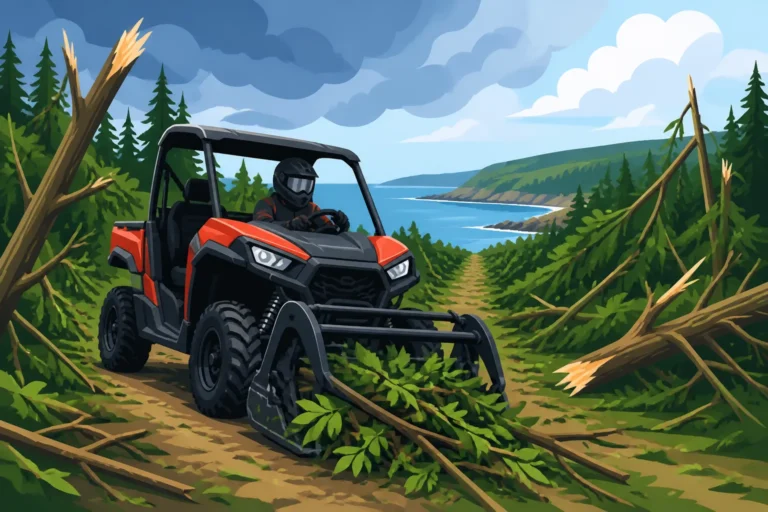
Storm damage on Nova Scotia ATV trails requires riders to assess hazards and report unsafe corridors before clearing debris.
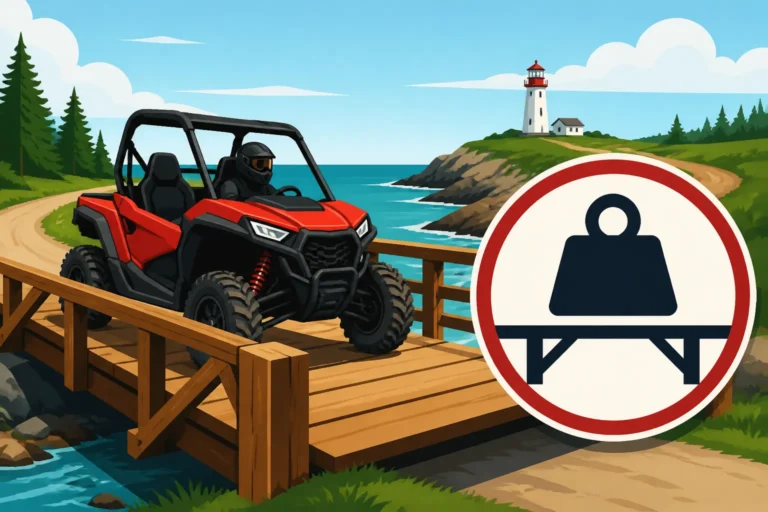
A posted bridge limit may cover total vehicle weight or load per axle, so riders weigh machine, fuel, passengers and cargo, and stop if no rating shows.

Washed-out culverts on Eastern Shore trails present hidden collapse risks. Read how to assess hazards safely and report damage.

Nova Scotia ATV trail closures during mud season protect vulnerable routes from damage, explaining how conditions change and how to check local statuses.

Cape Breton spring trails feature frost heaves, ridges, and soft patches formed by alternating freeze-thaw cycles.

Nova Scotia ATV trail grooming pays for clearing debris, fixing drainage, and maintaining signs to keep routes safe.
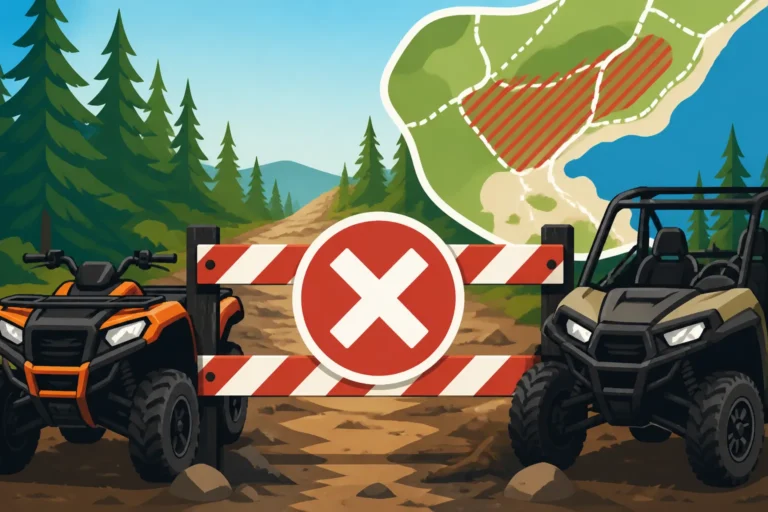
Trail segment closures in Nova Scotia happen due to missing landowner permission, restricted vehicle types, or weather damage.

Nova Scotia rail-bed trails require checking specific sections to confirm if motorized vehicles are permitted.

ATV and UTV trail riding from Pictou requires checking route access, parking rules, and Nova Scotia road regulations.