Passing Safely on a Narrow Coastal Cut
Safe passing methods on narrow Nova Scotia coastal ATV trails help riders avoid collisions, washouts, and soft edges.
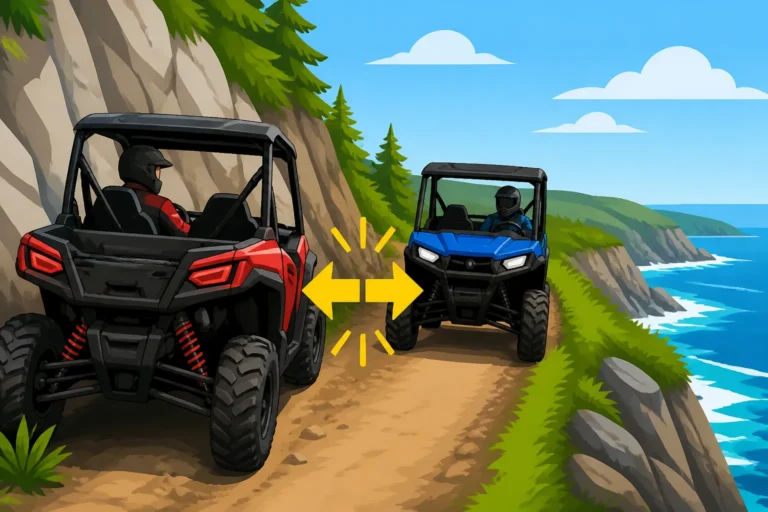
Safe passing methods on narrow Nova Scotia coastal ATV trails help riders avoid collisions, washouts, and soft edges.
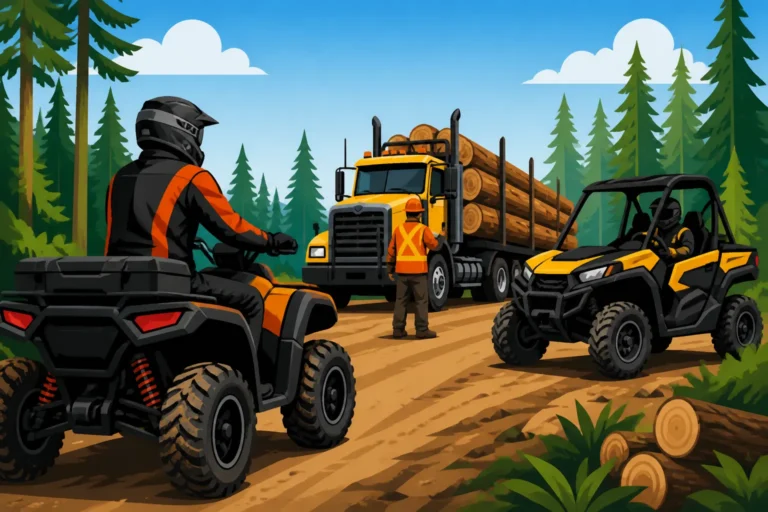
Pictou County trail logging operations explain how to spot active equipment, share corridors, and report hazards safely.
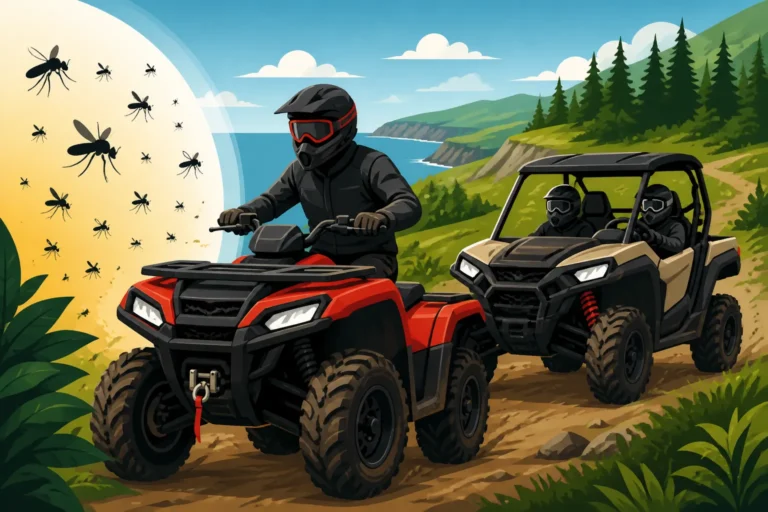
Blackflies and mosquitoes in the Cape Breton Highlands, plus preparation methods for clothing, gear, and camp.
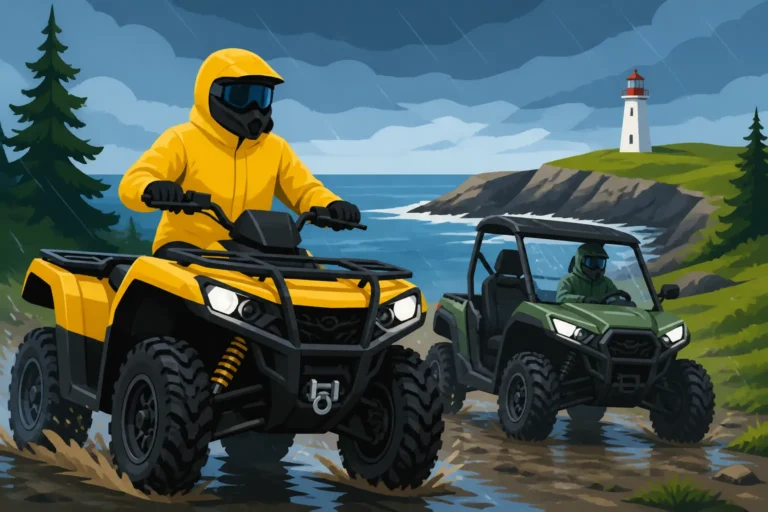
Choosing rain gear and adjusting layers helps Nova Scotia ATV riders stay dry and warm during wet coastal storms.

ATV trail layering for foggy Nova Scotia mornings explains moisture-managing base layers, adjustable mid-layers, and waterproof shells.
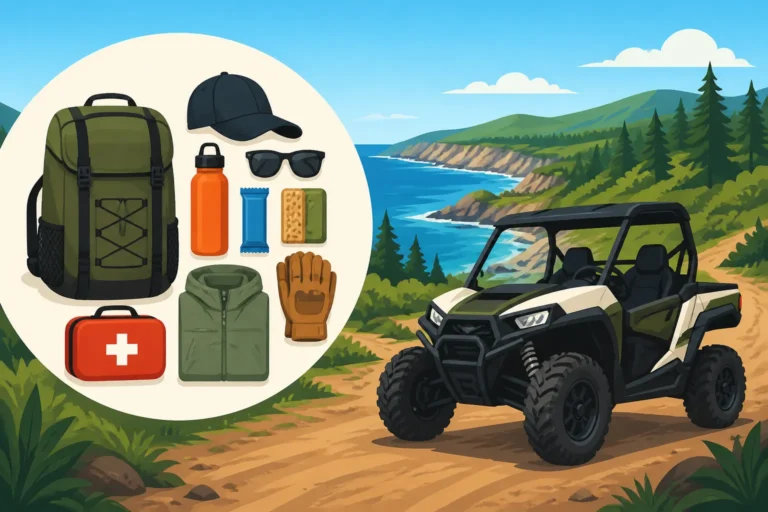
Packing for a Nova Scotia coastal trail ride involves choosing adjustable layers and emergency gear for changing weather.
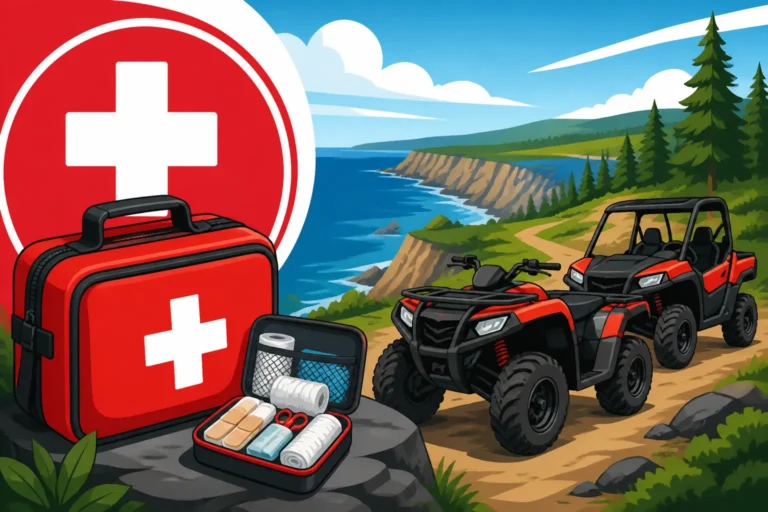
First aid on remote Nova Scotia coastal ATV rides requires preparation, emergency communication plans, and proper medical kits.
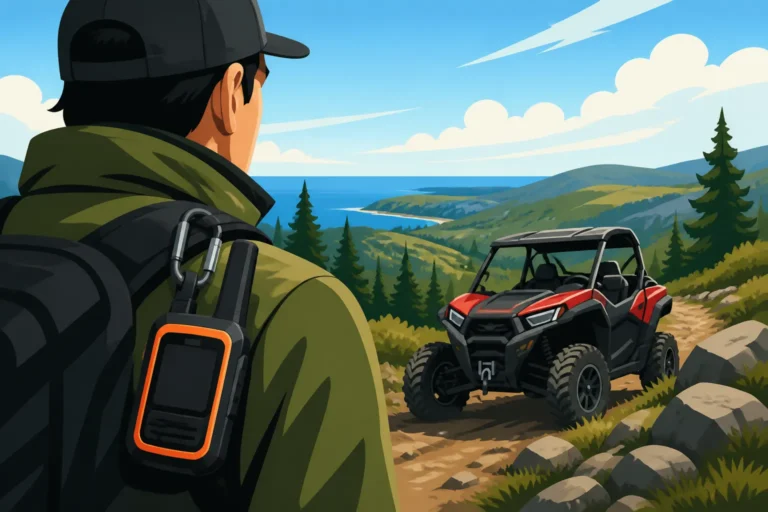
A satellite messenger for Cape Breton ATV rides helps riders share locations, send check-ins, and request emergency help.

Cape Breton Highlands cell dead zones require offline maps, downloaded routes, and check-in plans for safe riding.
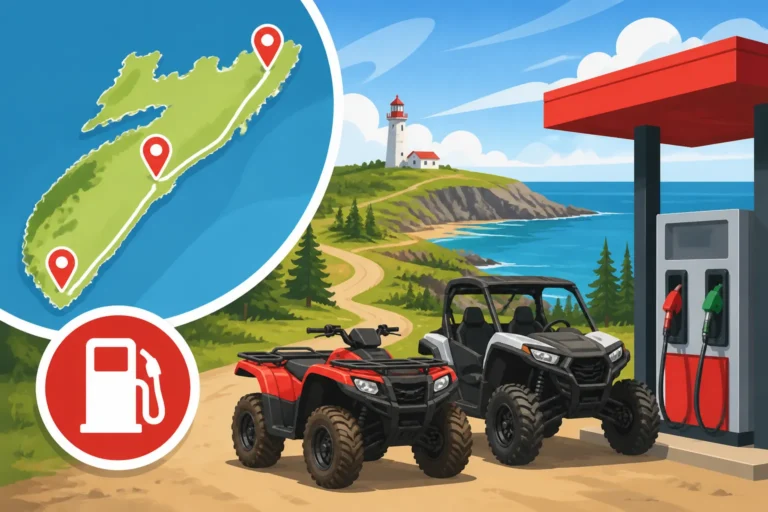
Planning fuel stops along the Eastern Shore requires verifying trail access, business hours, and reliable backup locations.