Nova Scotia Riding Compared to New Brunswick
Nova Scotia and New Brunswick ATV riding rules, trail access, terrain, and border crossing logistics compared for trip planning.
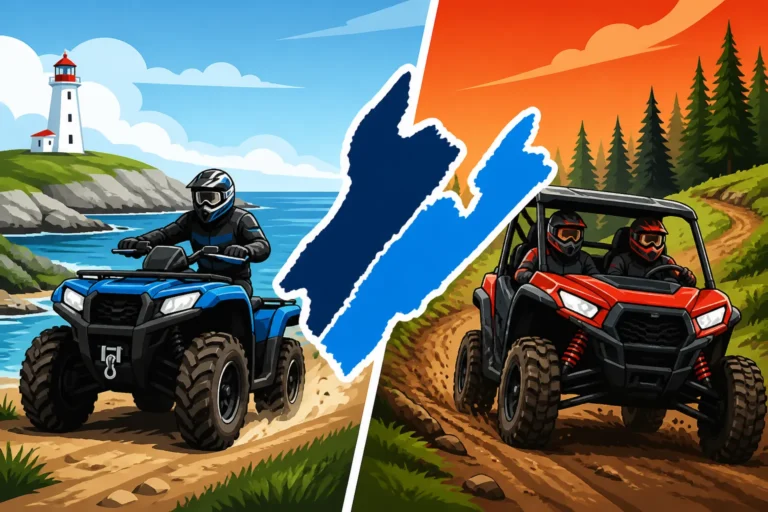
Nova Scotia and New Brunswick ATV riding rules, trail access, terrain, and border crossing logistics compared for trip planning.
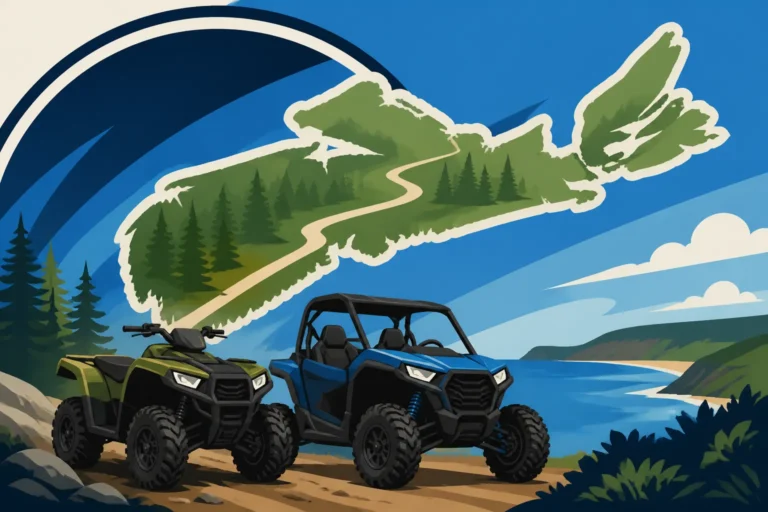
Nova Scotia ATV trail mileage figures explain network scale rather than continuous open routes for specific daily rides.
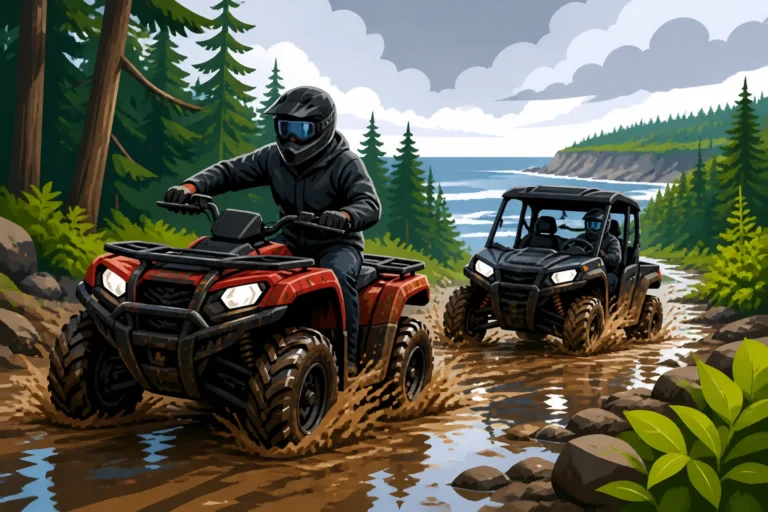
Nova Scotia ATV trail riding after rain requires checking closures, assessing wet surfaces, and choosing alternate routes.
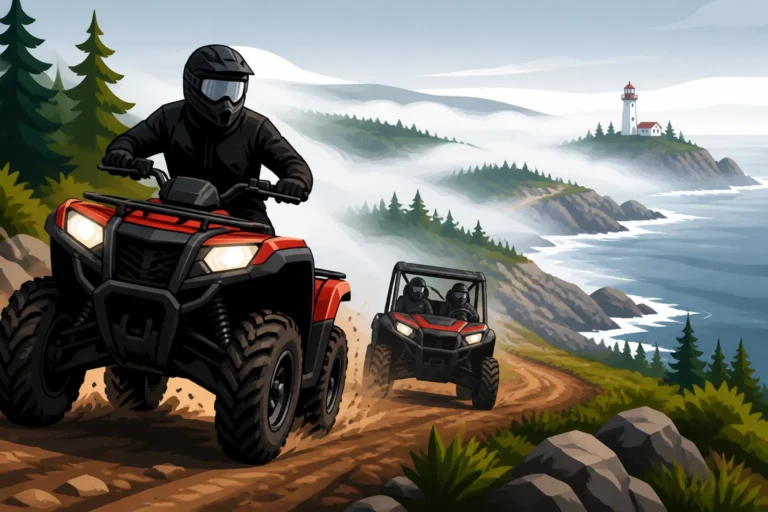
Nova Scotia coastal fog navigation techniques help ATV and UTV riders judge visibility and handle wet surfaces.
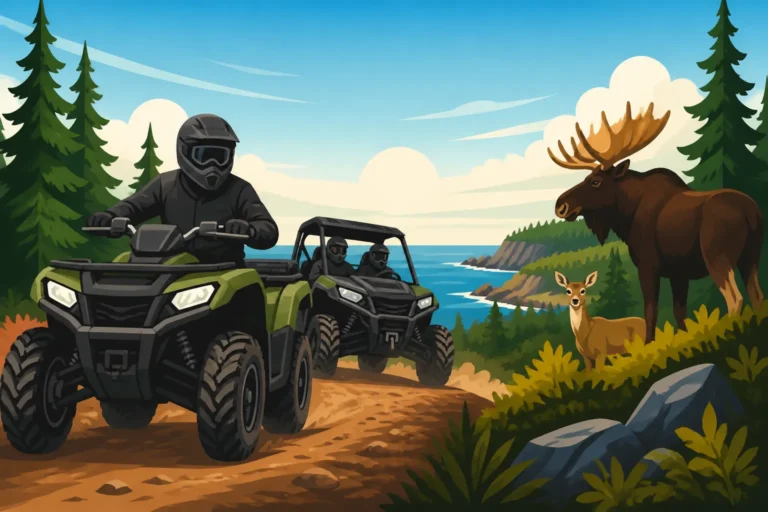
Nova Scotia trail wildlife encounters with bears and moose require riders to stop, give space, and let animals move away safely.
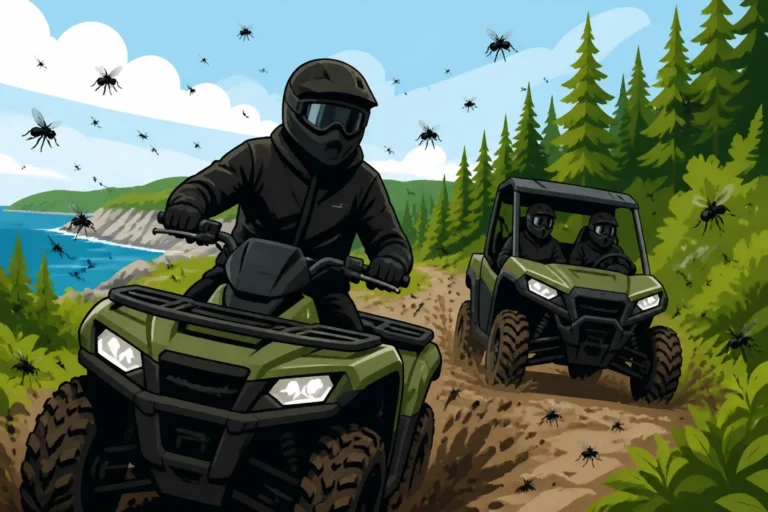
Nova Scotia black fly season affects ATV rides, detailing clothing, route planning, and strategies to handle insects.
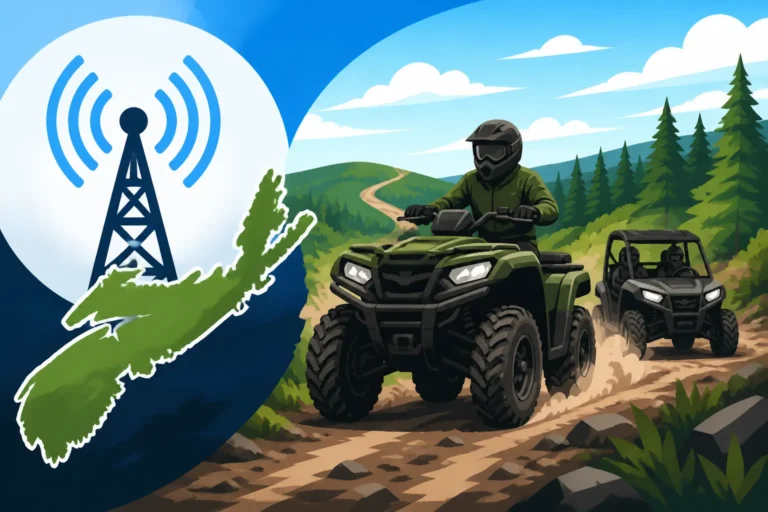
Nova Scotia trail cell coverage is unpredictable because terrain, hills, and distance block signals from nearby towers.
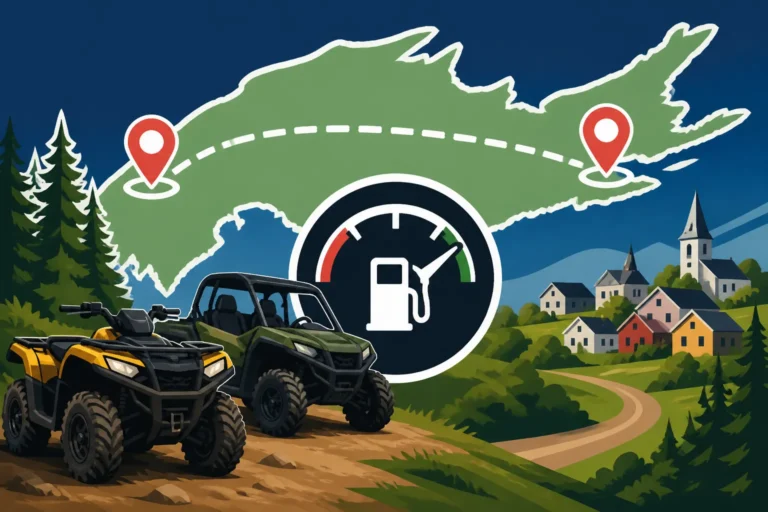
Nova Scotia ATV fuel planning requires estimating usable range, accounting for trail conditions, and verifying village fuel stops.
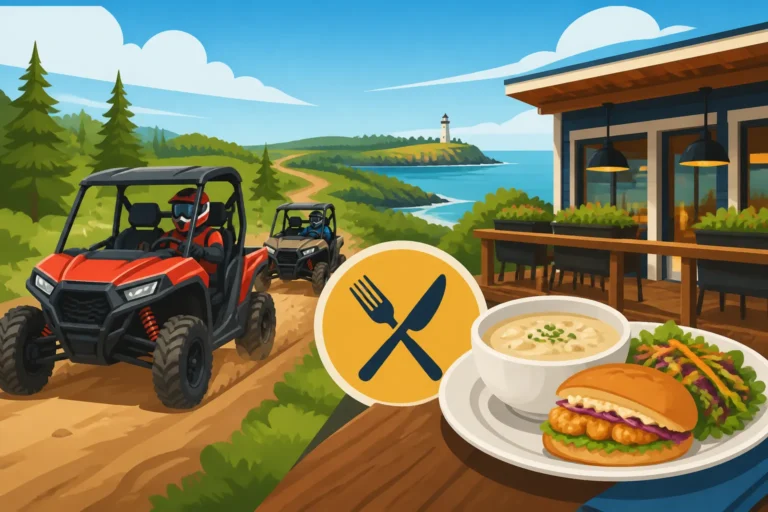
Nova Scotia ATV trail restaurants require checking legal connections, local route permissions, and community meal stop hours.
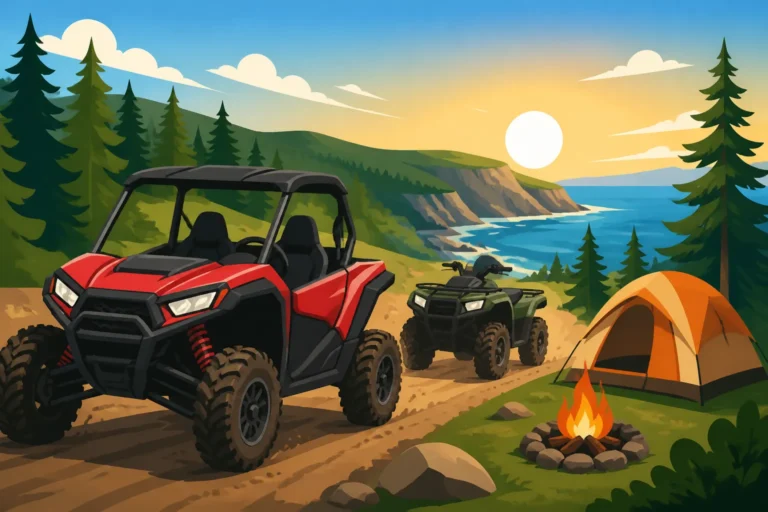
Nova Scotia campgrounds near ATV trails require checking legal access, machine permissions, and parking rules before booking your trip.