Transferring a Machine for $13.20 in Nova Scotia
Buying or selling a used ATV or UTV in Nova Scotia can feel a bit like navigating a maze, especially when it comes to the paperwork. Many folks get confused about what's actually involved in getting that machine legally in their name, beyond just shaking hands and handing over cash. This guide will walk you through the essential steps for officially transferring ownership of an off-highway vehicle (OHV) in Nova Scotia, clarifying the $13.20 transfer fee and what you need to do to make it all happen smoothly.
Understanding the Cost of Transferring Ownership in Nova Scotia
Let's cut right to the chase about that $13.20 figure. When you're talking about transferring an OHV in Nova Scotia, this specific amount refers to the fee for the transfer of ownership for the vehicle permit. It's a key piece of the puzzle, but it’s crucial to understand it within the context of the entire registration process. Many people assume this is the only cost, but that’s rarely the case once you factor in other mandatory elements.
What the $13.20 Transfer Fee Covers
The $13.20 transfer fee is specifically for updating the vehicle permit to reflect the new owner's name. Think of it like this: your off-highway vehicle has a Certificate of Registration and a Vehicle Permit. The Certificate of Registration is essentially the "title" that states who the legal owner is, and it's generally a one-time fee paid when the machine is first registered. The Vehicle Permit, on the other hand, is what you renew annually. When a machine changes hands, the new owner needs a new Vehicle Permit issued in their name, and that's where the $13.20 comes in. It's a small but mighty fee that legally solidifies you as the recognized operator of that specific machine. Without this step, even if you paid for the machine, the government records wouldn't reflect your ownership, which can lead to headaches down the road. This fee is standard, whether you're buying a pristine side-by-side or a well-loved quad from a neighbour.
The Difference Between the Transfer Fee and Other Registration Costs
It's easy to get tunnel vision on that $13.20 fee, but it's part of a larger financial picture. Beyond the transfer fee, a new owner will also be responsible for other costs. For instance, there's the Nova Scotia Off-highway Vehicle Infrastructure Fund levy. This is a recurring fee that contributes to the maintenance and development of the province's extensive trail system. While the $13.20 transfer fee is a transaction cost, the Infrastructure Fund is more of an annual contribution to the riding community.
Then, of course, there's sales tax. If you're buying a used machine privately, you'll still owe Harmonized Sales Tax (HST) on the purchase price. This tax isn't included in the $13.20 transfer fee and is collected by Access Nova Scotia at the time of registration. So, while the transfer itself is only thirteen dollars and twenty cents, the total bill at the counter can be significantly higher once the HST and any other outstanding fees are added. It’s important to budget for [Nova Scotia HST on an ATV Purchase] and not just the permit transfer fee. Don't forget insurance either; [Nova Scotia Insurance Requirements for Riders] are mandatory, and while you don't pay that at Access Nova Scotia, it's a critical part of owning and operating an OHV.
The Step-by-Step Process for Transferring an OHV
Okay, now that we've cleared up the cost, let's talk about how you actually get this done. The process for transferring ownership of an OHV in Nova Scotia is fairly straightforward, but it requires the right documents and a visit to Access Nova Scotia. It's not something you can just do online or over the phone; you'll need to physically present the necessary paperwork.
Essential Paperwork for a Smooth Transfer
To ensure your transfer goes off without a hitch, both the buyer and seller have specific responsibilities regarding paperwork. For the seller, the most important document is the original Certificate of Registration. This is often referred to as the "ownership" or "title" document for the OHV. They must sign the back of this certificate, completing the "Transfer of Ownership" section. This usually includes the sale date, the sale price, and their signature. Without this signed certificate, the transfer cannot proceed. It's like trying to sell a house without the deed! Additionally, a bill of sale is highly recommended. While the registry may not always explicitly require it for a private sale if the Certificate of Registration is perfectly filled out, having a detailed [Nova Scotia Used Machine Paperwork] protects both parties. It outlines the machine's details, the sale price, and the terms of the transaction. You can find templates for a bill of sale through services like LawDepot, which can help ensure all necessary information is included. This protects the buyer from potential disputes and helps verify the sale price for tax purposes.
For the buyer, you'll need the signed Certificate of Registration from the seller, along with your own personal identification. This typically means a valid driver's license or another government-issued ID. You'll also need to be prepared to pay the transfer fee, any applicable HST, and the annual Infrastructure Fund levy. If you're buying a machine that has never been registered in Nova Scotia before, or if the original Certificate of Registration is missing, the process can become a little more complicated, potentially requiring declarations or additional verification. Always try to get the original certificate if possible.
Where to Complete Your Transfer
Once you have all your ducks in a row with the paperwork, the actual transfer takes place at an Access Nova Scotia centre. These centres are dotted throughout the province, from Yarmouth to Sydney, making them generally accessible. You can't just mail in your documents, unfortunately. Both the buyer and seller ideally should be present, especially if there are any ambiguities with the paperwork, though often the buyer goes alone with the signed documents. When you arrive, you'll take a number and wait to be served by a representative. This is your opportunity to present the signed Certificate of Registration, your bill of sale, and your identification. The representative will process the transfer, collect the necessary fees, and issue you a new Vehicle Permit in your name. This new permit will show you as the registered owner and the expiry date of your annual registration. Many people find it helpful to call the OHV line beforehand, or check the Access Nova Scotia website for specific hours and required documents to avoid a wasted trip. For example, knowing [Registry Counter or Service Centre: Where to Register] can save you time.
Common Pitfalls to Avoid During Transfer
Navigating a transfer can sometimes throw a few curveballs. One of the most common issues is missing or incomplete paperwork. If the seller hasn't properly signed the Certificate of Registration, or if crucial information like the sale date or price is omitted, Access Nova Scotia will likely reject the transfer until it's corrected. This means more back-and-forth between buyer and seller, delaying your ability to legally ride. Another pitfall is understating the sale price on the bill of sale or Certificate of Registration. Access Nova Scotia collects HST based on the declared sale price, and they have mechanisms to flag unusually low values. Trying to pay less tax this way can lead to questions, delays, or even penalties.
Additionally, be wary of machines with no previous paperwork. While it's possible to [Nova Scotia Registration Without a Bill of Sale] or original certificate, it involves extra steps like statutory declarations and potentially a physical inspection of the machine's VIN. This process is designed to prevent the registration of stolen machines and can be time-consuming. It's always best to deal with a seller who has complete and legitimate documentation. Using a platform like LawDepot for generating your bill of sale can help ensure you have a robust document that covers all the necessary details, minimizing issues at the registry.
Specific Scenarios for OHV Transfers
Transfers aren't always cut-and-dry private sales. Life happens, and sometimes machines change hands under different circumstances. Understanding these specific scenarios can help you navigate the process without unnecessary stress.
Transferring After a Private Sale
The classic scenario is a private sale between two individuals. You’ve found the perfect quad on a local classifieds site, haggled a bit, and now it’s time for the legal stuff. As discussed, the seller needs to sign over the original Certificate of Registration. Make sure all fields are filled out accurately: the buyer's name and address, the sale date, and the purchase price. A clear, legible bill of sale is your best friend here, especially one detailing the machine's VIN, make, model, and year, along with the full names and addresses of both parties. This document, often created using a template from a service like LawDepot, provides a solid record for both the buyer and the seller. The buyer then takes these documents, along with their ID and payment, to Access Nova Scotia. Remember, the $13.20 is for the permit transfer, but you'll also pay HST on the purchase price unless an exemption applies. [Nova Scotia Tax on a Private ATV Sale] is a critical component of the final cost.
Handling a Gifted or Inherited Machine Transfer
Sometimes, a machine isn't bought, but rather gifted or inherited. While the spirit of the transaction is different, the legal transfer still needs to happen. For a gifted machine, the process is similar to a sale, but with a crucial difference regarding tax. The Certificate of Registration still needs to be signed over by the giver, and a "Bill of Gift" or a declaration stating the machine was a gift should be prepared. Access Nova Scotia will generally require a declaration that no money changed hands. While the $13.20 transfer fee still applies for the new permit, the HST component might be exempt or calculated differently, as no purchase price was involved. However, you should confirm this at the registry, as specific rules can apply.
When inheriting an OHV, things can get a bit more complex. You'll need the original Certificate of Registration, a copy of the death certificate, and often documentation proving you are the legal heir or executor of the estate (e.g., letters of probate or administration). The executor would typically sign off on the transfer, indicating it's from the estate to the beneficiary. This situation can be sensitive, and Access Nova Scotia staff are usually helpful in guiding you through the specifics. It's wise to gather all legal documents pertaining to the estate before heading to the counter. The good news is that the $13.20 transfer fee remains the same, regardless of whether it's a gift or an inheritance. [Nova Scotia Registration After the Owner Dies] is a common query, and having the right documentation prepared beforehand will save a lot of grief.
What About New Residents or Out-of-Province Purchases?
If you're moving to Nova Scotia and bringing your OHV with you, you'll need to register it in the province. This isn't strictly a "transfer" of ownership in the same way a sale is, but it involves getting Nova Scotia paperwork in your name. You'll need your out-of-province registration or ownership documents, proof of residency, and your identification. Access Nova Scotia will issue you a new Certificate of Registration and a Vehicle Permit. The fees will include the one-time Certificate of Registration fee, the annual Vehicle Permit fee, and the Infrastructure Fund levy. You likely won't pay the $13.20 transfer fee, as you're not transferring from another Nova Scotia owner, but rather establishing new provincial registration.
Similarly, if you purchase an OHV from outside Nova Scotia – say, from New Brunswick or even the United States – you'll follow a process more akin to registering a brand-new machine or bringing one in as a new resident. You'll need the ownership documents from the previous jurisdiction, a bill of sale, and identification. Be prepared to pay Nova Scotia HST on the declared purchase price if you haven't already paid a comparable sales tax in the other province or state. For instance, [Importing a Machine From Maine by Ferry] will involve different tax considerations than a local purchase. It's always best to verify all requirements with Access Nova Scotia prior to making your trip, as documentation from other jurisdictions can vary.
Beyond the Transfer: What New Owners Need to Know
Congratulations, you've successfully navigated the transfer and your shiny (or not-so-shiny) OHV is now legally in your name! But the journey doesn't end there. As a new OHV owner in Nova Scotia, there are ongoing responsibilities and considerations that go hand-in-hand with that fresh Vehicle Permit.
Other Fees and Ongoing Responsibilities
Beyond the initial transfer and HST, you'll face annual costs. The Vehicle Permit itself needs to be renewed annually, which currently also costs $13.20. This yearly renewal ensures your machine remains active in the provincial system. Then there's the Nova Scotia Off-highway Vehicle Infrastructure Fund levy, which is also an annual fee. So, while the initial Certificate of Registration fee is usually a one-time charge (unless the machine has never been registered in NS), the permit and infrastructure fund fees will pop up every year. Understanding [Nova Scotia OHV Registration Cost] involves looking at these recurring elements.
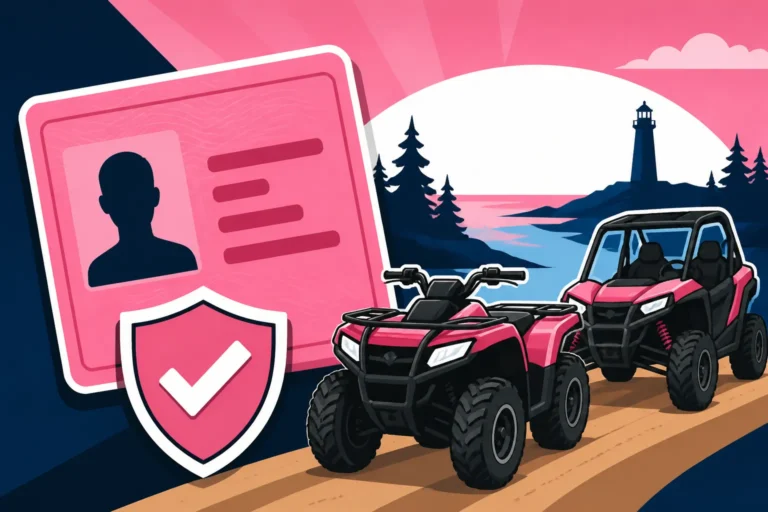
In addition to fees, remember that operating an OHV legally in Nova Scotia requires [Nova Scotia Insurance Requirements for Riders]. You must carry proof of liability insurance, often referred to as your "pink card," whenever you're riding. This is critical for your protection and for complying with provincial laws. Don't let your policy lapse, especially if you store your machine over the winter, as [Storing a Machine Through a Coastal Winter] can sometimes lead to forgotten renewals. Also, ensure you understand [Nova Scotia Helmet Law for Riders] and other safety regulations to stay compliant and safe on the trails.
Why Proper Documentation Protects You
Keeping your OHV documentation in order isn't just about avoiding fines; it's about protecting yourself as an owner. Your Certificate of Registration and Vehicle Permit are proof of legal ownership. If your machine is ever stolen, having proper registration makes it much easier for law enforcement to track and return it to you. Without this documentation, proving ownership can be an uphill battle, especially if the thief tries to register it in another jurisdiction.
Furthermore, accurate registration helps when you eventually decide to sell your OHV. A buyer will want to see clear, legitimate paperwork to ensure they aren't purchasing a stolen machine or one with unresolved ownership issues. Having all your documents in order, including a well-kept bill of sale from your purchase (perhaps one you created using LawDepot), makes your machine more attractive to potential buyers and facilitates a smooth transaction. Finally, being properly registered and insured is a foundational step for enjoying Nova Scotia's incredible network of [Nova Scotia ATV Trails: The ATVANS Network] and ensuring you can partake in [Nova Scotia Road Trails Act Explained] opportunities. Don't cut corners on the paperwork; it's a small investment for a lot of peace of mind.
| Document Type | Purpose | Who Provides/Completes | Cost Implication | Notes |
|---|---|---|---|---|
| Certificate of Registration | Proof of legal ownership/title. Signed over by seller. | Seller signs, Buyer presents | No direct fee for transfer; original owner paid one-time fee | Essential; without it, transfer is impossible. |
| Vehicle Permit | Annual permit to operate machine. Updated with new owner's name. | Access Nova Scotia issues | $13.20 (transfer fee) | Must be renewed annually after transfer. |
| Bill of Sale | Legal record of transaction, price, and details. | Buyer & Seller | No direct fee | Highly recommended for buyer/seller protection and tax verification. |
| Proof of ID | Verifies identity of new owner. | Buyer | No fee | Valid driver's license or government ID. |
| HST (Harmonized Sales Tax) | Sales tax on purchase price. | Buyer pays | Calculated on purchase price | Collected by Access Nova Scotia unless exempt. |
| Infrastructure Fund Levy | Annual contribution to trail maintenance. | Buyer pays | Annual fee | Collected annually along with permit renewal. |
| Insurance Pink Card | Proof of mandatory liability insurance. | Buyer (from insurer) | Annual premium | Required for operation; not paid at registry. |
Disclaimer
This article is for general informational purposes only and does not constitute professional advice. Laws, prices and regulations vary by location and change over time. Consult a qualified professional for guidance on your specific situation.