Why a Renewal Costs the Same as a Transfer
It’s a common head-scratcher for Nova Scotia ATV and UTV owners: you go to renew your annual off-highway vehicle permit, and then a few months later you buy a used machine from a neighbour and have to transfer the ownership, only to find you're paying what seems like the exact same amount for both transactions. It feels a bit odd, almost like you’re paying for the same thing twice, even though the circumstances are entirely different. This guide will walk you through Nova Scotia's off-highway vehicle fee structure, explaining why these seemingly distinct actions carry an identical cost.
Understanding Nova Scotia's OHV Fee Structure
When you first register an off-highway vehicle (OHV) in Nova Scotia, whether it's a brand-new quad from a dealer or a trusty used side-by-side you picked up privately, there are two primary fees that kick in. The first is what's known as the Certificate of Registration fee, and the second is the Vehicle Permit fee. It’s critical to understand the distinction between these two, as this is where the logic behind the identical renewal and transfer costs becomes clear.
The [Nova Scotia Certificate of Registration at $39.80] is essentially a one-time administrative charge. Think of it as the initial cost to get your machine into the provincial system, establishing its legal identity as a registered off-highway vehicle in Nova Scotia. This fee isn't something you'll pay every year or every time the machine changes hands; it’s paid once for the life of that specific OHV in Nova Scotia. Once your machine has a Certificate of Registration, it’s on the books. This is a foundational piece of paperwork for your machine.
The [Nova Scotia Vehicle Permit at $13.20], on the other hand, is the fee that you’ll encounter more frequently. This permit is what allows your machine to be operated legally on designated trails and other authorized areas. It's the operational green light, so to speak. This fee is tied to the privilege of riding for a specific period and is therefore subject to renewal or reissuance when ownership changes. It's the recurring element in the provincial fee landscape for OHVs.
The Cost of Renewing Your Vehicle Permit
Every year, like clockwork, Nova Scotia OHV owners are required to renew their vehicle permit. This ensures that your machine remains legally compliant for use on trails and other permitted areas across the province. You’ll receive a reminder, or perhaps you’re just diligent about marking your calendar, but either way, that annual payment comes due.
When you go to renew, the charge you're paying is specifically for the [Nova Scotia Permit Renewal at $13.20]. This fee covers the administrative cost of issuing a new permit for the upcoming year, updating the provincial records to show your machine is current, and ensuring you have the necessary documentation. It's not a charge for the certificate, which as we discussed, is a one-time thing. Instead, it’s about keeping your operational permit active.
Imagine you've been riding the same trusty ATV for years, exploring the rugged beauty of Cape Breton or the winding trails of the Annapolis Valley. Each year, you pay that permit renewal fee. It's a straightforward transaction: you're maintaining your right to ride that particular machine for another season. The fee structure is designed to be consistent for this annual administrative process, ensuring fairness and predictability for all long-term OHV owners.
The Cost of Transferring Ownership of a Machine
Now, let's consider the scenario where you've just bought a used quad from a private seller, maybe a friend down the road or someone you found through an online marketplace. You've agreed on a price, shaken hands, and now it's time to make it officially yours. This process is called a transfer of ownership, and it also comes with a specific fee.
When you head to an Access Nova Scotia centre to transfer the machine into your name, you'll be paying the [Nova Scotia Transfer of Ownership at $13.20]. What you're essentially doing here is cancelling the previous owner's vehicle permit for that machine and having a new vehicle permit issued in your name. While the Certificate of Registration remains with the machine's VIN, the permit itself needs to reflect the current legal owner. It's a fundamental step to ensure proper accountability and tracking of OHVs in the province.
This is where the role of proper documentation, such as a bill of sale, becomes paramount. While the Registry Office won't necessarily tell you how to draft one, a clear record of the transaction, perhaps using a template from a service like LawDepot, can smooth out the process significantly. It ensures that when you present your paperwork, there's no ambiguity about the change in ownership. Having all your ducks in a row helps the process move along, preventing delays in getting your new permit.
Why a Renewal Costs the Same as a Transfer
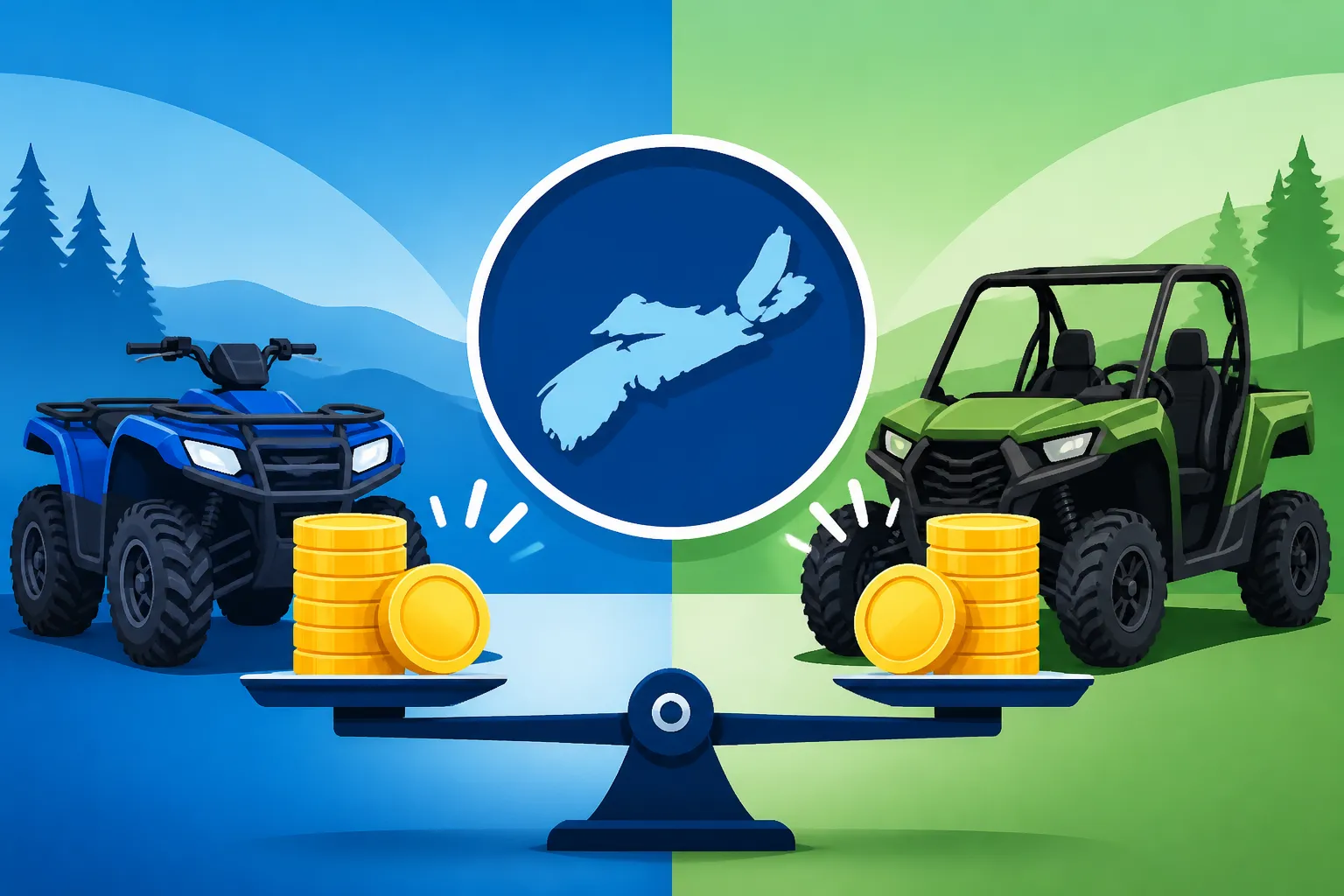
So, why are these two very different actions – renewing your existing permit and getting a new permit after a transfer – priced identically? The simple answer lies in what the Nova Scotia government considers the core administrative task for both. Both transactions involve the processing and issuance of a "Vehicle Permit."
When you renew, the province is updating its records and providing you with a new, valid permit for the upcoming period. It's an administrative update for an existing owner. When you transfer ownership, the process involves cancelling the old permit associated with the previous owner and issuing a brand new permit to the new owner. From an administrative standpoint, the effort and the item being processed are functionally the same: a vehicle permit. The government isn't charging for the act of renewing or transferring as separate, uniquely priced services; they are charging for the issuance of a valid vehicle permit.
It's about the administrative cost associated with maintaining an active, legally recognized permission to operate the OHV. Whether that permission is being extended for another year or being shifted to a new individual, the underlying "permit issuance" activity carries the same administrative value in the eyes of the province. This consistency streamlines the fee structure and makes it straightforward for both riders and the provincial registry staff. For example, if you're dealing with [Nova Scotia Used Machine Paperwork] and using a template from LawDepot for your bill of sale, the focus is always on getting that new permit issued cleanly and correctly.
Let's look at it another way: the $13.20 fee isn't designed to be a "renewal tax" or a "transfer penalty." It's the standard charge for processing and generating a valid vehicle permit document. Whether you're doing an annual update or putting a newly acquired machine on the books, that permit is the end product. This standard pricing avoids the complexity of having multiple tiers for what is, fundamentally, the same outcome from the registry's perspective – a valid, current permit attached to an OHV and its owner. This keeps the [What the Off-highway Vehicle Fee Regulations Charge You] clear and understandable.
For those confused about the bigger picture, remember that the initial [Nova Scotia OHV Registration Cost] you paid the first time you registered the machine included the one-time Certificate of Registration fee. This is separate from the annual permit fee. While the Nova Scotia government collects a separate provincial sales tax (HST) on the purchase price of the machine during registration, this is distinct from the administrative fees we're discussing. You'll definitely want to ensure all your paperwork is in order to avoid a [Nova Scotia Minimum Fine of $250] for an unregistered machine, which can really sting.
Here’s a simple table to illustrate the different fee types and when they apply:
| Fee Type | Purpose | Frequency | Cost (Example) |
|---|---|---|---|
| Certificate of Registration | Initial legal identification of machine | One-time per machine | $39.80 |
| Vehicle Permit | Allows legal operation of machine | Annually | $13.20 |
| Permit Renewal | Extends existing Vehicle Permit for a year | Annually (same as permit) | $13.20 |
| Transfer of Ownership | Issues new Vehicle Permit to new owner | Per transfer of ownership | $13.20 |
| Infrastructure Fund Levy | Supports OHV trail infrastructure | Annually (part of permit) | $40.00 |
Note: The actual amounts listed above are for illustrative purposes based on common fee structures in Nova Scotia and may be subject to change. Always check current figures with Access Nova Scotia.
It’s worth noting that alongside the Vehicle Permit fee, there is often an additional levy for the [Nova Scotia's OHV Infrastructure Fund], which helps maintain and develop trails across the province. This infrastructure levy is usually tied to the annual permit, meaning you'll pay it whether you're renewing or acquiring a new permit via transfer. This additional charge is a vital contribution to the trail network we all enjoy, supporting organizations like the ATVANS. This combined annual figure is sometimes referred to as [Nova Scotia's Combined $53.20 Annual Figure], which includes both the permit and the levy.
So, the next time you're at Access Nova Scotia for a [Nova Scotia ATV Permit Renewal] or [Nova Scotia Registration After a Private Sale], you'll know that the identical fee for the permit isn't a mistake. It’s a consistent administrative charge for keeping your machine legally cleared for the trails. Remember to check the [Nova Scotia Registration Paperwork Checklist] to ensure you have everything you need, whether you're renewing or transferring, to make the process as smooth as possible. For complex private sales, especially those with unique terms, having a robust agreement prepared through a service like LawDepot can provide valuable peace of mind.
Disclaimer
This article is for general informational purposes only and does not constitute professional advice. Laws, prices and regulations vary by location and change over time. Consult a qualified professional for guidance on your specific situation.