What the Off-highway Vehicle Fee Regulations Charge You
Navigating the world of off-highway vehicle (OHV) ownership in Nova Scotia can feel a bit like trying to solve a puzzle with missing pieces, especially when it comes to understanding all the fees involved. It’s easy to get confused about what you pay, when you pay it, and why. This comprehensive guide is designed to demystify the Nova Scotia Off-highway Vehicle Fee Regulations, breaking down every cost so you know exactly what to expect from the moment you consider buying a quad or side-by-side to your annual renewal.
Understanding the Core Fees: Certificate and Permit
When you first dive into registering an ATV or UTV in Nova Scotia, you'll encounter two primary fees that sometimes get conflated, leading to confusion. It's crucial to understand that these are distinct charges, each serving a different purpose, and they are paid at different frequencies. Think of it as setting up your machine's official identity and then getting its annual pass to ride.
The One-Time Certificate of Registration
The Certificate of Registration is essentially your off-highway vehicle's birth certificate, or perhaps its title deed. This is a one-time charge you pay when you first register your machine in Nova Scotia, or when you transfer ownership from one person to another. The Nova Scotia government charges a specific amount for this certificate, and once it’s issued in your name, you typically won't pay it again for that specific machine unless you sell it and then buy it back, or if it changes hands through other means. It establishes your legal ownership and provides the machine with its unique identification within the provincial registry.
Many new riders find this concept a bit perplexing, wondering why there's a "one-time" fee when they've heard about annual costs. The key distinction here is ownership validation. This certificate formally links you to your machine, containing important details like the VIN and your name. It’s a foundational document. You can find more specific details about this particular charge in [Nova Scotia Certificate of Registration at $39.80].
The Annual Vehicle Permit Fee
In contrast to the one-time Certificate of Registration, the Vehicle Permit is an annual fee. This is the recurring cost that keeps your machine legally authorized to operate on Nova Scotia's designated trails and lands where OHVs are permitted. It's like your yearly license plate sticker for a car, signaling that your machine is currently compliant with the provincial regulations for off-highway use. Every year, typically before December 31st, you’ll need to renew this permit to ensure uninterrupted legal riding.
Missing this renewal can lead to complications, including potential fines if you're caught riding an unpermitted machine. While the Certificate establishes ownership, the Permit grants the privilege to operate. Understanding this difference is fundamental to budgeting for your OHV. The cost for this annual permit is fixed and consistent whether it's your first time registering or a subsequent renewal. For more on what this specific fee covers, refer to [Nova Scotia Vehicle Permit at $13.20].
Why They're Separate and What Each Means
The separation of these two fees – the Certificate of Registration and the Vehicle Permit – is designed to clarify the different aspects of OHV regulation. The Certificate focuses on the legal status and transferability of the machine itself, ensuring proper ownership records are maintained. This is vital for things like proving purchase, resolving disputes, and tracking machines for theft or recovery. If you ever need to create a bill of sale or other legal documents, like those available through platforms such as LawDepot, having a clear Certificate of Registration is paramount.
The Vehicle Permit, on the other hand, is about the ongoing privilege of use. It contributes to the administrative costs of maintaining the OHV registry and helps ensure that machines operating in the province are accounted for and meet basic legal requirements. This dual system ensures that both the machine's legal identity and its operational status are regularly updated and accounted for. This structure also facilitates processes like [Nova Scotia Transfer of Ownership at $13.20] or [Nova Scotia Permit Renewal at $13.20] by isolating the costs associated with each specific action.
The Annual Trail Levy: What it Funds and Who Pays
Beyond the basic registration and permit fees, Nova Scotia off-highway vehicle owners also contribute to the province's trail network through an annual trail levy. This charge is often misunderstood, but it plays a critical role in supporting the very infrastructure that makes riding enjoyable for thousands of enthusiasts across the province.
The Purpose of the Infrastructure Fund
The trail levy directly feeds into Nova Scotia's Off-highway Vehicle Infrastructure Fund. This fund is absolutely essential for the development, maintenance, and enhancement of the province's vast network of trails. We're talking about everything from fixing washouts and repairing bridges to ensuring proper signage and creating new connections between communities. Without this dedicated funding, the quality and accessibility of Nova Scotia's OHV trails would significantly decline, impacting everyone who loves to explore the province's rugged beauty by quad or side-by-side. It's an investment in the future of the sport.
Many riders may not realize the extent of the work involved in keeping trails safe and enjoyable, from volunteer club efforts to larger-scale projects requiring heavy equipment. The fund provides vital financial assistance for these initiatives. This specific contribution is an integral part of [Nova Scotia's OHV Infrastructure Fund].
Who is Exempt from the Trail Levy
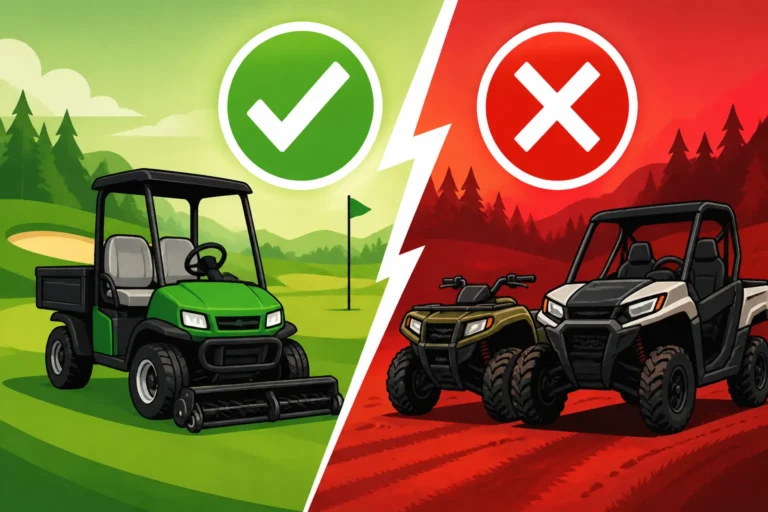
While the trail levy is a cornerstone of OHV funding, certain situations and uses are exempt from this charge. These exemptions are typically in place to prevent undue burdens on individuals who use their OHVs primarily for non-recreational purposes or under very specific conditions. For instance, machines used exclusively for farming or forestry operations often qualify for an exemption, as their primary role is related to essential work rather than leisure riding on managed trails. Similarly, an OHV strictly operated on the owner's private property and not venturing onto public or club trails would generally not be subject to the levy.
It's crucial for owners to understand these specific criteria and ensure they meet all requirements to claim an exemption. Misunderstanding or misrepresenting the use of your machine could lead to complications down the road. Some examples of these exemptions include [Nova Scotia Farmer and Forestry Exemptions] and [Nova Scotia Own-Property Exemption]. There are also specific rules around [Nova Scotia Reserve Land Exemption] and [Nova Scotia Golf Course Operator Exemption].
How the Levy Supports Trails
The funds collected through the annual trail levy are strategically allocated to support various aspects of the OHV trail system. A significant portion of these funds often goes directly to ATV clubs and associations, like the ATV Association of Nova Scotia (ATVANS), which are on the ground, actively maintaining and developing trails. These clubs rely heavily on this funding to purchase materials, rent equipment, and support the tireless efforts of their volunteers. Imagine a key bridge needing repair after a harsh winter, or a new section of trail requiring brushing and grading – the levy helps make these projects possible.
Furthermore, the fund can support provincial initiatives aimed at improving safety, developing new trail policies, and promoting responsible riding practices. It’s a collective contribution that directly translates into tangible improvements and safeguards for the entire OHV community. For riders who wonder [Why the Registry Collects a Trail Levy], this direct impact on trail quality and availability is the primary reason.
Common Scenarios and Associated Costs
Understanding the individual fees is one thing, but seeing how they apply in real-world scenarios makes budgeting and planning much clearer. Whether you're a first-time buyer or a seasoned rider, different situations trigger different combinations of fees.
Registering a New Machine
When you purchase a brand new ATV or UTV from a dealership in Nova Scotia, the registration process usually begins right there. The dealership often handles the initial paperwork as part of the sale, which is a huge convenience. You'll typically pay two main fees at this point: the one-time Certificate of Registration and the annual Vehicle Permit. Additionally, you'll pay the annual trail levy, which is often combined with the permit fee into a single annual charge. Beyond these registration fees, don't forget the harmonized sales tax (HST) on the purchase price of the machine itself, which is paid at the time of sale. The dealer will collect this tax and remit it to the government, making sure your machine is properly taxed before it even leaves the lot.
For example, if you were to pick up a shiny new side-by-side, the dealer would facilitate the paperwork for your [Nova Scotia Certificate of Registration at $39.80] and your [Nova Scotia Vehicle Permit at $13.20], plus the annual trail levy, for a combined yearly figure that often rounds out to [Nova Scotia's Combined $53.20 Annual Figure]. They'll also ensure all the HST is collected. It's worth asking your dealer exactly what's included in their "out-the-door" price to avoid any surprises.
Buying Used: Transfer of Ownership and Tax
Purchasing a used machine from a private seller introduces a slightly different set of considerations, particularly regarding the transfer of ownership and the payment of tax. When you buy a used OHV, you are responsible for transferring the Certificate of Registration into your name. This incurs the transfer of ownership fee, which is the same as the annual Vehicle Permit fee, but it's specifically for the administrative task of changing the owner on the existing certificate. You will also need to pay the annual Vehicle Permit fee and the trail levy for the current year if they are due or not already paid by the previous owner. Crucially, you are also responsible for paying HST on the declared purchase price of the used machine. This tax is collected by Access Nova Scotia when you register the machine. Even if you're using a simple bill of sale template, perhaps from a service like LawDepot, ensuring the purchase price is accurately declared is essential.
It’s not uncommon for buyers to forget about the tax component or underestimate it, leading to a surprise at the registry. Always factor in the HST on the used purchase price. This is a critical step in [Nova Scotia Registration After a Private Sale]. If you acquire a machine that has no previous paperwork, the process can become a bit more involved, requiring a declaration of previous ownership or a bill of sale, and often still incurring the same tax liability on its assessed value. Remember, even if a machine is inherited or gifted, tax might still be applicable based on fair market value, so it's best to be prepared for [Nova Scotia Tax on a Private ATV Sale].
Renewing Your Annual Permit
Once your OHV is registered, the most common recurring cost you'll face is the annual renewal of your Vehicle Permit. This process is straightforward and involves paying the permit fee and the trail levy for the upcoming year. Unlike the initial registration of a new machine or a transfer, there's no Certificate of Registration fee involved in a standard renewal because your ownership record is already established. You can typically renew your permit at an Access Nova Scotia centre.
It’s easy to let the renewal slip your mind amidst other responsibilities, but riding with an expired permit can lead to fines. Many riders set a reminder for late November or early December to ensure they're covered for the new year. The cost for this is consistent with the annual Vehicle Permit fee mentioned earlier. For more details on this process, you can refer to [Nova Scotia ATV Permit Renewal].
Here's a quick overview of the typical fees in various scenarios:
| Scenario | Certificate of Registration (One-time) | Vehicle Permit (Annual) | Trail Levy (Annual) | Transfer of Ownership Fee | HST on Purchase Price |
|---|---|---|---|---|---|
| New Machine Purchase | Yes ($39.80) | Yes ($13.20) | Yes | No | Yes (on new machine price) |
| Used Machine Private Sale | Yes (already paid by previous owner) | Yes ($13.20) | Yes | Yes ($13.20) | Yes (on declared sale price) |
| Annual Renewal | No | Yes ($13.20) | Yes | No | No |
| Duplicate Permit | No | No | No | No | No |
Note: The Trail Levy is generally combined with the Vehicle Permit fee, making the total annual figure for the permit and levy around $53.20, but the component charges are distinct.
Navigating Exemptions and Special Circumstances
The Nova Scotia OHV Fee Regulations aren't a one-size-fits-all set of rules. There are specific exemptions and provisions for various circumstances, acknowledging that not all OHV use is recreational, and sometimes paperwork gets lost or damaged. Understanding these can save you time, money, and headaches.
Exemptions for Commercial and Farm Use
For many Nova Scotians, an ATV or UTV isn't just a toy; it's a vital piece of equipment for their livelihood. Farmers, fishers, and those involved in forestry often rely on these machines for daily tasks, from checking fences in a remote pasture to hauling supplies through a woodlot. Recognizing this, the regulations provide specific exemptions for machines used exclusively for these commercial or agricultural purposes. If your OHV is solely employed for work on your farm, woodlot, or in a commercial fishing operation, it may be exempt from certain registration requirements, particularly the annual trail levy.
However, these exemptions come with strict conditions. The machine's use must be genuinely and exclusively tied to the exempt activity, and you may need to provide proof of this. Using a "work" machine for a weekend trail ride would negate the exemption and require full registration and fees. It's always best to clarify your situation with Access Nova Scotia to ensure compliance. More details can be found under [Nova Scotia Farmer and Forestry Exemptions].
Riding on Your Own Property
One common question among OHV owners is whether they need to register and permit their machine if they only ever ride it on their own private land. Generally, if your ATV or UTV never leaves your privately owned property and doesn't venture onto public trails, roads (even road trails), or Crown land, it may not require registration or a permit. This is often referred to as the "own-property exemption." It’s based on the premise that the regulations primarily govern the use of OHVs in public spaces or on designated networks where the provincial government has jurisdiction.
However, this exemption comes with a significant caveat: "never leaves your property" means never. Even a short trip across a neighbour's field (without permission), or a quick jaunt down a municipal road to access another part of your property, could put you in violation if your machine isn't registered and permitted. This is why many owners, even those primarily riding on private land, opt to register their machines for peace of mind, especially if there's any chance they might occasionally use it beyond their boundaries. The specifics are often covered in [Nova Scotia Own-Property Exemption].
Special ID Numbers and Duplicate Documents
Sometimes, machines, especially older ones or those that have seen a tough life, might have missing or illegible Vehicle Identification Numbers (VINs). This poses a challenge for registration, as the VIN is fundamental to tracking the machine. In such cases, Access Nova Scotia can issue a Special ID Number. This process involves verifying the machine's identity to the best of their ability and assigning a new, provincial identification number, ensuring that even machines without a factory VIN can be legally tracked and registered. There is a small fee associated with obtaining one of these unique identifiers.
Similarly, life happens. Documents get lost, damaged, or misplaced. If your Certificate of Registration or Vehicle Permit goes missing, you can apply for duplicate documents. This ensures you always have the necessary proof of ownership and a valid permit on hand. While there's a small administrative fee for these duplicates, it's a small price to pay for compliance and peace of mind. For more on these, you might look into [Nova Scotia Special ID Numbers at $2.30] or [Nova Scotia Duplicate Permits at $13.20]. When dealing with these administrative tasks, having accurate records is crucial, and services like LawDepot can assist in creating declarations or affidavits if original documents are truly missing.
Where Your Money Goes: Supporting Nova Scotia's OHV Network
It’s natural to wonder what happens to all those fees you pay. It’s not just money disappearing into a provincial black hole; these funds are strategically channeled back into the OHV ecosystem, directly supporting the infrastructure and administrative services that benefit every rider.
The Role of the OHV Infrastructure Fund
As touched upon earlier, a significant portion of the fees, specifically the annual trail levy, is dedicated to the Nova Scotia Off-highway Vehicle Infrastructure Fund. This fund is the lifeblood of the province's trail network. It directly supports the construction of new trails, the vital maintenance of existing ones (think bridge repairs, culvert replacements, and trail grooming), and signage that keeps riders safe and on track. Without this pooled resource, it would be impossible for local clubs and volunteers to maintain the expansive network of trails that Nova Scotia is famous for. This is especially important in a province with diverse terrain and weather challenges that constantly impact trail conditions.
Every dollar contributed helps ensure that the riding experience remains enjoyable, safe, and accessible for everyone, from seasoned adventurers to families enjoying a weekend outing. The health of our trails is directly tied to the health of this fund. Understanding [Why the Registry Collects a Trail Levy] truly highlights the collective benefit.
Administrative Costs at Access Nova Scotia
Beyond the direct trail funding, a portion of the registration and permit fees also covers the administrative costs incurred by Access Nova Scotia. These are the operational expenses associated with processing thousands of registrations, renewals, and transfers each year. This includes staffing at service centres, maintaining the provincial OHV registry database, printing and issuing documents, and providing customer support. It ensures that the system for recording ownership and permitting machines runs smoothly and efficiently.
When you walk into an Access Nova Scotia centre, or call their OHV line, the staff who assist you with your paperwork, answer your questions, and ensure your compliance are supported by these fees. It’s a necessary overhead to keep the entire regulatory framework functional and accessible for Nova Scotians. For those who need assistance, knowing [Calling the OHV Line for Help] is supported by these funds can be reassuring.
Ensuring Fair Collection and Compliance
Finally, the fee structure helps ensure fair collection and compliance across the board. By standardizing fees and making the process transparent, the regulations aim to treat all OHV owners equitably. The requirement for registration and permits also supports enforcement efforts. When officers are on patrol, verifying that machines are properly registered and permitted helps deter illegal riding, protect natural resources, and ensure that those who are benefiting from the trail network are contributing their fair share.
This compliance mechanism is crucial for the long-term sustainability of OHV riding in Nova Scotia. It underpins the ability of authorities to manage the sport responsibly, mediate disputes, and enforce safety standards. The consequence of not complying can be significant, as detailed in [Nova Scotia Fines for an Unregistered Machine], which demonstrates the seriousness of these regulations. Whether you're filling out a form manually or generating one through a platform like LawDepot, the underlying principle is always about clear documentation and adherence to provincial guidelines.
Disclaimer
This article is for general informational purposes only and does not constitute professional advice. Laws, prices and regulations vary by location and change over time. Consult a qualified professional for guidance on your specific situation.