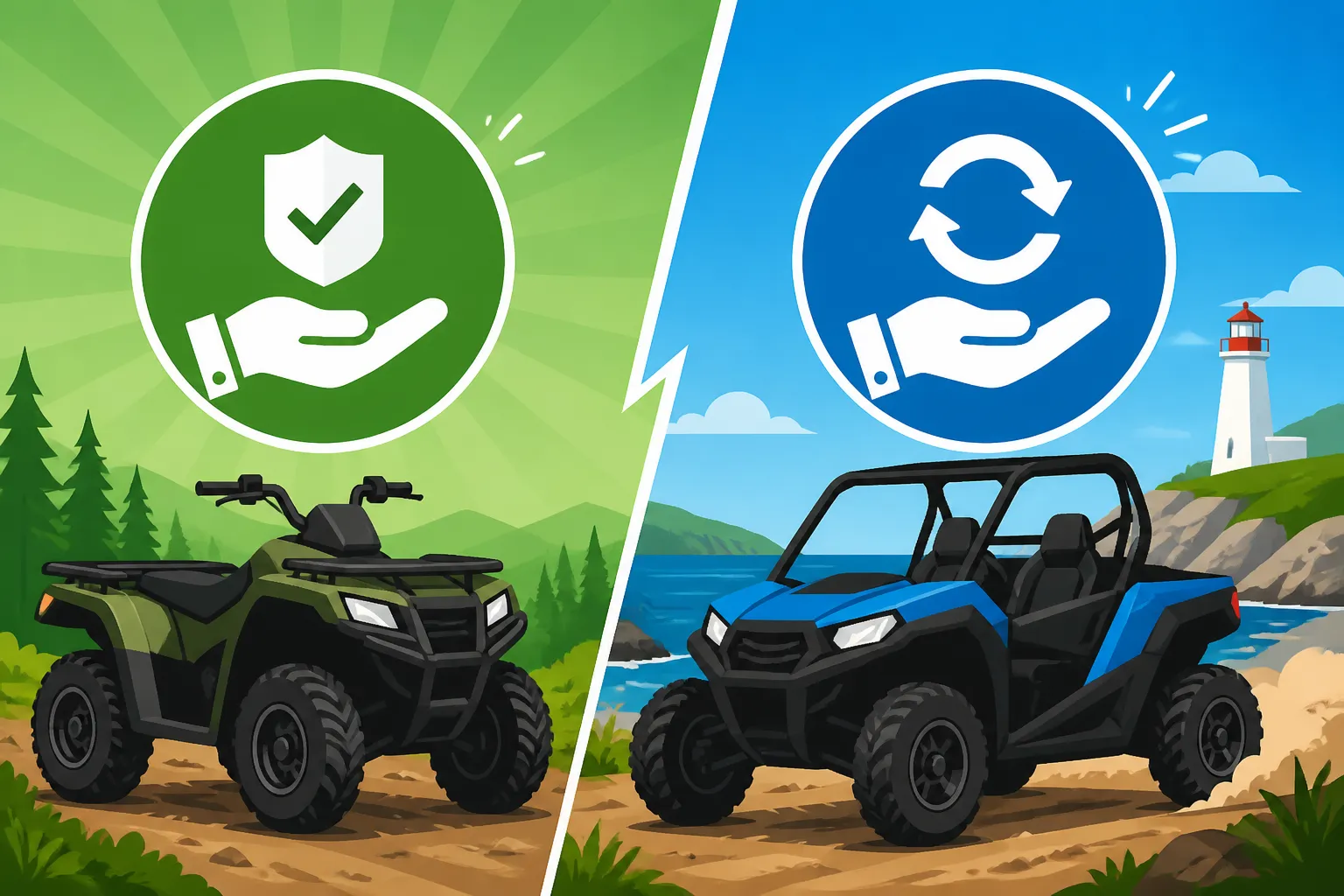
One Fee Paid Once, Another Paid Every Year
It can be incredibly confusing trying to figure out all the different costs associated with owning an ATV or UTV in Nova Scotia. Many riders get bogged down by the distinct fees, wondering which ones are annual renewals and which are one-and-done charges. This guide is here to clear up that common frustration, breaking down the specific registration fees you’ll encounter so you know exactly what to budget for and why.
Unpacking Nova Scotia's OHV Registration Costs
When you bring a new-to-you off-highway vehicle (OHV) into your life in Nova Scotia, whether it's a zippy ATV or a robust side-by-side, there's more to the cost than just the purchase price. The province has a structured system of fees designed to ensure responsible ownership and to support the trails we all enjoy. Understanding these distinct charges is the first step in being a compliant and happy rider.
The Core Distinction: One-Time vs. Annual Fees
This is often where the biggest head-scratching happens. You might hear about a "registration fee" and an "annual permit" and wonder if they're the same thing or two separate bills. They are indeed distinct, and knowing the difference is crucial for proper budgeting. One is a foundational charge that links your machine to its original paperwork, a sort of permanent record, while the other is a recurring fee that keeps your riding privileges current each year. Think of it like buying a house versus paying your yearly property taxes – very different purposes and schedules.
Why These Fees Exist
These fees aren't just arbitrary charges; they serve specific purposes within the province's OHV framework. The initial registration fee is about establishing a legal record of ownership for your specific machine. It's how the government tracks ATVs and UTVs, much like how they track cars and trucks. The annual permit, on the other hand, is about maintaining that legal status and contributing to the ongoing management of off-highway vehicle use. A significant portion of these fees, particularly the annual ones, often goes directly into funds that help maintain and develop the very trails we all love to ride. It's a system designed to ensure safety, accountability, and a sustainable trail network for everyone. For a deeper dive into what these fees generally cover, you might want to read about [What the Off-highway Vehicle Fee Regulations Charge You].
The Certificate of Registration: A Lifetime Link to Your Machine
When you first register an OHV in Nova Scotia, one of the primary documents you receive is the Certificate of Registration. This isn't just a piece of paper; it's the foundational legal document that establishes your ownership of that specific machine. It's a one-time charge, intended to cover the administrative cost of creating this permanent record.
What the Certificate Represents
Think of the Certificate of Registration as your off-highway vehicle's birth certificate, or perhaps its title deed. It records the machine's unique Vehicle Identification Number (VIN) and formally links it to you, the owner. This document is crucial for proving ownership, especially if you ever need to sell the machine, report it stolen, or resolve any disputes. It stays with the machine throughout its lifespan, even if ownership changes hands multiple times. When you sell it, you'll endorse this certificate over to the new owner, much like a vehicle title. Without it, verifying the legitimate ownership of a used machine can become quite a headache for future buyers.
When and How You Pay This Fee
You pay the fee for the Certificate of Registration when you initially register your OHV. This typically happens at an Access Nova Scotia centre or service point. For a brand new machine purchased from a dealer, they often handle this initial registration paperwork on your behalf, rolling the fee into your purchase. If you're buying a used machine privately, you'll be responsible for bringing the necessary documentation, including the previous owner's signed-over certificate, to Access Nova Scotia to complete the transfer and pay this one-time fee to put the machine in your name. This is also where any applicable sales tax, like HST, would be assessed on the purchase price, unless already paid. Ensuring you have all your ducks in a row for [Nova Scotia Used Machine Paperwork] will make this process much smoother.
When This Fee Doesn't Apply (Exemptions)
While most OHVs require this Certificate of Registration, there are some specific scenarios where exemptions might apply. These are generally tied to the machine's intended use or the land it operates on. For example, machines used exclusively for certain types of farm work or forestry operations on private land might fall under an exemption. Similarly, some machines operated solely on a golf course by the operator, or on First Nation reserve land, may not require this certificate. It's important to understand that these exemptions are usually very specific and don't mean you can just ride anywhere without any paperwork. Always check the exact regulations to see if your situation genuinely qualifies. For instance, you could look into [Nova Scotia Farmer and Forestry Exemptions] or [Nova Scotia Own-Property Exemption] to see if your circumstances fit.
The Annual Vehicle Permit: Your Green Light to Ride
Separate from the one-time Certificate of Registration, Nova Scotia requires an annual Vehicle Permit for your off-highway vehicle. This is the fee you'll pay every single year to keep your machine legally operable on designated trails and permissible areas across the province.
The Purpose of the Annual Permit
The annual Vehicle Permit serves as your yearly permission slip to ride. It confirms that your machine is officially recognized by the province for the current riding season. Beyond simply keeping you compliant, the funds collected from these annual permits play a vital role in supporting the province's OHV infrastructure. This includes things like trail development, maintenance, and safety programs. It's your contribution to the broader OHV community, helping to ensure that well-maintained and safe places to ride are available year after year. Without a current permit, your machine is considered unregistered for the year, and riding it can lead to significant penalties.
How This Fee Renews Each Year
Unlike the Certificate of Registration, which is a one-time administrative charge, the Vehicle Permit must be renewed annually. You'll receive a renewal notice, usually by mail, reminding you that your permit is coming due. You can typically renew your permit online, through mail, or by visiting an Access Nova Scotia centre. It’s a straightforward process, but it's easy to forget if you're not used to annual renewals for your specific type of vehicle. Many riders find it helpful to set a reminder for themselves so they don't accidentally let their permit lapse. Keep in mind that a permit renewal often costs the same as a transfer of ownership fee, even though the processes are different. For more details on this, check out [Nova Scotia Permit Renewal at $13.20].
Consequences of Lapsing on Your Permit
Letting your annual Vehicle Permit expire isn't just a minor oversight; it carries real consequences. Riding an OHV without a valid, current permit is akin to driving a car with expired plates – it's considered operating an unregistered vehicle. Law enforcement officers have the authority to stop you and issue fines. These fines are not insignificant and can quickly add up. Beyond the financial penalty, riding unregistered means you're not contributing to the provincial OHV fund, and you could potentially face issues with insurance coverage if an incident occurs while your permit is lapsed. It's simply not worth the risk. To understand the potential financial repercussions, you might want to read about [Nova Scotia Fines for an Unregistered Machine].
The OHV Infrastructure Fund Levy: Building Better Trails
Alongside your annual Vehicle Permit, most off-highway vehicle owners in Nova Scotia will also contribute to the Off-highway Vehicle Infrastructure Fund through a specific levy. This isn't just another charge; it's a direct investment into the trails and facilities that make riding in Nova Scotia such a fantastic experience.
What the Levy Supports
The Off-highway Vehicle Infrastructure Fund is exactly what it sounds like: a dedicated fund for improving and maintaining the infrastructure that OHV riders use. This levy helps to fund things like:
- Trail Development: Creating new trails and expanding existing networks.
- Trail Maintenance: Ensuring trails are safe, clear, and well-groomed, especially after harsh weather or heavy use.
- Bridge and Culvert Repair: Maintaining critical crossings to keep trails accessible.
- Signage: Providing clear and consistent signage for navigation and safety.
- Staging Areas and Parking: Creating convenient access points for riders.
Essentially, this levy is what helps transform old rail beds into multi-use corridors and ensures that the breathtaking natural beauty of Nova Scotia remains accessible to OHV enthusiasts. It's a tangible way your registration fees directly benefit the riding community. Want to know more about the fund? Check out [Nova Scotia's OHV Infrastructure Fund].
Who Contributes and Who Is Exempt
The vast majority of OHV owners who register their machines in Nova Scotia will pay this annual levy. It's a widespread contribution from the riding community to support their shared passion. However, there are specific exemptions, similar to those for the Certificate of Registration, usually tied to the machine's primary use or location. For instance, machines used strictly for certain agricultural purposes on private property, or those operating exclusively on First Nation reserve lands, might be exempt. It's designed to ensure that those who are primarily using the public or club trail networks contribute to their upkeep. If you believe your machine might be exempt, it's crucial to verify this with Access Nova Scotia, as exemptions are typically narrowly defined. A good resource for understanding these specific situations is [Who the Levy Does Not Apply To].
Why It's Often Combined with Your Annual Permit
You'll usually find that the Off-highway Vehicle Infrastructure Fund Levy is charged at the same time as your annual Vehicle Permit. This combination simplifies the collection process for both the provincial government and the OHV owner. Instead of receiving two separate bills or making two distinct payments, these two annual charges are often bundled together. This makes it easier to ensure compliance and provides a steady, predictable stream of funding for the trail network. So, when you pay your annual "registration renewal," remember you're not just renewing your permit; you're also chipping in for the upkeep and expansion of Nova Scotia's incredible OHV trails. Many riders refer to a combined annual figure, which incorporates both these charges, as their yearly cost.
Beyond the Basics: Other Potential Registration-Related Costs
While the Certificate of Registration and the annual Vehicle Permit, along with the Infrastructure Fund Levy, form the core of your OHV costs, there are other financial considerations that might pop up depending on your circumstances. It's wise to factor these into your overall budget.
Transfer of Ownership and Duplicate Permits
Life happens, and sometimes you need to update your paperwork. If you sell your ATV or UTV, or if you purchase a used one from a private seller, you'll need to process a [Nova Scotia Transfer of Ownership at $13.20]. This administrative fee ensures the machine's ownership records are updated accurately with the province. Similarly, if your original Certificate of Registration or Vehicle Permit gets lost, damaged, or stolen, you'll need to apply for a duplicate. There's usually a modest fee for issuing [Nova Scotia Duplicate Permits at $13.20] to cover the administrative costs. These aren't annual fees, but rather transactional ones that you might encounter periodically.
Harmonized Sales Tax (HST) on Your Purchase
This is a significant cost that many people don't fully factor into their initial budget for an OHV. When you purchase an ATV or UTV in Nova Scotia, whether new from a dealer or used from a private seller, you are generally subject to Harmonized Sales Tax (HST). The tax rate applies to the purchase price of the machine. If you buy from a dealer, they will collect the HST at the point of sale. If you purchase privately, the HST is typically collected at the Access Nova Scotia counter when you register the machine in your name. They will ask you to declare the purchase price, and the tax will be calculated based on that amount. Always factor this into your budget, as it can add a substantial amount to your initial outlay. For more information, you can research [Nova Scotia HST on an ATV Purchase] to understand how this tax is applied.
Insurance: An Essential Annual Outlay
While technically not a "registration fee," liability insurance is a mandatory requirement for operating an OHV in Nova Scotia. This is an annual cost that you absolutely cannot overlook. The province requires a minimum amount of third-party liability coverage to protect you in case you are found responsible for an accident that causes injury or damage to others or their property.
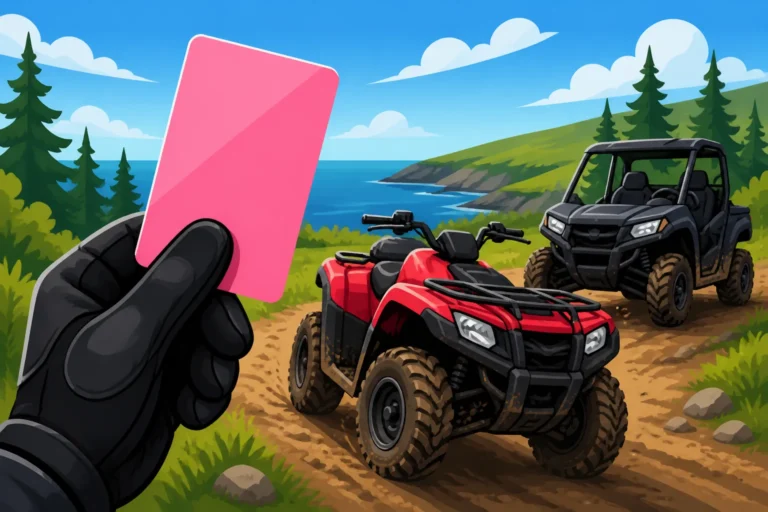
It's crucial to understand that while your registration ensures your machine is legally recognized, insurance provides financial protection. You'll typically need to show proof of valid insurance (often called a "pink card") when registering your machine and you should carry it with you when riding. Different insurance providers offer various policies, and costs can vary based on the machine type, your riding experience, and your claims history. It's always a good idea to shop around and get quotes. Many financial document services like LawDepot can help you generate comprehensive bills of sale or even rental agreements if you plan to lease out a business machine, but they won't handle your insurance directly. For details, look up [Nova Scotia Insurance Requirements for Riders].
Navigating the Registration Process: Steps and Documentation
Now that you understand the different fees, let's talk about the practical side of getting your OHV properly registered. The process isn't overly complicated, but it does require attention to detail and having the right paperwork in order.
Where to Go and What to Bring
The primary place to handle your OHV registration in Nova Scotia is an Access Nova Scotia centre. These provincial service points are equipped to process new registrations, transfers, and renewals. Before you head out, it's always a good idea to check their website or call ahead to confirm their operating hours and exactly what documents you'll need, as specific requirements can sometimes vary or be updated.
Generally, you'll need to bring:
- Proof of Identity: A valid driver's license or other government-issued ID.
- Proof of Ownership: This is critical. For a new machine, you'll have a Statement of Origin or New Vehicle Information Statement (NVIS) from the dealer. For a used machine, you'll need the previous owner's Certificate of Registration, properly signed over to you.
- Bill of Sale: A detailed bill of sale, especially for private purchases, clearly stating the purchase price, date, and signatures of both buyer and seller. This is where a customizable template from a service like LawDepot can be incredibly useful to ensure all necessary details are captured legally.
- Proof of Insurance: Your "pink card" or another document showing current liability insurance coverage.
- Payment for Fees and Tax: Be prepared to pay the Certificate of Registration fee, the annual Vehicle Permit fee, the Infrastructure Fund levy, and any applicable HST.
Having everything organized beforehand will save you a lot of time and potential frustration at the counter. For a comprehensive list, consult the [Nova Scotia Registration Paperwork Checklist].
Special Considerations for Used Machines
Buying a used ATV or UTV can be a fantastic way to get into the sport, but it often comes with a few extra steps in the registration process. The most important thing is securing the previous owner's original Certificate of Registration. This document is the legal title, and without it, transferring ownership can become significantly more difficult, sometimes requiring statutory declarations or even special investigations.
Before you hand over any money, always ensure the VIN on the machine matches the VIN on the Certificate of Registration. It's also a good practice to use a formal bill of sale. A robust bill of sale, easily created using platforms like LawDepot, can protect both buyer and seller by clearly outlining the terms of the sale, the purchase price, and confirming the machine's condition at the time of sale. This document is also vital for the tax assessment when you register. If you’re buying from a private seller, be sure to review [Nova Scotia Registration After a Private Sale].
Keeping Your Paperwork in Order
Once your OHV is registered and all fees are paid, it’s essential to keep your paperwork in order. You should always carry a copy of your current Vehicle Permit and proof of insurance (your pink card) with you when you ride. This isn't just a suggestion; it's a legal requirement. An officer may ask to see these documents during a trailside stop. The Certificate of Registration itself, being a one-time document, should be stored safely at home in case you need it for future reference or when you eventually sell the machine. Having a dedicated folder for all your OHV documents – registration, insurance, bill of sale, and even maintenance records – can be a lifesaver. Properly managed documents, including a well-drafted private sale agreement from a resource like LawDepot, ensure you're always ready for anything.
Disclaimer
This article is for general informational purposes only and does not constitute professional advice. Laws, prices and regulations vary by location and change over time. Consult a qualified professional for guidance on your specific situation.