Why Two Pages Disagree on Price
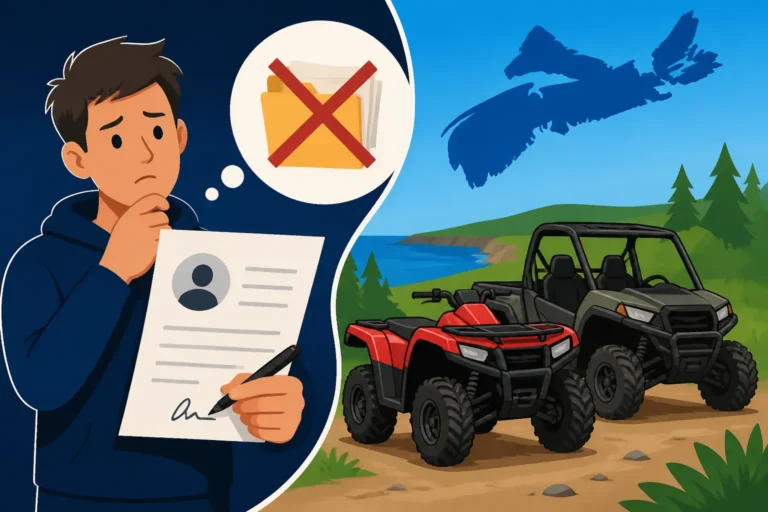
It can be incredibly frustrating to be ready to register your ATV or UTV in Nova Scotia, only to find conflicting information online about how much it’s actually going to cost you. You’ve probably seen various figures floating around on different government pages, forums, or even old blog posts, leaving you scratching your head and wondering which number is the right one. This guide is here to untangle that confusion, explain why these discrepancies exist, and show you exactly how to find the most up-to-date and accurate registration fee information for your off-highway vehicle.
Understanding the Root of the Confusion: Multiple Fees and Outdated Information
One of the biggest reasons why you might see different price tags for ATV and UTV registration in Nova Scotia is that there isn't just one single fee. Instead, you're actually paying a combination of a few different charges, some of which are one-time and others that recur annually. When one page quotes one aspect of the cost and another focuses on a different part, it can quickly become a muddy mess of numbers. Compounding this issue is the fact that regulations and fees, just like everything else, can change over time. What was accurate a few years ago might not be accurate today, and some websites just aren't as quick to update as others.
The Two Core Fees You'll Encounter
At its heart, Nova Scotia's OHV registration structure involves two primary components: a Certificate of Registration and a Vehicle Permit. Think of them as your machine's birth certificate and its annual license plate sticker, even though we don't use physical plates here. Each of these has its own associated fee, and understanding which is which is crucial. Many online sources might quote only one of these, or combine them in different ways, leading to the impression that prices are wildly inconsistent. For instance, some might just talk about the annual fee, while others mention the initial "setup" cost. We'll dive deeper into each of these shortly.
The Impact of Legislative Changes
Laws and regulations are not static, especially concerning things like off-highway vehicles, which have seen increased use and attention in recent years. The province periodically reviews and amends its Off-highway Vehicles Act and associated fee regulations. These changes can directly impact the amounts you pay for registration and permits. A perfect example of this is how fees were last updated, which might be why you see references to different figures depending on when the information was published. A page might still be referencing rules from before the latest amendments, or even [A Government Page Frozen in 2008], which would naturally lead to discrepancies. It's not uncommon for government websites themselves to have slightly different versions or summaries that aren't perfectly aligned, especially if one is an overview and another is a detailed regulation document. This makes it challenging for a rider just trying to get their machine on the trails legally.
Dissecting Nova Scotia's OHV Registration Costs
To truly understand why various pages might disagree, we need to break down the actual costs involved. It's not a single, flat fee but rather a layered structure designed to cover different aspects of OHV management, safety, and infrastructure. Understanding each piece helps to clarify the overall picture and makes it easier to spot outdated or incomplete information. Essentially, you'll be dealing with an initial set of fees and then an annual renewal fee. This is a common point of confusion, as people often forget there's [One Fee Paid Once, Another Paid Every Year].
The One-Time Certificate of Registration Fee
When you first register an off-highway vehicle in Nova Scotia, whether it’s brand new or a used machine you just bought from a neighbour, you'll pay a fee for the Certificate of Registration. This is your official proof that the machine is "on the books" with the province. Think of it as establishing the initial record of ownership. This fee is typically a one-time charge for that specific machine and owner combination. Once paid, you generally won't pay it again for the same machine unless there's a significant change in ownership that requires re-registration, like selling it to someone new. This initial fee contributes to the administrative costs of setting up and maintaining the provincial registry for OHVs. The exact amount of this fee has been stated historically, for example, as the [Nova Scotia Certificate of Registration at $39.80].
The Annual Vehicle Permit Fee
Beyond the initial registration, every off-highway vehicle that you plan to operate needs an annual Vehicle Permit. This permit is what allows you to legally operate your machine each year. It's a recurring cost, much like your car's annual sticker. You'll need to renew this permit periodically, usually once a year. This is the fee that contributes to the ongoing management of OHV activity, and it’s distinct from the one-time certificate fee. The Nova Scotia Off-highway Vehicle Regulations stipulate this charge, and it's a critical part of maintaining your legal status as an operator. Historically, this fee has been described as the [Nova Scotia Vehicle Permit at $13.20] for new permits, and the [Nova Scotia Permit Renewal at $13.20] for renewals, highlighting that the cost often stays consistent. It's important to keep track of its expiry date to ensure continuous compliance.
The OHV Infrastructure Fund Levy
Beyond the two main fees, there's another important component to Nova Scotia's OHV cost structure: the Off-highway Vehicle Infrastructure Fund levy. This is a crucial part of what [What the Off-highway Vehicle Fee Regulations Charge You] includes. A significant portion of the fees collected from OHV registration goes directly into this fund, which is then used to support the development, maintenance, and enhancement of trails across the province. This includes funding for local clubs, signage, bridges, and other vital infrastructure that makes riding possible and enjoyable. This levy applies to most OHV owners, though there are specific [Nova Scotia Infrastructure Fund Exemptions] for certain machines, such as those used primarily for farming or forestry on private land. This trail levy helps explain [Why the Registry Collects a Trail Levy] and ensures that the sport has a sustainable future in Nova Scotia. When you see a "combined" annual figure, like [Nova Scotia's Combined $53.20 Annual Figure], it’s often these various components added together for a complete picture.
Navigating Information Sources: Where to Find Accurate Figures
Given the potential for discrepancies, it's vital to know where to look for the most reliable and current information regarding Nova Scotia's ATV and UTV registration fees. Relying on outdated sources can lead to frustration, delays at the registry counter, or even fines if you're caught operating without proper registration.
Official Government Channels: Your Best Bet
When it comes to official fees and regulations, the provincial government's official websites are always your most accurate source. Specifically, look for information directly from Access Nova Scotia or the Department of Public Works (which oversees the registry). These pages are updated with legislative changes and are designed to provide the public with the correct figures. While even government sites can sometimes have a delay in updating all pages simultaneously, the specific fee regulations or the main Access Nova Scotia registration pages are usually the most current. You might find explicit details on [Nova Scotia OHV Registration Cost] directly on these sites. It’s also a good idea to check for announcements about regulation changes, such as the [Nova Scotia Fee Regulations Updated April 2026], which would explain any recent shifts in pricing. When preparing documents, services like LawDepot can help ensure you have the correct forms for a private sale, but for the most current fees themselves, the official government channels are key.
Community Forums and Older Resources: Proceed with Caution
While online forums, social media groups, and older blogs can be fantastic resources for rider tips, trail advice, and connecting with the community, they should always be treated with caution when it comes to specific legal requirements and fees. What one rider posted a few years ago, or even last season, might no longer be accurate. Regulations change, and fees can be adjusted. It's common to find a post from a decade ago that talks about prices that are now entirely different. So, while these community spaces are great for general discussion, always cross-reference any fee-related information with official sources before you head to the [Registry Counter or Service Centre: Where to Register]. Even a well-meaning friend might be giving you information based on their experience from a different province or from several years back, which again, won't line up with what you'll encounter today.
Steps to Verify Current Fees and Avoid Surprises
To avoid the frustration of finding out you've budgeted incorrectly or are missing vital information, it's always best to be proactive. Getting the definitive answer for current fees before you embark on the registration process will save you time, stress, and potentially another trip to Access Nova Scotia.
Preparing for Your Visit to Access Nova Scotia
Before you even step foot into an Access Nova Scotia centre, or finalize any paperwork like a bill of sale (which you can generate using resources like LawDepot), it’s smart to confirm the current fees. The most direct way to do this is to visit the official Access Nova Scotia website or, if you prefer a human touch, call their dedicated OHV line. They can provide you with the exact figures for the one-time Certificate of Registration fee, the annual Vehicle Permit fee, and any associated levies for the current year. They can also clarify any exemptions or specific situations that might apply to you, such as registering a used machine or a specialized vehicle. Asking these questions upfront will clarify any lingering confusion from conflicting online information.
Gathering the Right Paperwork
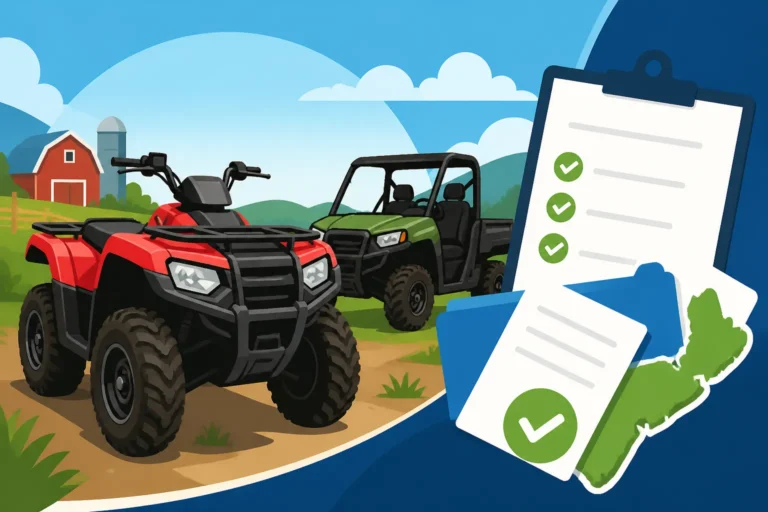
Beyond the fees themselves, having all your ducks in a row with your paperwork is crucial for a smooth registration process. Whether you're registering a new machine from a dealer or one you just bought privately, you'll need specific documents. This typically includes proof of ownership (like a bill of sale or previous registration papers), identification, and proof of insurance. Services like LawDepot can be invaluable for drafting a clear and legally sound bill of sale for private transactions, ensuring all necessary details are included. Having an accurate and complete bill of sale, for example, is critical for establishing the value upon which sales tax will be collected, and for proving previous ownership. Without the right paperwork, even if you have the exact cash for the fees, your registration can't proceed. Make sure you understand all the documentation required, as sometimes pages disagree not just on price, but also on what paperwork is absolutely essential, which can further compound the headache. Don't forget, if you're new to the province, you might also be looking at [Nova Scotia Registration for a New Resident], which could have its own set of requirements.
| Fee Type | Description | Frequency | Common Online Discrepancy Reason |
|---|---|---|---|
| Certificate of Registration | Initial record of ownership for a machine | One-Time | Often confused with annual permit, or omitted from "annual cost" listings |
| Vehicle Permit | Annual authorization to operate the machine | Annual | Outdated annual figures, or listed without the one-time fee |
| OHV Infrastructure Levy | Contribution to provincial trail development/maintenance | Included in Annual Permit | Exemptions might lead to varied figures, or older figures might not include it |
| Harmonized Sales Tax (HST) | Sales tax on the purchase price of the machine | One-Time (at purchase/registration) | Rate changes over time (e.g., [Nova Scotia HST on an ATV Purchase]), or omitted from "registration cost" figures |
Disclaimer
This article is for general informational purposes only and does not constitute professional advice. Laws, prices and regulations vary by location and change over time. Consult a qualified professional for guidance on your specific situation.