Who Is Exempt From Nova Scotia’s $40 Trail Levy
It's no secret that owning an off-highway vehicle (OHV) in Nova Scotia comes with its share of rules, and sometimes, those rules can feel a bit like a tangled mess of red tape. One of the most common questions I hear from fellow riders and aspiring quad owners is about the infamous trail levy – that extra charge on your registration that's supposed to help maintain our beautiful trail network. But here's the kicker: not everyone has to pay it! If you've been scratching your head wondering if your specific situation lets you off the hook, this guide is going to break down exactly who is exempt from Nova Scotia's trail levy.
Understanding the Nova Scotia Trail Levy and Why We Pay It
Let's start by demystifying what this trail levy actually is. When you register an OHV in Nova Scotia, you're hit with a few different fees. There's the certificate fee, which you generally pay only once when you first put your machine on the books or transfer ownership. Then there's the annual vehicle permit fee, which you renew every year to keep your registration current. Tucked into these costs, often alongside your initial certificate or subsequent annual permit, is the trail levy. This is a specific portion of the fee, which for a long time has been around a specific amount.
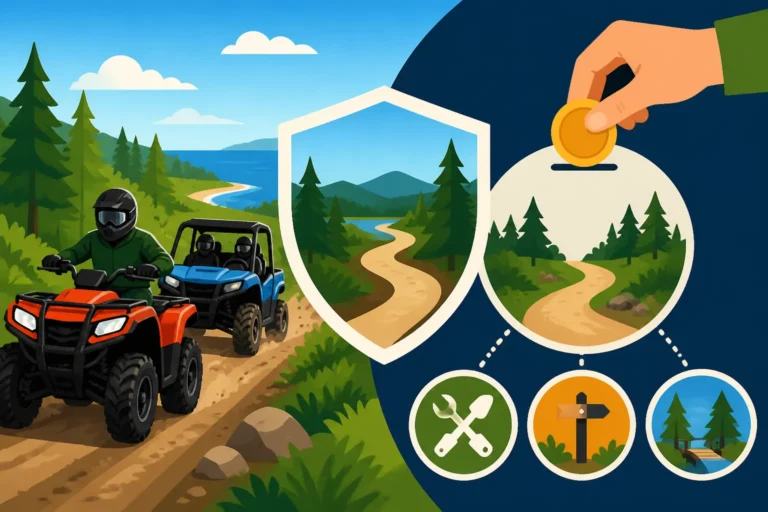
The primary purpose of this levy, as the province describes it, is to contribute to the Off-highway Vehicle Infrastructure Fund. Think of it as our collective contribution to keeping our extensive trail systems in good shape, developing new routes, and maintaining the existing ones. These funds are crucial for the volunteer clubs that do the heavy lifting of trail grooming, signage, and upkeep across Nova Scotia. It's meant to ensure that recreational riders have safe and well-maintained places to enjoy their machines.
Now, while the intent behind it is great – who doesn't want better trails? – the sticker shock and the feeling of paying for something you might not use can be a point of frustration for many. Especially for those who solely use their machines for work or on their own property, the idea of contributing to a general trail fund can seem a bit unfair. This is precisely why certain exemptions exist, recognizing that not every OHV owner is a recreational trail user.
Who Gets a Pass? Specific Exemptions from the Trail Levy
The good news is that Nova Scotia's Off-highway Vehicle Act and its associated regulations do account for various scenarios where the trail levy simply doesn't apply. These exemptions are usually tied to the intended use of the OHV, rather than just its presence on a registry. It's about differentiating between a weekend warrior hitting the trails and someone using their quad as a vital tool for their livelihood or property management.
Understanding these specific exemptions can save you money and clear up any confusion you might have at the Access Nova Scotia counter. Let's delve into the most common scenarios.
The Own-Property Exemption: Staying Home
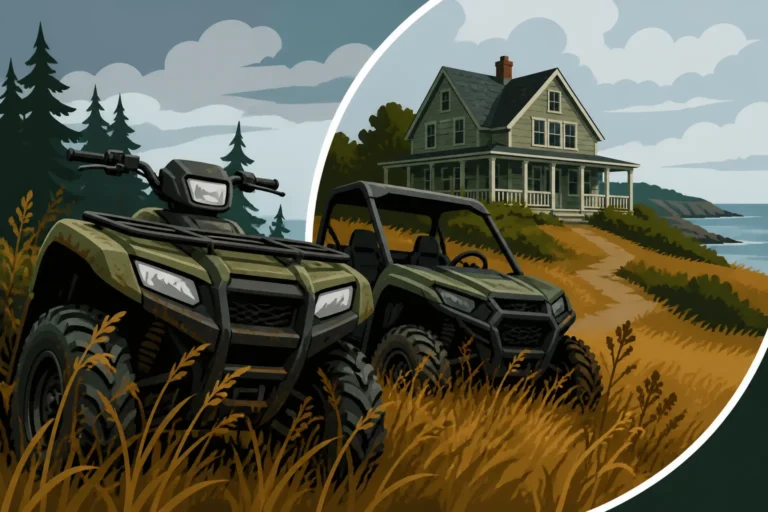
This is arguably the most common and often misunderstood exemption. If you use your OHV exclusively on land owned or leased by you, you may not be required to pay the trail levy. This is a huge relief for many rural homeowners who use their quad for tasks like hauling firewood, plowing snow from their driveway, or simply getting around their extensive property. Imagine a situation where you live on a large acreage in the Annapolis Valley, and your ATV is primarily used to check fences, move tools to the back woodlot, or gather sap buckets during maple season. You're not connecting to the provincial trail network, so why should you contribute to its maintenance?
The key here is "exclusively." If you occasionally take your machine off your property and onto a shared trail, even just for a quick jaunt to a neighbour's house down an unofficial path, you might lose this exemption. It's about consistent, dedicated use on your own parcel of land. You'll still need to register your machine, of course, and other regulations like age requirements and insurance still apply, but the levy itself might be waived. For a more detailed look, you can check out information on the [Nova Scotia Own-Property Exemption].
Farmers and Foresters: Machines for Work, Not Play
Another significant exemption covers OHVs used exclusively for agriculture or forestry purposes. This isn't just for large-scale commercial operations; it applies to anyone who uses their machine as a working tool on a farm or in a woodlot. Picture a farmer in Cumberland County using their side-by-side to feed cattle, spread manure, or inspect fields, or a small woodlot owner in Guysborough County using their quad to scout timber, pull small logs, or maintain access roads. These machines are essential for their livelihood, performing duties critical to their agricultural or forestry operations.
Like the own-property exemption, the "exclusively" part is crucial. If that farm quad also gets loaded onto a trailer and taken to a poker run on a club trail in the fall, it likely doesn't qualify for this specific levy exemption. The province wants to support these vital industries without burdening them with fees intended for recreational trail use. There might be a declaration process involved to confirm this exclusive use when you register your machine. You can find more specific details on the [Nova Scotia Farmer and Forestry Exemptions].
Special Cases: Golf Courses and Reserve Land
Beyond personal property and primary industry uses, there are a couple of other specific, albeit less common, exemptions. These include OHVs used exclusively on golf courses and those operated on reserve lands. For golf courses, this means utility vehicles, golf carts, or other similar OHVs that are used solely for the operation and maintenance of the course itself. They're not out on public trails; they're confined to a very specific commercial property. Similarly, machines operated exclusively within the boundaries of a First Nation reserve by a band member may also be exempt from the trail levy. These exemptions recognize the unique operational contexts and jurisdictional considerations for these specific categories. For more on these, you might look into the [Nova Scotia Golf Course Operator Exemption] or the [Nova Scotia Reserve Land Exemption].
It's vital to remember that these exemptions apply specifically to the trail levy, which contributes to the Infrastructure Fund. They do not automatically exempt you from other critical requirements like general registration, annual permit fees, or mandatory liability insurance. Your machine still needs to be "on the books" with the province.
Navigating the Process: How to Claim Your Exemption
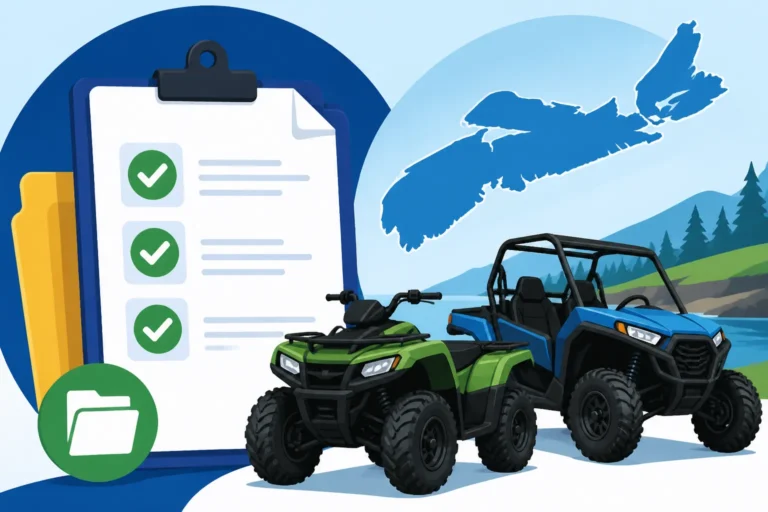
Understanding that an exemption exists is one thing; successfully claiming it is another. The process for ensuring you don't pay the trail levy when you're eligible usually happens at the point of registration or renewal at an Access Nova Scotia counter. It's not always an automatic process, and you might need to clearly state your case.
Declaring Your Exemption at the Counter
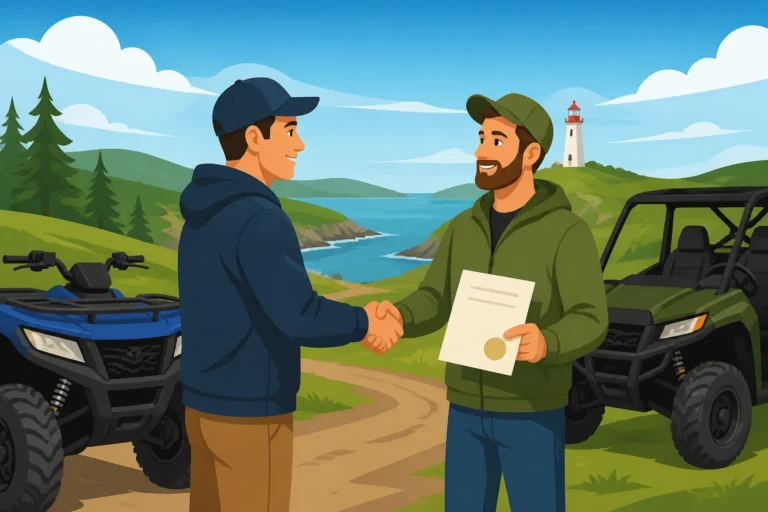
When you visit an Access Nova Scotia centre to register your new-to-you quad or renew your existing one, this is your moment to declare your exemption. Don't assume the staff will know your specific circumstances; you need to be proactive. Clearly state that your OHV is used exclusively on your own land, or solely for farm/forestry purposes, or falls under one of the other specific exemptions. They may ask you a few questions to confirm your eligibility.
It's a straightforward conversation, but being prepared makes it smoother. For example, if you're claiming the own-property exemption, simply saying "I only use it on my land" is usually sufficient for the levy. However, always be ready to provide more detail if requested. The staff are there to help, but they also have to ensure compliance with the regulations. This interaction is key to avoiding the levy if you qualify. For more on where to go, consider checking [Registry Counter or Service Centre: Where to Register].
The Role of Documentation and Declarations
While proving your exemption from the trail levy itself might not always require extensive paperwork beyond a verbal declaration or ticking a box on a form, it's always a good practice to have your ducks in a row for all aspects of OHV ownership. For instance, if you're registering a machine bought from a private seller, you'll need a bill of sale. For farm or forestry exemptions, you might not need to show proof of your farm status for the levy itself, but having business registration or property tax records handy is never a bad idea for general documentation.
In situations where you need to formalize agreements, like a declaration of exclusive use or a detailed bill of sale for a machine you're buying or selling, general legal document services can be quite helpful. Platforms like LawDepot offer templates for various legal documents that can assist you in creating clear, written records for your personal use or for transactions. While LawDepot won't directly get you the levy exemption, having comprehensive records for your OHV, especially if its use is primarily commercial or property-based, can support your overall compliance and give you peace of mind. Remember, the [What the Off-highway Vehicle Fee Regulations Charge You] can be intricate, and being well-documented is always a wise strategy.
Avoiding Common Mistakes
The biggest mistake riders make is assuming they're exempt without confirming the rules, or trying to claim an exemption when their machine does see recreational trail use. If you use your machine for both work and recreation on designated trails, you are generally expected to pay the levy. It's not an either/or situation if both apply.
Another common pitfall is confusing the trail levy with the annual vehicle permit fee. Even if you're exempt from the levy, you'll still need to pay the annual permit fee to keep your machine legally registered if it's not permanently parked on your property. The levy is a specific portion for infrastructure; the permit fee is for the right to operate your registered machine. For a clear breakdown of who doesn't pay this specific levy, refer to [Who the Levy Does Not Apply To]. Being upfront and honest about your machine's primary use ensures you remain compliant and avoid potential fines.
Beyond the Levy: Other Critical Requirements for Nova Scotia Riders
Even if you successfully navigate the exemption process for the trail levy, it's absolutely crucial to remember that this is just one piece of the OHV puzzle in Nova Scotia. There are several other non-negotiable requirements that all OHV owners and operators must adhere to, regardless of whether they pay the trail levy or not. Overlooking these can lead to serious legal consequences, financial penalties, and, most importantly, safety risks.
The Difference Between the Levy and Other Fees
Let's clarify the various costs associated with owning an OHV in Nova Scotia. You'll encounter at least two primary fees when dealing with registration: the Certificate of Registration fee and the Vehicle Permit fee. The Certificate of Registration is essentially a one-time administrative fee to get your machine into the provincial system. It's usually paid when you first register a new machine or when you transfer ownership of a used one. [One Fee Paid Once, Another Paid Every Year] lays this out pretty clearly.
The Vehicle Permit, however, is your annual fee that allows you to legally operate your registered machine. This is the fee you'll renew every year. The trail levy, which is the focus of our discussion, is a contribution to the trail infrastructure fund. While historically it was often rolled into the initial certificate fee, or sometimes the annual permit, its application is tied to the use of the machine. So, even if you don't pay the levy, you'll still typically pay both the certificate (once) and the annual permit (yearly) unless you qualify for other, much broader exemptions that cover all registration. The grand total of these fees can sometimes be simplified to a [Nova Scotia's Combined $53.20 Annual Figure], but the components matter for understanding exemptions.
Insurance: A Non-Negotiable Necessity
This is perhaps the most critical requirement: liability insurance. Since 2007, Nova Scotia has mandated that all OHVs operated anywhere other than exclusively on the owner's private property must carry liability insurance. And honestly, even on your own land, having insurance is just plain smart. Accidents happen, and if someone gets hurt on your property while riding your machine, or if you accidentally cause damage, that liability insurance can be a literal lifesaver for your financial well-being.
The provincial requirement specifies a minimum amount of liability coverage. It's your responsibility to ensure you have a valid "pink card" or proof of insurance on you whenever you're operating your machine off your own property. Without it, you could face hefty fines and legal troubles. Always consult with an insurance broker to understand your options and ensure you meet the minimums. You can learn more about this vital aspect of ownership at [Nova Scotia Insurance Requirements for Riders]. Sometimes, when dealing with the purchase or sale of a machine, having properly drafted documents like a bill of sale (which a service like LawDepot could help you prepare) can provide additional peace of mind regarding the transfer of liability, especially if you're relying on the buyer to secure their own insurance post-sale.
Safety, Age, and Training: The Rules Still Apply
Finally, don't think that an exemption from the trail levy means you're exempt from safety rules, age requirements, or mandatory training. These regulations are in place to protect riders and others. Nova Scotia has specific rules regarding the minimum age for OHV operators, and for younger riders, supervision and machine size restrictions are strictly enforced. Moreover, specific safety training is required for riders of certain ages. For instance, there are rules around [Nova Scotia Safety Training at 16] and the general requirement that [Nova Scotia Requires Owners to Be 19].
Wearing an approved helmet is mandatory, as is appropriate safety gear. These rules apply whether you're working on your woodlot, exploring club trails, or simply riding around your own backyard. These are not about trail funding; they are about personal safety and responsible operation. Always operate your machine sober, safely, and in accordance with all provincial and local laws.
Even if you're exempt from the trail levy, responsible OHV ownership in Nova Scotia means respecting all regulations. Being informed and compliant protects you, your fellow riders, and ensures the continued enjoyment of this great activity in our beautiful province.
| Exemption Type | Trail Levy Waived? | Registration Required? | Annual Permit Required? | Insurance Required? (off-property) |
|---|---|---|---|---|
| Own Property (Exclusive Use) | Yes | Yes | Yes | Optional (on property) |
| Farm/Forestry (Exclusive Use) | Yes | Yes | Yes | Yes |
| Golf Course (Exclusive Use) | Yes | Yes | Yes | Yes |
| Reserve Land (Exclusive Use) | Yes | Yes | Yes | Yes (jurisdiction dependent) |
| Recreational Trail Use | No | Yes | Yes | Yes |
Disclaimer
This article is for general informational purposes only and does not constitute professional advice. Laws, prices and regulations vary by location and change over time. Consult a qualified professional for guidance on your specific situation.