Nova Scotia Helmet Law for Riders
It can be incredibly frustrating to feel like you're constantly navigating a maze of rules just to enjoy your off-highway vehicle (OHV) in Nova Scotia. One of the most critical, and often misunderstood, aspects of safe and legal riding here is the helmet law. Many riders wonder if it applies to everyone, what kind of helmet is actually "legal," or if they even need one if they're just puttering around their own land. This guide is here to untangle all those questions, giving you a clear, empathetic, and realistic understanding of Nova Scotia's helmet requirements for ATV and UTV riders, ensuring you can hit the trails safely and confidently.
Understanding Nova Scotia's OHV Helmet Mandate
When you hop on an ATV or UTV in Nova Scotia, whether for a quick jaunt down a logging road or a full day on the club trails, the law is pretty straightforward: you need a helmet. This isn't just a suggestion; it's a non-negotiable legal requirement designed to keep you safe from the unpredictable nature of off-road riding.
The Legal Requirement for All Riders
Nova Scotia’s Off-highway Vehicles Act is very clear about the use of helmets. It mandates that anyone operating or riding as a passenger on an off-highway vehicle must wear an approved helmet. There’s no wiggle room here based on your skill level, the type of machine you're on, or how "safe" you think your intended route might be. This legislation was put in place to standardize safety practices across the province, recognizing the inherent risks involved with OHV operation. For more details on the broader legal framework, you might find [Nova Scotia Road Trails Act Explained] helpful.
The purpose behind this strict requirement is simple: to save lives and prevent serious injuries. A helmet acts as your primary defense against head trauma, which can be devastating. Even in a low-speed tip-over, your head can hit the ground with significant force, leading to concussions, skull fractures, or worse. The law eliminates the guesswork and ensures that every rider is afforded this fundamental layer of protection.
Ignoring this law isn't just risky for your health; it carries legal ramifications. An officer can issue a ticket, and repeat offenses can escalate the penalties. It’s a clear message from the province that rider safety is paramount, and compliance is expected from everyone who enjoys our beautiful trails and backroads.
Who Must Wear a Helmet And Who Isn't Exempt
The short answer is: almost everyone. If you are physically on an ATV or UTV and it is in operation (or about to be), you need a helmet. This applies to the operator, regardless of age, and any passengers. This means if you're out with your kids, not only do you need one, but they do too. The law is quite inclusive, covering all riders from the youngest passenger to the most seasoned veteran operator.
There are very, very few exemptions, and they typically relate to specific, controlled circumstances that don't apply to the vast majority of recreational or utility riding. For instance, specific exemptions might exist for certain agricultural or forestry operations on private land, but these are often narrowly defined and require the machine to be used exclusively for that purpose, not for general transportation. It’s critical not to assume an exemption applies to you without verifying it directly with the relevant provincial authorities.
What this boils down to is a universal rule for recreational riding. Whether you’re on a well-maintained club trail, a rugged backcountry path, or even just moving your machine across a field to get to your woodlot, if the machine is operating, the helmet needs to be on your head and properly secured. Don't be caught off guard; the law is extensive in its reach.
Why the Helmet Law Exists: Safety First
The primary reason for mandatory helmet laws in Nova Scotia, and indeed anywhere, is the undeniable data on accident prevention and injury mitigation. Head injuries are among the most severe and life-altering consequences of OHV accidents. Collisions with trees, rollovers, or simply being thrown from a machine can result in direct impacts to the head, often leading to traumatic brain injuries (TBIs).
A properly worn, approved helmet can reduce the risk of head injury by a significant margin. It disperses the impact force over a larger area, protecting the skull and brain from direct trauma. This reduction in severe injuries not only saves lives but also lessens the burden on our healthcare system. Every severe head injury requires extensive medical care, rehabilitation, and can lead to long-term disability, impacting individuals, families, and public resources.
Beyond the immediate accident, wearing a helmet fosters a culture of safety. It's a visible reminder that OHV riding, while immensely enjoyable, carries risks that demand respect and preparation. By making helmets mandatory, Nova Scotia aims to create safer riding environments for everyone, from tourists exploring the [Celtic Shores Coastal Trail in Nova Scotia] to locals working on their woodlots. It’s about protecting our community and ensuring that the joy of off-road adventure doesn't come at an irreversible cost.
What Makes a Helmet Legal in Nova Scotia?
It's not enough to just wear any helmet; it has to be one that meets specific safety criteria. Think of it like a seatbelt in a car – it needs to be properly installed and functional, not just present. The same goes for your OHV helmet.
Approved Safety Standards: DOT, CSA, Snell, BSI
For a helmet to be considered legal and safe in Nova Scotia, it must meet recognized international or national safety standards. The most commonly accepted certifications you’ll see are:
- DOT (Department of Transportation): This is a US standard, widely recognized and accepted in Canada. A DOT certification means the helmet has met minimum performance standards for impact attenuation, penetration resistance, and retention. You'll typically see a DOT sticker on the back of the helmet.
- CSA (Canadian Standards Association): This is a Canadian standard, ensuring that the helmet meets specific safety requirements tailored to Canadian conditions and regulations.
- Snell: The Snell Memorial Foundation is an independent, non-profit organization that conducts rigorous testing, often exceeding DOT standards. Snell-certified helmets are generally considered top-tier in terms of safety.
- BSI (British Standards Institution): This is a UK standard, also accepted.
When you're shopping for a helmet, always look for one of these marks. A helmet without one of these certifications is not legally compliant in Nova Scotia, and more importantly, it may not offer adequate protection in the event of a crash. Always purchase helmets from reputable dealers who can confirm their compliance. Some riders mistakenly think a construction hard hat or bicycle helmet will suffice, but these are not designed for the higher speeds and impact forces associated with OHV riding and offer insufficient protection.
Fit and Function: More Than Just a Sticker
Even with the correct certification, a helmet is only effective if it fits properly and is used correctly. A helmet that's too loose can shift during an impact, compromising its protective ability. One that's too tight can be uncomfortable and distracting, potentially leading to poor riding decisions.
Here’s what to look for in a proper fit:
- Snug but Comfortable: The helmet should fit snugly all around your head, without painful pressure points. It shouldn't move side-to-side or up-and-down easily when you shake your head.
- Cheek Pads: Your cheeks should feel a slight pressure from the pads, not loose space.
- Forehead: The helmet should sit low enough on your forehead that your eyes are protected by the top edge of the eye port, but not so low that it obstructs your vision.
- Chin Strap: The strap must be fastened securely. It should be snug under your chin, allowing only one or two fingers to fit between the strap and your chin. Never ride with an unbuckled or loose chin strap; it's the retention system that keeps the helmet on your head during an impact.
There are different types of helmets – full-face, open-face, modular, and off-road specific designs. For ATV and UTV riding, full-face or off-road specific helmets are generally recommended as they offer the most comprehensive protection for your head and face. Some riders choose to enhance their riding experience with accessories from brands like SuperATV, ensuring that all their gear works together for maximum safety and comfort.
Eye Protection: A Separate But Crucial Requirement
While your helmet protects your skull, your eyes are equally vulnerable to hazards encountered on the trail. Dust, dirt, flying debris, branches, insects, and even harsh sunlight can impair your vision, leading to dangerous situations. This is why Nova Scotia's OHV Act specifies that riders must also wear eye protection.
This requirement is separate from the helmet itself. Even if your helmet has a built-in visor, it must be robust enough to offer proper eye protection. Many off-road specific helmets don't have built-in visors and are designed to be worn with goggles. Goggles offer excellent protection against dust and debris and often have anti-fog features crucial for maintaining clear vision in varying conditions.
For riders under 16, the rules around eye protection, along with other gear, are even more stringent. [Nova Scotia Gear Rules for Riders Under 16] outlines these requirements in detail, emphasizing the need for comprehensive protection for younger riders. Always ensure your eye protection is clean, scratch-free, and fits well, providing an unobstructed field of vision. It's a small piece of gear that makes a massive difference in your safety and enjoyment on the trail.
Age-Specific Helmet and Gear Requirements
Nova Scotia takes the safety of its youngest riders very seriously, implementing specific rules to protect children and youth who participate in OHV activities. These regulations go beyond just wearing a helmet, encompassing a broader range of protective gear.
Riders Under 16: Enhanced Protection Rules
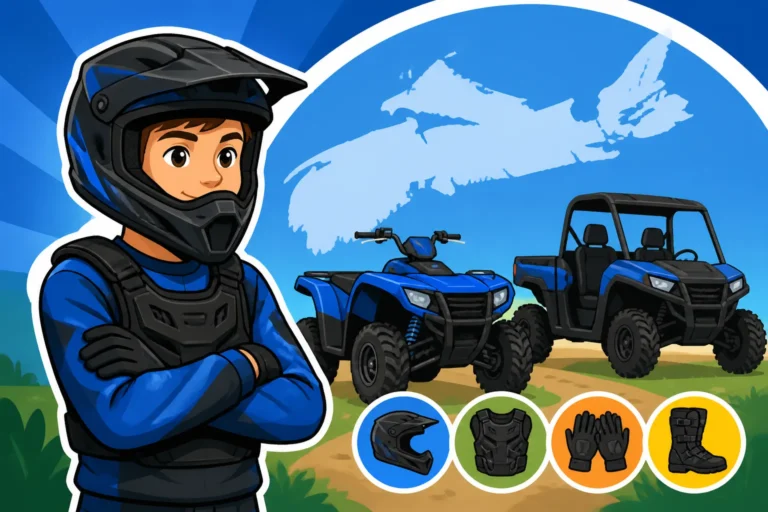
For anyone under the age of 16 operating or riding as a passenger on an OHV, the protective gear requirements are more extensive than for adult riders. This isn't just about helmets; it’s about head-to-toe protection to minimize injury in case of an incident. In addition to a properly fastened, approved helmet, riders under 16 must also wear:
- Long-sleeved shirt or jacket: To protect arms from scrapes, cuts, and sun exposure.
- Long pants: Providing similar protection for the legs.
- Gloves: Essential for grip, protection from abrasions, and shielding hands from debris.
- Sturdy boots that cover the ankles: Offering support and protection for the feet and ankles, crucial for preventing sprains and fractures. Sneakers or sandals simply won't cut it.
These rules are not arbitrary; they reflect the understanding that younger riders may have less experience, slower reaction times, and are generally more vulnerable in an accident. The goal is to provide maximum protection. It's also vital to ensure that the machine itself is appropriately sized for the young rider, as detailed in [Nova Scotia Youth Machine Size Rules], to prevent loss of control.
It’s the responsibility of parents and guardians to ensure these rules are followed every single time a youth rider is on a machine. This includes making sure the gear is in good condition, fits properly, and is worn correctly. These enhanced rules ensure that young adventurers can enjoy the trails with the best possible safety measures in place.
Supervisors and Youth Riders: Shared Responsibility
When youth riders (ages 6 to 15) are operating an OHV, they must be under the direct supervision of an adult who is at least 19 years old and has a valid OHV safety training certificate. This isn't just about being present; it's about active supervision and shared responsibility for safety. The supervisor plays a crucial role in ensuring that the youth rider not only follows all the rules, including wearing the correct gear, but also operates the machine safely and responsibly.
The supervisor must ensure the youth is wearing all the required gear – helmet, eye protection, long sleeves, long pants, gloves, and sturdy boots. They also need to be vigilant about the riding environment, ensuring the terrain is appropriate for the youth's skill level and that they are not taking unnecessary risks. This oversight extends to making sure the machine itself is suitable for the rider's size and experience, as a machine that is too large or powerful can be incredibly dangerous for a child.
This shared responsibility underlines Nova Scotia's commitment to youth safety. It recognizes that while young riders are learning, they need guidance and a watchful eye to prevent accidents. A supervisor's role is not just about compliance but about mentoring the next generation of responsible OHV enthusiasts. For more on the training aspect, see [Nova Scotia Safety Training at 16].
Passenger Rules: Ensuring Safety for All Ages
The helmet law applies equally to passengers as it does to operators. If you're riding shotgun on a side-by-side or as a passenger on a two-up ATV, you must wear an approved helmet, securely fastened. This is because passengers are just as susceptible to head injuries in a crash or rollover as the operator.
Furthermore, Nova Scotia has specific age restrictions for passengers. Children under nine years of age are generally not permitted to ride as passengers on an OHV. This rule is in place because younger children typically lack the physical strength, stability, and cognitive development to safely hold on or brace themselves during typical off-road maneuvers. Their smaller bodies are also more vulnerable to injury. For precise details, refer to [Nova Scotia Passengers Must Be 9 or Older].
For passengers who are permitted to ride (i.e., those aged nine and older), the same helmet standards apply. Beyond the helmet, it’s always a good idea for passengers to also wear appropriate protective clothing, mirroring the requirements for youth riders – long sleeves, long pants, gloves, and sturdy footwear. Ensuring all occupants are properly geared up is a fundamental step in making any OHV outing as safe as possible for everyone involved.
Consequences of Non-Compliance
Ignoring Nova Scotia's helmet law isn't just tempting fate; it carries tangible legal and financial penalties that can quickly turn an enjoyable ride into a costly headache.
Fines and Penalties for Helmet Violations
If you are caught operating or riding as a passenger on an OHV without a properly fastened, approved helmet in Nova Scotia, you can expect to face significant fines. These aren't just minor slaps on the wrist; they are designed to be deterrents. While specific amounts can vary and change over time, fines for OHV infractions are generally substantial. An initial ticket can set you back hundreds of dollars. You can find more information about the cost of various infractions in [Nova Scotia Ticket Costs for Riders].
Beyond the immediate fine, there can be other consequences. In some cases, an officer may have the authority to impound your machine, especially if there are multiple violations or egregious disregard for safety regulations. Imagine having your prized ATV or UTV towed away, leaving you stranded and facing impound fees in addition to the original fine.
Repeat offenses can lead to even harsher penalties, including increased fines, longer impoundment periods, and potentially even court appearances. It's a clear signal that the province takes rider safety seriously. These penalties are not just about revenue generation; they're about ensuring compliance with a law designed to prevent tragic outcomes. Understanding these potential consequences often serves as a powerful motivator for riders to always don their helmets.
Insurance Implications: A Costly Oversight
Beyond the legal fines, failing to wear an approved helmet can have devastating financial implications related to your OHV insurance. While Nova Scotia mandates a minimum of $500,000 in liability insurance for OHVs, and many policies include accident benefits coverage, not wearing a helmet can complicate or even nullify certain aspects of your claim.
If you're involved in an accident and sustain a head injury while not wearing a helmet, your insurance provider might argue that you contributed to the severity of your injury by failing to comply with a provincial safety law. This could lead to a reduction or denial of certain accident benefits, leaving you personally responsible for substantial medical bills, rehabilitation costs, and lost income. [Nova Scotia Accident Benefits Coverage] typically covers things like medical expenses and lost wages, but these benefits can be jeopardized by non-compliance.
Imagine a scenario where you suffer a TBI that requires long-term care, but your insurance company significantly reduces your benefits because you weren't wearing a helmet. The financial burden could be immense, adding insult to the injury. It underscores the fact that insurance is there to protect you, but you also have a responsibility to act in a way that doesn't put yourself at undue risk, especially when provincial laws dictate specific safety measures. Always carry your pink card, as outlined in [Nova Scotia Pink Card Rules], and always wear your helmet.
The Ultimate Cost: Serious Injury or Fatality
While fines and insurance complications are significant, the ultimate and most tragic cost of not wearing a helmet is the potential for serious injury, permanent disability, or even death. Off-highway vehicle accidents, even at relatively low speeds, can result in severe trauma, particularly to the head.
Traumatic Brain Injuries (TBIs) can range from concussions to severe, life-altering damage. A severe TBI can lead to cognitive impairments (memory loss, difficulty concentrating), physical disabilities (paralysis, speech issues), emotional and behavioral changes, and a dramatically reduced quality of life. The recovery process is often long, arduous, and expensive, with no guarantee of full recuperation. For some, the damage is permanent, requiring lifelong care.
Beyond the individual, a serious injury or fatality has a profound and lasting impact on family, friends, and the community. The emotional toll, grief, and financial strain on loved ones are immense. No amount of fun or perceived comfort from not wearing a helmet is worth risking such a devastating outcome. The helmet law in Nova Scotia is not an inconvenience; it is a critical measure designed to protect you from the worst possible consequences of an OHV accident. It's about ensuring you can continue to enjoy the sport for years to come, safely returning home to your loved ones.
Practical Tips for Helmet Selection and Maintenance
Choosing the right helmet and taking good care of it are just as important as knowing the law. A well-maintained, properly fitting helmet is your best defense against head injury.
Choosing the Right Helmet for Your Riding Style
Not all helmets are created equal, and what works best for one rider might not be ideal for another. Your riding style, the terrain you frequent, and even the weather conditions you ride in should influence your helmet choice.
- Trail Riding (Mixed Terrain): A good all-around choice is an off-road specific helmet (often called a dirt bike helmet) paired with goggles. These typically offer excellent ventilation for hot days, a sun visor to deflect roost and sun glare, and robust chin bar protection. They are lightweight and designed for active riding.
- Utility/Work Riding: If you primarily use your ATV or UTV for work around the farm or woodlot, a modular or full-face helmet can be a good option. Modular helmets offer the convenience of flipping up the chin bar, useful for quick conversations or when moving slowly, while still providing full-face protection when closed. Full-face helmets offer maximum protection with integrated visors.
- Sport Riding/Racing: For more aggressive, high-speed sport riding, a premium off-road helmet with advanced materials (like carbon fiber) for reduced weight and enhanced protection is often preferred. These prioritize impact absorption and ventilation.
Consider features like ventilation systems to keep you cool, removable and washable liners for hygiene, and compatibility with communication systems if you ride in groups. While choosing, you might look at various brands available that cater to different needs. Some riders might explore aftermarket accessories from companies like SuperATV to enhance their machine's capabilities, but remember to always prioritize certified safety gear for personal protection. Always try on several helmets before buying to ensure the best fit and comfort for your head shape.
Proper Care and When to Replace Your Helmet
A helmet, like any piece of safety gear, has a lifespan and requires proper care to maintain its effectiveness.
- Cleaning: After each ride, especially in dusty or muddy conditions, clean the exterior with a mild soap and water solution. Avoid harsh chemicals or solvents, which can damage the helmet's shell or internal components. Removable liners should be washed according to the manufacturer's instructions, usually gentle cycle or hand wash.
- Storage: Store your helmet in a cool, dry place, away from direct sunlight or extreme temperatures. High heat can degrade the EPS foam liner, which is crucial for impact absorption. A helmet bag can protect it from scratches and dust.
- Inspecting for Damage: Regularly inspect your helmet for any signs of damage. Look for cracks in the outer shell, dents in the EPS foam, fraying on the chin strap, or any loose components. Even minor damage can compromise the helmet's integrity.
When to Replace Your Helmet: This is critical. A helmet is designed for one major impact. If you've been in a crash or dropped your helmet from a significant height, replace it immediately, even if there's no visible damage. The EPS foam might have compressed internally, rendering it ineffective for a subsequent impact. Generally, most manufacturers recommend replacing helmets every 3-5 years, regardless of visible damage or impacts. Over time, the materials (like the EPS foam, glues, and resins) degrade due to exposure to UV light, sweat, and general wear and tear, reducing their ability to protect you. Don't gamble with an old or compromised helmet; your brain is worth a new one.
Where to Buy a Compliant Helmet in Nova Scotia
Finding a reliable place to purchase a compliant OHV helmet in Nova Scotia is important for ensuring you get a certified product that fits properly.
- Local OHV Dealerships: These are often the best places to start. Dealerships specializing in ATVs, UTVs, and motorcycles typically carry a good selection of certified helmets from various reputable brands. Their staff are usually knowledgeable about fitment and local regulations. They can guide you through the different types and features.
- Specialty Powersports Stores: Larger outdoor and powersports retailers often have dedicated sections for off-road gear, including a wide range of helmets. These stores might offer a broader selection of brands and styles than a single-brand dealership.
- Online Retailers: While convenient, buying a helmet online has a significant drawback: you can't try it on. Fit is paramount for safety. If you do buy online, make sure you know your head size accurately and understand the retailer's return policy. It's often best to try helmets on locally to determine your size and preferred fit, then you can confidently purchase online if you choose.
- Used Helmets: Generally, it is strongly advised against buying used helmets. You can never be sure of its history—whether it's been in an impact or how it's been stored. The internal foam degradation is often invisible, meaning a used helmet could offer little to no protection. For your safety, always invest in a new, certified helmet.
Investing in a high-quality, properly fitting helmet from a reputable source is an investment in your safety and peace of mind on Nova Scotia's extensive network of trails, from [Nova Scotia ATV Trails: The ATVANS Network] to local logging roads.
Common Misconceptions and FAQs
Despite clear regulations, a few common misconceptions about helmet use persist among OHV riders. Let's tackle them head-on.
"I'm Just Riding on My Own Property"
This is perhaps one of the most common myths. Many riders believe that if they are on their private land – whether it’s a large farm, a private woodlot, or just their backyard – the provincial OHV laws, including the helmet mandate, don't apply. While there are some very specific and limited exemptions for certain work-related activities on private property, for general recreational riding, this is largely incorrect.
Nova Scotia's Off-highway Vehicles Act generally applies to the operation of an OHV anywhere in the province, which includes private property unless specifically exempted for certain circumstances (like genuine farm or forestry work, not just joyriding). The intent of the law is to protect individuals from injury, regardless of where they choose to ride. For detailed information on specific exemptions, like [Riding Your Own Land Without a Registration] or [When Farm Work Exempts a Machine From Registration], it's crucial to consult the official regulations.
Even if a specific legal exemption did apply to recreational riding on your land, it would be incredibly unwise to forego a helmet. Accidents don't care about property lines. The risks of head injury are just as real, if not more so, on unfamiliar trails or uneven ground on your own property as they are on public trails. From a safety perspective, wearing a helmet is always recommended, every single time you operate an OHV, no matter the location. Your health and safety should always take precedence over convenience or perceived legal loopholes.
"My Helmet is Old But Still Looks Good"
The appearance of a helmet can be deceiving. A helmet that looks perfectly fine on the outside might have compromised internal components, especially the critical Expanded Polystyrene (EPS) foam liner. This liner is designed to crush and absorb impact forces during a collision. Over time, and even without visible impacts, this foam can degrade.
Factors like UV exposure from sunlight, the chemicals in sweat, and general aging can cause the EPS foam to stiffen or lose its ability to effectively absorb energy. The glues and resins that hold the helmet together can also weaken. This means that an older helmet, even one that has never been in an accident, might not provide the same level of protection as a newer one. It simply won't perform as intended when you need it most.
This is why helmet manufacturers generally recommend replacing helmets every three to five years. It's not a marketing ploy; it's based on materials science and safety research. If your helmet is older than this, or if you've dropped it or been in any kind of incident, it’s time to replace it. A good analogy is a car seat for a child – you wouldn't use one past its expiration date or one that's been in an accident, even if it looks perfect. Your brain protection deserves the same vigilance.
"It's Too Hot/Uncomfortable to Wear a Helmet"
Riding in Nova Scotia's beautiful summer weather, it's easy to feel like a helmet might be hot and uncomfortable, especially on a long ride. This discomfort is often cited as a reason not to wear one, but modern helmet technology has made significant strides in addressing these concerns.
Many contemporary helmets are designed with advanced ventilation systems, featuring multiple air vents that channel airflow over your scalp, helping to dissipate heat and moisture. They also often incorporate moisture-wicking liners that draw sweat away from your skin, keeping you cooler and more comfortable. Furthermore, helmets come in a range of weights, with some high-performance models using lightweight materials to reduce neck strain.
While no helmet will ever feel as "free" as riding without one, the slight discomfort is a small price to pay for significant protection. The consequences of not wearing a helmet – ranging from fines to life-altering injuries – far outweigh any temporary inconvenience. Prioritizing safety means accepting that essential gear might not always be perfectly comfortable, but its purpose is critical. Think of it as part of your essential riding kit, just like ensuring your machine is properly registered and insured, as discussed in [Do You Need to Register an ATV in Nova Scotia?].
Broader Safety Considerations Beyond Helmets
While wearing an approved helmet is paramount, it's just one piece of the larger puzzle when it comes to safe OHV operation in Nova Scotia. A holistic approach to safety ensures you minimize risks and maximize enjoyment on the trails.
The Role of Training and Experience
Even with the best helmet, riding an OHV safely requires skill, knowledge, and experience. Formal safety training courses are highly recommended, especially for new riders and youth. These courses teach fundamental operating techniques, hazard awareness, proper turning and braking, navigating obstacles, and safe passenger protocols. [Nova Scotia Safety Training at 16] highlights specific training requirements for younger riders.
Experience is built over time, but it should be guided by good practices. Riders should always operate within their skill limits, especially when encountering new terrain or challenging conditions. Pushing your limits beyond your comfort zone is a common cause of accidents. Regularly practicing basic maneuvers in a safe, controlled environment can build confidence and muscle memory, which are crucial when unexpected situations arise on the trail. Understanding how to handle your machine in various conditions, from muddy sections (and what tires for [Tires for Nova Scotian Clay] are best) to rocky inclines, is a skill developed through a combination of training and practical experience.
Machine Maintenance and Pre-Ride Checks
A well-maintained machine is a safer machine. Before every ride, a quick pre-ride inspection can identify potential issues that could lead to breakdowns or accidents. This routine should include:
- Tires: Check tire pressure and inspect for cuts, bulges, or excessive wear. Proper tire pressure affects handling, braking, and stability.
- Brakes: Test both front and rear brakes to ensure they are functioning correctly and have adequate stopping power.
- Fluids: Check engine oil, coolant, and brake fluid levels.
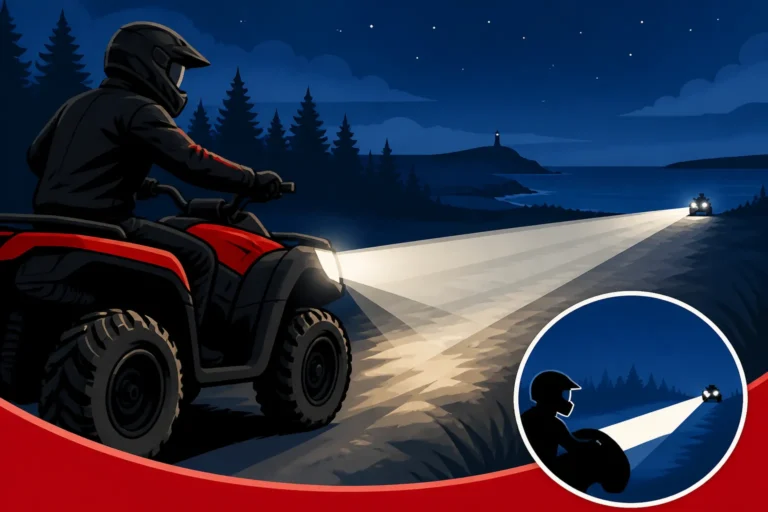
- Lights: Ensure headlights, taillights, and brake lights are working, especially if you plan to ride near dusk or after dark. [Nova Scotia Night Riding Equipment Rules] has specifics.
- Controls: Verify that the throttle operates smoothly, and that handlebars are secure.
- Loose Parts: Quickly check for any loose nuts, bolts, or components.
Ignoring maintenance not only puts you at risk but can also lead to costly repairs. A proactive approach to keeping your ATV or UTV in top condition ensures reliability and safety, allowing you to focus on the ride ahead, not on mechanical failures. For information on general ownership costs including maintenance, consider [Nova Scotia Annual Costs After Year One].
Awareness of Trail Conditions and Environment
Nova Scotia offers a diverse and beautiful riding environment, but it also presents varied and sometimes challenging conditions. Being aware of your surroundings and adjusting your riding style accordingly is a cornerstone of safe OHV operation.
- Weather: Rain can make trails muddy and slippery, reducing traction and increasing braking distances. Fog can reduce visibility, particularly in coastal areas. [Nova Scotia Coastal Fog and Riding] can be a serious factor. Always check the weather forecast before you head out and pack appropriate gear, like rain gear for the Atlantic coast, or extra layers for cold mornings.
- Trail Surface: Be mindful of changing trail surfaces – from rocky sections to soft sand, loose gravel, or slippery roots. Each requires a different approach to maintain control.
- Obstacles: Watch out for fallen trees, large rocks, washouts, or unexpected dips. Many Nova Scotia trails are shared-use, so be prepared for hikers, cyclists, or even horseback riders.
- Wildlife: Nova Scotia is home to abundant wildlife. Be aware of deer, moose, and other animals that may unexpectedly cross your path.
- Trail Closures: Always check for current [Nova Scotia Trail Conditions and Closures] before you ride. Clubs often close trails during spring thaw (mud season) to prevent damage and ensure rider safety, or due to forestry operations or fire bans.
Riding defensively, expecting the unexpected, and always being prepared to react to changing conditions are essential skills. Pairing an approved helmet with a vigilant mindset creates the safest possible riding experience, allowing you to fully enjoy the natural beauty of Nova Scotia.
| Helmet Certification Standard | Country/Organization | Key Focus | What it Means for Riders |
|---|---|---|---|
| DOT | USA (Department of Transportation) | Minimum safety performance for public roads. | Widely accepted in Nova Scotia, ensures basic impact protection. |
| CSA | Canada (Canadian Standards Association) | Canadian national safety performance standards. | Meets Canadian requirements, often includes cold weather considerations. |
| Snell | USA (Snell Memorial Foundation) | Independent, rigorous testing; often exceeds DOT. | Higher safety standard, often preferred by racers and serious riders. |
| BSI | UK (British Standards Institution) | UK national safety and quality standards. | Accepted in Nova Scotia, provides robust protection. |
Disclaimer
This article is for general informational purposes only and does not constitute professional advice. Laws, prices and regulations vary by location and change over time. Consult a qualified professional for guidance on your specific situation.