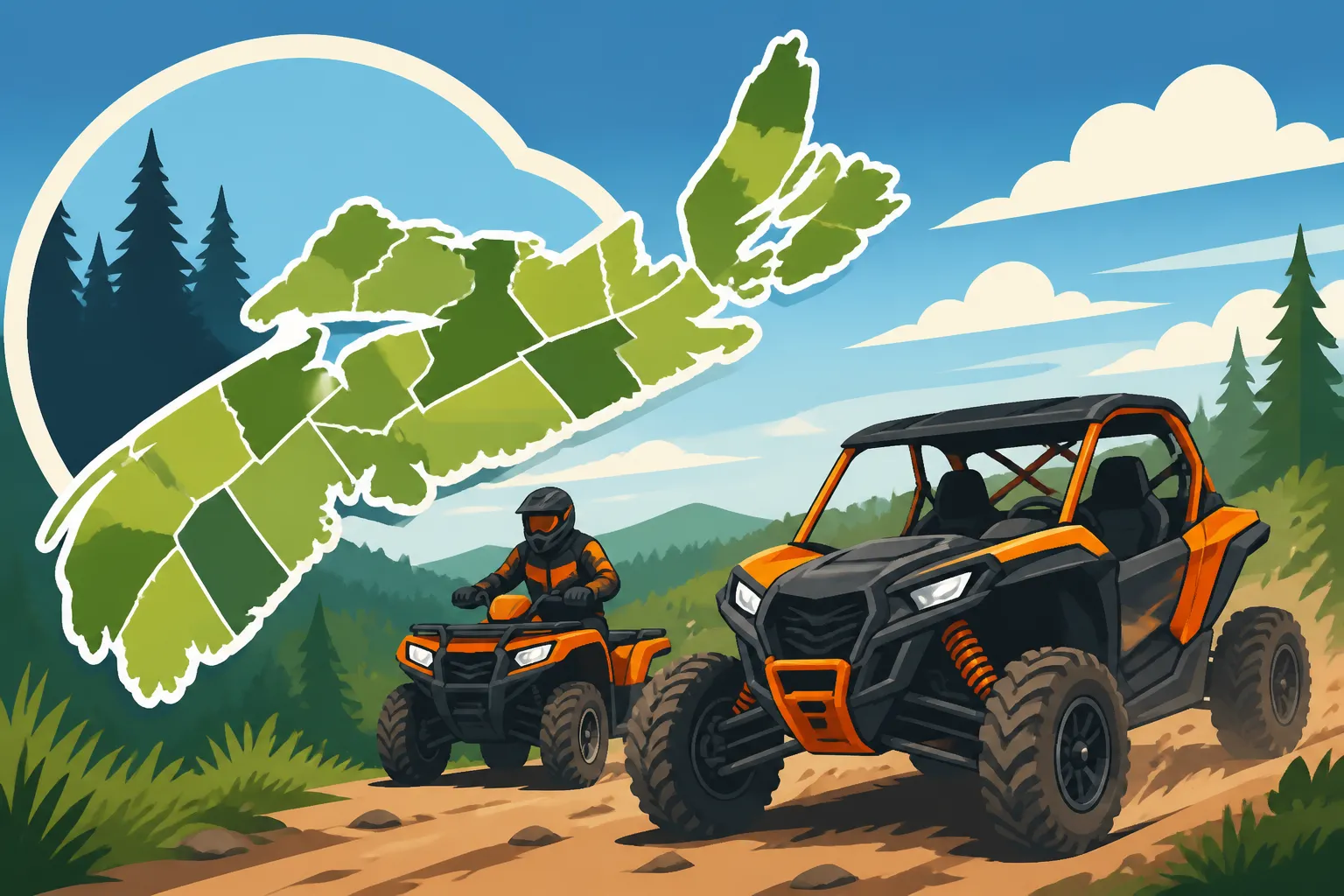
Nova Scotia’s 16 Counties With Road Trails
It can be incredibly frustrating trying to figure out where you can legally ride your ATV or UTV in Nova Scotia, especially with so many different rules and a system that sometimes feels like a patchwork quilt across the province. You've heard whispers of "road trails" and wonder if it means you can finally connect those elusive segments or even ride into a small town for gas and a bite to eat. This guide is here to untangle the complexities of Nova Scotia's road trail system, focusing on what it means for riders in the province's 16 counties, helping you understand where you can legally ride and how to do it safely and responsibly.
The Shifting Sands of Nova Scotia's Road Trails Act
For years, off-highway vehicle (OHV) riders in Nova Scotia often faced a distinct disconnect: beautiful, extensive trail networks existed, but getting from one trail to another, or even from your home to the nearest trailhead, often involved dicey, illegal road shoulders or complicated trailer logistics. This created a significant barrier for many, limiting access and enjoyment of the sport. The frustration was palpable, with riders craving a more integrated and practical solution.
From Pilot Project to Provincial Standard
The concept of integrating OHVs more formally into public road networks didn't just appear overnight; it was a carefully considered, multi-year process. Recognizing the need to connect trails, enhance tourism, and provide safer access for riders, the province embarked on a pilot project. [Nova Scotia's 2018 Road Trail Pilot] began in a few select communities, testing the waters, gathering data, and listening to feedback from riders, residents, and local law enforcement. This pilot phase was crucial for understanding the practical implications of allowing OHVs on designated segments of public roads. It allowed the province to assess things like traffic flow, safety concerns, and the actual impact on communities. Without this initial phase, the province wouldn't have had the groundwork to build the more expansive system we see today. It was an acknowledgment that the old ways weren't working for a growing segment of outdoor enthusiasts.
Understanding the Legal Framework for OHV Access
The culmination of this pilot project and extensive consultation was the proclamation of the Off-Highway Vehicles Act and regulations, including specific provisions for "road trails." This legal framework fundamentally changed how OHVs interact with public roads in Nova Scotia. It's not about turning every road into an OHV thoroughfare, but rather creating a designated system where certain, carefully selected segments of highways and public roads can be legally used by off-highway vehicles. [Nova Scotia's Road Trails Act Explained] details this further, outlining the conditions under which these road trails are established and operated. The Act sets the stage for a safer, more organized approach to OHV travel, moving away from the previous ambiguity and occasional enforcement challenges. It provides a structured path for riders to connect trails, access services, and explore the province in a way that was previously either illegal or highly inconvenient. This means no more guessing whether that stretch of pavement is okay – if it’s a designated road trail, you know you have a legal right of way under specific conditions.
The Role of Municipalities in Trail Designation
While the province sets the overarching legal framework, a significant piece of the puzzle lies with individual municipalities. It's not a blanket provincial decision that suddenly opens up every road to OHVs. Instead, each municipal council has the authority and responsibility to designate specific road segments within their jurisdiction as road trails. This localized approach means that what's allowed in one county or town might be entirely different just a few kilometers down the road. This can be a source of confusion for riders, who might assume a provincial law means uniform access. Unfortunately, that's not the case. Municipalities must pass bylaws or resolutions to formally adopt road trails, often after their own local consultations with residents and community groups. This process allows local concerns to be addressed and ensures that road trails are integrated in a way that makes sense for specific communities, considering factors like population density, existing traffic, and local services. It’s a dynamic system, with new designations continually being added, and staying informed means keeping an eye on local council decisions as much as provincial regulations.
Essential Rules for Riding Legally on Nova Scotia's Road Trails
Riding on Nova Scotia's road trails offers incredible freedom and connectivity, but it's not a free-for-all. These are shared spaces, and ensuring the safety of all road users – including yourself – is paramount. Ignoring these rules isn't just risky; it can lead to significant fines and jeopardize the future of the road trail system for everyone. It's about being a responsible ambassador for the sport.
Non-Negotiable Safety and Machine Requirements
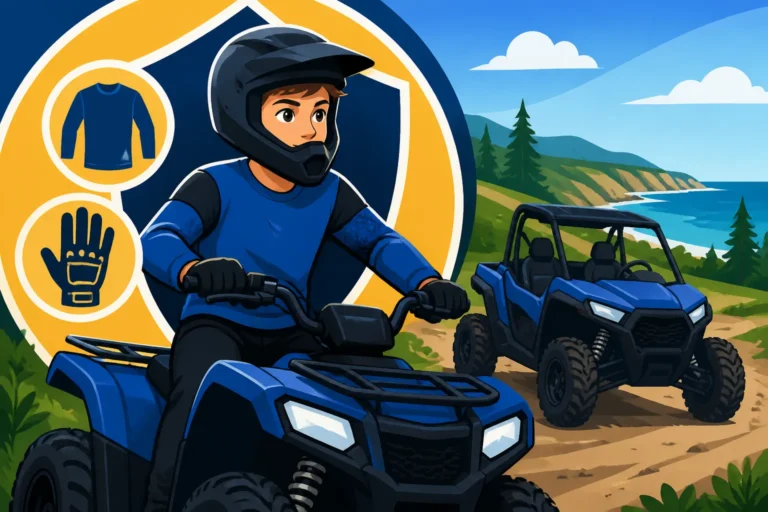
When you're riding on a designated road trail, your machine effectively becomes a vehicle sharing the public roadway, even if it's not fully "street legal" in the traditional sense. This means certain safety equipment and operational standards are no longer optional. First and foremost, a helmet meeting an approved standard (like DOT, CSA, Snell, or BSI) is mandatory for all riders, regardless of age. [Nova Scotia Helmet Law for Riders] isn't just a suggestion; it's the law, and it's there to protect you. Beyond helmets, your machine itself must be in good working order, especially concerning its lighting. You'll need a functional headlight that can illuminate objects at least 300 feet ahead and a tail light visible from at least 200 feet, particularly when riding during operating hours that extend into dusk or dawn. Think about installing robust LED lighting from a company like SuperATV if your stock lights aren't cutting it, ensuring you’re highly visible to other traffic. Additionally, the machine must meet factory noise level standards. Modified, excessively loud exhausts are a common source of complaints and can lead to fines, undermining the community acceptance of road trails. Officers routinely perform [Nova Scotia Equipment Checks by Officers] to ensure compliance with these crucial safety and environmental standards.
Registration, Insurance, and Licensing are Paramount
One of the most critical aspects of riding on Nova Scotia's road trails is ensuring your OHV is properly registered and insured. It's not enough to just have a machine; it must be legally recognized and covered. [Nova Scotia Requires Registration and Insurance] for any OHV operating on public land, and this certainly extends to designated road trails. An unregistered machine can lead to steep fines, starting with a [Nova Scotia Minimum Fine of $250]. When you register your machine, you'll receive a vehicle permit and a certificate of registration, which you must carry with you while riding. Just as important is having adequate liability insurance. Nova Scotia mandates a minimum of $500,000 in third-party liability coverage. This insurance isn't just a bureaucratic requirement; it protects you financially in case of an accident where you are at fault, preventing potentially catastrophic personal liability. Always carry your "pink card" or proof of insurance on your person when riding. Furthermore, the driver of the OHV on a road trail must hold a valid driver's license. [Nova Scotia Requires a Full Driver's Licence]; a learner's permit simply won't suffice for road trail operation. This ensures that anyone operating an OHV on a public road has a foundational understanding of road rules and defensive driving.
Age Restrictions and Supervision Guidelines
The age of the rider is another significant factor determining who can legally operate an OHV on a road trail. While Nova Scotia has provisions for younger riders on private land or designated trails, the rules become stricter when venturing onto road trails. As mentioned, a full driver's license is required, which generally means riders must be at least 16 years old to obtain a learner's permit, and then progress to a full license. This effectively sets a minimum age for independent road trail operation. For passengers, the rules also specify that they must be at least nine years old and be able to reach the footrests of the machine. This ensures that passengers are mature enough and properly positioned to ride safely. These age and supervision guidelines are in place to mitigate risks associated with mixing OHVs with other traffic, recognizing that younger or less experienced riders may not possess the judgment or reaction times necessary for safe road use. It's a pragmatic approach to rider safety, ensuring that those operating on road trails are equipped with the necessary skills and maturity.
Navigating the County-Specific Road Trail Landscape
Nova Scotia is a province of diverse landscapes, from the rugged coastline of Cape Breton to the rich farmlands of the Annapolis Valley. Understanding the road trail network means appreciating that each of the 16 counties approaches OHV access with its own unique considerations, creating a dynamic, sometimes complex, system.
The Promise of a Connected Provincial Network
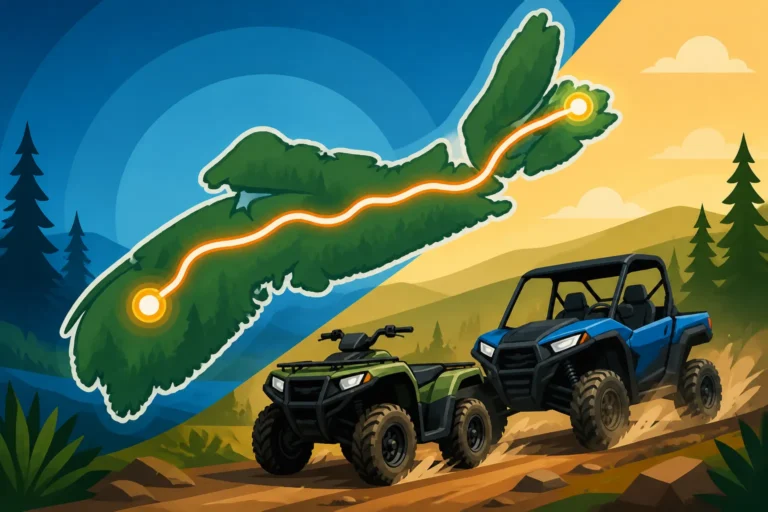
The ultimate vision behind the Road Trails Act is to create a truly connected provincial OHV trail network. Imagine being able to ride from one town to the next, accessing fuel, food, and lodging, all without the need to trailer your machine or risk illegal road riding. This vision is slowly but surely becoming a reality, allowing riders to experience Nova Scotia's beauty more fully. For instance, companies like SuperATV offer a range of products designed to make these longer, more integrated rides comfortable and safe, from windshields for dust and weather protection to mirrors essential for road visibility. The idea is to have designated road trail segments acting as vital links, bridging gaps between existing club trails, private lands, and remote areas. This connectivity is a game-changer for OHV tourism and local economies, as riders spend money in the communities they visit. The provincial government has even outlined [Nova Scotia's 2026 Road Trail Expansion] plans, indicating a clear commitment to growing this network across more counties.
How Local Councils Influence Your Riding Options
Despite the provincial framework, the power to open up road trails largely rests with individual municipal councils. This means that a road trail designation isn't universal across county lines, or even sometimes within different districts of the same county. What might be an open road trail in one community could be strictly off-limits in an adjacent one. This localized decision-making allows councils to consider specific factors such as population density, traffic volume, existing infrastructure, and community sentiment. It means riders absolutely must do their homework before heading out. Relying on word-of-mouth or outdated information can quickly lead to an unexpected fine. Many councils hold public consultations before designating road trails, allowing residents to voice concerns or support. This process can be slow, but it's essential for ensuring community buy-in and the long-term sustainability of the road trail network. Riders are encouraged to engage with their local council and OHV clubs to understand the current status of road trails in their area.
Tracking the Evolution of Road Trail Expansions by Region
Keeping up with the ever-evolving road trail map can feel like a full-time job. What was closed last year might be open this year, and new segments are continually being added. The provincial government, through its Department of Natural Resources and Renewables, often provides updates and lists of designated road trails. However, these lists are often dynamic, changing as municipalities pass new bylaws. For example, some counties might be actively expanding their networks, while others might be taking a more cautious, wait-and-see approach. Riders should regularly consult official provincial and municipal websites, as well as reputable OHV club resources, for the most current information. The All-Terrain Vehicle Association of Nova Scotia (ATVANS) is an excellent resource, as they often work directly with municipalities and the province to identify and advocate for new road trail opportunities. It’s a collective effort to build out these connections, and staying informed is the rider’s responsibility.
Spotlight on Select Counties: Early Adopters and Growing Networks
While the ultimate goal is a province-wide network, some counties and municipalities have been quicker to embrace the road trail concept, often leading the charge in developing accessible and interconnected riding opportunities. These early adopters provide a glimpse into the potential of the system.
Communities Paving the Way for Integrated Riding
Certain communities have truly championed the road trail initiative, understanding its benefits for local residents and tourism. Pictou County, for instance, has been a notable leader. The town of Pictou had an all-roads trial, allowing OHVs on all municipal roads for a trial period, demonstrating a forward-thinking approach to integrating OHVs. Similarly, regions in Guysborough County, such as Mooseland and Old Guysborough Road, have seen significant road trail designations, connecting vast wilderness areas and small communities. These areas are not just opening roads; they are often actively promoting responsible riding and working with local clubs to ensure trail maintenance and safety. They recognize that OHV tourism brings economic benefits through increased patronage of gas stations, restaurants, and accommodation providers. These areas serve as models, showing how effective collaboration between provincial, municipal, and OHV organizations can lead to successful outcomes.
Examples of Successful Road Trail Implementations
Beyond general county approaches, specific road trail segments have proven incredibly successful in connecting key riding areas. Take, for example, the connections made in areas like Mira Gut and Marconi Tower Road in Cape Breton, or Nictaux and the Northern Spur Line in the Annapolis Valley. These aren't just isolated stretches; they are strategic links that unlock larger trail systems, making multi-day rides and extended tours far more feasible. Riders can now plan routes that incorporate scenic drives on designated road trails, linking up with existing backcountry trails. This blend of road and trail riding allows for a richer experience, showcasing the diverse landscapes Nova Scotia has to offer. Organizations like SuperATV also provide specialized accessories like full UTV doors and side mirrors that become invaluable on these mixed-use trails, enhancing both safety and comfort for riders. The beauty of these successful implementations lies in their ability to seamlessly integrate OHVs into the existing infrastructure, making the overall riding experience more fluid and enjoyable.
| County (Example) | Road Trail Status (General) | Noteworthy Features/Progress | Typical Use Cases |
|---|---|---|---|
| Pictou | Progressive, Trial Areas | Town-wide trials, major connections | Access to trails, local amenities |
| Guysborough | Expanding, Wilderness Links | Connects remote areas, significant mileage | Exploring vast backcountry, community access |
| Annapolis | Developing, Strategic Links | Bridging gaps in existing trail networks | Multi-day tours, accessing services |
| Cumberland | Growing, Border Connections | Links to New Brunswick trails, coastal routes | Cross-province riding, scenic views |
| Cape Breton (Richmond/Victoria) | Specific Designations | Coastal views, connecting villages | Tourism, local travel, trail access |
Note: This table provides general examples based on common knowledge of road trail development. Specific designations within counties can change; always check current local regulations.
The Economic and Recreational Impact on Local Areas
The expansion of the road trail system isn't just about fun for riders; it has a tangible economic impact on the communities that embrace it. When OHV riders can legally access towns and villages, they become consumers, stopping for fuel, grabbing a meal, or even booking accommodations. This influx of recreational dollars directly supports local businesses, from small family-run diners to independent gas stations. This economic boost is a powerful incentive for municipalities to designate more road trails, especially in rural areas where other industries might be declining. Furthermore, it enhances recreational opportunities for local residents, providing safe and legal ways to enjoy their machines, connect with nature, and foster a sense of community around the sport. The ability to access these trails from home without a truck and trailer opens up the activity to a broader demographic, increasing participation and contributing to a healthier, more active lifestyle for many Nova Scotians. It's a win-win: riders get more access, and communities see economic benefits.
Rider Responsibilities and Community Harmony on Road Trails
As OHV riders, we have a vital role to play in ensuring the long-term success and acceptance of the road trail system. Every time we ride on a road trail, we are ambassadors for the sport. Our actions directly influence public perception and municipal decisions about future access. This means riding not just legally, but also thoughtfully and respectfully.
Coexisting Peacefully with Other Road Users
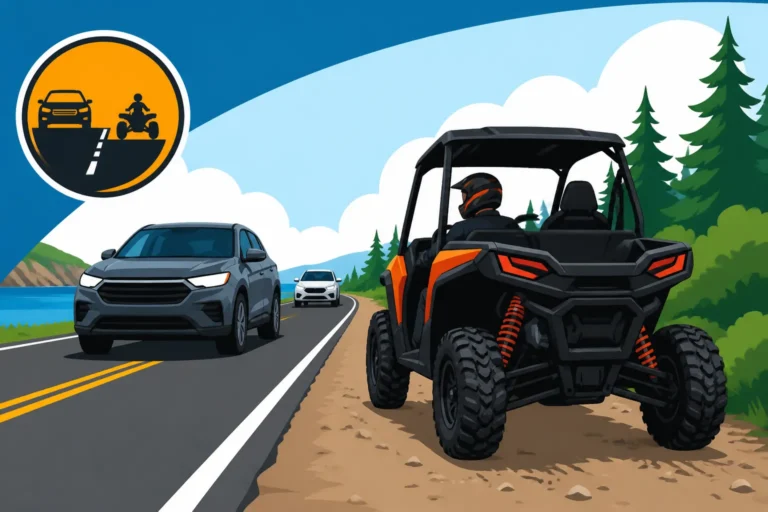
Riding on a road trail means sharing the asphalt with cars, trucks, cyclists, and pedestrians. This demands a heightened sense of awareness and respect. Maintain a safe distance from other vehicles, always signal your turns, and follow all traffic laws just as if you were driving a car. [Nova Scotia Riders Yield to Traffic] is a fundamental rule, emphasizing that OHVs must give way to other vehicles on these shared road segments. Furthermore, keep your speed in check; [Nova Scotia's 25 km/h Road Trail Limit] is often enforced, and going faster not only puts others at risk but also creates excessive noise and dust, which can quickly alienate residents. When you encounter pedestrians or cyclists, slow down significantly, give them ample space, and consider stopping briefly to allow them to pass safely, especially in residential areas. A friendly nod or wave can go a long long way in building positive relationships. Remember, negative encounters can quickly lead to calls for tighter restrictions or even the closure of road trails, jeopardizing access for all.
Minimizing Impact and Maintaining Respect
Beyond direct interactions with other road users, responsible riding on road trails extends to minimizing your overall impact on the environment and local communities. This includes adhering to posted speed limits to reduce dust in residential areas and controlling noise levels. Avoid riding aggressively or engaging in any behaviour that could be perceived as reckless or disruptive. Ensure your machine is well-maintained to prevent oil leaks or other environmental hazards. When you stop, do so in designated areas and always pack out whatever you pack in, leaving no trace behind. Respect private property; never venture off a designated road trail onto someone's land without explicit permission. Even pulling off onto a private shoulder for a break can be seen as trespassing and cause irritation. The goal is to be invisible in terms of negative impact, seamlessly integrating into the community without causing disturbance. Every responsible ride reinforces the idea that OHVs can be a positive addition to the community.
Contributing to a Positive Public Image for OHV Riders
Ultimately, the future of road trails in Nova Scotia depends on the public image of OHV riders. Participating in trail clean-up days, joining a local ATVANS club, or simply being a courteous and responsible rider on the trails all contribute to this positive image. When community members see OHV riders as respectful, law-abiding individuals who care about their surroundings, they are far more likely to support continued or expanded access. Conversely, a few bad apples can quickly spoil the reputation of an entire group, leading to resentment and calls for restrictions. Consider what SuperATV does in their community; they often sponsor events and promote responsible riding. We as riders should emulate that. If you witness irresponsible riding, consider politely educating the individual or, if necessary, reporting consistent egregious behaviour to the proper authorities or your local club. By actively promoting safe and ethical riding, we ensure that the privilege of using road trails continues to be enjoyed by all.
Common Pitfalls and Avoiding Penalties on Nova Scotia's Roads
Even with the best intentions, it's easy to make mistakes when navigating the complex world of Nova Scotia's road trails. Misunderstandings can lead to unexpected fines and penalties, turning a scenic ride into a costly headache. Being aware of common pitfalls is your first line of defense.
Don't Assume Your Machine is "Street Legal" Everywhere
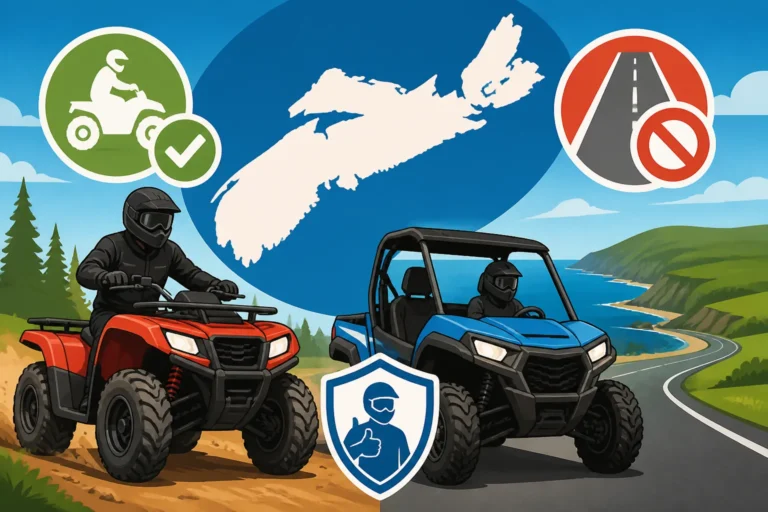
One of the biggest misconceptions among OHV riders in Nova Scotia is the idea that if a machine is allowed on some road trails, it must therefore be "street legal" everywhere. This is absolutely not the case. Your ATV or UTV is not a registered on-road vehicle in the same way a car or truck is, and it cannot be operated on just any public road. The term "road trail" refers to very specific, designated segments of public roads where OHVs are permitted under strict conditions. These conditions often include specific operating hours, speed limits, and equipment requirements that differ from typical on-road vehicles. Riding an OHV on a highway or road that is not a designated road trail is a serious offence. This distinction is crucial: a road trail is a privilege, not a blanket permit for road use. Always check [Nova Scotia Road Trails: Where You Can Ride] and local municipal bylaws to confirm the exact designated areas before you embark on your journey.
The High Cost of Non-Compliance: Fines and Enforcement
The penalties for operating an OHV illegally on Nova Scotia's roads can be significant. Riding an unregistered or uninsured machine, or one without the proper safety equipment, carries substantial fines. As noted earlier, an unregistered machine can incur a [Nova Scotia Fines for an Unregistered Machine] starting at $250. Operating an uninsured machine can result in even higher fines, and in some cases, impoundment of your vehicle. Speeding, failing to yield, or riding outside of designated road trail hours or areas can also lead to tickets. Nova Scotia enforcement officers are increasingly vigilant about OHV compliance, especially with the expansion of the road trail system, as they work to ensure public safety and mitigate complaints. These fines aren't just an inconvenience; they can quickly add up, turning an enjoyable hobby into an expensive liability. Understanding and adhering to all regulations is not just about avoiding a ticket, it’s about contributing to the legitimacy and sustainability of OHV access.
Proving Your Compliance: What an Officer Wants to See
If you are stopped by an enforcement officer while riding on a road trail, they will expect you to provide specific documentation and demonstrate that your machine meets all requirements. Primarily, they will ask for your valid driver's license, proof of registration (your vehicle permit and certificate), and proof of liability insurance (your "pink card"). [Nova Scotia Equipment Checks by Officers] will also involve a visual inspection of your machine to ensure it has functional headlights, tail lights, and acceptable exhaust noise levels. They might also check for age compliance for passengers. Having all your paperwork readily accessible and being able to clearly demonstrate your machine’s compliance will make the encounter smooth and quick. It’s a good practice to keep these documents in a waterproof bag or pouch on your person or securely attached to your machine, such as in a small storage box offered by companies like SuperATV, ensuring they are protected and easy to retrieve. Being polite and cooperative with officers is also key; they are there to enforce the rules for everyone's safety.
Equipping Your Machine for the Diverse Nova Scotia Terrain
Nova Scotia's riding conditions can change dramatically, from rocky coastal trails to muddy inland paths, and now, designated road trails. Equipping your machine properly isn't just about comfort; it's about safety, compliance, and enjoying a trouble-free ride across all these environments.
Essential Equipment for Road Trail Riding
While your machine might be perfectly suited for rough trails, road trail riding introduces new considerations. Visibility is paramount. Installing additional mirrors, potentially an aftermarket rearview mirror, is highly recommended to give you a better view of traffic behind you. Reflective tape on your machine or riding gear can also significantly improve your visibility, especially during dawn, dusk, or in foggy coastal conditions. Consider a horn, if your machine doesn't have one, as it's an important safety feature on shared roads. For UTVs, a full windshield is almost a necessity to protect against road debris and weather. For ATVs, adequate eye protection is a must, even if you're not wearing a full-face helmet. Companies like SuperATV offer robust windshields, mirrors, and lighting kits specifically designed for various UTV and ATV models, making it easier to equip your machine for the unique demands of Nova Scotia's varied terrain, including road trails. Proper tires are also important; while aggressive mud tires are great for deep woods, they can wear quickly and handle poorly on pavement.
Ensuring Your Machine Meets Lighting and Noise Standards
Compliance with lighting and noise regulations is not only a legal requirement but also a matter of safety and community relations. For lighting, ensure your headlight is bright and properly aimed, and your tail light is clearly visible. If you frequently ride in low-light conditions or want to maximize your visibility on road trails, consider upgrading to brighter LED lights. Many aftermarket lighting solutions, including those from SuperATV, offer improved performance and durability. For noise, it's critical that your exhaust system meets factory specifications. Aftermarket exhausts that exceed these limits are a common source of complaints from residents and can lead to fines. Before heading out, do a quick check: ensure all your lights are working, that your horn (if equipped) functions, and that your exhaust doesn't sound excessively loud. Proactive maintenance and periodic checks can prevent potential issues and keep you in compliance.
Pre-Ride Checks and Ongoing Maintenance for Mixed-Use Riding
The varied nature of riding in Nova Scotia—from challenging trails to smooth road segments—means your machine experiences a wide range of stresses. A thorough pre-ride check is more important than ever. Before each ride, especially one involving road trails, check your tire pressure; it affects both handling and wear on pavement. Inspect your brakes, ensuring they are responsive and not grabbing or fading. Check your fluid levels (oil, coolant, brake fluid) and ensure your chain or driveshaft is in good condition. After a particularly dusty or muddy ride, it's a good idea to thoroughly clean your machine, especially the suspension and braking components. Regular maintenance, including oil changes, filter replacements, and belt inspections, will extend the life of your machine and ensure it performs reliably on both trails and designated road segments. Being proactive with maintenance not only saves you money in the long run but also prevents breakdowns in remote areas or inconveniently on a busy road trail, keeping your riding adventures safe and enjoyable.
Disclaimer
This article is for general informational purposes only and does not constitute professional advice. Laws, prices and regulations vary by location and change over time. Consult a qualified professional for guidance on your specific situation.