Nova Scotia’s 2018 Road Trail Pilot
For many years, the idea of legally riding an ATV or UTV on a public road in Nova Scotia felt like a distant dream, often leading to confusion, fines, and a feeling of disconnect between off-highway vehicle enthusiasts and provincial regulations. This guide will walk you through the pivotal period of Nova Scotia's 2018 Road Trail Pilot, explaining how this initial foray into shared road access laid the groundwork for the more extensive road trail system we see today.
The Genesis of Nova Scotia's Road Trail Pilot
Before 2018, the landscape for off-highway vehicle (OHV) use on public roads in Nova Scotia was largely defined by strict prohibitions. Riders were pretty much confined to private land or designated club trails, which, while extensive in some areas, didn't always connect communities or offer convenient access to amenities like fuel or food. This created a significant headache for many, forcing them to trailer their machines for even short distances, or worse, making tough choices that sometimes put them at odds with the law. The sentiment among many riders was clear: there had to be a better way to integrate OHV use with existing infrastructure, fostering both recreation and local economic benefits.
Addressing Rider Demand and Safety Concerns
The push for road access wasn't just about convenience; it also stemmed from a growing recognition of the economic impact OHV tourism could have, especially in rural areas. Local businesses, from small-town diners to independent gas stations, saw the potential in attracting riders who wanted to explore more of Nova Scotia's beautiful backroads and trails. But for this to happen safely and legally, a structured approach was needed. There was a constant dialogue between ATV associations, local communities, and the provincial government, highlighting the need for a framework that would allow responsible riding while addressing concerns about safety for all road users. It was a balancing act, trying to meet the enthusiasm of the OHV community without compromising the safety and peace of mind of other residents.
The Legislative Framework Pre-Pilot
Prior to the 2018 pilot, the Off-highway Vehicles Act generally restricted OHV operation to off-highway lands, with very limited exceptions for crossing public roads at specific intersections or for agricultural purposes. This rigid framework meant that any attempt to use a machine for practical transportation, even to get from one trail segment to another just down the road, was technically illegal. This situation created a lot of frustration, especially for those living in rural areas where an ATV or UTV might be a primary mode of transportation for short distances or for connecting to a larger trail network. The law, as it stood, hadn't quite caught up with the evolving use cases and capabilities of modern off-highway vehicles, leading to a patchwork of informal agreements and enforcement challenges across different communities.
Pilot Program Locations and Early Learnings
Recognizing the need for a more integrated approach, the Nova Scotia government, in collaboration with the Nova Scotia All-Terrain Vehicle Association (ATVANS) and various municipalities, launched the Road Trail Pilot Project in 2018. This was a cautious but significant step, designating specific road segments in select communities where OHVs could legally operate. It wasn't a free-for-all; rather, it was a controlled experiment designed to gather data, assess impacts, and iron out the kinks before any broader rollout. For many riders, this was a moment of cautious optimism, finally seeing a path toward expanded, legal access.
Initial Communities and Their Unique Challenges
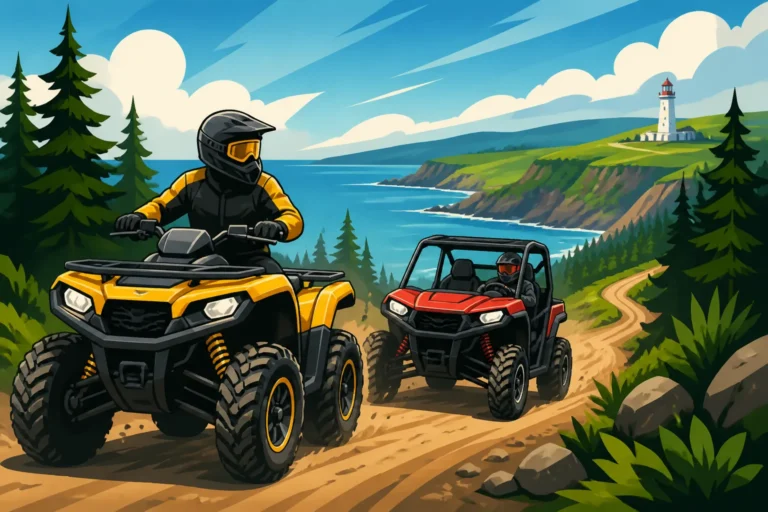
The 2018 pilot kicked off in seven distinct communities across Nova Scotia: Pictou, Cumberland, Guysborough, Annapolis, Argyle, Richmond, and Victoria. Each location was chosen to represent a diverse set of conditions, from bustling village roads to quieter rural stretches. For instance, areas like Pictou, known for its scenic coastal routes, faced different challenges than the more remote, wooded areas of Guysborough or the agricultural lands of Annapolis. One of the biggest learning curves was understanding how existing traffic patterns and community expectations would interact with OHV use. In some villages, the addition of OHVs on local roads was welcomed, while in others, concerns about noise and shared road safety quickly became apparent. The pilot aimed to collect real-world data from these varied environments, providing a rich tapestry of experiences to inform future decisions. [Seven Communities at the Start] gives more context to these initial choices.
Community Engagement and Feedback Mechanisms
A crucial component of the pilot was active community engagement. It wasn't just about putting machines on roads; it was about listening to residents, business owners, and OHV operators alike. Public meetings, online surveys, and direct feedback channels were established to capture the full spectrum of opinions and experiences. This feedback was vital in identifying hotspots, refining rules, and understanding the practical implications of shared road use. For example, if a particular road segment consistently drew complaints about excessive speed or noise, adjustments could be considered. This iterative process of implementation, observation, and adjustment was key to the pilot's success and ensured that the subsequent policy changes were grounded in community realities rather than just theoretical assumptions.
Key Regulations and Rules During the Pilot
Operating an OHV on these new road trails wasn't like riding on an unrestricted trail system. There were specific rules and conditions that riders had to adhere to, designed to ensure the safety of everyone sharing the road. This meant a mental shift for many riders, transitioning from purely off-road habits to a more cautious, road-aware mindset. Ignoring these rules wasn't just risking a ticket; it risked undermining the entire pilot program and potentially jeopardizing future access for all.
Operating Rules and Restrictions During the Pilot
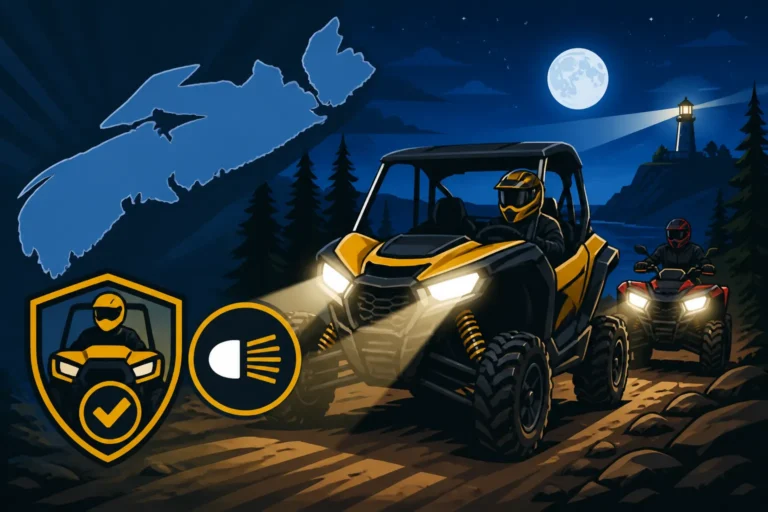
During the pilot, OHVs were permitted only on designated road segments, and only during specific hours. The [Nova Scotia Road Trail Operating Hours] were often sunrise to sunset, restricting night riding for safety reasons. A strict speed limit of [Nova Scotia's 25 km/h Road Trail Limit] was enforced, emphasizing that these were shared spaces, not racetracks. Riders were required to operate single file and yield to other traffic, treating these road trails with the same respect as any other public thoroughfare. The idea was to integrate OHVs into the existing traffic flow smoothly and safely, minimizing disruptions for other drivers and pedestrians. This cautious approach helped build public trust and demonstrated that OHV enthusiasts could be responsible road users.
Mandatory Equipment and Rider Requirements
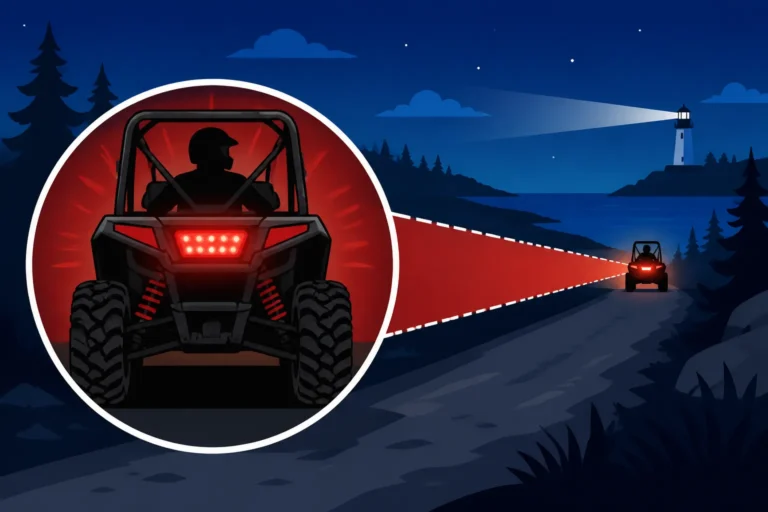
To legally participate in the pilot, OHVs had to meet certain equipment standards. This meant ensuring your machine had working headlights, taillights, brake lights, and a horn. Safety gear was non-negotiable; riders and passengers were required to wear an approved helmet, meeting standards like DOT or CSA. [Nova Scotia Helmet Law for Riders] was strictly enforced. Furthermore, riders had to possess a valid driver's license – a [Nova Scotia Requires a Full Driver's Licence], not a learner's permit – and the machine had to be registered and insured. [Nova Scotia Requires Registration and Insurance] was a fundamental requirement, ensuring accountability in the event of an incident. For riders looking to enhance their machines for this mixed-use, aftermarket accessories from reputable brands like SuperATV, offering enhanced lighting, durable mirrors, or improved signal kits, often became popular upgrades to ensure full compliance and increased safety.
Enforcement and Compliance
The success of the pilot heavily relied on rider compliance and effective enforcement. Local law enforcement, including the RCMP and municipal police, played a vital role in monitoring the designated road trails. Their approach was often one of education first, especially in the early days, explaining the new rules and the rationale behind them. However, for those who continuously flouted the regulations, penalties were in place. Fines for infractions like speeding, operating an unregistered machine, or failing to wear a helmet could be substantial, reflecting the seriousness of road safety. The goal was to foster a culture of responsible riding on these new road trails, ensuring that the privilege of access wasn't abused.
Impact and Evolution of the Road Trail Initiative
The 2018 Road Trail Pilot was never intended to be a permanent solution but rather a testing ground. Its findings and the invaluable feedback gathered during its duration proved instrumental in shaping the future of OHV access in Nova Scotia. It demonstrated that with proper regulation, enforcement, and rider education, sharing certain road segments with OHVs was not only feasible but could also be beneficial.
Data Collection and Pilot Evaluation
Throughout the pilot, extensive data was collected on everything from accident rates to rider compliance and community sentiment. This data formed the backbone of the evaluation process, allowing policymakers to objectively assess the program's strengths and weaknesses. It highlighted areas where the rules were working well and areas that needed refinement. For instance, data might have shown that certain types of roads were better suited for OHV access than others, or that specific intersection designs posed higher risks. This rigorous evaluation, detailed in reports shared with stakeholders, was critical for justifying the next steps and ensuring that future legislation was evidence-based. Understanding the actual impact of OHVs on road safety and community harmony was paramount, and the pilot provided that crucial insight.
Transition to Permanent Legislation and Expansion
The positive outcomes and lessons learned from the 2018 pilot directly paved the way for the development and proclamation of Nova Scotia's Road Trails Act in September 2023. This legislation transformed the temporary pilot program into a permanent, province-wide framework, providing a much clearer and more consistent set of rules for OHV operation on designated road trails. It was a monumental achievement for the OHV community, realizing years of advocacy. The Act didn't just solidify the rules; it also provided a mechanism for ongoing expansion, with new road trails being added incrementally, connecting more communities and extending the network. [Nova Scotia's Road Trails Act Explained] delves into the details of this legislative triumph.
Practical Considerations for Riding on Road Trails
As Nova Scotia continues to expand its road trail network, riders need to be proactive in understanding and adhering to the specific requirements for operating on these shared-use roads. It's not just about knowing the rules; it's about preparing yourself and your machine for a different kind of riding experience. Whether you're a seasoned veteran or new to the sport, a little preparation goes a long way to ensure a safe and enjoyable ride.
Preparing Your Machine for Road Trail Use
Before you even think about hitting a road trail, give your machine a thorough check-up. Beyond the basic safety equipment like functioning lights and a horn, consider upgrades that enhance road visibility and safety. For instance, proper mirrors are essential for checking traffic behind you, and many riders find that aftermarket turn signals, even if not strictly mandated for all machines, significantly improve safety when interacting with other vehicles. Ensuring your tires are in good condition and suitable for mixed terrain, from paved roads to gravel, is also crucial. Some riders even opt for more robust underbody protection or enhanced suspension components, especially if they anticipate transitioning frequently between demanding off-road sections and smoother road trails. Reputable brands like SuperATV offer a range of such accessories, allowing riders to tailor their machines for the unique demands of Nova Scotia's varied road and trail conditions.
| Feature | Off-Road Only Machine (Typical) | Road Trail Ready Machine (Minimum) | Recommended for Enhanced Safety |
|---|---|---|---|
| Headlights | Yes | Working, white, visible 300 ft | Brighter LED, properly aimed |
| Tail/Brake Lights | Yes | Working, red, visible 200 ft | Brighter LED |
| Turn Signals | No (often) | Not universally required | Strongly recommended (front & rear) |
| Horn | Yes | Working | Clear, audible |
| Mirrors | Optional | Required (at least one left-side) | Two (left and right), wide view |
| Tires | Aggressive tread, soft compound | Mixed-terrain, durable | DOT-approved for road use |
| Insurance | Basic liability often sufficient | [Nova Scotia's $500,000 Liability Minimum] | Higher limits for peace of mind |
| Registration | [Nova Scotia OHV Registration Cost] | Valid [Nova Scotia's Certificate and Vehicle Permit] | Clearly displayed |
| Driver's Licence | Not always required off-road | [Nova Scotia Requires a Full Driver's Licence] | Always carry |
| Helmet | Recommended | [Nova Scotia Helmet Law for Riders] (approved) | DOT/CSA/Snell/BSI approved |
| Eye Protection | Recommended | Required under 16, recommended for all | Full face helmet or goggles |
| Noise Level | Can be aftermarket, louder | Factory exhaust levels only | Mindful of community noise |
Riding Etiquette and Community Relations
Operating on road trails means you're sharing the space with cars, bicycles, pedestrians, and local residents who might not be accustomed to seeing OHVs on their streets. This calls for a heightened sense of awareness and courtesy. Slow down when passing homes, yield to pedestrians and cyclists, and always be mindful of noise levels, especially in residential areas. A friendly wave or a nod to other road users can go a long way in building positive relations. Remember, every time you ride on a road trail, you're an ambassador for the entire OHV community. Demonstrating responsible behaviour helps maintain the privilege of access and encourages further expansion of the network. Conversely, a few irresponsible riders can quickly erode public support and put future access at risk.
Looking Beyond the Pilot: The Future of OHV Road Access
The 2018 Road Trail Pilot was a crucial first step, but it was just the beginning. The successful implementation and subsequent legislative changes have set Nova Scotia on a path toward a more integrated and accessible OHV network. The journey continues with ongoing expansions and a focus on responsible growth, always balancing the needs of riders with the concerns of the broader community.
The Nova Scotia Road Trails Act and Beyond
With the [An Act Proclaimed in 2023], Nova Scotia has established a robust legal framework for road trails. This Act formalizes the process for designating new road trail segments, ensuring that communities have a say and that all safety considerations are addressed. The legislation also provides for penalties for non-compliance, reinforcing the importance of responsible operation. The government is actively working on expanding the network, identifying more suitable roads that can connect existing trail systems, provide access to services, and open up new riding opportunities. This ongoing expansion is a testament to the success of the pilot and the collaborative efforts of various stakeholders. As the network grows, riders can look forward to longer, more interconnected routes across the province.
Future Expansion and Ongoing Dialogue
The expansion of Nova Scotia's road trail system is a dynamic process. The province has ambitious plans for further growth, with hundreds of additional kilometres expected to be added in the coming years. [Nova Scotia's 2025 Road Trail Expansion] and [Nova Scotia's 2026 Road Trail Expansion] are already in the works, signaling a long-term commitment to enhancing OHV access. This continued growth means more opportunities for riders to explore the province, support local businesses, and experience the beauty of Nova Scotia from a new perspective. However, this expansion also relies on the ongoing cooperation and good faith of riders. Maintaining open lines of communication with local communities, respecting the rules, and continuing to advocate for responsible riding practices will be key to ensuring the long-term success and growth of this fantastic initiative. The dialogue never truly ends, as the system evolves to meet the changing needs of both riders and residents.
Disclaimer
This article is for general informational purposes only and does not constitute professional advice. Laws, prices and regulations vary by location and change over time. Consult a qualified professional for guidance on your specific situation.