Nova Scotia Requires Registration and Insurance
Riding an off-highway vehicle (OHV) in Nova Scotia, whether it's an ATV or a UTV, is an exhilarating way to explore our beautiful province. However, many riders, especially new ones or those accustomed to other jurisdictions, often find themselves surprised by the provincial requirements that mandate both registration and insurance, even if they only plan to ride on private land or a specific club trail. This guide aims to clear up the confusion and help you navigate the essential steps to ensure your machine is legally ready for the varied terrain Nova Scotia has to offer, from remote backwoods trails to designated road-access corridors.
The Non-Negotiables: Registration for Off-Highway Vehicles in Nova Scotia
It's easy to assume that because your ATV or UTV isn't a "road vehicle," it doesn't need to be officially registered. However, in Nova Scotia, that's simply not the case. The province views off-highway vehicles as serious equipment requiring proper documentation and identification, much like your car or truck. Neglecting this crucial step can lead to unexpected headaches and significant fines down the line.
Why Your Machine Needs to Be on the Books
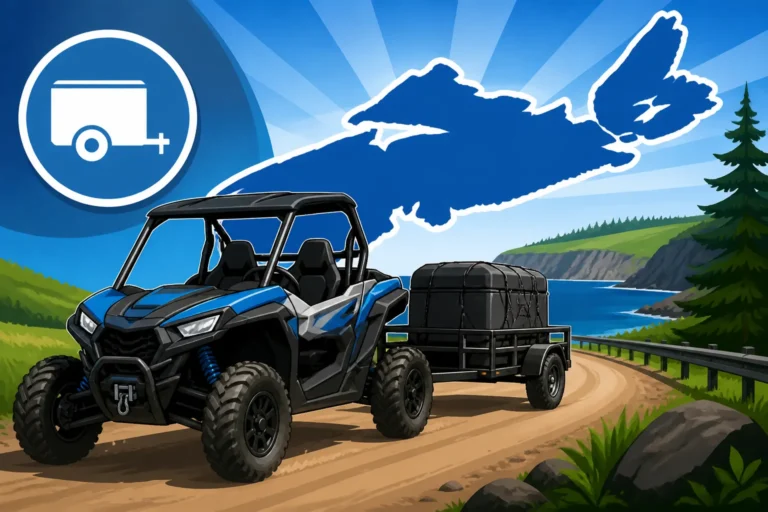
Think of registration not just as a formality, but as establishing your machine's identity and your ownership within the province. Even if your riding adventures are strictly confined to your own private property, or a friend's woodlot, the moment you transport that machine on a public road – perhaps on a trailer to get to your favourite trailhead – it's expected to be registered. This requirement ensures that ownership is clearly established, aiding in theft recovery and facilitating legitimate sales. It’s also a foundational step for any interaction with provincial regulations, from trail permits to accident reporting. Without proper registration, you're essentially operating an anonymous machine, which can raise red flags with law enforcement.
Beyond the legal aspect, registration helps fund the very infrastructure many of us enjoy. A portion of the fees collected goes towards the Nova Scotia's OHV Infrastructure Fund, which helps support the development and maintenance of our extensive trail network. So, in a way, registering your machine is also contributing to the riding community and ensuring there are more places for you to explore responsibly.
The Initial Costs: Certificate and Permit
When you first register your off-highway vehicle in Nova Scotia, you'll encounter two primary fees. There's the one-time Certificate of Registration fee and then the annual Vehicle Permit fee. The Certificate of Registration is essentially your proof of ownership, linking you directly to your specific machine by its Vehicle Identification Number (VIN). This is a foundational document, much like a title, that confirms your legal claim to the ATV or UTV. [Nova Scotia's Certificate and Vehicle Permit] This initial fee confirms your machine's entry into the provincial system, and thankfully, you only pay it once as long as you own that specific machine.
Then there's the Vehicle Permit, which needs to be renewed annually. This permit is what allows your machine to be operated, and it's accompanied by a sticker that is displayed on your OHV. It's a key identifier for enforcement officers and trail wardens alike. It's vital to understand that both of these components are required. You can't just pay for one and skip the other, as they work in tandem to establish your machine's legal status in the province. Always check current fees with Access Nova Scotia, but be prepared for these two distinct charges when you head to the counter for the first time.
Annual Renewals and Ongoing Obligations
Once your machine is initially registered, the Certificate of Registration remains valid for as long as you own it. However, that Vehicle Permit? That's your annual commitment. Every year, you'll need to renew your permit to keep your OHV's registration current. This renewal process is generally straightforward and can often be done easily at any Access Nova Scotia centre. [Nova Scotia Permit Renewal at $13.20] It’s important to mark your calendar and not let this slip, because an expired permit is, from a legal standpoint, just as problematic as never registering in the first place.
Missing a renewal deadline can lead to fines if you're caught riding or transporting your machine with an expired permit. It's not just about the monetary penalty; it can also affect your insurance coverage in the event of an incident. Many insurance policies stipulate that your machine must be legally registered to maintain coverage. So, keeping that permit current isn't just about avoiding a ticket; it's about safeguarding your investment and your peace of mind. It's a good practice to handle your permit renewal at the same time each year, perhaps setting a reminder in your phone, to ensure you never accidentally lapse.
Understanding Nova Scotia's Mandatory OHV Insurance
Just like your car, operating an off-highway vehicle in Nova Scotia isn't just about having it registered; it's also about carrying adequate insurance. This isn't an optional add-on for most riders; it's a legal requirement designed to protect everyone on and around our trails and roads. Many riders don't realize the full scope of what's required until they're at the registry counter or, worse, involved in an incident.
More Than Just a "Pink Card": What's Required
For anyone who drives a car, the concept of a "pink card" is familiar – that small slip of paper proving you have liability insurance. With OHVs in Nova Scotia, it’s much the same. You absolutely need proof of insurance. This isn't just a suggestion; it's mandated by law, and an officer can ask to see it, just like they would for a car. [Nova Scotia Insurance Requirements for Riders] This requirement has been in place for many years, so it's not a new regulation. It's about ensuring that if something goes wrong – an accident, property damage, or injury to another person – there's a financial safety net in place.
The specific type of insurance required is liability insurance. This covers damages or injuries you might cause to other people or their property while operating your OHV. It doesn't necessarily cover damage to your own machine or your own injuries, which is a common misconception. For that, you'd typically need additional comprehensive or collision coverage. It’s crucial to speak with an insurance broker who understands OHV policies to ensure you're getting the right coverage for your needs, not just the bare minimum. They can explain the nuances of deductibles, coverage limits, and any exclusions that might apply.
Liability Coverage: The Bare Minimum
In Nova Scotia, the minimum amount of liability coverage required for off-highway vehicles is quite clear: it's $500,000. This might seem like a substantial figure, but in the unfortunate event of a serious accident involving injury or significant property damage, that half-million-dollar figure can quickly be reached or even exceeded. [Nova Scotia's $500,000 Liability Minimum] This liability insurance is there to protect you financially from claims brought against you by third parties. For example, if you accidentally hit another rider, damage someone's fence, or cause injury to a pedestrian while operating your machine, your liability coverage would respond to those costs, up to your policy limit.
It’s important to carry proof of this insurance with you whenever you're riding. A physical pink card or an electronic version on your phone is usually acceptable. An officer conducting a random check on a trail or road trail could ask for it, and not being able to produce it can lead to penalties. When considering your insurance, while the $500,000 is the legal minimum, many riders opt for higher limits, such as $1 million or $2 million, for added peace of mind, especially given the rising costs of medical care and potential legal fees in accident claims.
What Insurance Does (and Doesn't) Cover
As we've touched upon, the mandatory liability insurance primarily covers damage or injury you inflict upon others. It’s crucial to understand that this basic coverage doesn't automatically protect your own investment, your shiny new UTV, or your prized ATV. If you roll your machine on a tricky section of trail or collide with a tree, your liability policy typically won't pay for the repairs to your own vehicle. For that, you'd need to add collision coverage to your policy. Similarly, if your machine is stolen from your garage or vandalized, you'd be looking for comprehensive coverage.
Many riders, after investing thousands of dollars in their machines, choose to enhance their coverage beyond the basic liability. This might include collision, comprehensive, accident benefits, and uninsured motorist coverage. Accident benefits can help cover your own medical expenses if you're injured, regardless of fault. Uninsured motorist coverage provides protection if you're hit by another OHV rider who doesn't have insurance. It's also worth noting that special exemptions exist, such as for racing machines, but for the average trail rider, these coverages are standard considerations. While your liability insurance protects others, you might also invest in high-quality accessories, perhaps from SuperATV, to protect your machine itself from trail hazards, thereby potentially reducing the need for collision claims.
Riding on Nova Scotia's Road Trails: Where Registration and Insurance Become Critical
Nova Scotia has been expanding opportunities for OHV enthusiasts, particularly with the advent of designated "road trails" that allow ATVs and UTVs on specific sections of public roads. This is a fantastic development, opening up new loops and access points that were previously off-limits. However, these privileges come with stringent rules, and nowhere are your registration and insurance more critical than when you transition from a dirt trail to a paved municipal road.
The Road Trails Act: A Game Changer
The Off-highway Vehicles Act, especially with its recent amendments and the proclamation of the Road Trails Act in September 2023, has significantly reshaped the landscape for OHV riders in Nova Scotia. [Nova Scotia's Road Trails Act Explained] This legislation allows municipalities to designate specific roads or shoulders of roads as "road trails," creating legal connectors between existing trail systems or providing access to services. This means riders can, for the first time, legally travel short distances on certain public roads, bridging gaps in the trail network and making longer rides more feasible.
This wasn't always the case, and many long-time riders remember the days when any public road travel, even for a short hop, was strictly forbidden and highly risky. The Road Trails Act has been a welcome change, but it's vital to remember that these aren't free-for-all zones. They are highly regulated segments of public infrastructure, and operating an OHV on them means you are under the watchful eye of the law, much like any other motor vehicle. The expansion of these road trails, with many more kilometres being added in the coming years, emphasizes the need for every rider to be fully compliant with registration and insurance mandates.
Specific Requirements for Road Trail Access
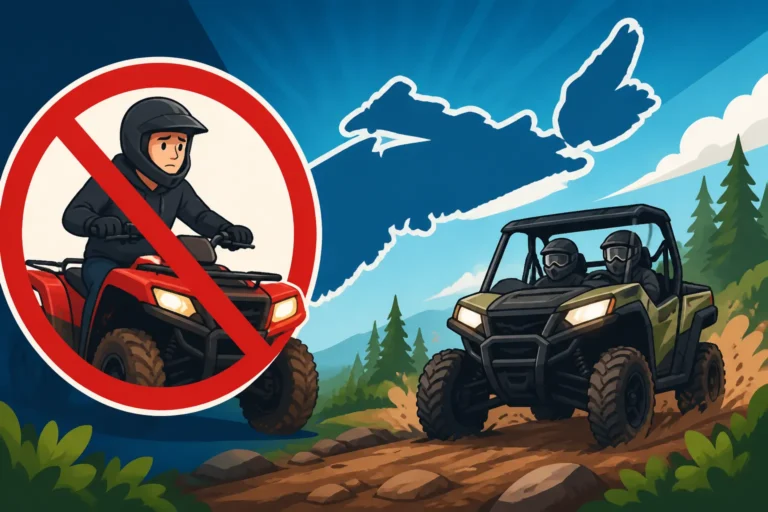
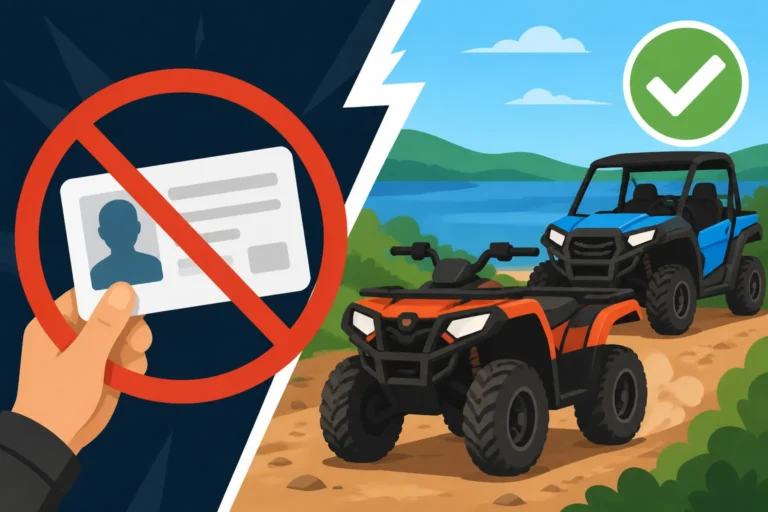
Venturing onto a designated road trail in Nova Scotia demands more than just a registered and insured machine. You, as the operator, also have specific requirements to meet. First and foremost, you must hold a valid, full driver's licence. Learner's permits simply won't cut it. This immediately means that younger riders, or those without a regular driver's licence, cannot operate an OHV on these sections, even if they are otherwise legal to ride on private trails. [Do You Need a Licence for an ATV in Nova Scotia?] This is a significant distinction from many off-road situations and is critical for rider safety and public perception.
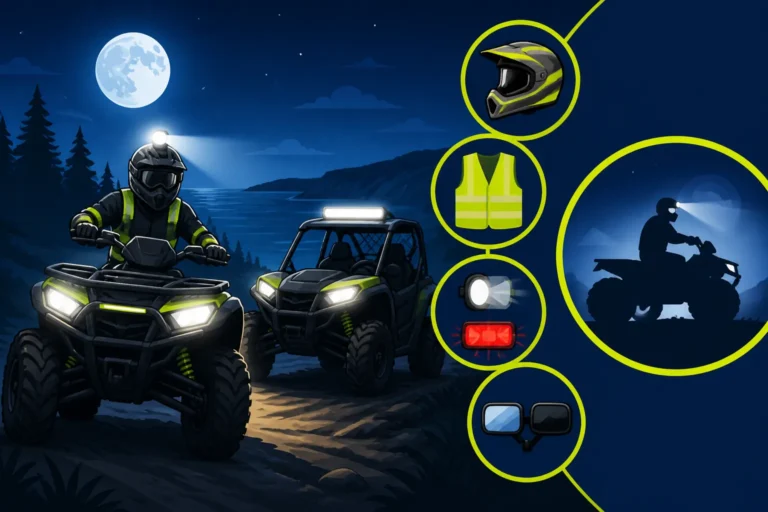
Beyond your licence, there are operational rules that mirror standard road traffic laws. You must wear an approved helmet, your machine must have working headlights and tail lights (especially at night), and you must adhere to a strict speed limit of 25 km/h. [Nova Scotia's 25 km/h Road Trail Limit] Riders must travel single file and yield to other traffic. For those venturing onto Nova Scotia's road trails, having proper lighting and mirrors is non-negotiable. Many riders turn to aftermarket solutions, such as those offered by SuperATV, to ensure their machines are equipped with durable, road-legal components that meet provincial standards. These regulations are in place to ensure safe integration of OHVs into the existing road network and to minimize potential conflicts with other road users.
Crossing Public Highways: A Different Set of Rules
While road trails allow limited travel along certain roads, crossing a public highway is a slightly different scenario with its own set of rules. You can't just zip across a major thoroughfare at will. When you need to cross a paved public highway that isn't a designated road trail, you must approach the crossing as close to a 90-degree angle as possible, come to a complete stop, and yield to all traffic. You must also have your full driver's licence to perform this manoeuvre. [Nova Scotia Rules for Crossing a Highway] This is considered a privilege, not a right, and it must be executed with extreme caution and compliance.
The purpose of these strict crossing rules is to minimize the time an OHV is on a high-speed public road and to ensure maximum visibility for both the OHV operator and oncoming traffic. It requires keen awareness of your surroundings and the ability to execute the crossing quickly and safely. Attempting to cross without a proper licence, or in a reckless manner, will undoubtedly attract the attention of law enforcement and can result in severe penalties, potentially even vehicle impoundment. Always assume you are highly visible and accountable when performing a road crossing.
Avoiding Penalties: The Cost of Non-Compliance
It's tempting to think that you might "get away with it" if your machine isn't registered or insured. However, Nova Scotia law enforcement agencies are well-versed in OHV regulations, and they actively patrol trails, road trails, and even areas where machines are being transported. The penalties for non-compliance are not trivial; they can range from significant fines to vehicle impoundment, creating a serious financial and logistical burden for the owner.
Fines for Unregistered Machines
Operating an unregistered off-highway vehicle in Nova Scotia is a ticketable offense, and the fines are designed to be a strong deterrent. You're looking at a minimum fine of $250 if you're caught riding a machine that isn't properly registered. [Nova Scotia Minimum Fine of $250] This isn't a one-off payment either, as court costs can often be added on top, increasing the total amount you have to pay. The fine increases significantly if you're a repeat offender or if there are aggravating circumstances, such as reckless operation.
Beyond the initial fine, an officer has the discretion to impound your machine. Imagine having your ATV or UTV towed away, leaving you stranded, and then facing the additional costs of towing and storage fees before you can even think about getting it back – and that's after you get it registered. It's a costly and inconvenient lesson that easily outweighs the annual permit fee. Registering your machine is not just a legal obligation; it's a simple way to avoid a very expensive mistake that could put a damper on your riding season. [Nova Scotia Fines for an Unregistered Machine]
Consequences of Riding Without Insurance
Just as with registration, riding an OHV without the mandatory liability insurance carries substantial penalties. An officer stopping you on a trail, road trail, or even observing your machine being operated in a public area without a valid pink card can issue a hefty fine. Not only are the fines typically higher than those for an unregistered machine, but the long-term consequences can be far more severe. If you are involved in an accident and found to be uninsured, you could be held personally liable for all damages and injuries. This means legal bills, medical costs for others, and property repair bills could come directly out of your pocket, potentially leading to financial ruin.
Furthermore, riding uninsured often results in an automatic suspension of your driver's licence, even if the incident occurred on an OHV and not your car. This can have a devastating impact on your daily life, affecting your ability to commute to work, run errands, and generally move around. Your future insurance premiums for all your vehicles, including your car, will likely skyrocket, as you'll be classified as a high-risk driver. The cost of a yearly insurance policy, even for the minimum liability, is a small price to pay compared to the potential financial catastrophe and legal nightmare of riding without it.
Other Tickets and Citations You Might Encounter
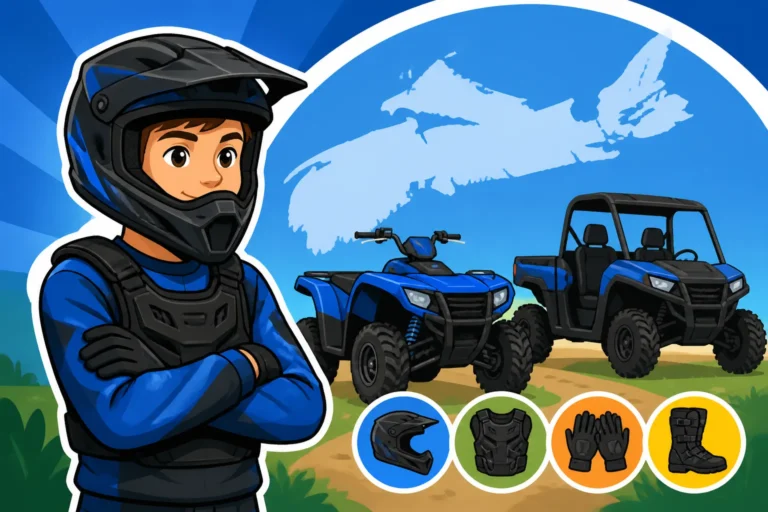
While registration and insurance are foundational, they're not the only rules you need to follow. When riding an OHV, you're subject to a whole host of regulations that, if ignored, can also lead to citations. This includes things like helmet laws, speed limits, noise regulations, and rules about operating hours on road trails. [Nova Scotia Helmet Law for Riders] Modifying your exhaust to be excessively loud, riding too fast in residential areas, or operating off-trail on private property without permission can all lead to tickets.
For those riding on road trails, specific infractions like failing to yield, not riding single file, or exceeding the 25 km/h limit will be enforced as they would for any other vehicle. There are also rules regarding age restrictions for operators and passengers, as well as specific gear requirements for youth riders. Understanding the full scope of the Off-highway Vehicles Act and municipal bylaws is crucial. Being registered and insured is the starting point, but demonstrating responsible riding habits and obeying all laws is what truly ensures a safe and enjoyable experience for everyone.
Practical Steps to Ensure Compliance
Navigating the bureaucracy of vehicle registration and insurance can feel daunting, but it doesn't have to be. By breaking down the process into manageable steps, you can ensure your ATV or UTV is fully compliant with Nova Scotia's regulations, giving you the freedom to explore without worry. Taking proactive measures will save you time, money, and stress in the long run.
Registering Your Machine at Access Nova Scotia
The primary place to register your off-highway vehicle is at an Access Nova Scotia service centre. You'll need to gather a few key documents before you go. If you're buying a new machine from a dealer, they will often handle the initial registration process for you as part of the purchase, which is a huge convenience. [Nova Scotia Dealers Registering New Machines] However, if you're buying privately, you'll be responsible for taking care of it yourself. You’ll need a bill of sale that clearly identifies the machine (make, model, VIN) and the seller and buyer information. If the machine was previously registered in Nova Scotia, you'll also need the previous owner's Certificate of Registration.
When you arrive at Access Nova Scotia, you'll fill out the necessary paperwork, pay the Certificate of Registration fee and the annual Vehicle Permit fee, and they will process your application. It’s always a good idea to call ahead or check their website for current requirements and operating hours. [Registering an ATV at Access Nova Scotia] Make sure the VIN on your machine matches the paperwork exactly. If there are any discrepancies, it could delay the process. Once complete, you'll receive your Certificate of Registration and your new Vehicle Permit, which typically includes a sticker to affix to your machine.
Securing the Right Insurance Policy
Finding the right insurance for your OHV is a critical step, and it's best not to leave it until the last minute. The easiest way to secure your mandatory liability insurance is to contact an insurance broker. They work with multiple insurance companies and can shop around to find you the best rates and coverage options. You'll need to provide details about your machine (make, model, year, VIN), where it's stored, and your riding experience. Be honest about how you plan to use the machine, as this can affect your coverage.
Don't just settle for the minimum liability coverage. Discuss additional options like comprehensive, collision, and accident benefits with your broker. Think about the value of your machine, your financial situation, and how often and where you ride. A rider who frequently explores remote trails might want more robust coverage than someone who only rides on their own property occasionally. Compare quotes from a few different providers to ensure you're getting competitive rates. Once you've chosen a policy, ensure you receive your proof of insurance (pink card) promptly and keep it with your machine, ready to present if requested.
Keeping Your Paperwork in Order
Once you've gone through the process of registering your OHV and securing insurance, the final step is to keep all your important paperwork safe and accessible. Your Certificate of Registration is a vital ownership document; treat it like your vehicle's title and store it in a secure location, not necessarily on the machine itself where it could be lost or damaged. You only need to carry a copy of it or be able to reference its details if asked.
However, your current Vehicle Permit and your proof of insurance (pink card) must be carried with you whenever you're operating your OHV. Many riders keep these laminated or stored in a waterproof bag attached to their machine, in a secure pocket, or on their person. It’s a good idea to have both a physical copy and an electronic version on your phone, if possible. Regularly check the expiry dates on your permit and insurance policy to ensure they remain current. Just as you'd maintain your insurance, regular maintenance and using reliable parts, perhaps sourcing upgrades from SuperATV, ensures your machine runs smoothly and reduces the likelihood of issues that could impact your legal standing on the trails or roads. A little organization can save a lot of trouble and ensure your riding adventures in Nova Scotia are always legal and enjoyable.
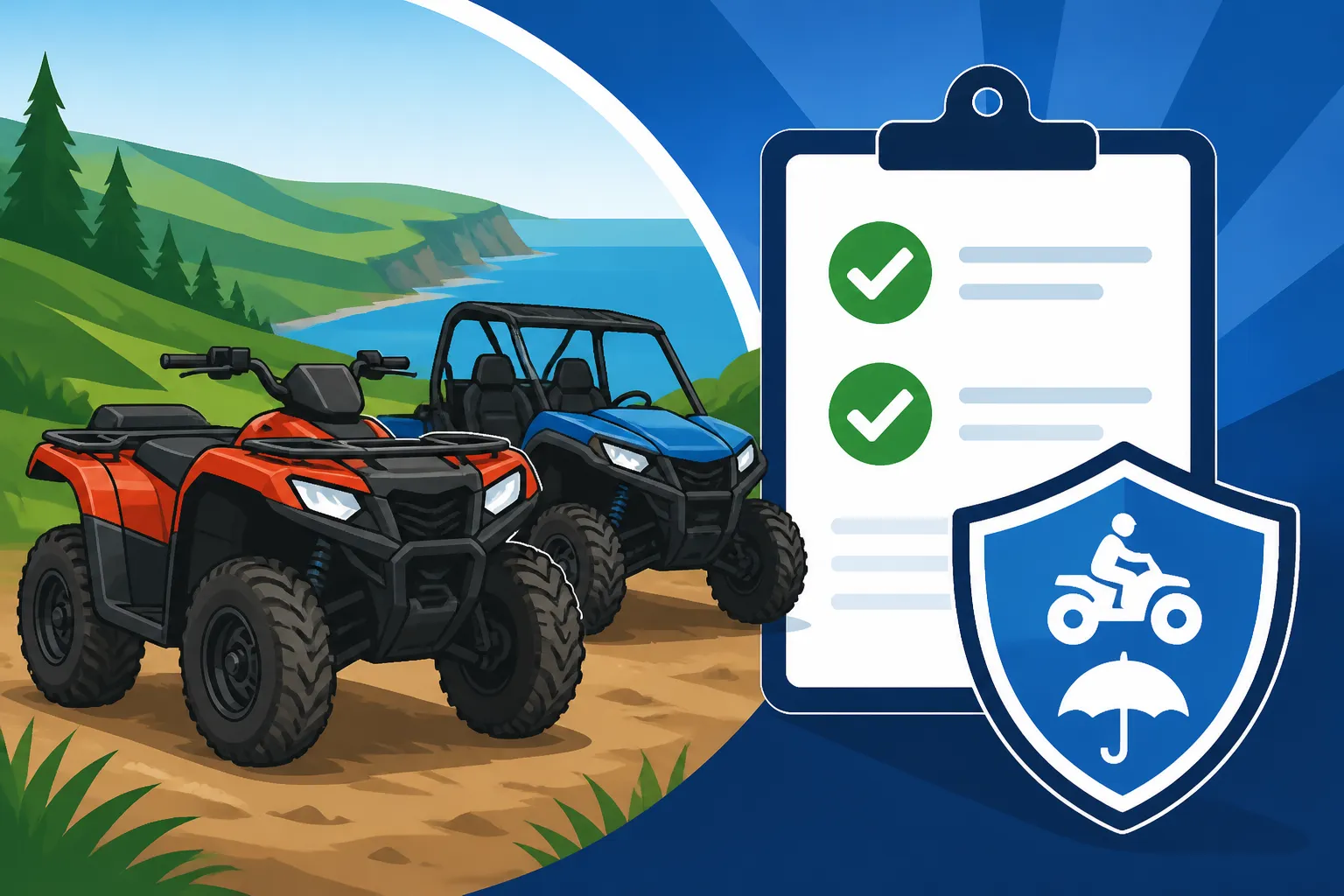
OHV Registration and Insurance Checklist
| Requirement | Purpose | Key Documents/Proof | When/How Often | Where to Obtain |
|---|---|---|---|---|
| Registration | Legal proof of ownership & provincial compliance | |||
| Certificate of Registration | One-time proof of ownership for the machine | Bill of Sale, Previous Certificate (if used) | One-time | Access Nova Scotia |
| Vehicle Permit | Annual authority to operate the machine | Previous permit, payment | Annually | Access Nova Scotia |
| Insurance | Financial protection for third-party damages/injuries | |||
| Liability Insurance | Covers damage/injury to others; minimum $500,000 req. | Pink Card (Proof of Insurance) | Annually (policy term) | Insurance Broker/Company |
| Rider/Operator | Personal legal requirements for operating | |||
| Full Driver's Licence | Required for Road Trail access & highway crossings | Valid Driver's Licence | Always current | Nova Scotia Registry of Motor Vehicles |
| Approved Helmet | Mandatory safety equipment | CSA, DOT, Snell, BSI standard mark | Always worn | Retailer (Powersports, Motorcycle stores) |
Disclaimer
This article is for general informational purposes only and does not constitute professional advice. Laws, prices and regulations vary by location and change over time. Consult a qualified professional for guidance on your specific situation.