Nova Scotia’s 2025 Road Trail Expansion
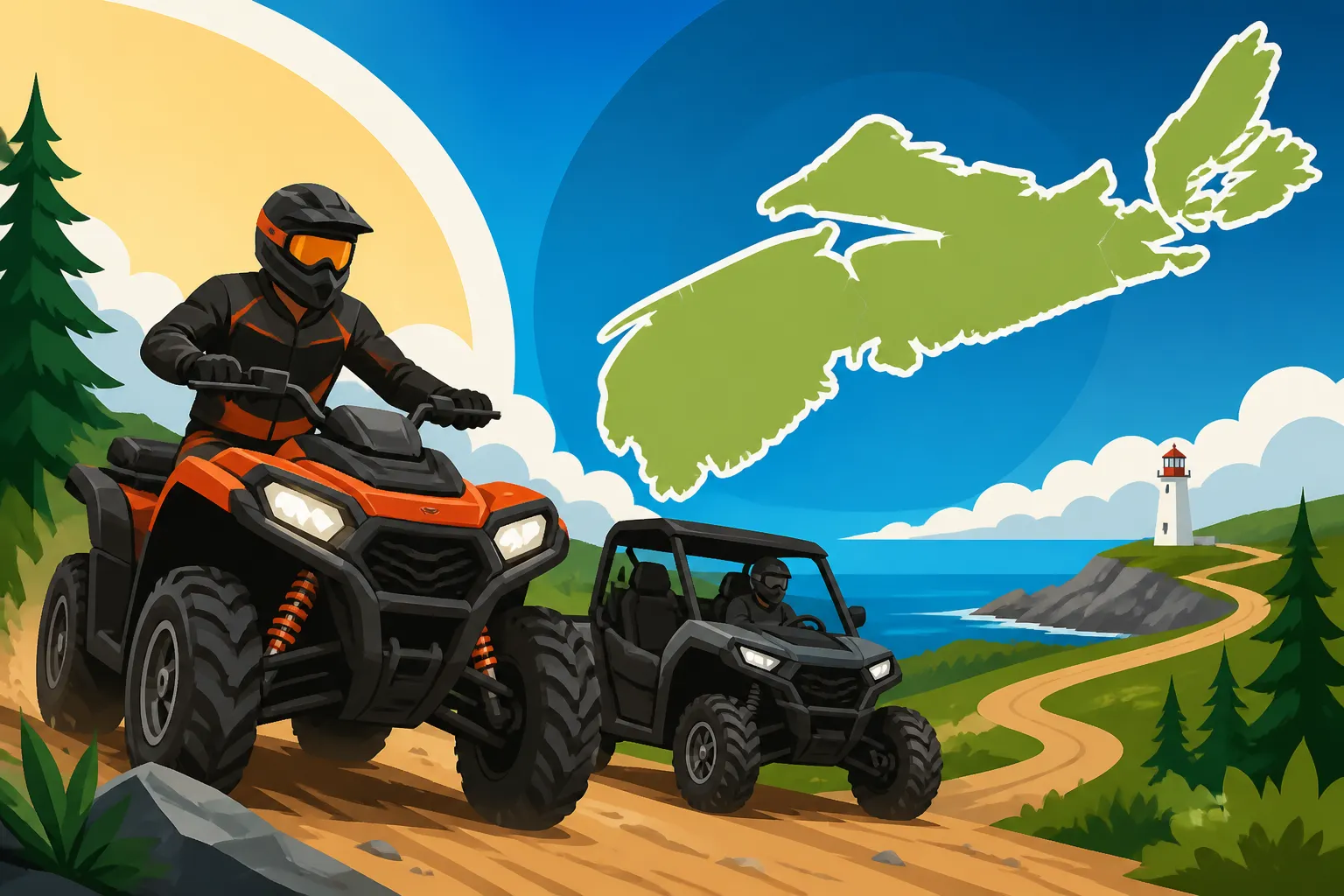
For any off-highway vehicle enthusiast in Nova Scotia, the idea of smoother, more connected rides often comes with a dose of frustration. We've all been there: reaching the end of a fantastic trail, only to realize that getting to the next section, or even just grabbing a bite to eat, means loading up the trailer or taking a lengthy, inconvenient detour. The good news is that the provincial government has been actively working to address this very issue, and the planned 2025 road trail expansion is a significant step forward, aiming to bridge those gaps and make our riding experiences much more seamless. This guide will walk you through what Nova Scotia's 2025 road trail expansion means for you, where it's happening, and how to safely and legally enjoy these new opportunities.
Understanding Nova Scotia's Road Trail Initiative
The journey to riding ATVs and UTVs on designated portions of public roads in Nova Scotia has been a gradual one, rooted in a desire to enhance rider experience while ensuring public safety. It didn't just happen overnight; it was a carefully considered progression.
The Genesis of Road Trails: From Pilot to Permanent
Back in 2018, the Nova Scotia government embarked on what felt like a groundbreaking experiment: the [Nova Scotia's 2018 Road Trail Pilot]. This initiative allowed off-highway vehicles to legally operate on certain municipal roads and highways within specific communities. The pilot wasn't just a whim; it was a measured response to years of advocacy from riders and clubs who saw the potential for greater connectivity. The province, while understanding the enthusiasm, also recognized the need for caution. They wanted to see how it worked in practice, to observe the interactions between OHVs and other traffic, and to gauge the overall impact on local communities.
This initial phase was crucial. It provided invaluable data and real-world experience, allowing the province to refine rules, identify successful models, and address challenges. It gave riders a taste of what was possible, connecting segments of trail that were previously separated by public roads. This proof-of-concept phase was a testament to the idea that with the right regulations and rider responsibility, OHVs could safely integrate into portions of the road network, moving us closer to a more comprehensive trail system. The success and learnings from this pilot directly informed the decision to make road trails a permanent feature and, more importantly, to expand their reach.
Why the Expansion Matters to Riders
For many of us who ride, the expansion of the road trail network isn't just about adding more kilometres; it's about solving real logistical headaches. Think about those times you've had to trail your machine just a few kilometres down a paved road to reach the next section of trail, or when you wanted to stop for gas or a quick bite to eat in a small town. These minor inconveniences add up, breaking the flow of a ride and sometimes even discouraging longer excursions.
The expansion directly addresses these common frustrations. It means potentially reducing the need to trailer your machine as often, allowing for more continuous rides. It opens up access to local businesses, allowing riders to directly support the communities they ride through. This is a huge benefit for small towns that often rely on tourism. Imagine being able to ride from one trail system to another, perhaps connecting the [Nova Scotia Annapolis Valley Riding] to the Northumberland Shore, or exploring new areas without the constant stop-and-start of loading and unloading. It’s about creating a more fluid, enjoyable, and accessible network of trails, making it easier for us to experience more of what Nova Scotia has to offer from the seat of our machines. This connectivity also offers more opportunities to use machines for practical purposes, such as getting to a remote hunting spot or a woodlot, adding a layer of utility to our recreational pursuits.
Details of the 2025 Road Trail Expansion
The 2025 expansion of Nova Scotia's road trail network represents a significant leap forward in connecting our communities and landscapes for off-highway vehicle enthusiasts. It's not just a tweak; it’s a substantial effort to weave together the existing and new trail systems.
What the 2025 Expansion Brings
The planned 2025 expansion is set to introduce a considerable number of new road trail sites and kilometres across the province. While specific, granular numbers can fluctuate as projects evolve and permits are finalized, the intent is clear: to substantially increase the opportunities for riders to use designated public roads to bridge gaps in the trail network. This means more rural roads and secondary highways will become part of the legal OHV network, connecting villages and trailheads that were once separated by stretches of pavement. This expansion is designed to enhance the overall connectivity, allowing for longer, more integrated rides without the need for constant trailering. It's about opening up new routes and facilitating travel between established trail systems, making it easier to plan multi-day excursions or simply extend your daily ride. The goal is to build upon the successful framework established by the initial pilot, offering a more robust and widespread network. [Seventy-Four Sites by Late 2025] is a clear indicator of the ambition behind this phase, promising a tangible increase in accessible areas for riders.
Geographical Focus and Key Communities
The geographical focus of the 2025 expansion is strategically aimed at enhancing connectivity, often targeting areas where existing trails are close but not quite linked. We can expect to see new road trail segments popping up in various regions, from the rugged beauty of [Nova Scotia Road Trails in Cape Breton] to the agricultural heartland of [Nova Scotia Road Trails in Annapolis], and even the more remote areas like [Nova Scotia Road Trails in Guysborough]. The selection of these areas isn't arbitrary; it's driven by local interest, existing trail infrastructure, and the potential to create meaningful connections.
For instance, a new segment might allow riders to leave a trail system, travel a short distance on a paved road through a small town, accessing local shops or gas stations, before rejoining another trail on the other side. This kind of access is vital for long-distance riders and for local communities. Imagine being able to ride directly to a local eatery after a morning on the trails, or topping up your fuel tank in a village that was previously inaccessible by machine. These connections foster tourism, economic activity, and a greater sense of community integration for OHV riders. It’s about unlocking the potential of our existing trails by making them more navigable and user-friendly.
The Process of Identifying and Approving New Sections
It’s important for riders to understand that the expansion of the road trail network is not a unilateral decision from a provincial office; it's a careful, multi-stage process involving collaboration and assessment. Identifying and approving new sections of road for OHV use involves significant municipal consultation. Local communities, their councils, and residents play a crucial role in determining which roads are suitable and where the greatest need for connectivity lies. This ensures that the expansion aligns with local priorities and addresses specific logistical challenges unique to each area.
The process typically involves assessing factors such as traffic volume, road design, safety considerations, and the potential impact on residents. It's about finding that balance between expanding recreational opportunities and maintaining public safety and community harmony. Once local support is garnered, the provincial government then reviews proposals against established criteria, conducting necessary assessments before giving the final green light. This comprehensive approach, while it may seem slow at times, is vital for ensuring the long-term success and acceptance of the road trail program. It means that the new sections added in 2025 are the result of careful consideration and a collaborative effort, aimed at creating a sustainable and beneficial network for everyone.
Navigating the Rules on Expanded Road Trails
With the excitement of new road trail expansions comes the critical responsibility of understanding and adhering to the rules. These aren't just suggestions; they are legal requirements designed to ensure the safety of riders, other motorists, and pedestrians. Operating an OHV on a road trail is different from riding on a dedicated off-highway trail, and knowing these distinctions is paramount.
Essential Operating Requirements for Road Trails
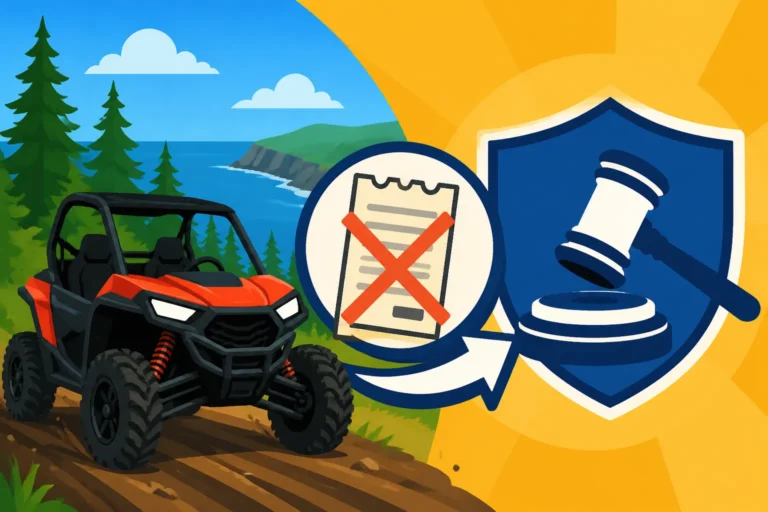
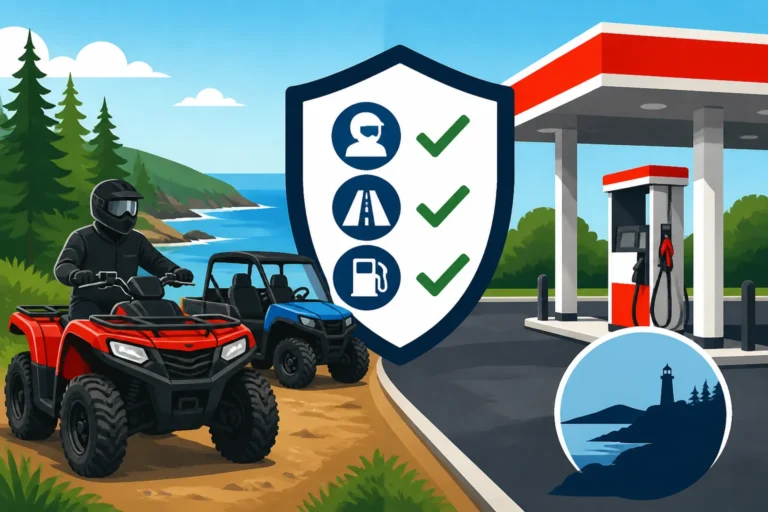
Before you even think about rolling onto one of Nova Scotia's newly expanded road trails, you need to ensure both you and your machine meet the fundamental legal requirements. This isn't optional; it's the law, and enforcement officers are diligent in ensuring compliance. First and foremost, your off-highway vehicle must be properly registered with the province. Just like a car, it needs to be on the books. Alongside registration, you absolutely must carry valid insurance. [Nova Scotia Requires Registration and Insurance] is not just a suggestion, it's a foundational requirement for all OHVs operating on public lands and, crucially, on road trails. This insurance typically includes a minimum liability coverage to protect you in case of an accident.
Next up, personal protective equipment: a helmet is non-negotiable. [Nova Scotia Helmet Law for Riders] applies equally on road trails as it does on traditional trails. Make sure it's an approved helmet, meeting recognized safety standards like DOT or Snell. Beyond the helmet, a full driver's license is required to operate an OHV on a road trail. A learner's permit won't cut it here; you need to be a fully licensed driver. This is because you're sharing the road with other vehicles, and the province wants to ensure you have the experience and knowledge to do so safely. Making sure your machine is equipped with essential safety gear, perhaps rugged skid plates or sturdy winches from SuperATV, is also a smart move for any type of riding, but especially when transitioning between challenging trails and paved roads.
Speed Limits, Lane Position, and Yielding
Operating an off-highway vehicle on a road trail isn't like driving a car; there are very specific rules of engagement that prioritize safety and minimize disruption to other road users. One of the most important rules is the speed limit: you must adhere to a strict 25 km/h limit on designated road trails. [Nova Scotia's 25 km/h Road Trail Limit] is significantly lower than typical road speeds and demands your full attention to maintain. This slower speed helps ensure you have ample time to react to unexpected situations and reduces the impact on local communities.
When it comes to lane position, [Nova Scotia Riders Travel Single File]. This isn't the place for side-by-side conversations or riding abreast with your buddies. You should ride as far to the right as safely possible, giving other vehicles maximum space to pass. Speaking of passing, on a road trail, you must yield to every vehicle. This means if you encounter a car, truck, or even a bicycle, you must give them the right-of-way. [Nova Scotia Riders Yield to Traffic] is a core principle of road trail riding. Passing other vehicles, even slower ones, is generally prohibited on road trails, as it can create unsafe situations and conflicts. The goal is smooth, predictable movement, not rapid transit.
Specific Prohibitions and Fines on Road Trails
While road trails offer incredible new opportunities, they also come with a clear set of prohibitions that riders must respect. Failure to do so can result in significant penalties and, more importantly, put yourself and others at risk. One major prohibition is against riding on controlled access highways, such as four-lane divided highways. Road trails are generally found on secondary roads and municipal streets, not major provincial arteries. Attempting to enter or cross a controlled access highway illegally can lead to severe fines and is incredibly dangerous.
Furthermore, Nova Scotia maintains strict environmental protections, meaning that riding on beaches, dunes, or environmentally sensitive areas remains illegal, even if a road trail happens to pass nearby. [Nova Scotia Beach and Dune Riding Bans] are in place to protect our precious coastal ecosystems. Impaired riding, whether by alcohol or drugs, is treated with the same severity as impaired driving in a car, carrying heavy fines, license suspensions, and potentially jail time. You should always be sober and alert when operating your machine. The penalties for non-compliance with road trail regulations can range from minor infractions to significant fines. For example, operating an unregistered machine can incur a [Nova Scotia Minimum Fine of $250], and other violations can escalate from there. It's crucial to be aware of these rules and abide by them to ensure everyone's safety and the continued success of the road trail program.
Preparing Your Machine and Yourself for Road Trail Riding
Embarking on Nova Scotia's expanded road trails means your machine needs to be ready for an environment slightly different from the typical dirt track. It's not just about what's under the hood, but also about how you, as the rider, prepare yourself mentally and physically for shared spaces.
Machine Requirements: Lights, Horn, and Mirrors
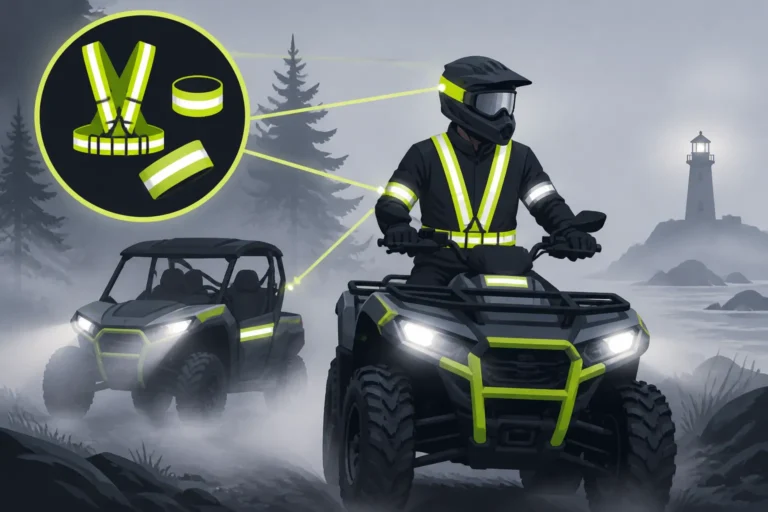
When you're riding on a road trail, you're interacting with cars, trucks, and possibly even pedestrians and cyclists. This means your off-highway vehicle needs to be equipped to be seen and heard, much like any other vehicle on the road. First, working headlights and tail lights are absolutely mandatory. These aren't just for riding after dark; they're crucial for visibility during the day, especially in changing light conditions, fog, or when approaching intersections. Your brake lights must also be fully functional, signaling your deceleration to anyone behind you. [Nova Scotia Lighting Requirements] are in place to ensure you're visible and can communicate your intentions to other road users.
Beyond lighting, your machine must have an audible warning device – a horn. This is essential for alerting others to your presence, especially when navigating turns or approaching blind spots. Lastly, at least one working mirror is required. This allows you to monitor traffic approaching from behind without constantly turning your head, which can be particularly important when riding in a single file line. Many riders opt to upgrade their machines with aftermarket accessories, such as enhanced lighting kits or heavy-duty mirrors from SuperATV, to ensure maximum visibility and safety on these shared routes. Making sure all these components are in good working order before you hit the road trail isn't just a recommendation; it’s a legal necessity that can prevent accidents.
Rider Readiness: Training and Awareness
Beyond the machine itself, the most critical component of safe road trail riding is you, the rider. Being prepared for a shared road environment requires a different mindset than hitting a secluded forest trail. If you're 16, you'll need to have completed approved safety training to legally operate your machine, and it's something every rider, regardless of age, should consider. [Nova Scotia Safety Training at 16] provides essential skills and knowledge that are highly transferable to road trail riding. Even experienced off-road riders can benefit from refreshing their defensive riding techniques.
Awareness is key. You need to be constantly scanning your surroundings, not just for obstacles on the trail, but for other vehicles, road signs, and potential hazards like driveways or parked cars. Anticipate the actions of others, and always assume that other drivers might not see you. Maintain a safe following distance from vehicles ahead and be prepared to yield. Remember, on a road trail, you are a guest in the traditional traffic flow, and your actions should always reflect caution and respect for other road users. This heightened state of awareness and readiness is what will truly make your road trail experiences safe and enjoyable.
Planning Your Expanded Road Trail Adventures
The beauty of the expanded road trail network lies in its potential to create seamless, longer adventures. However, realizing this potential requires a bit of planning. You can't just assume every paved road is a road trail; it's crucial to consult official maps and resources that clearly delineate where the authorized road trail sections begin and end. These maps will show you how to link traditional off-highway trails with these new road segments, creating cohesive routes.
When planning, consider your fuel range, especially if you're venturing into more remote areas that the road trails might now connect. Knowing where the next gas station is accessible via a road trail can make all the difference. Likewise, identify potential stops for food, supplies, or even lodging if you're on a multi-day trip. Understanding [Nova Scotia Road Trail Signage] is also vital; these signs will indicate where you can and cannot ride your OHV on the road. By mapping out your route in advance, identifying entrance and exit points for road trail segments, and considering logistical needs, you can transform disconnected trails into epic, flowing adventures, taking full advantage of the province's commitment to expanding access.
Community Impact and Future Outlook
The expansion of Nova Scotia's road trail network isn't just about individual riders; it has broader implications for communities and the future of off-highway vehicle recreation in the province. It's a testament to progress, but also a call for continued responsibility.
Benefits for Local Economies and Tourism
One of the most significant upsides of the expanded road trail network is its potential to inject vitality into local economies, particularly in rural communities that often lie along traditional trail systems. When riders can legally and safely access villages and towns via road trails, it opens up a direct pipeline for tourism dollars. Imagine a group of riders stopping at a local diner for lunch, filling up their tanks at the only gas station in town, or even booking a night at a small inn. This direct access means more money spent locally on food, fuel, accommodations, and supplies, which can be a lifeline for small businesses.
This influx of OHV tourism can create new jobs, support existing enterprises, and help keep rural communities vibrant. It transforms OHV riding from a purely recreational activity into a valuable economic driver, demonstrating how well-managed access can create a win-win situation for both riders and residents. It allows people to explore more of what Nova Scotia offers, from stunning coastal views to charming inland towns, all from the seat of their machine, directly benefiting the communities they visit.
Addressing Community Concerns and Coexistence
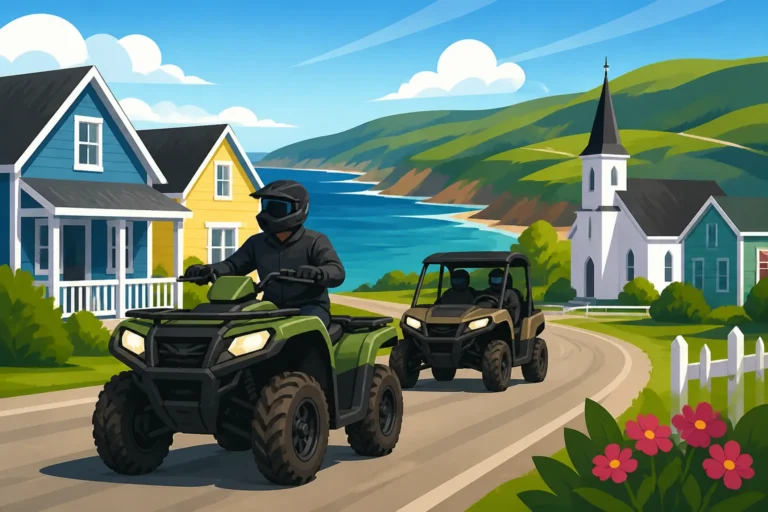
While the benefits are clear, it's also essential to acknowledge that the expansion of road trails can come with concerns from some residents who may not be riders. Issues like noise, dust, and perceived safety risks are valid points that communities raise, and they deserve our attention and respect. The key to the long-term success of the road trail program lies in fostering a spirit of responsible riding and respectful coexistence. This means operating your machine quietly, especially when passing through residential areas, and being mindful of your speed and exhaust noise levels. [Riding Quietly Past Coastal Homes] isn't just good manners; it's crucial for maintaining positive community relations.
Riders play a vital role in demonstrating that OHVs can share public spaces responsibly. By adhering to speed limits, riding single file, yielding to other traffic, and generally acting as courteous citizens, we can alleviate many of these concerns. It's about building trust and showing that the OHV community is committed to being a positive addition to the fabric of Nova Scotian life, ensuring that the welcome mat remains out for future expansions and continued access.
What Lies Beyond 2025: Further Expansion and Evolution
The 2025 road trail expansion is by no means the final chapter in Nova Scotia's OHV access story. The province has demonstrated a commitment to an ongoing process, with plans already potentially underway for subsequent phases. For instance, [Nova Scotia's 2026 Road Trail Expansion] is likely to build upon the successes and learnings of the 2025 phase, continuing to identify and open up new connections across the landscape. This phased approach allows for continuous evaluation, adaptation, and improvement of the program.
The future of OHV access will continue to be shaped by an active dialogue between riders, clubs, communities, and the provincial government. As riders, our collective responsibility to ride safely, respectfully, and adhere to all regulations will be paramount in influencing future decisions regarding access. The evolution of the road trail network reflects a progressive approach to recreation, recognizing the significant role off-highway vehicles play in the lives of many Nova Scotians. By working together, we can look forward to an increasingly connected and accessible network that truly allows us to explore and enjoy our beautiful province.
Here's a quick overview of some key differences when you're riding your OHV on a road trail versus a traditional off-highway trail:
| Feature | Traditional Off-Highway Trail | Designated Road Trail |
|---|---|---|
| Speed Limit | Varies; often higher than 25 km/h, depends on conditions | Strictly 25 km/h |
| Lane Position | Flexible, depending on trail width and obstacles | Single file, as far right as safely possible |
| Yielding | Generally to slower riders, pedestrians, or wildlife | Must yield to ALL other road traffic (cars, bikes, pedestrians) |
| Passing | Common, with caution | Generally prohibited, avoid passing other vehicles |
| Traffic Type | Other OHVs, pedestrians, cyclists | Other OHVs, cars, trucks, buses, cyclists, pedestrians |
| Driver's License | Not always required (youth rules vary) | Full driver's license mandatory |
| Registration | Mandatory | Mandatory |
| Insurance | Mandatory | Mandatory (often higher liability recommended) |
| Headlights/Taillights | Recommended/Required after dark, for visibility | Mandatory, must be working at all times |
| Horn/Mirror | Not always required | Mandatory |
| Environment | Natural terrain, woods, gravel, mud, rock | Paved, gravel, and hard-packed public roads |
Disclaimer
This article is for general informational purposes only and does not constitute professional advice. Laws, prices and regulations vary by location and change over time. Consult a qualified professional for guidance on your specific situation.