Nova Scotia Headlight and Tail Light Rules
It's incredibly frustrating when you're just trying to enjoy a ride out on the trails or connect between communities on designated road trails, only to feel uncertain about the specific rules for your machine's lights. Many riders worry about getting pulled over or, worse, being unsafe because they're not quite sure what's expected of their ATV or UTV's headlights and tail lights in Nova Scotia. This guide aims to clear up all that confusion, giving you a solid understanding of what the regulations truly mean for your off-highway vehicle's lighting.
Understanding Basic OHV Lighting Requirements
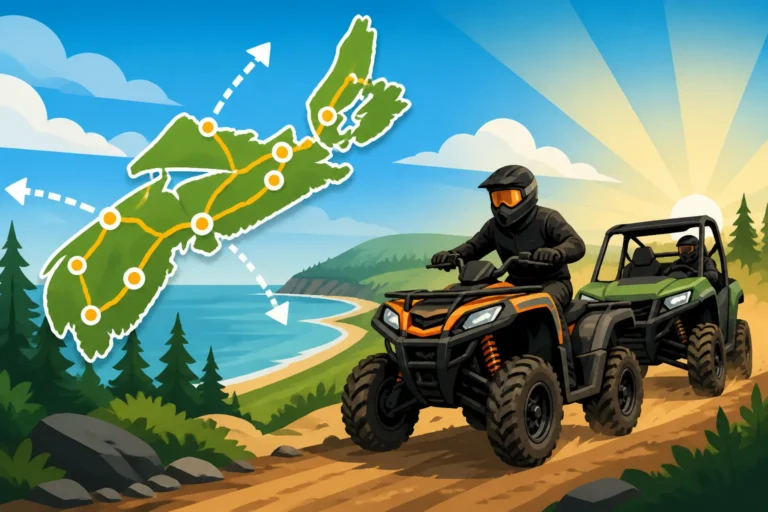
When you're out there enjoying the stunning landscapes of Nova Scotia, whether it's through the winding coastal trails or the dense forest paths, it's vital to ensure your off-highway vehicle (OHV) is properly equipped. This isn't just about avoiding a ticket; it's fundamentally about your safety and the safety of everyone else sharing the trails. The provincial regulations are pretty clear about what your ATV or UTV needs in terms of basic lighting, and understanding these specifics can save you a lot of hassle and worry.
Headlight Specifications for OHVs
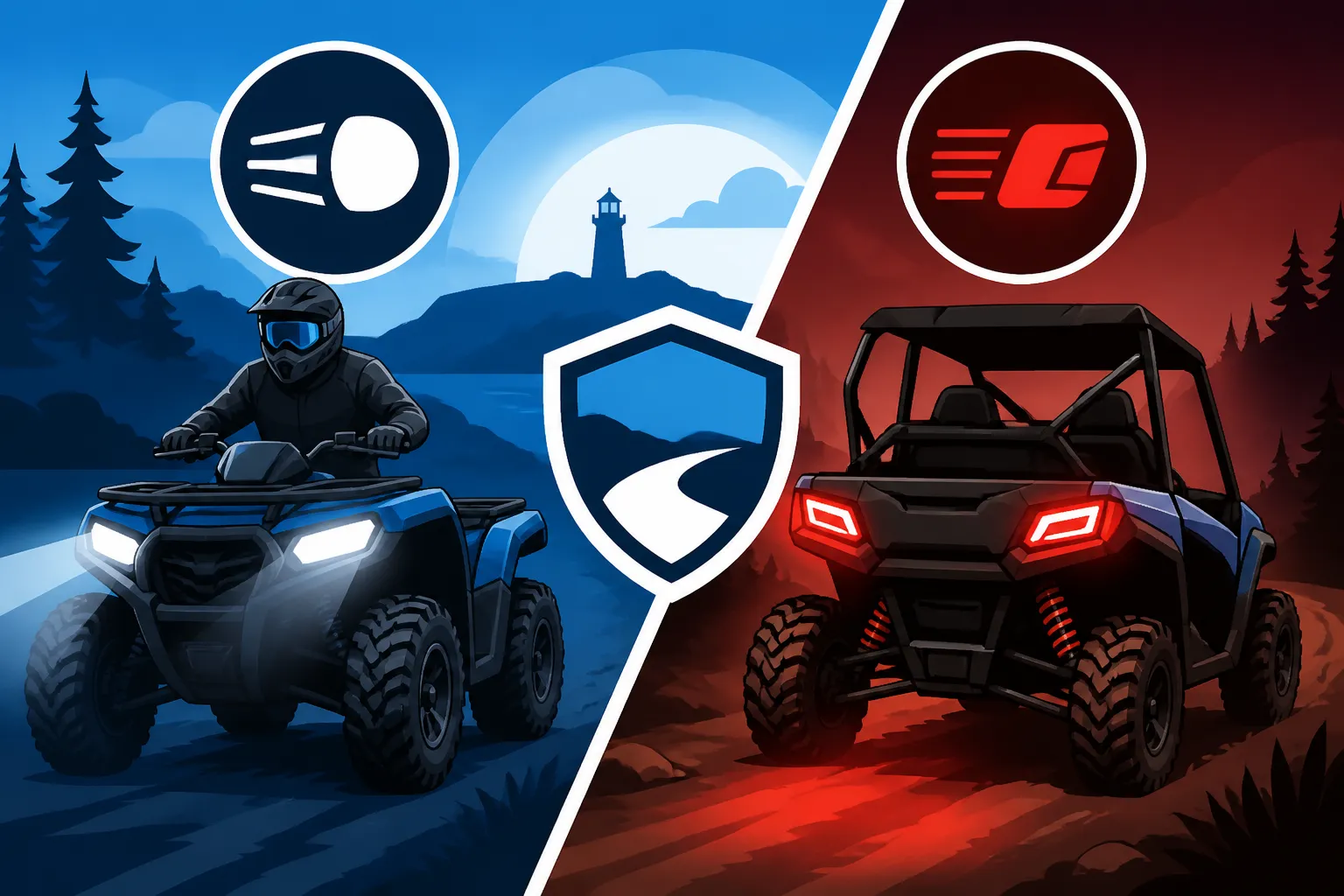
Your headlight is more than just a convenience; it's your primary way of seeing and being seen, especially as daylight fades or when conditions get a bit murky. In Nova Scotia, an OHV must be equipped with at least one white headlight. This light needs to be capable of illuminating objects at a considerable distance ahead of the machine. Imagine you're riding a familiar trail, but suddenly a patch of thick fog rolls in, or dusk settles faster than you anticipated. A properly functioning, bright headlight becomes absolutely crucial for navigating safely and spotting any obstacles, whether it's a fallen branch or an unexpected dip in the terrain.
The key here isn't just that it has a light, but that the light actually works and meets specific visibility standards. The regulations generally state that your headlight must be capable of showing a white light visible from a distance of 300 feet (about 90 meters) ahead of the machine. This ensures that approaching riders, or even wildlife, have ample warning of your presence. It's not enough for the bulb to glow faintly; it needs to project a strong, clear beam. Many riders opt for brighter LED upgrades, often from brands like SuperATV, which not only enhance visibility for the rider but also ensure they are highly visible to others, exceeding the minimum requirements.
Tail Light and Brake Light Specifications
While your headlight helps you see what's ahead, your tail light is all about making sure you're seen from behind. This is especially critical on multi-use trails where hikers, cyclists, or other OHV riders might be following you. Nova Scotia regulations require your ATV or UTV to have at least one red tail light that is visible from a distance of 200 feet (about 60 meters) to the rear of the machine. This steady red glow signals your presence, giving others time to react to your speed and direction.
In addition to the basic tail light, most modern ATVs and UTVs also come equipped with a brake light, which is usually incorporated into the tail light housing. This brake light must illuminate brighter when you apply the brakes, clearly indicating to anyone behind you that you're slowing down or stopping. Think about those moments when you're descending a steep hill or navigating a tricky turn; a clear, bright brake light provides an invaluable warning to anyone following, preventing potential rear-end collisions. Regularly checking that both your tail light and brake light are functioning correctly before each ride is a small step that makes a huge difference in overall safety.
When Your OHV Lights Must Be On
It's one thing to know what lights your machine needs, but it's another to understand when those lights are legally required to be on. Many riders assume "night riding" is the only time to flip the switch, but Nova Scotia's rules encompass more than just after-dark adventures. Being proactive about your lighting isn't just a compliance issue; it's a core component of responsible riding, ensuring you're seen in all sorts of conditions that might not immediately scream "lights on!"
Riding During Low Light or Reduced Visibility
The regulations for off-highway vehicles in Nova Scotia are pretty clear: your lights aren't just for when the sun completely disappears. You must have your headlight and tail light on during any period of "reduced visibility." What does that mean in practical terms? Well, it encompasses conditions like fog, heavy rain, snow, or even just riding through densely canopied forest sections where the natural light is significantly diminished, even at midday. It's about ensuring visibility not just for yourself, but so others can easily spot you.
Think about a typical Nova Scotia afternoon: a bright morning might give way to a sudden coastal fog rolling in, or a clear sky could quickly turn into a torrential downpour. In these scenarios, even if it's technically still daytime, your visibility—and more importantly, your visibility to others—drops dramatically. Engaging your lights during these times is not merely recommended good practice; it's a legal requirement designed to enhance safety. Always err on the side of caution; if you're questioning whether you should turn them on, the answer is most likely "yes."
Mandatory Lighting for Night Riding
This is perhaps the most obvious scenario, but it still bears emphasizing: if you're riding an OHV in Nova Scotia between half an hour before sunset and half an hour after sunrise, your headlights and tail lights must be on and fully functional. This isn't optional; it's a fundamental rule for anyone enjoying [Nova Scotia Night Riding Equipment Rules]. Riding after dark without proper illumination is incredibly dangerous, both for you and for anyone else you might encounter on the trail.
The darkness can play tricks on your eyes, making familiar trails seem alien and increasing the risk of accidents. A bright, properly aimed headlight not only lights your path but also helps you judge terrain changes, obstacles, and turns. Similarly, a clear, visible tail light ensures that any other rider or vehicle behind you knows exactly where you are, which is vital on shared trails. This mandatory "lights on" period applies universally, whether you're on a designated trail network, crossing a road, or simply moving your machine around your property (though certain exemptions might apply on private land, common sense and safety still prevail).
OHV Lighting on Nova Scotia's Road Trails
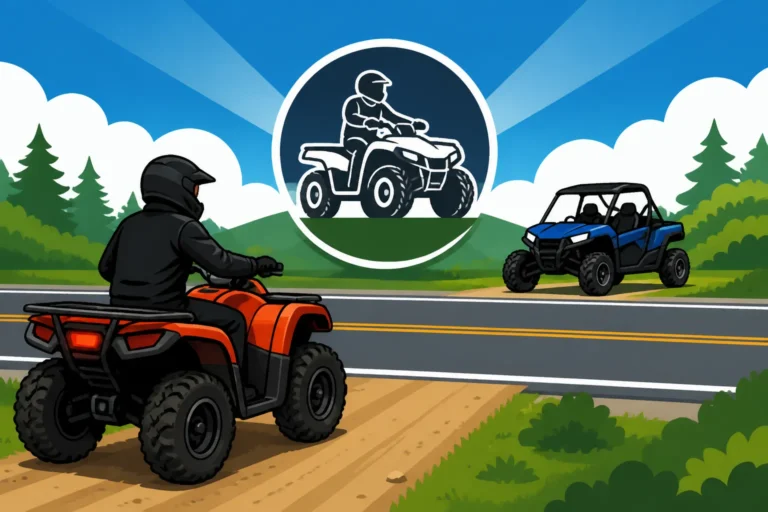
The landscape of OHV riding in Nova Scotia has evolved, particularly with the introduction and expansion of designated road trails. These are specific sections of public roads or shoulders where off-highway vehicles are permitted to travel, linking trail systems and communities. However, riding on these shared public spaces comes with an even greater responsibility for visibility, and the lighting requirements reflect that heightened need. Understanding these specifics is critical before you venture onto any [Nova Scotia Road Trails: Where You Can Ride].
Enhanced Visibility Requirements on Road Trails
When you transition from a forest trail onto a designated road trail, you're sharing the space with cars, trucks, cyclists, and pedestrians. This immediately elevates the importance of your OHV's lighting. On these segments, your headlight and tail light must be on at all times that you are operating the machine. This isn't just for low light or nighttime; it's a 24/7 requirement. The goal is to make your machine as visible as possible to conventional road traffic, which might not be expecting an OHV.
Consider the dynamic of a busy rural road where a typical ATV or UTV might appear smaller or less conspicuous to a motorist accustomed to larger vehicles. Bright, functioning lights greatly increase your profile. This permanent "lights on" rule helps bridge that visibility gap, providing an extra layer of safety. Some riders even add auxiliary lights or reflective decals to their machines when they know they'll be using road trails, aiming for maximum visibility. This is where high-quality aftermarket lighting solutions, perhaps from a brand like SuperATV, can really make a difference, offering superior brightness and beam patterns compared to standard factory lights. [Nova Scotia Road Trail Rules Explained] emphasize these safety measures for a reason.
Specific Visibility Distances for Road Trail Use
The regulations aren't just about having a light; they specify how far that light needs to project and be visible. On Nova Scotia's road trails, the rules are in line with general OHV requirements, but their consistent enforcement on shared roads means they take on even greater importance. Your headlight must project a white light that is clearly visible for at least [Why Your Headlight Must Show at 300 Feet] ahead of your machine. This distance allows oncoming vehicles to see you well in advance, giving them time to adjust their speed or position.
Similarly, your tail light is critical for those following you, whether they are other OHVs or conventional vehicles. It must emit a red light visible from at least [Why Your Tail Light Must Show at 200 Feet] to the rear. This allows following traffic to maintain a safe distance and react to your movements, especially if you're slowing down. The consistent application of these visibility distances across all times of day on road trails highlights the government's commitment to safety within the [Nova Scotia Road Trails Act Explained]. It's a clear directive: if you're on a road trail, you need to be seen, period.
Penalties for Non-Compliance
It's easy to think of lighting rules as minor details, but in Nova Scotia, they're taken seriously for good reason: safety. Ignoring or neglecting your OHV's lighting requirements can lead to more than just a stern warning. Law enforcement officers are vigilant about ensuring OHVs are operated safely and legally, especially with the growing network of road trails. Understanding the potential consequences of inadequate lighting can be a powerful motivator for keeping your machine in top shape.
Fines for Inadequate Lighting
Operating an off-highway vehicle with insufficient or non-functioning headlights, tail lights, or brake lights is a direct violation of Nova Scotia's Off-highway Vehicles Act. This can result in a fine. While specific fine amounts can change, you can generally expect a ticket to be a significant deterrent. These aren't small, nuisance fees; they are designed to emphasize the seriousness of the safety risk posed by an improperly lit machine.
An officer encountering a machine without proper lighting, especially after dark or in low visibility, isn't just looking for an infraction; they're seeing a potential accident waiting to happen. The purpose of these fines is to encourage compliance and ensure that all riders contribute to a safer trail and road trail environment. It's much cheaper and less stressful to simply maintain your lights and ensure they're on when required than to deal with the aftermath of a fine or, worse, an accident. Remember, officers can conduct [Nova Scotia Equipment Checks by Officers] at any time.
Officer Discretion and Safety Concerns
Beyond just issuing a fine, an officer has the discretion to take further action if they believe your machine poses a significant safety risk due to inadequate lighting. For instance, if you're caught riding after dark with no functioning lights whatsoever, an officer might not just issue a ticket but could also direct you to cease riding immediately until the issue is rectified. In severe cases, particularly if combined with other infractions, they might even consider impounding the machine until it can be safely operated.
The officer's priority is public safety. If your machine's lighting issues make it unsafe for you or others, they are obligated to address that. This could mean a long wait for a tow truck in a remote location, a hefty fine, and the inconvenience of sorting out repairs before you can ride again. This scenario is far more disruptive than taking a few minutes before your ride to confirm all your lights are working properly. Don't let a simple bulb issue turn into a major headache on your riding day; it's a critical part of avoiding [Nova Scotia Penalties for Riding Unregistered] (or in this case, unequipped).
Maintaining and Upgrading Your OHV Lighting
Ensuring your ATV or UTV lights are always in top condition and exploring options to enhance your visibility is a crucial aspect of responsible off-highway vehicle ownership in Nova Scotia. The trails and road trails can present diverse and challenging conditions, making reliable and effective lighting a non-negotiable safety feature. Proactive maintenance and thoughtful upgrades can significantly improve your riding experience and security.
Pre-Ride Checks and Bulb Replacement
Making a quick lighting check part of your pre-ride routine is one of the simplest yet most effective safety habits you can adopt. Before every single ride, take a moment to walk around your machine. Turn on your headlight and tail light, and make sure they are both illuminating brightly. Then, sit on your machine and engage the brakes to verify that your brake light activates. This literally takes seconds but can prevent a world of trouble out on the trail or road trail.
If you discover a bulb is out or dim, replace it immediately. Carrying spare bulbs (if your machine uses incandescent types) or knowing how to quickly troubleshoot LED issues can be a lifesaver, especially if you're heading out on an extended trip. Wiring can also be an issue; sometimes a loose connection is all it takes to cut power to a light. Regular cleaning of your light lenses will also ensure maximum output, as mud, dust, and grime can drastically reduce light projection. These small, consistent efforts ensure you're always visible and compliant with [Nova Scotia Lighting Requirements].
Upgrading for Enhanced Visibility
While factory lighting systems on ATVs and UTVs are designed to meet minimum regulatory standards, many riders choose to upgrade for superior performance and safety. Modern LED (Light Emitting Diode) lighting technology offers significantly brighter output, lower power consumption, and longer lifespans compared to traditional halogen bulbs. Upgrading to LED headlights can dramatically improve your ability to see terrain features and obstacles, especially during night riding or in challenging conditions.
For tail lights and brake lights, LED upgrades also mean a much sharper, more intense light, making you considerably more visible from the rear. Many aftermarket companies, such as SuperATV, offer a wide range of plug-and-play LED light bars, auxiliary pod lights, and replacement headlight/tail light units designed specifically for OHVs. These upgrades can be invaluable for riders who frequently traverse technical trails, ride after dark, or utilize Nova Scotia's road trails, where being seen is paramount. Consider where and how you ride most often, and evaluate if an upgrade could make your adventures safer and more enjoyable, particularly if you're frequently navigating unlit areas or sharing space with other vehicles.
| Light Type | Minimum Requirement (Nova Scotia) | Visibility Distance | Recommended Upgrade | Benefits of Upgrade |
|---|---|---|---|---|
| Headlight | One white light | 300 feet (90 m) ahead | LED Headlight/Light Bar | Brighter, wider beam, lower power draw, longer life |
| Tail Light | One red light | 200 feet (60 m) to rear | LED Tail Light | Brighter, quicker illumination, increased durability |
| Brake Light | Integrated with tail light | Brighter when applied | LED Brake Light | More noticeable, faster activation, improved safety |
Nova Scotia Road Trail Operating Hours
It's easy to get caught up in the details of your machine's lighting, but it's equally important to understand the broader context of when you can actually operate your OHV on Nova Scotia's growing network of designated road trails. These aren't 24/7 access points; they have specific operating hours that riders must respect. Knowing these hours, alongside your lighting requirements, ensures you're riding legally and safely, helping to maintain good relationships with local communities and other road users.
Specific Hours for OHV Access
In Nova Scotia, off-highway vehicles are generally permitted on designated road trails only during daylight hours. This means from half an hour after sunrise until half an hour before sunset. This restriction is primarily for safety, reducing the risk of collisions between OHVs and conventional road traffic in low light or darkness. While your machine's lights are crucial for visibility, the act is designed to minimize the mixing of OHVs with other vehicles when visibility is naturally compromised.
It's a common misconception that if you have super bright lights, you can ride on road trails at any time. This is simply not the case. The "daylight hours only" rule is a firm boundary, regardless of your machine's illumination. Violating these operating hours can lead to fines, even if your lights are fully functional. Always plan your route and timing carefully to ensure your entire journey on a road trail segment falls within the legal operating window. This is especially vital when considering longer rides that might push up against those sunrise and sunset deadlines.
Planning Your Ride Around Operating Hours
Respecting the designated operating hours requires a bit of foresight, especially for longer rides or those that start early or end late. Before heading out, always check the sunrise and sunset times for your specific location in Nova Scotia. These times can vary significantly throughout the year. What's a comfortable evening ride in July could be well past legal operating hours in November.
Mapping out your intended route and estimating your riding time is crucial. If a portion of your ride involves a road trail, ensure you can complete that segment comfortably within the permitted hours. It's often a good idea to build in a buffer, accounting for unexpected stops, slower terrain, or simply wanting to take in a scenic view. Don't push your luck trying to squeeze in an extra few kilometers on a road trail as dusk settles; instead, plan to be off those sections well before the half-hour-before-sunset mark. This proactive approach not only keeps you safe and legal but also helps preserve the privilege of OHV access on these important connecting routes, an initiative still expanding with additions like [Nova Scotia Road Trails Added in 2026].
Disclaimer
This article is for general informational purposes only and does not constitute professional advice. Laws, prices and regulations vary by location and change over time. Consult a qualified professional for guidance on your specific situation.