Why Your Tail Light Must Show at 200 Feet
It's easy to feel like regulations are just another hurdle between you and the open trails, especially when you're itching to explore Nova Scotia's incredible landscapes. But when it comes to riding your ATV or UTV, especially as the sun dips below the horizon or on those famously foggy coastal days, making sure you're seen isn't just a suggestion—it's absolutely vital. This guide is here to break down exactly why your machine's tail light needs to shine bright enough to be seen from 200 feet away and how to make sure you're always riding safely and legally in our beautiful province.
Understanding the 200-Foot Tail Light Rule in Nova Scotia
Let's face it, nobody enjoys sifting through dense legal jargon just to understand if their machine is ready for the trail. But when it comes to visibility, Nova Scotia has some clear expectations for ATV and UTV riders, and the 200-foot tail light rule is one of them. This isn't just an arbitrary number; it's a carefully considered distance designed to give other trail users and motorists enough time to react to your presence, especially in conditions where visibility is already compromised.
What "200 Feet" Really Means on the Trail
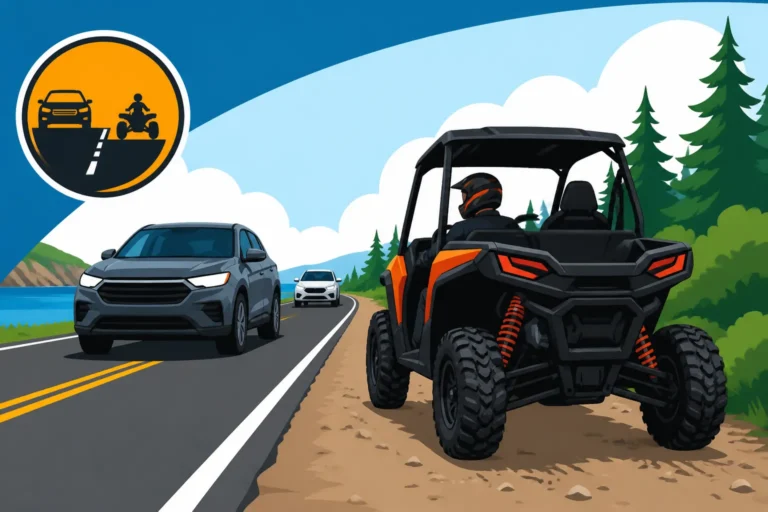
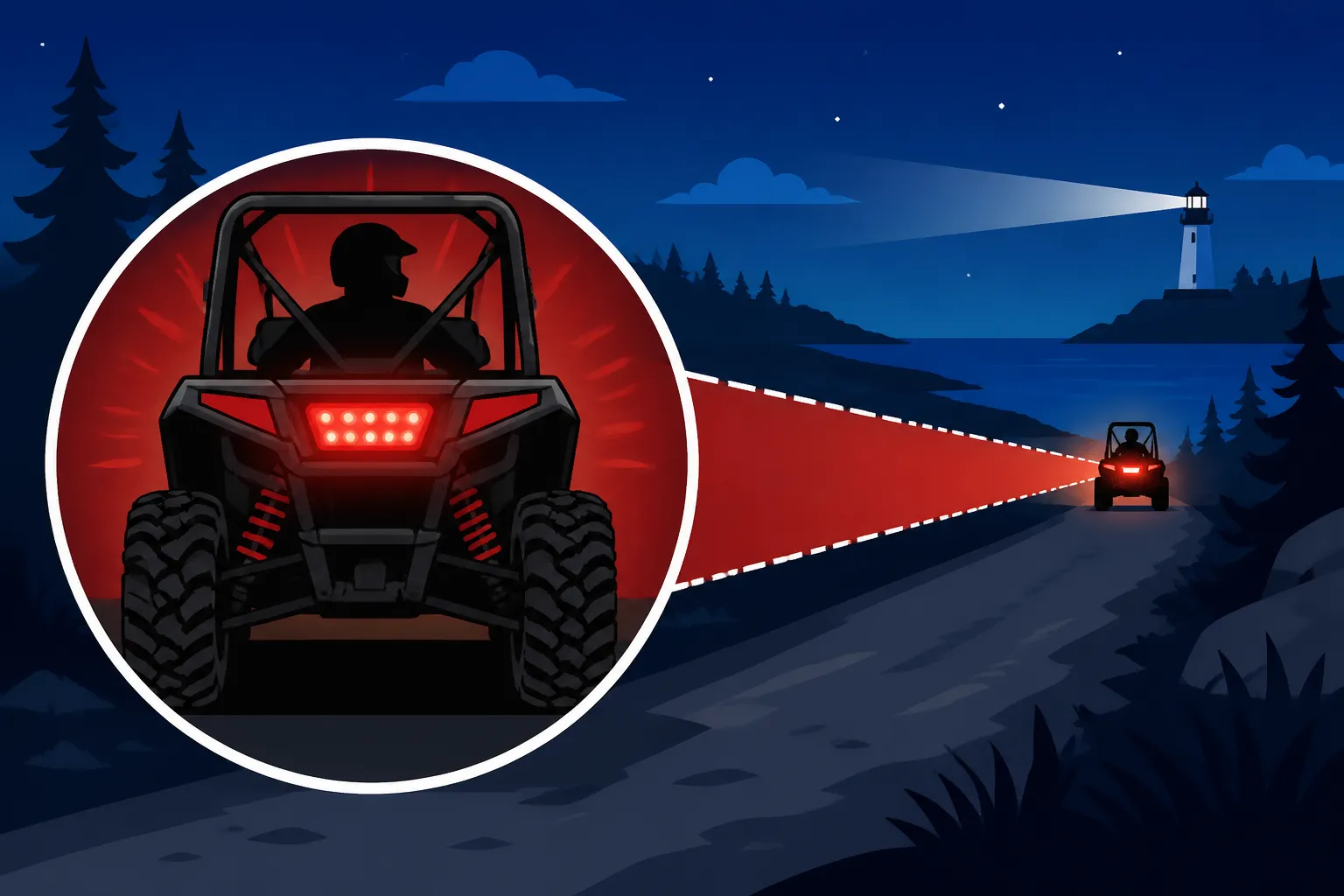
When the Off-highway Vehicles Act or the more recent Road Trails Act in Nova Scotia talks about a tail light being visible from 200 feet, it means exactly that. From a practical standpoint, imagine you're on a straight section of a [Nova Scotia Road Trails: Where You Can Ride] corridor. If someone behind you can't clearly see your tail light at a distance roughly equivalent to two football fields end-to-end, your machine isn't compliant. This isn't just about a faint glow; it needs to be a clear, unmistakable presence that cuts through dust, mist, or low light. The expectation is that your tail light serves as a constant beacon, signaling your position and direction of travel to anyone approaching from the rear. It’s a foundational safety measure that applies whether you're out for a leisurely evening cruise or just moving your machine across a public road.
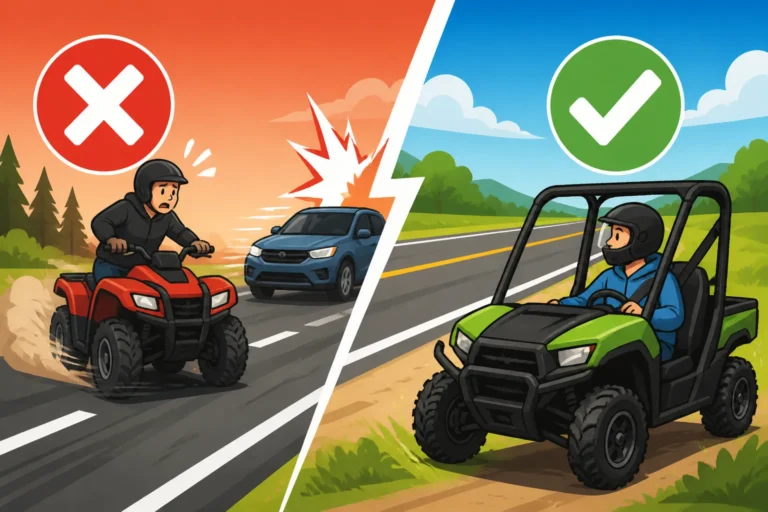
The specific distance is crucial because it directly relates to reaction time. At typical trail speeds, or even the regulated 25 km/h on designated road trails, 200 feet provides a buffer zone. It allows a following driver or rider ample time to perceive your machine, process its movement, and make a safe decision – whether that's maintaining distance, slowing down, or preparing to pass. This regulation truly comes into its own during those moments when you're crossing a road or navigating a busy multi-use trail where you might encounter cyclists, pedestrians, or even other off-highway vehicles, ensuring everyone can share the space safely.
The Intent Behind the Regulation
It’s easy to feel like these rules are just there to make life difficult, but the truth is, every safety regulation is born from a desire to prevent accidents and protect lives. The 200-foot tail light visibility requirement is a prime example of this. Our Nova Scotian trails and roads often present unique challenges – winding paths through dense woods, sudden dips and rises, unexpected fog rolling in from the coast, or the rapid transition from bright sunshine to deep shadow as you enter a forested area. In these scenarios, a highly visible tail light isn't a luxury; it's a necessity. It’s about ensuring that even if another rider or driver isn't actively looking for you, their eye is caught by the unmistakable red glow of your machine.
The intent extends beyond just preventing collisions. It’s also about peace of mind. As a rider, you want to know that you're doing everything you can to be safe, not just for yourself, but for everyone else sharing the environment. This rule is designed to be a proactive measure, reducing the likelihood of a rear-end collision, which can be particularly devastating for ATV and UTV riders who lack the protection of a full vehicle chassis. It’s part of a broader framework of [Nova Scotia Lighting Requirements] aimed at ensuring all machines are adequately equipped for the diverse conditions riders encounter throughout the province, from busy trails around the Annapolis Valley to remote routes in Cape Breton.
Where This Rule Applies
This 200-foot visibility standard isn't confined to a single type of riding environment; it's a broad requirement covering most scenarios where your OHV might be operating after dark or in low-visibility conditions. Primarily, it's enforced on designated off-highway vehicle trails, especially those managed by ATVANS clubs that often intersect or run parallel to public infrastructure. The requirement becomes particularly crucial on Nova Scotia's growing network of road trails, where off-highway vehicles share segments of public roads with cars and trucks. Even on private land, if the public has access (like a popular shared woodlot trail), ensuring your tail light meets the standard is a responsible practice, even if enforcement might be less direct.
The rule applies whenever your machine is in operation and visibility might be compromised, which in Nova Scotia means a lot more than just deep night. Think about those grey, misty mornings along the Eastern Shore, or the late afternoons in fall when the sun dips quickly, casting long shadows. If you're riding your quad or side-by-side during [Nova Scotia Road Trail Operating Hours] that extend into dusk or dawn, or if you're navigating an area with heavy dust kicked up by other riders, your tail light is your most important visual cue. The intent is clear: wherever you're riding, if there's a chance another person might be approaching from behind, your tail light needs to be a clear and present warning.
The Critical Role of Tail Lights for ATV & UTV Safety
When we think about safety gear, helmets, gloves, and protective clothing often come to mind first, and rightly so. But your machine's tail light plays an equally critical, though sometimes overlooked, role in keeping you safe on the trails and any roads you might traverse. It's not just a minor accessory; it's a fundamental component of your machine's passive safety system, constantly working to protect you by making your presence known to others.
Preventing Rear-End Collisions
The most obvious, and arguably most important, function of a properly visible tail light is to prevent rear-end collisions. Picture this: you're navigating a winding section of the Harvest Moon Trailway in the Annapolis Valley, maybe slowing down for a tricky patch or to take in the scenery. Behind you, another rider or perhaps a vehicle on a shared road segment, is approaching. If your tail light isn't clearly visible from 200 feet, they might not register your presence until it's too late to react safely. This is especially true on dusty trails where visibility can drop dramatically, or when riding after dark, when a machine's silhouette can blend into the background.
A bright, functional tail light gives that approaching person crucial seconds to perceive your machine, gauge your speed, and adjust their own. These few seconds can mean the difference between a near miss and a serious accident. Even during the day, a strong tail light can help you stand out against confusing backgrounds or in shadowed areas. This is why the regulation exists – it's a proactive measure designed to create a safety buffer, giving everyone on the trail or road the visual information they need to avoid a collision. It's a silent guardian, working tirelessly to keep you from becoming a target for those behind you, particularly on shared access routes or during critical moments like stopping or turning.
Enhancing Overall Machine Visibility
Beyond preventing rear-end collisions, a robust tail light significantly enhances the overall visibility of your ATV or UTV in a multitude of conditions. Think of it as your machine's constant calling card, announcing its presence even when other visual cues might be lacking. On those classic Nova Scotian days where a thick fog rolls in unexpectedly, or during heavy rain showers that reduce sightlines to mere feet, a clear and bright tail light becomes indispensable. It helps distinguish your machine from the natural environment, which can often be a confusing mix of trees, rocks, and uneven terrain.
This enhanced visibility isn't just for other vehicles; it's also vital for pedestrians, cyclists, or even wildlife that might be near the trail. When you're riding along a shared rail bed, for instance, a visible tail light helps walkers or cyclists anticipate your approach, allowing them to step aside safely. For riders, having a distinct visual signature from the rear means you're less likely to be surprised by an approaching vehicle or another off-highway machine. It contributes to a safer, more predictable riding environment for everyone. Even in seemingly ideal daylight conditions, a strong tail light can provide that extra layer of noticeability, helping to prevent accidents that occur due to simple oversight or misjudgment of distance.
Signaling Your Intentions
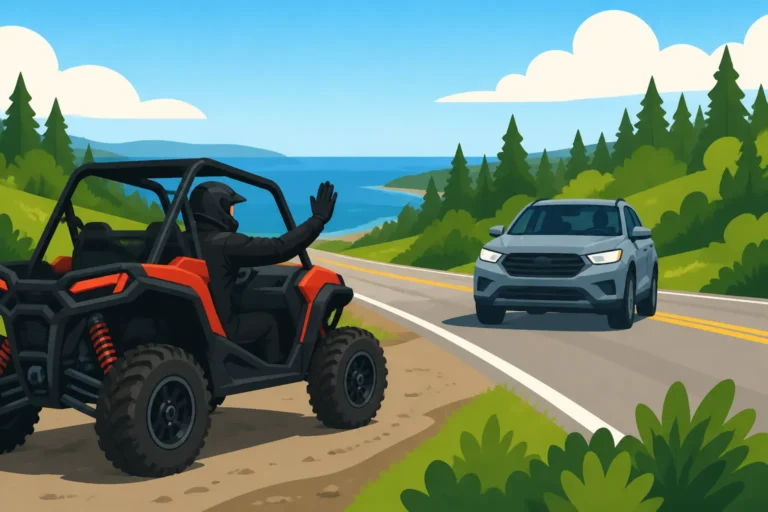
While a standard tail light isn't a brake light (which typically illuminates brighter when brakes are applied), its consistent visibility still plays a role in signaling your intentions to others. A steady, clear red light from the rear indicates not only your presence but also your general direction of travel. When combined with brake lights and turn signals (where equipped), it creates a comprehensive communication system for those behind you. If your tail light is dim, flickering, or obscured, it breaks down this communication, leading to potential misunderstandings on the trail or road.
Imagine you're part of a group ride, traversing a wooded path near Antigonish. A well-maintained, bright tail light on each machine helps the rider behind you maintain proper spacing and anticipate any changes in speed or direction. This is especially important when navigating technical terrain where sudden stops or decelerations might be necessary. It allows for a smoother flow of traffic, reduces rider fatigue from constantly guessing the movements of the machine ahead, and ultimately makes for a more enjoyable and safer group experience. A tail light isn't just about illuminating the rear; it's about broadcasting crucial information that keeps the entire riding community safer.
Legal Consequences and Practical Dangers of Poor Visibility
Riding an ATV or UTV in Nova Scotia without a properly functioning and visible tail light isn't just an oversight; it's a legal infraction with tangible financial penalties and, far more seriously, a significant increase in the risk of accidents. Many riders focus on engine performance or suspension, but neglecting basic safety equipment like your tail light can have serious repercussions that extend beyond a simple ticket.
Fines and Penalties for Non-Compliance
Nova Scotia takes its off-highway vehicle regulations seriously, and that includes mandatory safety equipment. Operating a machine without a tail light that meets the 200-foot visibility standard can lead to fines. These aren't just slaps on the wrist; they can significantly impact your wallet. Just like the [Nova Scotia Fines for an Unregistered Machine] can set you back a pretty penny, a citation for an equipment violation like a non-compliant tail light will also result in a penalty. The specific amount can vary depending on the officer's discretion and the context of the stop, but expect it to be a deterrent, not a minor inconvenience.
Beyond the immediate fine, repeated infractions could lead to further consequences, such as increased scrutiny from law enforcement or even temporary suspension of riding privileges in severe cases. It's not just about getting caught; it's about the principle of adhering to the rules designed for everyone's safety. Officers on patrol, whether on designated trails or during road crossings, are trained to look for these kinds of compliance issues. When you're pulled over, the inconvenience of the stop, the time taken, and the potential for a ticket are immediate, tangible downsides to neglecting this critical piece of equipment. Always ensure your machine is ready before you hit the trail, preventing these unwelcome surprises.
Increased Risk of Accidents and Injuries
While fines are certainly a motivator, the most profound danger of a non-compliant tail light lies in the dramatically increased risk of accidents and serious injuries. A tail light that can't be seen from 200 feet effectively makes your machine invisible to others approaching from behind, especially at night or in adverse weather conditions. Imagine riding through a misty forest near Mahone Bay, or crossing a paved road just after sunset. If a vehicle or another OHV cannot see you until they are almost on top of you, the chances of a rear-end collision skyrocket.
These types of collisions can be devastating for ATV and UTV riders. Unlike occupants of a car, off-highway vehicle riders are exposed and vulnerable to direct impact. Injuries can range from severe lacerations and broken bones to head and spinal trauma, even with proper [Nova Scotia Helmet Law for Riders] compliance. Beyond the direct impact, an accident involving poor visibility can lead to your machine being disabled in a remote area, leaving you stranded and potentially injured. The goal of the 200-foot rule is to prevent these scenarios entirely, giving everyone the necessary distance and time to react. Investing in a quality, bright tail light is a small price to pay for such a significant reduction in personal risk.
Insurance Implications
Beyond the immediate fines and the terrifying prospect of an accident, a non-compliant tail light could also have serious implications for your off-highway vehicle insurance coverage. In the unfortunate event of a collision, if it's determined that your machine's tail light did not meet the legal visibility requirements, your insurance provider might argue that you were negligent. This negligence could lead to your claim being denied, or your payout significantly reduced. Suddenly, what seemed like a minor equipment detail could cost you thousands in repairs or medical bills that your insurance would otherwise cover.
Insurance companies operate on the principle that you, as the policyholder, are responsible for maintaining your vehicle in a safe and legal operating condition. Failing to do so, especially concerning a fundamental safety item like a tail light, gives them grounds to dispute your claim. This is a critical factor, especially when you consider the [Nova Scotia Insurance Requirements for Riders] which mandate liability coverage. While that typically protects you if you cause damage to others, your own comprehensive or collision coverage could be impacted by an equipment violation. It's a risk simply not worth taking. Always ensure your machine is up to snuff before you ride, not just for safety on the trail, but for your financial protection in case of an unforeseen event.
Ensuring Your Tail Light Meets Nova Scotia Standards
Making sure your ATV or UTV's tail light is up to snuff isn't rocket science, but it does require a bit of attention and regular checking. It's a proactive step that every responsible rider in Nova Scotia should take before heading out, especially if there's any chance you'll be riding near dusk or in challenging visibility. Don't wait for a trail officer to tell you your light isn't bright enough – take charge of your own safety.
Inspecting Your Current Tail Light
Before every ride, or at the very least, before any ride where you anticipate low light, give your tail light a quick but thorough inspection. This involves more than just a quick glance. First, turn on your machine's lights and walk behind it to confirm the tail light is actually illuminating. Is it bright and steady? Or is it dim, flickering, or does it only partially light up? Check the lens for any cracks, scratches, or excessive dirt and mud buildup that could obscure the light output. Even a thin layer of dust can significantly reduce visibility.
Next, check the mounting. Is the light securely fastened to your machine, or is it loose and rattling? A loose light can eventually shake free or suffer internal damage. Look for any exposed wires or frayed connections leading to the light, which could indicate a short or a poor electrical connection. If you have an older machine with incandescent bulbs, consider carrying spare bulbs, as they are more prone to burning out than modern LEDs. This simple pre-ride check takes less than a minute but provides immense peace of mind, confirming your machine is compliant with [Nova Scotia Rules for Riding After Dark] and ready to be seen.
Here's a quick checklist you can use:
| Component | Check Point | Status (Pass/Fail/Action Needed) |
|---|---|---|
| Lens Condition | Clean, no cracks, no deep scratches | |
| Bulb Function | Illuminates brightly and steadily | |
| Mounting | Secure, no wobble, firmly attached | |
| Wiring | No exposed wires, connections secure, no corrosion | |
| Brightness | Clearly visible from 200 feet (approx.) | |
| Color | Emits a clear red light (not pink or orange) |
Upgrading for Better Visibility
If your current tail light is showing its age, struggling to meet the 200-foot standard, or you simply want better peace of mind, an upgrade is a fantastic idea. Many riders opt for aftermarket LED tail lights, and for good reason. LEDs (Light Emitting Diodes) offer several advantages over traditional incandescent bulbs: they are significantly brighter, draw less power from your machine's electrical system, and have a much longer lifespan. They also tend to be more resistant to vibration and impacts, which is a huge plus for off-road riding.
When looking for an upgrade, seek out reputable brands known for their durability and off-road specific designs. Companies like SuperATV offer a range of robust lighting solutions that are built to withstand the tough conditions we often encounter here in Nova Scotia, from muddy trails to salty coastal air. Look for lights that are sealed against water and dust intrusion (IP ratings are a good indicator). Consider a tail light assembly that integrates a bright brake light function, giving even more warning when you decelerate. While the initial investment might be more than a simple bulb replacement, the enhanced safety and longevity make it a worthwhile upgrade for any serious rider.
Proper Installation and Wiring
Even the brightest, most expensive tail light won't do you any good if it's not installed correctly. Proper installation and wiring are paramount for ensuring consistent performance and compliance. First, your tail light must be mounted securely and in a position where it is clearly visible from the rear, unobstructed by luggage racks, mud flaps, or anything else. It typically needs to be mounted at a certain height (check your machine's manual or local regulations for specifics, though general principles apply).
When it comes to wiring, ensure all connections are clean, tight, and corrosion-free. Exposed wires are an invitation for shorts, moisture damage, and intermittent functionality. Use appropriate connectors, and consider adding dielectric grease to prevent corrosion, especially in our damp Maritime climate. If you're not comfortable with electrical work, it's always best to have a qualified mechanic or an experienced friend handle the installation. A professional installation ensures that the tail light draws power correctly, is properly grounded, and won't interfere with other electrical components on your machine. This attention to detail guarantees that your new, bright tail light will perform reliably ride after ride, meeting the provincial standards for visibility.
Beyond the Tail Light: Comprehensive Night Riding Visibility
While a 200-foot visible tail light is essential, it's just one piece of the puzzle when it comes to riding safely in low light or at night. Comprehensive visibility involves a multi-faceted approach, ensuring you can both see and be seen from all angles. Nova Scotia's varied terrain, from dense forests to open coastal areas, demands that riders be prepared for anything when the sun goes down or the fog rolls in.
Headlights: Seeing and Being Seen from the Front
Just as your tail light protects your rear, your headlights are crucial for forward visibility. They allow you to see what’s ahead on the trail – obstacles, turns, dips, and anything else that might pose a hazard. Nova Scotia regulations also stipulate specific requirements for headlights, ensuring they project sufficient light to illuminate the path ahead. The provincial regulations require that your [Why Your Headlight Must Show at 300 Feet], making it equally important as your tail light. A powerful, properly aimed headlight system, often featuring both high and low beams, is indispensable for safe night riding.
But headlights aren't just for your vision; they also ensure you're seen by anyone approaching from the front. Whether it's another ATV, a cyclist, or a vehicle on a shared road trail, a bright headlight acts as a forward beacon. Upgrading to LED headlights, much like tail lights, can dramatically improve your forward illumination and make your machine much more noticeable. Ensure your headlight lenses are clean and free from damage, and that your wiring is robust, especially if you've added auxiliary lights. A strong headlight system reduces rider fatigue, enhances reaction time, and is a non-negotiable component for any riding after dark.
Reflective Gear and Machine Markings
Beyond the active illumination of lights, passive visibility measures, like reflective gear and machine markings, play a significant role, particularly in Nova Scotia where light conditions can change rapidly. Think of those stretches of trail where you might momentarily pass under a canopy of trees, or a sudden dip that throws your lights out of alignment with an approaching observer. Reflective materials catch and bounce back light from other sources, making you and your machine visible even if your own lights are momentarily obscured or if the machine's power system fails.
Riders should always wear reflective clothing, especially a reflective vest or jacket, when riding in low light. Your helmet can also be enhanced with reflective decals. For your machine, consider adding reflective tape to the front, sides, and rear, particularly on areas that are typically overlooked. Brands like SuperATV often incorporate reflective elements into their accessory designs, or you can find aftermarket kits to apply yourself. This extra layer of visibility is vital, particularly when crossing roads or when sharing trails with other users who might be relying on their own lights to spot you. It's a low-cost, high-impact way to dramatically improve your safety profile and should be considered an essential part of your [Nova Scotia Night Riding Equipment Rules] compliance.
Planning Your Rides and Avoiding Low-Visibility Conditions
The best way to ensure visibility, of course, is proactive planning. While the joy of riding often involves spontaneity, a little foresight can go a long way in keeping you safe. Before embarking on any ride, particularly if it's later in the day, check the weather forecast. Heavy fog, rain, or even unexpected snow can rapidly decrease visibility to dangerous levels, even with the best lighting setup. If conditions look questionable, consider postponing your ride or sticking to well-known trails where you're comfortable with every twist and turn.
It's also wise to know your chosen trail network. Some trails are more open and exposed, while others wind through dense forests that become pitch-black very quickly after sunset. Be mindful of [Nova Scotia Road Trail Operating Hours] and adjust your ride timing accordingly to avoid being caught out on a shared segment after permitted hours. Riding with a group, especially at night, can also enhance overall visibility, as multiple sets of lights create a more significant visual presence. Carry emergency lighting, like a powerful headlamp, in your gear kit. Sometimes, the safest decision is to simply pull over, wait for conditions to improve, or call it a day, rather than push through dangerous, low-visibility situations.
Maintaining Your Tail Light for Lasting Performance
A tail light is only as good as its maintenance. You can have the brightest, most advanced LED unit on the market, but if it's neglected, it won't perform when you need it most. Consistent care for this critical component ensures it continues to meet the 200-foot visibility standard, safeguarding your rides across Nova Scotia for years to come.
Regular Cleaning and Inspection
Off-road riding in Nova Scotia means encountering mud, dust, water, and debris – often all in the same ride! These elements are the enemy of your tail light's effectiveness. A caked-on layer of mud or a film of dust on the lens can significantly reduce its light output, turning your 200-foot beacon into a dim glow visible only from a few feet away. Therefore, regular cleaning is paramount. After every muddy ride, or whenever you wash your machine, take a moment to specifically clean the tail light lens with soap and water, ensuring all obstructions are removed.
Beyond cleaning, maintain a habit of inspecting the light for physical damage. Look for cracks in the lens or housing, which can allow moisture to ingress and damage internal components. Check for scuffs or deep scratches that might diffuse the light incorrectly. Ensure the rubber gasket (if present) around the lens is intact and sealing properly. These minor checks prevent small issues from becoming major failures. Just like you'd check your tire pressure, a quick visual inspection of your tail light should become a standard part of your pre-ride routine.
Checking Electrical Connections and Bulbs
The tail light's performance hinges on a solid electrical connection. Over time, vibrations from riding, exposure to moisture, and general wear and tear can cause electrical issues. Periodically, you should check the wiring leading to your tail light. Look for any loose connections, frayed wires, or signs of corrosion on the terminals. Even a slight amount of corrosion can impede the flow of electricity, dimming your light or causing it to flicker intermittently. Using dielectric grease on connections can help protect against this, especially crucial in Nova Scotia's often damp coastal environment.
If you have an older machine with incandescent bulbs, remember that bulbs have a finite lifespan and can burn out without warning. Carry spare bulbs and know how to replace them. For LED lights, while more durable, they can still fail due to internal component damage or wiring issues. If your LED light starts to dim, flicker, or if only a portion of the LEDs are illuminating, it's often a sign of an internal problem or a wiring fault that needs immediate attention. Don't just ignore it; diagnose the issue or have a professional address it to ensure you remain compliant with [Nova Scotia Lighting Requirements] at all times.
Protecting Your Tail Light from Damage
Off-road machines are subjected to harsh environments, and the tail light, often located at the rear, is particularly vulnerable to impacts from branches, rocks, or even minor rollovers. Protecting this critical component is key to its longevity and reliable performance. Consider installing a tail light guard or cage, especially if your machine didn't come with one from the factory. These simple additions can deflect impacts and prevent costly damage to the light assembly.
Additionally, be mindful of how you load your machine onto a trailer or transport it. Ensure no loose equipment or tie-downs can rub against or strike the tail light during transit. When riding, be aware of your surroundings, particularly when backing up or maneuvering in tight spaces, to avoid unnecessary bumps or scrapes. Investing in durable aftermarket lighting, perhaps from a brand like SuperATV known for robust off-road accessories, can also provide an inherent level of protection due to stronger housings and better sealing. A little care and forethought can prevent your tail light from being sidelined by an avoidable impact, keeping you visible and safe on every adventure.
Disclaimer
This article is for general informational purposes only and does not constitute professional advice. Laws, prices and regulations vary by location and change over time. Consult a qualified professional for guidance on your specific situation.