Nova Scotia Road Trails Near Halifax
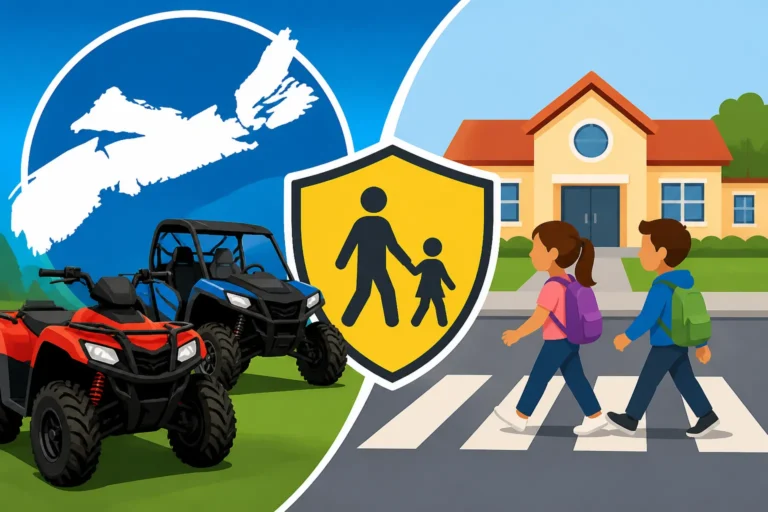
It's incredibly frustrating when you live in a beautiful province like Nova Scotia, surrounded by incredible landscapes, and own an ATV or UTV, but feel completely unsure about where you can legally ride, especially if you're close to a major hub like Halifax. The good news is that the provincial government and local municipalities are working to create more accessible options, specifically through designated road trails. This guide will help you understand the current landscape of road trails near Halifax, outlining the rules, opportunities, and how you can explore responsibly.
The Evolving Landscape of Road Trails Near Halifax
For many years, off-highway vehicle (OHV) riders in Nova Scotia faced significant challenges connecting their machines to established trail networks without breaking the law. Riding on public roads was largely prohibited, creating a fragmented experience. However, recognizing the growing popularity of ATVs and UTVs and the economic benefits they bring to rural communities, Nova Scotia has been steadily expanding its "road trail" initiatives. This is a game-changer for riders, particularly those in the sprawling Halifax Regional Municipality (HRM).
Understanding the Road Trails Act
The foundation for these changes lies within Nova Scotia's Off-highway Vehicles Act, which has seen amendments specifically addressing the creation and operation of road trails. These aren't just any old roads; they are specific, designated sections of secondary highways or municipal roads where off-highway vehicles are legally permitted to operate under strict conditions. The province launched a pilot project to test the viability and safety of these road trails in various communities, and the success of that pilot has led to a planned expansion. You can dive deeper into the specifics of this legislation by checking out [Nova Scotia Road Trails Act Explained]. The goal here is clear: to strategically connect existing off-highway trail systems and allow riders to access amenities like fuel, food, and lodging in nearby villages without having to load their machines onto a trailer. It's about creating a more cohesive and enjoyable riding experience, bridging those frustrating gaps between your driveway and the nearest trail.
Why Road Trails Matter in the HRM Context
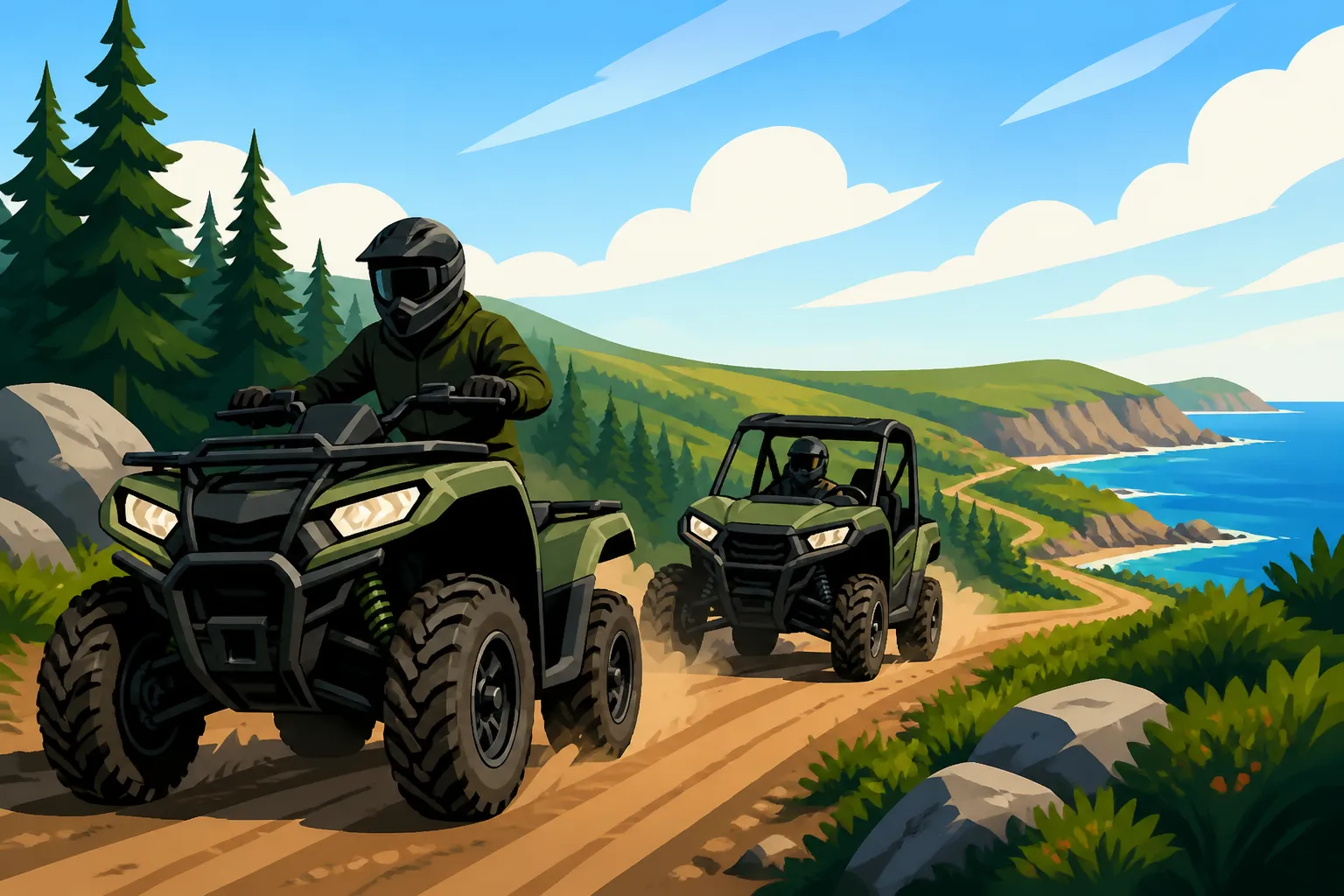
While downtown Halifax is certainly not a place for an ATV, the Halifax Regional Municipality is vast and incredibly diverse, stretching from urban cores to deep rural communities along the coast and inland. For residents in areas like Musquodoboit Harbour, Sheet Harbour, or the many smaller communities sprinkled throughout the HRM, road trails offer a vital link. Imagine living just a few kilometers from a fantastic off-highway trail system, but having no legal way to get there without trailering your machine. That's the frustration road trails aim to solve. They allow for local access, enabling residents to use their machines for recreation or even quick errands to the corner store, as long as it's on a designated road trail. This isn't about using your quad as a daily commuter through busy traffic, but about integrating OHV use into the fabric of rural life, making the most of Nova Scotia's beautiful backroads and allowing riders to seamlessly transition from pavement to dirt.
Navigating the Rules and Regulations
Riding on designated road trails is a privilege, not an inherent right, and it comes with a strict set of rules designed to ensure the safety of all road users and minimize impact on residents. It's absolutely crucial for every rider to understand and adhere to these regulations. Ignoring them not only puts yourself and others at risk but also jeopardizes the future expansion of these valuable road trail opportunities.
Key Requirements for Road Trail Riding
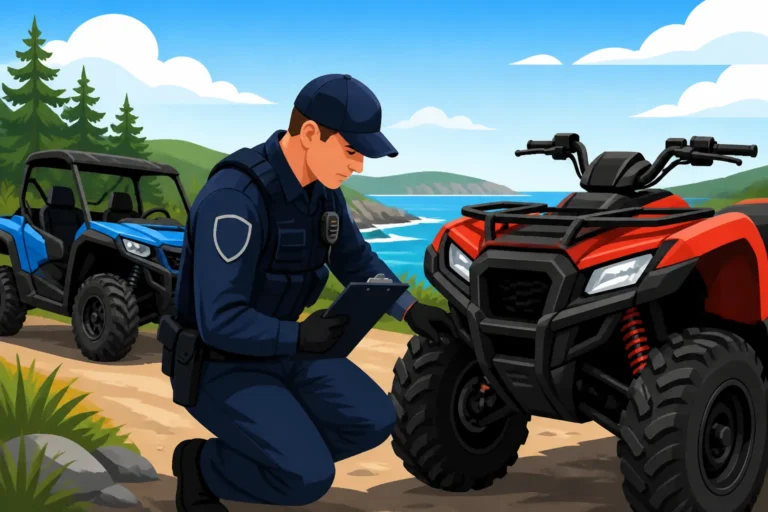
First and foremost, your off-highway vehicle must be legally registered and insured. This isn't optional; it's a fundamental requirement for operating on any public land, including designated road trails. You can learn more about this by reading [Nova Scotia Requires Registration and Insurance]. Beyond that, the operator of the machine must hold a valid driver's license. This means no learner's permits – you need a full, unrestricted license to be on a road trail. Helmets are also mandatory for all riders and passengers, meeting specific safety standards. It's not just a good idea; it's the law. For specifics on accepted headgear, see [Nova Scotia ATV Helmet Law]. Your machine also needs to be in good working order, equipped with working headlights and taillights for visibility, and a muffler that keeps noise levels within legal limits. Always carry your registration, proof of insurance, and driver's license with you while riding. An officer can and will ask to see these documents, and being unprepared can lead to fines and a ruined day.
Operational Restrictions and Etiquette
Once you're on a road trail, the rules shift from off-highway trail riding to sharing the road responsibly. The speed limit on all road trails in Nova Scotia is a strict 25 km/h, regardless of the posted speed limit for other vehicles. This is crucial for safety and minimizing disturbance. To further understand this, check out [Nova Scotia's 25 km/h Road Trail Limit]. You must always ride single file, even if the road is wide enough for two machines abreast; this rule is designed to ensure safety and allow other traffic to pass easily. Consult [Nova Scotia Riders Travel Single File] for more on this. Yielding to all other traffic, including cars, trucks, and even bicycles or pedestrians, is paramount. OHVs are the guests on these roads, and courtesy goes a long way.
There are also specific hours of operation for road trails. Generally, you can ride from a half-hour before sunrise to a half-hour after sunset. Night riding is typically prohibited on these shared-use roads. [Nova Scotia Road Trail Operating Hours] provides further details. Always be mindful of noise, especially when passing residential areas. Modified or excessively loud exhausts are generally not permitted and can lead to citations. While navigating these specific rules and varying terrains on road trails, having a well-maintained machine is key. Some riders opt for robust aftermarket parts, perhaps from a brand like SuperATV, to ensure their machines can handle the diverse conditions, from paved sections to gravel roads and dirt paths that often make up a road trail network. Being a good ambassador for the OHV community means respecting speed limits, riding quietly, and leaving no trace.
Here's a quick look at some key rules for Nova Scotia's road trails:
| Requirement | Detail |
|---|---|
| Registration | Mandatory, machine must be registered with Access Nova Scotia |
| Insurance | Mandatory, minimum third-party liability coverage |
| Driver's License | Operator must hold a valid, unrestricted driver's license (no learners) |
| Helmet | Mandatory for operator and all passengers, must meet approved safety standards |
| Speed Limit | 25 km/h (regardless of posted road speed) |
| Riding Formation | Single file only |
| Hours of Operation | Half-hour before sunrise to half-hour after sunset |
| Yielding | Must yield to all other vehicles, pedestrians, and cyclists |
| Machine Condition | Functional headlights, taillights, brake lights, and approved muffler required |
Specific Road Trail Opportunities Around Halifax
Finding the exact road trails near Halifax can feel a bit like a treasure hunt, as designations are often localized and require some research. However, the intent behind the road trail initiative is to provide access in more rural parts of the HRM, connecting communities and trail networks. It's not about riding through the city proper, but rather about linking up with existing off-highway trails from smaller villages and hamlets.
Identifying Designated Road Trails in the HRM
The Halifax Regional Municipality is a large area, and its rural zones are prime candidates for road trail development. While the most densely populated parts of Halifax are obviously off-limits, you'll find these designated roads popping up in communities further out. Think areas like the Musquodoboit Valley, Sheet Harbour, and other locales along the Eastern Shore, or even some of the more rural sections of Annapolis Valley or Cumberland County that are within a reasonable driving distance of the HRM. These are typically secondary municipal roads, often gravel or lightly paved, that see less traffic than major arteries. The best way to identify current designated road trails is to consult the provincial government's official road trail listings and maps, or those provided by the All-Terrain Vehicle Association of Nova Scotia (ATVANS). These resources are regularly updated as new sections are added. Riders often find themselves needing robust equipment for these varied conditions; for instance, durable tires are essential for navigating the transition from paved roads to gravel and dirt, and many riders turn to brands like SuperATV for their reputation in producing tough, trail-ready components that stand up to the challenge.
Connecting to Wider Trail Networks
The real beauty of road trails near Halifax isn't just riding on them, but what they allow you to connect to. These segments are strategically placed to act as crucial links between communities and the extensive [Nova Scotia ATV Trails: The ATVANS Network]. Imagine being able to leave your cottage or home, ride a short, designated road trail section, and then seamlessly transition onto a sprawling off-highway trail system like an old rail bed or a managed club trail. This opens up vast areas for exploration that were previously inaccessible or required the hassle of trailering. For instance, you might use a road trail to get from a village like Middle Musquodoboit onto a major rail trail, allowing you to explore for miles. This connectivity enhances the riding experience immensely, giving you the freedom to explore longer routes and discover new areas. Always remember to check current maps and plan your route carefully to ensure you stay on designated roads and trails.
Planning Your Halifax-Area Road Trail Adventure
Embarking on a road trail adventure near Halifax means being prepared for a unique blend of conditions. You're not entirely on a groomed trail, nor are you driving a car on a highway. It's a hybrid experience that requires careful planning, the right gear, and a strong sense of responsibility.
Essential Gear and Machine Prep
Before you head out, a thorough check of your machine is non-negotiable. Ensure your tires are in good condition and inflated appropriately for the varied terrain you might encounter – sometimes a little less pressure can help on gravel or dirt. Check all your lights (headlight, taillight, brake light) to ensure they're fully functional, especially if there's any chance of riding near dusk. Carry basic tools, a first-aid kit, plenty of water, and a reliable navigation device or map. Cell service can be spotty in some of the more rural parts of the HRM, so don't rely solely on your phone. Layering your clothing is also a smart move, as Nova Scotia weather, especially near the coast, can change rapidly from warm sun to cool fog in a matter of minutes.
Beyond the basics, many experienced riders also invest in aftermarket accessories that enhance safety and durability. For instance, a robust winch, perhaps from SuperATV, can be invaluable if you encounter an unexpected obstacle or a muddy patch on a less-maintained connecting trail. Similarly, durable skid plates offer protection for your undercarriage from rocks and debris that might be more prevalent on these mixed-use routes. It’s all about being prepared for whatever the trail, or road trail, throws your way. Remember, the goal is to have a fun and safe day, and that starts with a machine that's ready for the journey and a rider who's well-equipped.
Respecting the Community and Environment
The future of road trails in Nova Scotia hinges on the responsible actions of riders. When you're on a road trail, you're not just a recreational user; you're a guest in someone's community. This means being a good neighbour: slowing down even more when you pass homes or businesses, keeping noise to a minimum, and waving to residents. Never, ever litter. Carry out everything you carry in, and if you see garbage, consider picking it up.
It's also crucial to stick to designated paths and trails. Going off-trail, especially into sensitive areas like wetlands or private property, creates a negative perception and can lead to trail closures. For example, specific bans are in place for [Nova Scotia Beach and Dune Riding Bans] to protect fragile coastal ecosystems. Similarly, respecting [Nova Scotia Rules for Riding a Shoulder] is vital. These road trails are a privilege, and every rider has a role to play in preserving access and fostering positive relationships with local communities. For instance, upgrading your machine with durable A-arm guards or full-coverage skid plates from SuperATV helps protect your machine, but the real protection comes from making smart riding choices and staying on marked routes. Your actions directly influence how the public and local authorities view OHV riding, so let's make it a positive impression.
Exploring Nova Scotia's road trails near Halifax offers an incredible opportunity to experience the province's natural beauty and connect with local communities in a new way. By understanding the rules, preparing your machine, and riding responsibly, you can enjoy these evolving access points and contribute to the positive growth of the OHV community. Happy trails!
Disclaimer
This article is for general informational purposes only and does not constitute professional advice. Laws, prices and regulations vary by location and change over time. Consult a qualified professional for guidance on your specific situation.