Riding Between Tusket and Pubnico
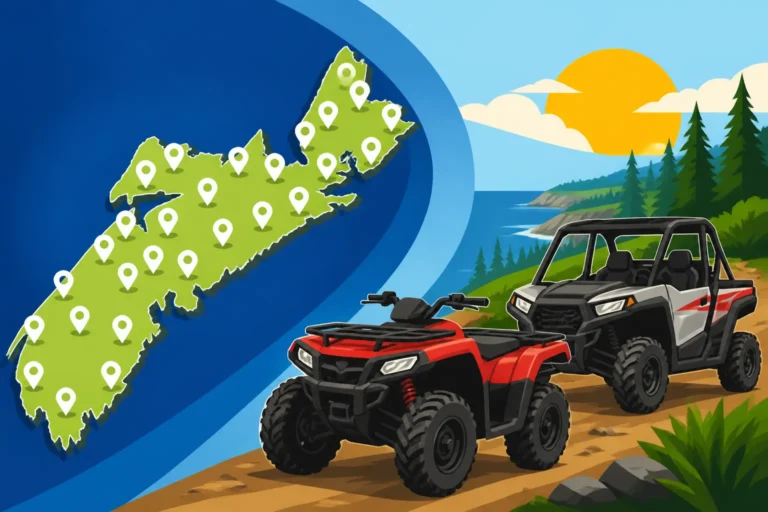
For many of us who love exploring the backcountry of Nova Scotia on our ATVs and UTVs, the dream is often to connect one scenic community to another, turning a short ride into a longer journey. However, the fear of accidentally trespassing or breaking a road rule can be a real buzzkill, especially when trying to link picturesque towns like Tusket and Pubnico in Yarmouth County. This guide is here to clear up the confusion, helping you understand how to safely and legally navigate the beautiful landscape between these two vibrant communities.
Navigating the Road Trails Act in Southwestern Nova Scotia
It's completely understandable to feel a bit overwhelmed by the rules when you're just trying to enjoy a ride. Nova Scotia has made some significant strides in opening up connections for off-highway vehicles, but it’s not a free-for-all, and the specifics can be a bit murky, especially in areas with a mix of rural roads and dedicated trails. The key to successfully linking communities like Tusket and Pubnico lies in understanding the Nova Scotia Off-highway Vehicles Act and, more specifically, the relatively new Road Trails Act. This legislation is designed to create designated routes on certain public roads, allowing OHVs to travel safely and legally between trail systems or to access services.
Understanding the Local Road Trail Network
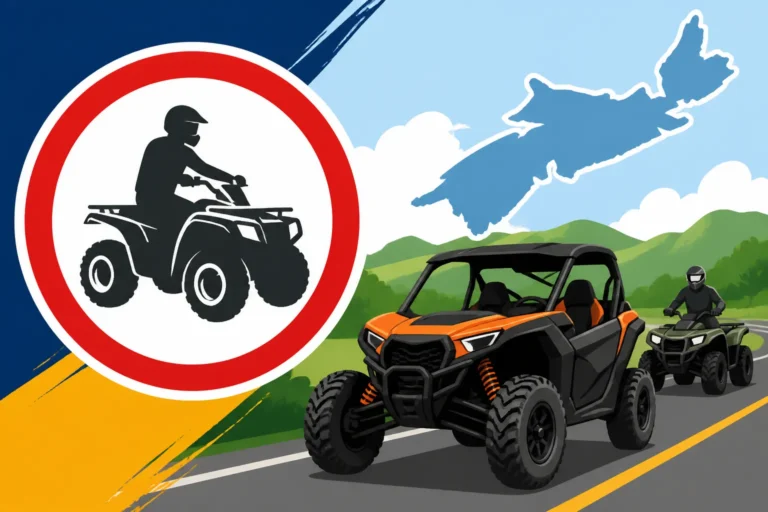
When you're looking at a map, or just wondering if you can take that shortcut, it’s easy to assume all roads are fair game. But in Nova Scotia, particularly in areas like Yarmouth County, the designation of a "Road Trail" is very specific. It’s not just any old road; these are publicly owned roads or sections of roads that have been officially identified and signed for OHV use. The whole idea behind the [Nova Scotia Road Trails Act Explained] is to provide a legitimate way to connect the dots. Imagine you're on a beautiful, winding off-road trail, but it suddenly ends, and you need to get to another trail system a few kilometers away. Without a designated Road Trail, your options would be limited, likely forcing you onto illegal stretches or making you trailer your machine.
In the Tusket and Pubnico area, like many other parts of rural Nova Scotia, these designated road sections are critical for riders. They bridge gaps, allowing for longer, more integrated rides without the constant worry of an accidental violation. These aren't meant for joyriding on every paved road; they're strategic links. This means you need to be observant of signage and understand that just because one road is designated, its entire length or every side road might not be. Riders often feel frustrated trying to figure out which stretches are legal, and for good reason – the network can be dynamic, with new sections being added and local regulations sometimes varying slightly. Always check official sources or local club maps for the most current information before you head out.
Essential Requirements for Riding Legally
Once you find yourself on a designated Road Trail, you're essentially sharing the road with other vehicles, even if it's a quiet back road. This means that while you're enjoying the convenience of connecting communities, you also take on the responsibilities of a road user. It’s not just about getting from A to B; it’s about doing it safely and legally, which means adhering to a few non-negotiable requirements that apply across the province, even on these special connectors. These rules are in place for everyone's safety, including yours.
First and foremost, your machine absolutely needs to be registered and insured. This is a provincial mandate that applies whether you're deep in the woods or on a designated road connector. The frustration of trying to keep track of all the paperwork is real, but it’s crucial. You can find more details on what’s needed for proper documentation in [Nova Scotia Requires Registration and Insurance]. Beyond the machine, you, the rider, have your own set of requirements. A helmet is not optional; it's a life-saving piece of gear, and the law agrees. Make sure you understand the specifics of the [Nova Scotia Helmet Law for Riders]. And here's a big one for Road Trails: you need a valid driver's license. This isn't just for highways; it applies to these designated road connections too. A learner's permit typically won't cut it when you're sharing the road. Delve into [Nova Scotia Requires a Full Driver's Licence] for more clarity on this. Missing any of these essentials can quickly turn a fantastic ride into a costly headache, so it’s always best to be prepared before you even put the key in the ignition.
Connecting Tusket and Pubnico: Route Considerations and Best Practices
When you're eyeing a route that takes you between communities like Tusket and Pubnico, it's not just about finding a path; it's about finding a legal and safe path. This part of Nova Scotia, with its stunning coastal views and rural charm, offers incredible riding, but like any responsible rider, you want to make sure you're respecting the rules and contributing to the positive image of the OHV community. The designated Road Trails are your allies here, acting as crucial arteries that link the more extensive off-highway trail networks.
Identifying Permitted Sections and Connectors
One of the biggest headaches riders face is the uncertainty of whether a particular stretch of road is part of the official Road Trail network. It's not always obvious, and a wrong turn can lead to fines or, worse, dangerous encounters with other traffic. When planning your journey between Tusket and Pubnico, your first step should always be to consult official maps provided by the province or by local ATV associations, such as ATVANS. These resources will show clearly marked Road Trail segments. You're looking for specific roads or portions of roads that act as connectors, allowing you to transition from one off-highway trail system to another without breaking the law.
Sometimes, these connectors might be quiet back roads, other times they might be short segments of busier roads designed to get you across a main thoroughfare. The tell-tale sign will often be signage indicating OHV access, though you should never rely solely on a missing sign as proof of legality. Think of it like this: you've spent good money on your machine, maybe even adding upgrades like a high-clearance A-arm kit or heavy-duty axles from SuperATV to tackle tough trails. It would be a shame to risk it all on an unauthorized road. Local knowledge is invaluable here; sometimes, the best information comes from seasoned riders in the area or by attending local club meetings. Don't be shy about asking questions! It's much better to plan your route meticulously than to find yourself in a situation you didn't anticipate.
Adhering to Road Trail Operating Rules
Once you've identified a legal Road Trail connector between Tusket and Pubnico, the next step is to operate your machine within the specific rules designed for these shared-use segments. These aren't the same as tearing through a private woodlot; you're now interacting with other forms of traffic, pedestrians, and potentially homes, so a different set of etiquette and legal requirements applies. It's all about ensuring safety and minimizing disruption for everyone.
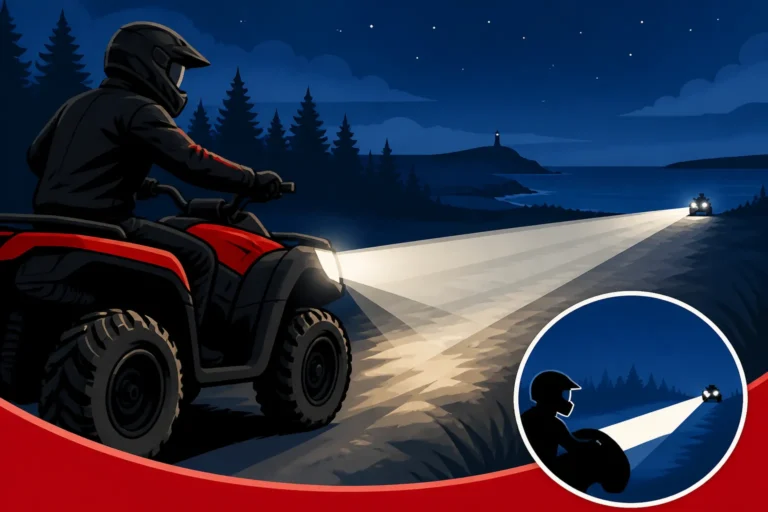
The most critical rule on a Road Trail is the speed limit: [25 km/h on a Road Trail]. This might feel incredibly slow if you're used to open trails, but it’s there for a reason. These roads can have blind curves, driveways, and unexpected obstacles, and a lower speed gives you more time to react. Imagine a car suddenly pulling out of a driveway – you need to be able to stop. Beyond speed, how you ride matters. Nova Scotia rules clearly state that [Nova Scotia Riders Travel Single File] and [Nova Scotia Riders Must Not Pass] other OHVs on these connectors. This isn't just courtesy; it's a safety measure to maintain order and visibility. You also absolutely must [Nova Scotia Riders Yield to Traffic]; remember, you are a guest on these roads. Ensuring your machine has proper lighting – headlights, tail lights – is crucial, especially during dusk or dawn, or on overcast days common along the coast. If your stock lighting feels inadequate, considering brighter LED options from a brand like SuperATV can significantly improve your visibility to others and your view of the road ahead, making your ride safer for everyone.
Trail Riding Opportunities Beyond the Connectors
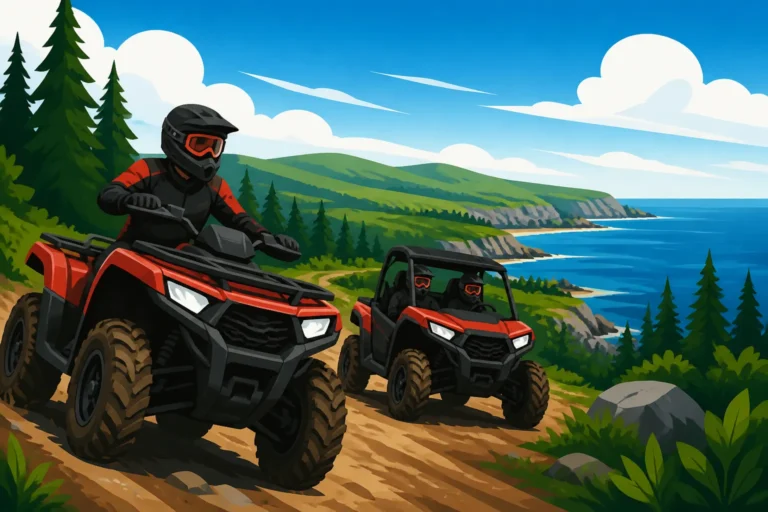
While the designated Road Trails are fantastic for linking communities, the true heart of OHV riding in Nova Scotia, especially in the southwestern region, lies in the vast network of dedicated off-highway trails. Tusket and Pubnico are situated in an area rich with natural beauty, and the ability to combine these road connectors with extensive trail systems offers a truly immersive riding experience. It’s here that you can really let your machine stretch its legs and explore the diverse landscapes.
Exploring Local Club Trails and Off-Road Sections
Beyond the stretches of public road that form the connectors, the real adventure awaits on the extensive network of club-maintained trails. These are the trails that local ATV associations pour countless hours into building and maintaining, often traversing old rail beds, forestry roads, and private lands with permission. In the Yarmouth County area, like many other regions of Nova Scotia, these dedicated trails provide the backbone of the riding experience. They're where you'll find varied terrain, challenging climbs, scenic vistas, and the true sense of wilderness exploration. It’s important to understand that riding on these trails requires a valid trail permit, typically obtained through ATVANS (All-Terrain Vehicle Association of Nova Scotia) or one of its member clubs. Getting a [Nova Scotia Trail Permits From ATVANS] not only grants you legal access but also supports the very infrastructure that makes these rides possible.
The distinction between a Road Trail and a dedicated club trail is important: on a club trail, you're usually in a more controlled environment, designed specifically for OHVs, often without the same mixed traffic concerns as a road. This allows for a different style of riding, though safety protocols, like always wearing a helmet and riding within your limits, still apply. These trails are what you really invest in when you buy a robust machine equipped with durable accessories, perhaps a heavy-duty winch or a well-designed lift kit from SuperATV, to tackle whatever the Nova Scotia terrain throws at you. Engaging with a local club in the area can open up a world of knowledge about these trails, including current conditions, group rides, and any temporary closures.
Respecting Private Land and Environmental Sensitivity
One of the most crucial aspects of being a responsible OHV rider in Nova Scotia, particularly in areas like the stunning coastal region between Tusket and Pubnico, is an unwavering commitment to respecting private property and protecting the environment. Many of the most beautiful trails and riding opportunities exist because landowners have granted permission for OHV use, or because the trails traverse environmentally sensitive areas that require careful navigation. Ignoring these considerations not only tarnishes the reputation of all riders but can also lead to severe legal consequences and the closure of precious trails.
Always be acutely aware of [Nova Scotia Trespass Law for Riders]. If a trail crosses private property and is not part of a designated club network with explicit landowner agreements, you must have permission to be there. "No Trespassing" signs are not suggestions; they are legal directives. Beyond private land, Nova Scotia's natural environment, especially its coastal ecosystems, is incredibly fragile. Areas like beaches and dunes are particularly vulnerable, and riding on them is often explicitly prohibited. You can learn more about these restrictions, which are in place to protect delicate habitats, by checking [Nova Scotia Beach and Dune Riding Bans]. The general rule of thumb is to stay on marked trails, avoid creating new ones, and pack out everything you pack in. Every rider shares the responsibility of being an ambassador for the sport, ensuring that future generations can also enjoy the breathtaking beauty of Nova Scotia's backcountry.
Planning Your Ride: Safety, Supplies, and Community Engagement
A spontaneous ride can be fun, but when you're planning to connect communities like Tusket and Pubnico, especially across varied terrain and designated road sections, a little preparation goes a long way. Thinking ahead about what you need, what to expect, and how to connect with the local riding community can dramatically enhance your experience and ensure your safety. It’s not just about the thrill of the ride; it’s about riding smart.
Essential Gear and Pre-Ride Checks
Before you embark on any journey between Tusket and Pubnico, particularly one that combines trails and road connectors, a thorough pre-ride check of your machine and your gear is non-negotiable. Think of it as your personal flight checklist. Start with your machine: check tire pressure, fluid levels (oil, coolant, brake fluid), and make sure all lights are functioning – especially critical for those road trail sections. A quick inspection of your suspension components, like ball joints and tie rod ends, is always a good idea; rough Nova Scotia trails can be hard on them, and you don’t want a failure far from help. If you've invested in aftermarket parts, perhaps a heavy-duty replacement part from SuperATV, give them a once-over too.
Beyond the machine, pack smart. A basic tool kit, tire repair kit, and a small air pump are essential. Always carry a first-aid kit, and ensure your communication devices (charged phone, perhaps a satellite messenger for remote areas) are working. Extra fuel is often a lifesaver, as gas stations can be few and far between on some routes. Don't forget snacks, water, and appropriate layers of clothing, as coastal Nova Scotia weather can change rapidly. Finally, always check [Nova Scotia Trail Conditions and Closures] before you leave. A trail that was open last week might be closed due to a washout or forestry operations, and knowing this beforehand can save you a lot of wasted time and frustration.
Connecting with the Local Riding Community
One of the absolute best resources for planning any ride in Nova Scotia is the local riding community itself. There's an incredible wealth of knowledge and passion among experienced riders and members of local clubs, and tapping into that can transform your riding experience from good to exceptional. They know the nuances of the trails, the best hidden gems, and the most up-to-date information on road trail designations and conditions.
Consider joining one of the many dedicated OHV clubs in Nova Scotia. Organizations like those listed under [Nova Scotia Quad Clubs Worth Joining] are not just about trail maintenance; they're vibrant communities. Club members often organize group rides, share route advice, and are your go-to source for questions about specific areas like Tusket and Pubnico. They can tell you which connectors are best, where to find fuel, and what to watch out for. Beyond formal clubs, online forums and social media groups dedicated to Nova Scotia OHV riding are also great places to connect, ask questions, and share your experiences. Engaging with these communities fosters camaraderie and ensures you're riding with the most current and relevant information, making every journey safer and more enjoyable.
| Feature | Dedicated Off-Highway Trails (Club Trails) | Designated Road Trails (Connectors) |
|---|---|---|
| Primary Use | Recreational off-road riding, exploration | Linking trail systems, accessing services |
| Speed Limit | Varies, often higher (follow posted signs) | Strictly 25 km/h |
| Traffic | Primarily OHVs, sometimes hikers/cyclists | Mixed traffic (OHVs, cars, trucks) |
| Driver's License | Not always required (check specific rules) | Required (full driver's license) |
| Passing | Often permitted with caution | Not permitted; ride single file |
| Yielding | To hikers, cyclists, wildlife | To all other traffic |
| Permit Required | Yes (ATVANS or club permit) | No additional permit (beyond registration) |
| Signage | Trail markers, warnings | Road Trail designation signs, standard road signs |
Disclaimer
This article is for general informational purposes only and does not constitute professional advice. Laws, prices and regulations vary by location and change over time. Consult a qualified professional for guidance on your specific situation.