Buying Two Permits for Two Provinces
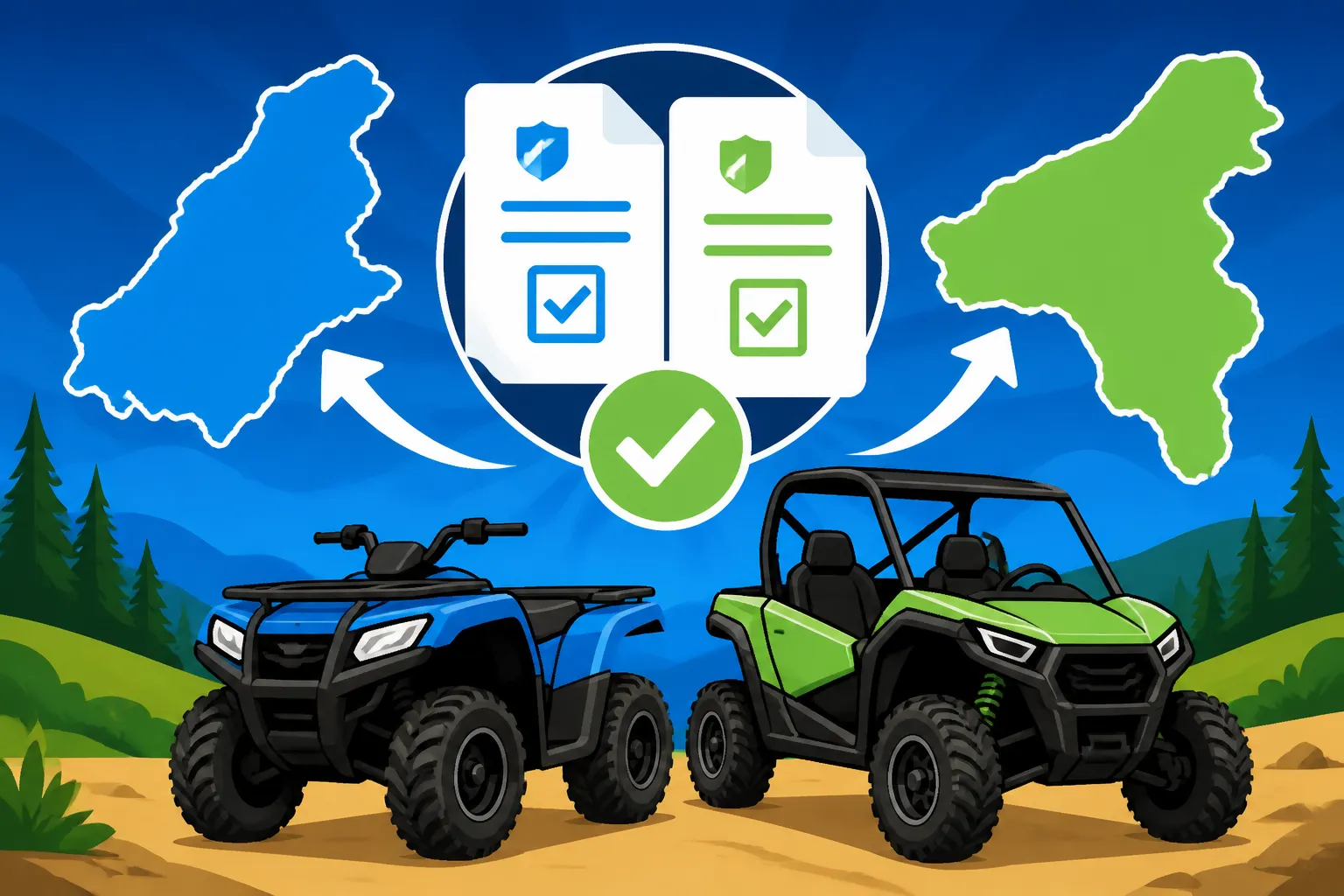
If you plan to ride an ATV or UTV in Nova Scotia and another province, one trail permit may not cover both places. The key is to separate trail access from registration and insurance, then confirm what each destination requires before you travel. Here’s how to plan for Nova Scotia and Prince Edward Island without assuming permits transfer across the border.
Why one province’s permit may not cover another
A trail permit and a machine’s registration do different jobs. Registration is tied to the machine and its legal operation; a trail permit generally provides access to participating trails under the issuing organization’s rules. Insurance is another separate requirement. Having one does not automatically replace the others.
Nova Scotia riders use permits associated with the provincial trail system. A permit that provides access there should not be treated as permission to ride every trail in another province. Likewise, a permit bought for another province does not necessarily provide access to Nova Scotia trails. Check the rules for both the departure province and the destination.
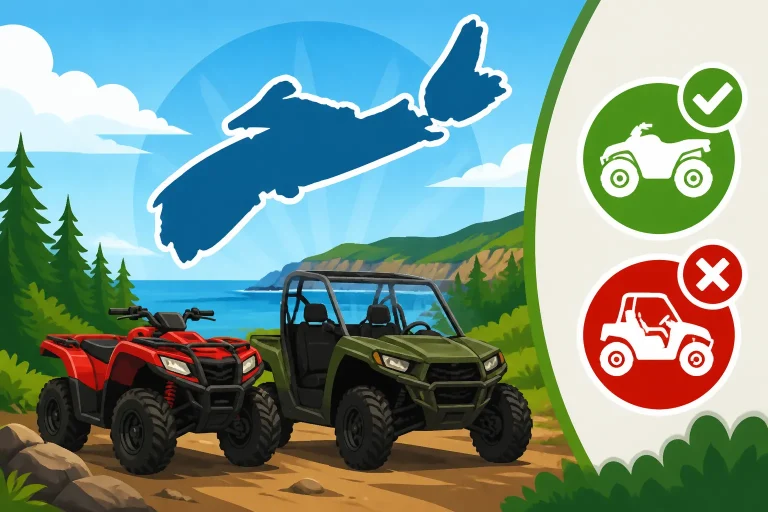
For Nova Scotia and Prince Edward Island, don’t rely on an old understanding of reciprocity. The arrangement has changed, and riders should confirm current requirements with the relevant trail organizations before crossing. The practical approach is to arrange the permit required for each province where you plan to ride. Nova Scotia and PEI Reciprocity Ended in 2026 explains why older assumptions can cause problems, while An Island Pass Required From 2026 covers the need to check the Island’s current access rules.
| What you need to check | What it covers | What to confirm before riding |
|---|---|---|
| Trail permit | Access to trails covered by the permit | Whether it is valid in the province and on the routes you plan to use |
| Registration | The machine’s registration status | Whether your registration is recognized and what papers you must carry |
| Insurance | Financial protection under the policy and legal requirements | Whether coverage applies in the destination province and on the planned route |
| Trail conditions | Whether a route is open and suitable for machines | Current closures, restrictions, and local access rules |
This distinction matters even if you own the machine in one province and only plan a short ride in another. A visitor permit may be available, but it has its own eligibility, duration, and trail-access rules. It is not the same thing as registration, and it may not be the right choice for a resident or someone planning a longer stay. See Nova Scotia’s Thirty-Day Visitor Permit for the visitor option in Nova Scotia and Nova Scotia Permit for a Visitor for questions to settle before you buy.
Planning a ride in Nova Scotia and PEI
Start with the routes, not the payment page. Write down which province you will ride in, which trails you hope to use, and how long you’ll be there. Then ask the trail organization in each province what permit applies to your situation. A machine that is only being transported through a province may be treated differently from one that will be ridden there, so explain your actual plan.
For Nova Scotia trails, check whether you need an ATVANS permit and what type fits your situation. Membership and a permit may be bundled for some riders, while another permit option may suit someone who does not want to join a club. The options are not interchangeable in every respect: membership can provide benefits beyond the permit itself. Nova Scotia Club Permit vs Standalone Permit outlines the distinction, and Nova Scotia Permit for a Second Machine is useful if you are bringing more than one registered ATV or UTV.
For PEI, verify its current permit process and the trails covered before your trip. Do not assume that buying a Nova Scotia permit also buys access on PEI trails, or that a PEI permit covers Nova Scotia. If you are unsure which permit applies, contact the destination organization with the machine type, your home province, and the dates and areas you plan to ride.
Also check the permit’s validity period. Some permits follow a calendar-year schedule, while a visitor permit may use a different period. A permit that was valid for a previous trip might have expired, and a permit bought partway through a season may not last as long as you expect. Read the expiry wording before purchase and ask whether your dates are covered. Nova Scotia Permits Run a Calendar Year and Nova Scotia Permit Expiry Date explain the timing to check for Nova Scotia.
If you’ll ride in New Brunswick as well as Nova Scotia, check that province’s rules separately. Don’t carry over an assumption about PEI, New Brunswick, or any other province: each destination can set its own trail-access requirements. Nova Scotia Riders Visiting New Brunswick and Nova Scotia Riders Visiting PEI provide starting points for those different trips.
Permits are only one part of the paperwork
Before you leave, confirm that the machine’s registration and insurance are in order. A trail permit does not register a machine, and it does not create insurance coverage. Conversely, registration and insurance do not automatically give you trail access.
For Nova Scotia-owned machines, review the provincial registration requirements and carry the required documents. If the machine is registered elsewhere, ask the destination’s authorities or trail organization what proof a visiting rider should have. The answer can depend on the machine, the rider’s residency, and whether the trip is temporary or has become a longer-term move. Nova Scotia Registration for a Visiting Rider explains the issue from the registration side.
Insurance deserves a separate check. Read your policy or ask your broker whether it applies where you intend to ride, including on permitted trails and while travelling between riding areas. Carry the proof required for the ride. A trail permit is not a substitute for liability insurance, and an insurance card is not a trail pass. For Nova Scotia’s requirements, see Nova Scotia Insurance Requirements for Riders and Nova Scotia Pink Card Rules.
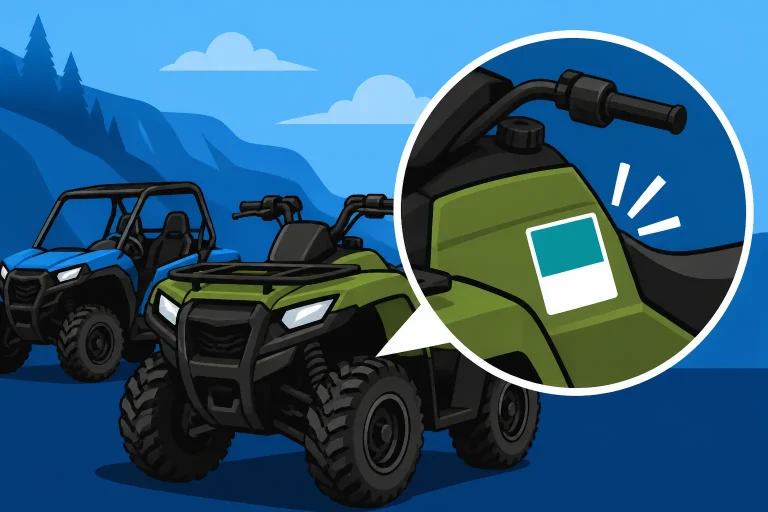
If you are using a visitor permit, make sure it matches the person and machine using it. Confirm whether the permit is assigned to a particular machine, whether a sticker or other proof is issued, and what you need to show on the trail. Rules can differ between permit types and jurisdictions. Nova Scotia Visitor Permits Without a Sticker covers one detail that can otherwise surprise visiting riders.
It also helps to check whether your intended route is actually open to ATVs or UTVs. A permit does not turn a closed trail, private road, beach, or restricted corridor into an authorized route. Confirm that the trail allows your type of machine and look for current closures before setting off. Nova Scotia Trail Conditions and Closures and Nova Scotia Permit Placement on a Machine can help with those practical checks in Nova Scotia.
A before-you-buy checklist for two permits
Buying permits for two provinces is easier when you settle the details before travel. Use this checklist for each machine and each province:
- List the provinces where you will ride. Include any province where you plan to leave a designated transport route and ride trails. If the trip includes more than Nova Scotia and PEI, check every destination separately.
- Identify the trail system. Confirm the trails you want to use are open to your machine and are covered by the permit you plan to buy. A province-wide permit may still have conditions or exclusions.
- Ask which permit applies to you. State where you live, the type of machine, the trip dates, and whether you want a short visit or a longer stay. Ask whether a resident, non-resident, or visitor option is appropriate.
- Check the validity dates and proof requirements. Find out when the permit expires, whether it is tied to a calendar year, and whether you receive a sticker, letter, digital confirmation, or another form of proof.
- Confirm registration separately. Ask what registration document the destination expects you to carry and whether your home-province registration is sufficient for a temporary visit.
- Confirm insurance separately. Verify that your policy applies in the destination province and carry the proof required. Ask about any limitations for trail riding, passengers, or particular types of use.
- Keep each province’s proof together. Store permits, registration documents, and insurance details where the driver can access them. If riding as a group, make sure each machine has its own required documents.
- Recheck shortly before departure. Trail access, closures, and administrative rules can change. Confirm current instructions with the relevant organizations rather than relying on an old permit, receipt, or forum post.
When you contact a permit provider, be specific. “I’m visiting” may not be enough to determine the right product. Say whether you are a Nova Scotia resident visiting PEI, a PEI resident visiting Nova Scotia, or a visitor from elsewhere. Include the number of machines and the planned riding dates. If you are purchasing for two machines, ask whether each machine needs a separate permit rather than assuming one purchase covers the whole group.
Keep confirmation of the purchase until you have checked that the permit is valid and that you understand how to display or carry it. A receipt may confirm payment, but it may not be the only proof required on a trail. Follow the provider’s instructions, and contact them promptly if the machine details or permit dates are wrong.
A simple rule keeps the planning clear: buy trail access for the trail system you will use, and separately confirm that the machine and rider meet registration, insurance, and operating requirements in each province. For Nova Scotia and PEI, that means checking both systems rather than expecting one province’s permit to travel with you.
Disclaimer
This article is for general informational purposes only and does not constitute professional advice. Laws, prices and regulations vary by location and change over time. Consult a qualified professional for guidance on your specific situation.