What a Rider Under 16 Must Wear
What a rider under 16 must wear in Nova Scotia: a certified helmet, eye protection, gloves, long clothing and protective boots for safer rides.
Your sticker stops at the state line.
Non-resident permits, what they cost and how long they last, and which states honor each other’s — or, increasingly, none at all.
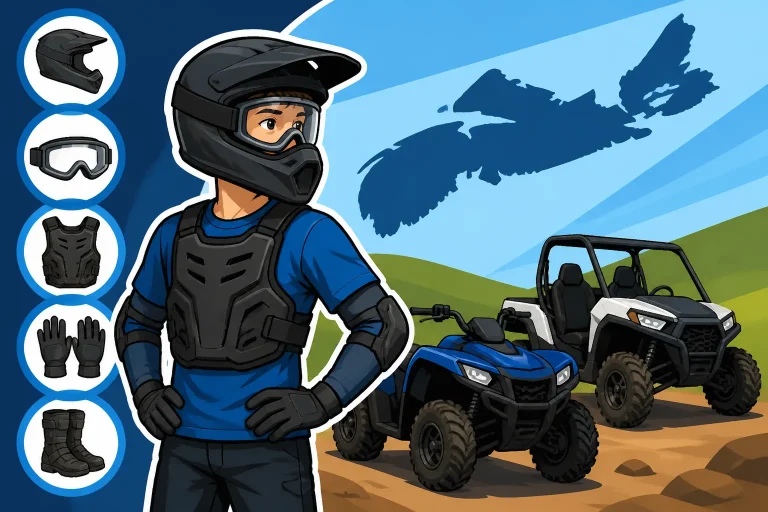
What a rider under 16 must wear in Nova Scotia: a certified helmet, eye protection, gloves, long clothing and protective boots for safer rides.
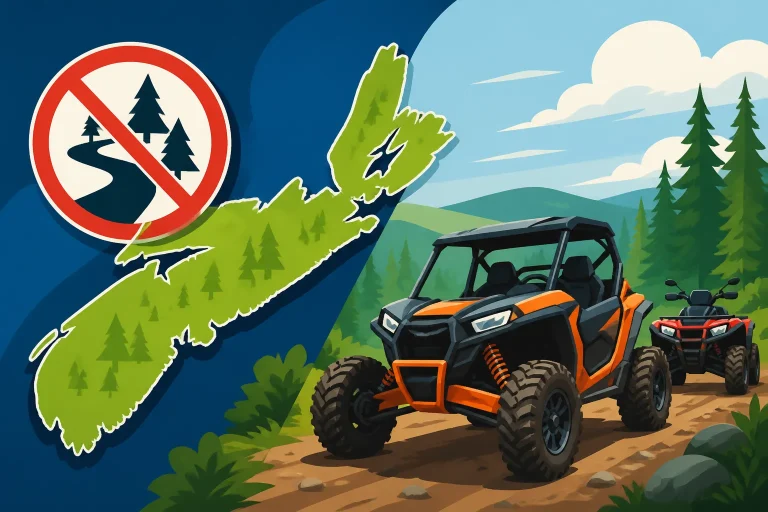
Nova Scotia Crown land riding without a club trail depends on legal access, route permission, registration, insurance and current closures.
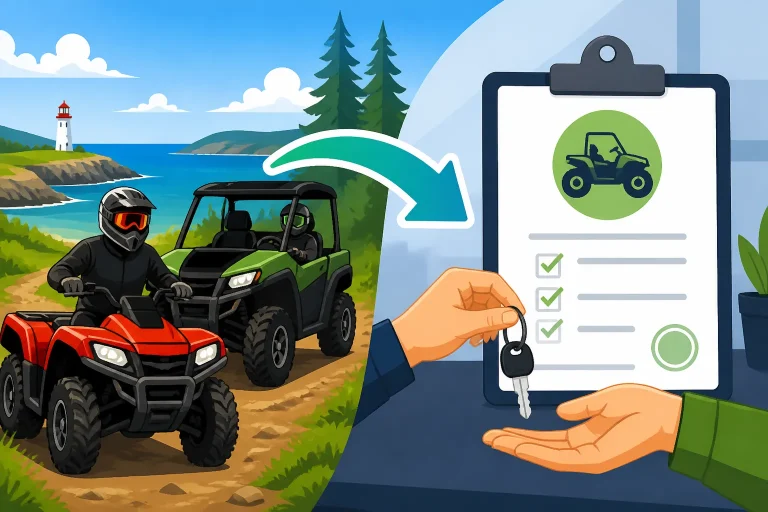
Nova Scotia vehicle registration rules for visitors depend on residence, machine registration, and riding locations rather than visit duration.
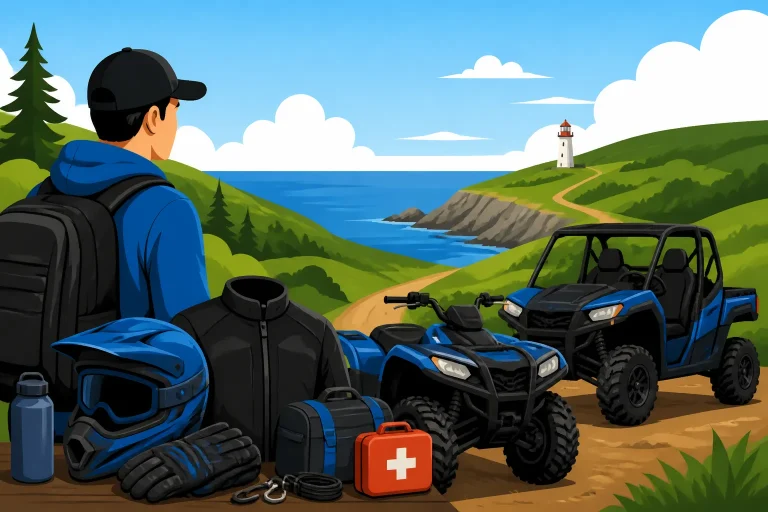
A month of ATV riding in Nova Scotia may require a 30-day trail permit, valid machine papers and insurance, plus a check of reciprocity and trail rules.
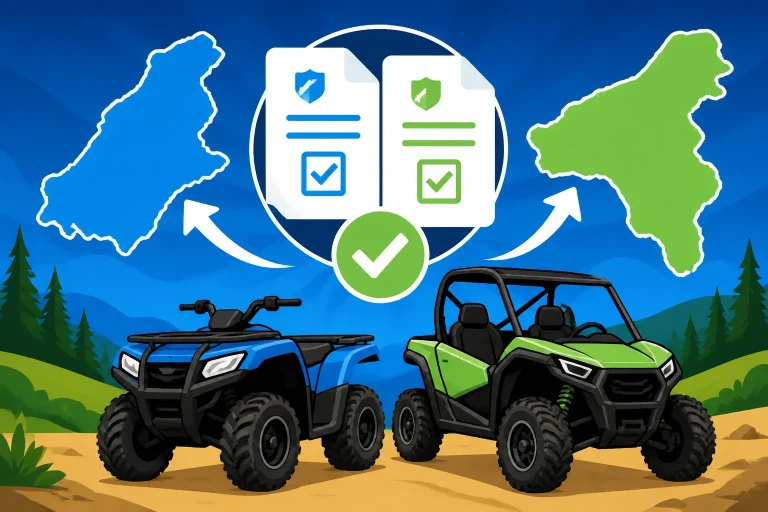
Buying two permits for Nova Scotia and PEI means confirming trail access in both provinces; registration and insurance remain separate.
Buying a pass before crossing into Nova Scotia means checking reciprocity, trail access and permit terms; a pass does not replace registration or insurance.
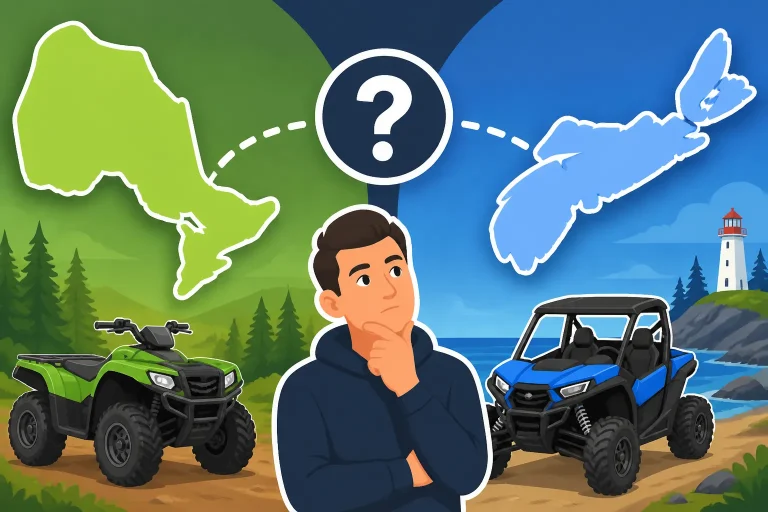
Ontario ATV permits are generally honoured on eligible Nova Scotia trails, but riders still need valid paperwork, insurance, and local access checks.
Nova Scotia riders need a separate PEI trail pass after reciprocity ended in 2026; confirm trail access, registration, insurance and pass rules before crossing.
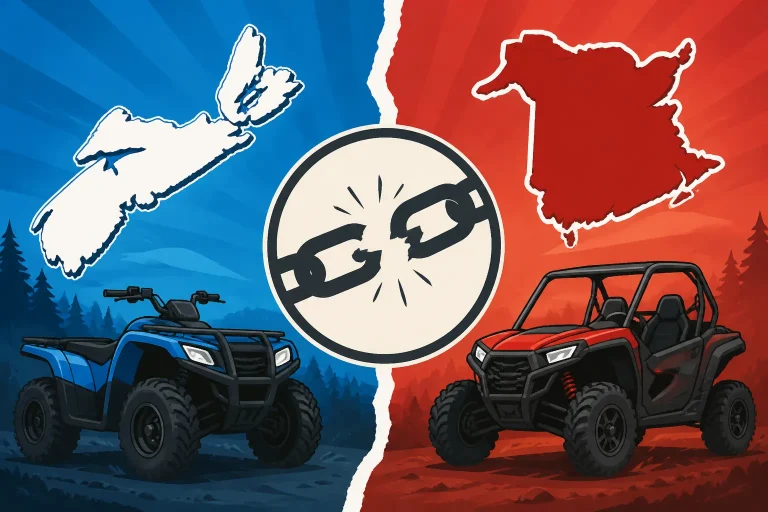
Nova Scotia and New Brunswick no longer share automatic ATV trail-permit recognition; check the host province’s current permit rules before riding.
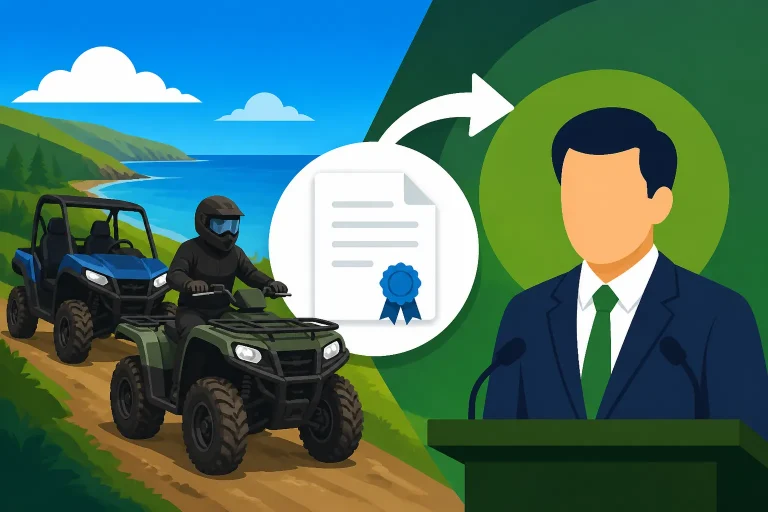
Nova Scotia safety certificates prove training, but instructors handle required notice to the Minister. Know what riders and providers should keep and verify.