Nova Scotia Road Trails in Annapolis
There's nothing quite like the freedom of exploring Nova Scotia's stunning landscapes on your ATV or UTV, but knowing exactly where you can legally ride can sometimes feel like trying to solve a puzzle. Many riders get frustrated navigating the patchwork of rules, especially when it comes to riding on actual roads. This guide aims to clear up the confusion, focusing specifically on the incredible opportunities for off-highway vehicle (OHV) enthusiasts in Annapolis County through its designated road trails.
Understanding Nova Scotia's Road Trail Act
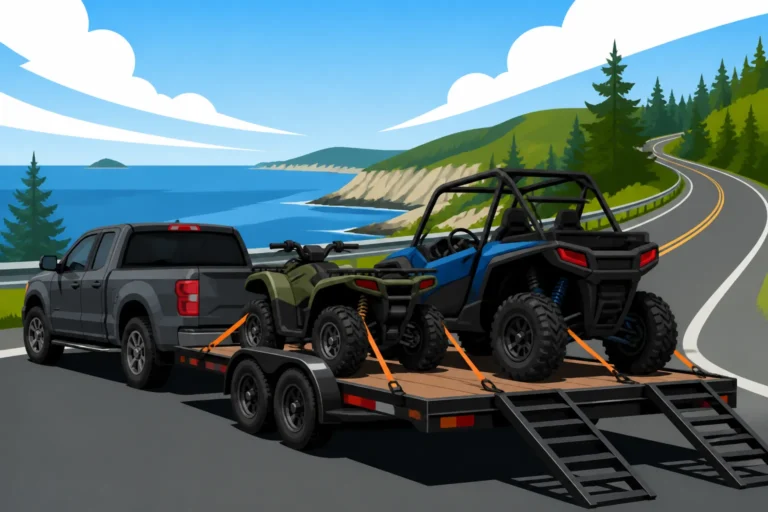
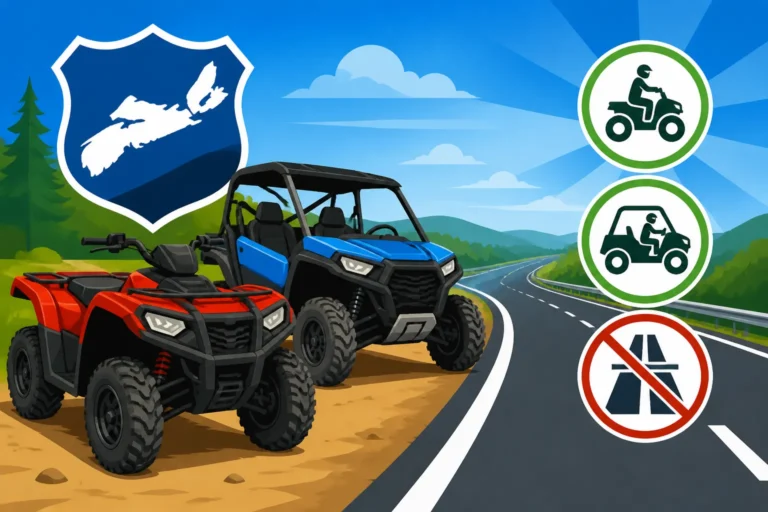
For years, ATV and UTV riders in Nova Scotia often felt confined to dedicated trails or private land, with the legalities of connecting these routes via public roads being a constant headache. The provincial government recognized this challenge and, through the Off-highway Vehicles Act, introduced a framework for "road trails." This groundbreaking initiative was designed to create a more integrated and accessible trail system, allowing riders to legally use certain public roads to link one trail segment to another, or even to access services like gas stations and restaurants. It was a game-changer for many who previously had to trailer their machines short distances just to get back on a trail.
The Purpose Behind Road Trails
The main goal of the road trail initiative was to enhance the overall OHV experience in Nova Scotia. Imagine being on a fantastic multi-day ride, only to hit a dead end because the next section of trail requires a quick hop across a village road. Before road trails, that meant a time-consuming and often frustrating detour or an illegal jaunt. Now, with designated road trails, that barrier is removed. It's about connectivity, boosting local tourism, and providing a safer, more regulated way for riders to move between trail networks. It recognizes that OHVs are a vital part of rural recreation and economies, and that supporting this activity benefits everyone. The idea is to keep riders off main highways and busy thoroughfares, guiding them instead to less-trafficked municipal roads where sharing the space can be managed effectively.
Key Provisions of the Act
The Off-highway Vehicles Act sets the stage for how these road trails operate. It outlines fundamental requirements that apply across the province, ensuring a baseline of safety and compliance. For instance, any OHV operating on a road trail must be properly registered and insured. This isn't just a suggestion; it's a legal obligation that helps protect everyone on the road. Furthermore, the Act specifies who can ride, including age restrictions, and mandates the wearing of approved helmets. These aren't arbitrary rules; they're in place for the safety of the rider and others, especially considering the different types of vehicles sharing these routes. Understanding these core tenets is your first step to a lawful and enjoyable ride, whether you're traversing the rugged terrain of Cape Breton or the rolling hills of Annapolis. You can learn more about these requirements in [Do You Need to Register an ATV in Nova Scotia?] and [Nova Scotia Insurance Requirements for Riders].
How Municipalities Implement the Act
While the provincial Act provides the overarching framework, it's actually the individual municipalities that designate specific roads as "road trails." This localized approach is crucial because each community knows its roads, traffic patterns, and resident needs best. A municipality like Annapolis, for example, will identify roads that are suitable for shared use, often those with lower speed limits, less traffic, and that logically connect existing trail systems. They'll then pass a by-law to officially designate these routes. This means what's a road trail in one county might not be in another, so always check the specific municipal rules for where you plan to ride. These local designations are usually marked with clear signage, indicating the beginning and end of a road trail section and any specific conditions that apply, such as reduced speed limits for OHVs. It's a cooperative effort between the province and local governments to ensure that these valuable connections are both safe and effective.
Specific Road Trails in Annapolis County
Annapolis County, with its rich history, picturesque valleys, and extensive backroads, offers some fantastic opportunities for ATV and UTV enthusiasts. The designation of road trails within the county has significantly opened up access, allowing riders to explore more of this beautiful region and connect to the broader provincial trail network. For those who live here or are planning a visit, knowing these specific routes is key to maximizing your riding experience.
Identifying Designated Road Trails in Annapolis
Annapolis County has been proactive in identifying and designating roads suitable for OHV use, providing crucial links for riders. One notable example, familiar to many local riders, is the connectivity around Nictaux and the Northern Spur Line. These designations aren't just random stretches of pavement; they are carefully chosen to create logical corridors that allow you to traverse areas that would otherwise be impassable or illegal. When you're out riding, look for the distinctive signage that marks the start and end of these sections. These signs are your official green light to legally ride your machine on the road for that specified segment. Without clear signage, assume the road is not a designated road trail. It's always a good idea to consult the latest maps or the municipal website for the most up-to-date information on designated routes, as these can sometimes change or expand. You can often find details on the province's "Road Trails" section of their off-highway vehicle information page.
Popular Routes and Connections
Within Annapolis County, the designated road trails serve a vital role in linking different trail networks. For instance, the connectivity around Nictaux and the Northern Spur Line is a prime example of how these road trails create a cohesive riding experience. Imagine being able to ride from one section of rugged woods trail, pop onto a quiet municipal road for a kilometer or two, and then seamlessly re-enter another extensive trail system. These connections aren't just about getting from point A to point B; they're about expanding your adventure. They allow for longer, more varied rides, opening up access to small communities, local businesses, and scenic viewpoints that might have been out of reach before. Riders often use these connections to make loops, embark on multi-day tours, or simply get to a favorite fishing spot without the hassle of trailering. When planning your route, consider how these road trails can turn a series of disconnected segments into a grand, flowing expedition across the Annapolis Valley. You might be interested in [Nova Scotia Road Trails in Annapolis] for more insights specific to the area.
Navigating Shared Use Corridors
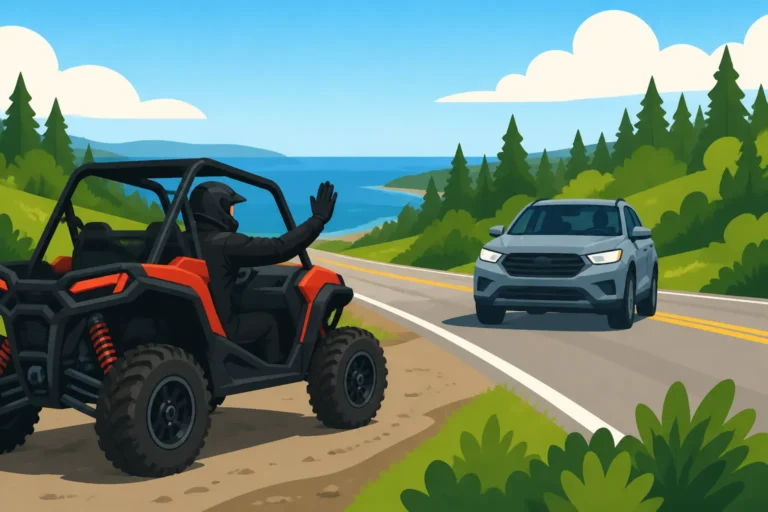
When you're riding on a road trail in Annapolis County, you're entering a shared space. These aren't private trails where you're guaranteed exclusive OHV access; they are public roads, meaning you'll be sharing them with cars, trucks, cyclists, and pedestrians. This requires a heightened sense of awareness and responsibility. Always stick to the right side of the road, just as you would in a car, and be prepared to yield to other vehicles. Your machine should have adequate lighting – both headlights and taillights – to ensure you're visible, especially during dawn, dusk, or in less-than-ideal weather conditions. Consider upgrading your lighting with robust LED options, perhaps from a brand like SuperATV, to ensure maximum visibility to oncoming traffic. Remember, the goal is safe coexistence. Slow down, be courteous, and anticipate that not every driver will be expecting an OHV on these roads. Maintaining a respectful demeanor ensures these road trail privileges continue for everyone.
Rules and Regulations for Riding Road Trails
Riding on Nova Scotia's designated road trails offers fantastic freedom, but it comes with a strict set of rules designed to ensure safety for everyone. It's easy to get caught up in the excitement of the ride, but forgetting these regulations can lead to fines, accidents, or even the revocation of these hard-won riding privileges. Think of these rules not as hindrances, but as the framework that allows us to enjoy these amazing connections responsibly.
Speed Limits and Operating Hours
One of the most critical rules to remember when on a road trail is the speed limit. Unlike open trails where you might have more leeway, road trails often have a strict maximum speed of 25 km/h. This isn't just a suggestion; it's law. This lower speed is crucial because you're sharing the road with other traffic, and the slower speed allows for quicker reactions and reduced impact in case of an unforeseen event. Ignoring this rule is a surefire way to attract unwanted attention from law enforcement and potentially endanger yourself and others.
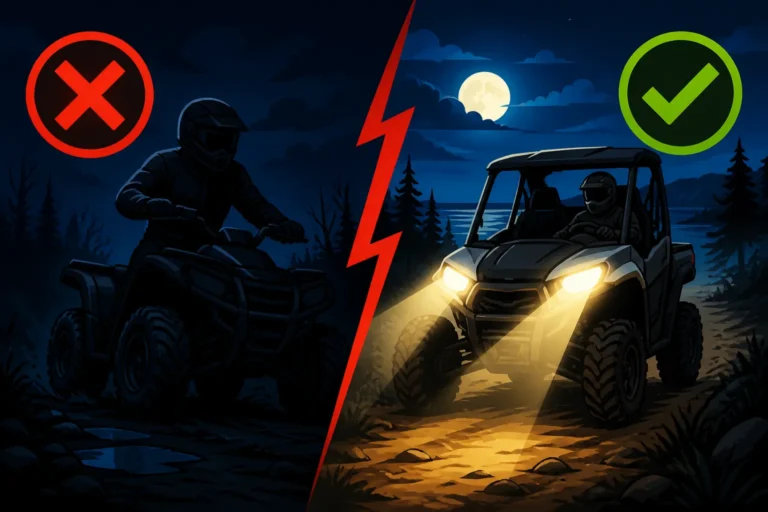
Beyond speed, pay close attention to operating hours. In many areas, road trails are only open during daylight hours, typically from half an hour before sunrise to half an hour after sunset. Night riding on road trails is generally prohibited unless explicitly stated otherwise and with proper lighting. Always check the specific municipal bylaws for any variations, as some communities might have slightly different regulations. Riding outside these hours can lead to penalties and erode public trust in OHV users.
Licensing, Registration, and Insurance Essentials
Before you even think about putting a tire on a designated road trail, ensure all your paperwork is in order. In Nova Scotia, any OHV operated on a public road, even a designated road trail, must be registered with the provincial registry. This isn't optional; it's a fundamental requirement for legal operation. You'll need to carry proof of this registration with you whenever you ride. You can find detailed information on this process in [Registering an ATV at Access Nova Scotia].
Equally important is insurance. Nova Scotia mandates that all OHVs operating on road trails carry a minimum amount of liability insurance. This protects you in case of an accident where you are at fault, covering damages or injuries to others. Always carry your "pink card" or proof of insurance. Without it, you could face significant fines. Finally, the operator must hold a valid driver's license. While you don't necessarily need a full driver's license to ride an ATV on private land or some trails, you absolutely do for road trails. A learner's permit typically won't suffice. These requirements ensure that everyone sharing the road is accountable and has a basic level of competency. For more on licensing, check out [Do You Need a Licence for an ATV in Nova Scotia?].
Passenger and Helmet Requirements
Safety is paramount, and the rules regarding passengers and helmets are non-negotiable on Nova Scotia's road trails. Firstly, helmets are mandatory for all riders and passengers, regardless of age or experience. It must be an approved helmet, meeting standards like DOT, CSA, Snell, or BSI. Don't cheap out on head protection; it's the most important piece of safety gear you own. You can explore more about this in [Nova Scotia Helmet Law for Riders].
When it comes to passengers, there are strict age requirements. Generally, passengers must be at least nine years old to ride on a road trail. This rule is in place to ensure the passenger can safely hold on, understand instructions, and has the physical maturity to withstand the forces of riding. Furthermore, your OHV must be designed to carry a passenger if you plan to bring one along. A single-rider ATV is just that – for one rider only. Attempting to squeeze an extra person onto a machine not designed for it is both illegal and incredibly dangerous. Always prioritize safety over convenience. [Nova Scotia Rules for a Passenger Under 9] offers more specific details on youth passenger regulations.
Preparing Your Machine and Yourself for Annapolis Road Trails
Embarking on a road trail adventure in Annapolis County is exciting, but it demands proper preparation of both your machine and yourself. A little forethought goes a long way in ensuring a safe, enjoyable, and compliant ride. Neglecting these steps can lead to breakdowns, legal issues, or even dangerous situations far from help.
Pre-Ride Checks and Maintenance
Just as you would before a long drive in your car, a thorough pre-ride inspection of your OHV is crucial before hitting any road trail. Start with your tires: check the pressure and inspect for any cuts, bulges, or embedded objects. A flat on a road trail is not only inconvenient but can be dangerous. Next, move to your lights: ensure your headlights, taillights, and brake lights are all functioning perfectly. Remember, visibility is key on shared roads. Test your brakes – both front and rear – to ensure they're responsive and effective.
Check your fluid levels (oil, coolant, brake fluid) and top them up if necessary. Listen for any unusual noises coming from the engine or drivetrain, and inspect belts and chains for wear or proper tension. Finally, ensure all nuts and bolts are tight, paying particular attention to wheels, suspension components, and any aftermarket accessories you've installed. Think of this as your personal checklist for mechanical readiness, ensuring your machine can handle the varied demands of trail and road segments.
Essential Gear and Safety Equipment
Beyond your machine, what you carry and wear is equally important. First and foremost, a properly fitted and approved helmet is non-negotiable. But don't stop there. Eye protection, whether integrated into your helmet or separate goggles, is essential to shield against dust, bugs, and debris. Long sleeves and pants, sturdy gloves, and over-the-ankle boots will protect you from scrapes, branches, and provide better grip and ankle support.
For emergencies, always carry a basic first-aid kit. A small tool kit with essentials like pliers, a wrench, a tire repair kit, and a small air pump can be a lifesaver for minor repairs. Consider carrying a communication device like a fully charged cell phone or, if you're venturing into areas with spotty service, a satellite messenger. Extra water and snacks are also a good idea for any extended ride. For those unexpected moments, a robust winch, perhaps a model from SuperATV, can be invaluable if you find yourself or a riding buddy stuck. It’s better to have it and not need it than to need it and not have it.
Riding Etiquette and Local Considerations
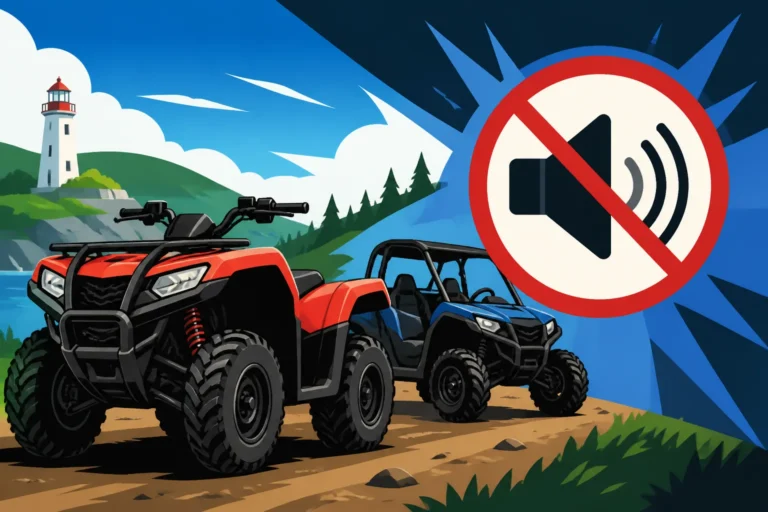
Riding on road trails means being a good neighbour and a responsible user of public spaces. When passing homes or businesses, reduce your speed and keep noise to a minimum. Many communities appreciate the economic boost from OHV tourism, but excessive noise can quickly turn that goodwill into resentment. Be courteous to pedestrians and cyclists; they have every right to use these roads too, and they might not always expect to see an OHV. Yield to them and give them plenty of space.
In Annapolis County, you'll encounter a mix of rural roads, agricultural areas, and small villages. Be mindful of farm machinery, livestock, and children playing near roadsides. Dust can also be a significant issue, especially in dry conditions. Slow down when passing properties to minimize dust clouds, which can be a real nuisance for residents. Remember, these road trails are a privilege, not a right. Our collective behaviour determines their future. By riding respectfully and safely, we ensure that these routes remain open and enjoyable for everyone. [Nova Scotia Rules Riders Get Wrong] can offer some good reminders of common missteps.
Enhancing Your Ride: Gear and Accessories for Nova Scotia Road Trails
Once you've got the basics down for riding Annapolis County's road trails, you might start thinking about how to make your machine even better suited for the diverse conditions you'll encounter. From increasing your visibility to protecting your investment, a few well-chosen accessories can significantly improve your safety, comfort, and the overall enjoyment of your ride.
Lighting and Visibility Upgrades
On shared road trails, being seen is just as important as seeing where you're going. While your machine likely comes with factory lights, enhancing your lighting setup can make a huge difference, especially during dawn, dusk, or in foggy conditions common along the coast. Consider upgrading your headlights to brighter LED units that cast a wider beam. Adding auxiliary LED light bars, particularly forward-facing ones, can vastly improve your visibility to oncoming traffic and help you spot wildlife on the edges of the trail.
Don't forget the rear of your machine either. Brighter LED taillights or even additional rear-facing amber or red lights can make you more noticeable to vehicles approaching from behind. Many riders also install reflective tape or decals on their machines, particularly on the sides, to catch the light from other vehicles. These upgrades aren't just about aesthetics; they're critical safety enhancements that give you a better chance of being seen by drivers who might not be looking for an OHV. Brands like SuperATV offer a range of high-quality lighting solutions designed to withstand the rigours of off-road and on-road use. You can also review [Nova Scotia Night Riding Equipment Rules] for specific guidance.
Protecting Your Machine
Nova Scotia's trails, while beautiful, can be rugged, and even designated road trails might have sections that challenge your machine. Protecting your investment from rocks, stumps, and debris is a smart move. Heavy-duty skid plates are essential. They guard the underside of your OHV, protecting critical components like your engine, transmission, and differential from impact damage. Many riders opt for full-coverage aluminum or UHMW (ultra-high molecular weight polyethylene) skid plates that wrap around the entire undercarriage.
A-arm guards and CV boot guards offer additional protection for vulnerable suspension components. Even on road trails, you might encounter gravel or debris that could damage these parts. Investing in sturdy brush guards or bumpers, especially on the front and rear, can also prevent costly damage from low-speed impacts or glancing blows. These protective accessories, often available from manufacturers like SuperATV, not only extend the life of your machine but also give you peace of mind, allowing you to focus more on the ride and less on potential damage.
Carrying Capacity and Storage Solutions
Longer rides on Annapolis County's road trails often mean carrying more gear – extra fuel, a packed lunch, rain gear, or emergency supplies. Factory storage can sometimes be limited, so expanding your carrying capacity is a practical upgrade. Cargo boxes or bags that mount securely to your front or rear racks are invaluable for keeping your belongings dry, dust-free, and secure. Choose durable, weather-resistant options that won't bounce around on rougher sections of the trail.
For UTVs, the options are even more extensive, with roof-mounted cargo racks, bed extenders, and under-seat storage compartments. If you're planning multi-day trips or need to carry specific tools for work, a secure storage solution is a must. Many riders also add a small cooler or insulated bag for drinks and snacks, making those scenic stops even more enjoyable. Thoughtful storage solutions help keep your machine tidy and prevent items from becoming projectiles during bumpy rides, contributing to a safer and more comfortable journey.
| Category | Essential Item | Why It's Important |
|---|---|---|
| Safety & Visibility | Approved Helmet | Mandatory protection against head injury. |
| Eye Protection | Shields from dust, debris, and glare. | |
| Bright LED Lights (Head/Tail) | Enhances visibility to others, improves night vision. | |
| Reflective Gear/Decals | Increases visibility, especially at dawn/dusk. | |
| Machine Protection | Full Skid Plates | Guards engine, transmission from impacts. |
| A-Arm/CV Boot Guards | Protects suspension and drivetrain components. | |
| Front/Rear Bumpers | Reduces damage from low-speed collisions. | |
| Emergency & Comfort | First-Aid Kit | Essential for treating minor injuries. |
| Basic Tool Kit | For trailside repairs and adjustments. | |
| Communication Device (Phone/Sat) | Crucial for emergencies, especially in remote areas. | |
| Water & Snacks | Hydration and energy for longer rides. | |
| Winch (e.g., SuperATV) | Self-recovery and helping others out of sticky situations. | |
| Storage | Cargo Boxes/Bags | Keeps gear dry, secure, and organized. |
| Cooler/Insulated Bag | For refreshments on the trail. |
Navigating Challenges and Staying Safe
Even with all the right gear and knowledge, riding OHVs on Nova Scotia's road trails comes with its own set of challenges. Being prepared for these eventualities and prioritizing safety is crucial for an enjoyable experience. It's about being proactive, understanding risks, and knowing how to respond if things don't go as planned.
Dealing with Mixed Traffic and Pedestrians
The unique aspect of road trails is the mix of users. You're not just dealing with fellow OHV riders; you're sharing the space with cars, trucks, farm equipment, cyclists, and pedestrians. This diversity of traffic means constant vigilance is required. Drivers of conventional vehicles may not always expect to see an ATV or UTV on the road, especially on quieter rural routes. Assume you are not seen and ride defensively. Maintain a safe following distance from vehicles ahead, and be prepared to stop quickly.
When encountering pedestrians or cyclists, slow down significantly, give them a wide berth, and be courteous. A friendly nod or wave goes a long way. Excessive noise or speed around these vulnerable users can create negative perceptions and put the future of road trails at risk. Remember that you are an ambassador for the OHV community every time you ride on these shared routes. Respect for all users is paramount.
Emergency Preparedness on Remote Trails
While road trails often connect to more populated areas, many also link to remote, unserviced trail networks. This means you need to be prepared for self-sufficiency. Before heading out, tell someone your route and estimated return time. This "float plan" is critical in case you don't return as expected. Carry a map (digital and physical), a compass, or a GPS device, as cell service can be spotty in many parts of rural Nova Scotia.
Beyond your first-aid kit, consider bringing an emergency blanket, a whistle, a multi-tool, and a fire starter. Knowing basic first aid and survival skills can be invaluable. If an accident occurs, your immediate priorities are to ensure the safety of yourself and others, assess injuries, and if possible, contact emergency services. In the event of a collision, remember to follow [Nova Scotia Accident Reporting Rules]. Being prepared for the unexpected is not about being paranoid; it's about being responsible and ensuring you can handle a situation until help arrives, or if you need to self-rescue.
Respecting Private Property and the Environment
Riding OHVs in Nova Scotia is a privilege, and maintaining access depends heavily on respecting private property and the natural environment. While road trails provide legal access on certain public roads, this doesn't grant you permission to venture off those designated paths onto private land or into sensitive ecological areas. Always stay on marked trails and designated road trail sections. Veering off onto someone's woodlot or farm field without explicit permission is trespassing and can lead to fines, legal action, and a negative reputation for all riders.
The natural beauty of Annapolis County is one of its greatest assets. Do your part to protect it. Avoid riding through sensitive areas like wetlands, stream beds, or fragile coastal dunes. Pack out everything you pack in, leaving no trace of your visit. Adhere to any local fire bans, especially during dry seasons, as OHVs can sometimes spark wildfires. Being a responsible environmental steward ensures that these incredible landscapes remain pristine for future generations of riders and other outdoor enthusiasts. Your actions speak volumes about the OHV community.
Disclaimer
This article is for general informational purposes only and does not constitute professional advice. Laws, prices and regulations vary by location and change over time. Consult a qualified professional for guidance on your specific situation.