Nova Scotia Rules for Riding a Woods Road
It's incredibly frustrating, isn't it, trying to figure out where you can legally and safely take your ATV or UTV in Nova Scotia? One of the biggest areas of confusion, and frankly, a source of stress for many riders, revolves around navigating our province's vast network of woods roads. These aren't always clearly marked, and the rules often feel like a tangled web. This comprehensive guide is here to untangle that web, providing clear, actionable information so you can enjoy Nova Scotia's beautiful backcountry without fear of fines or trespassing.
Understanding "Woods Roads" in Nova Scotia
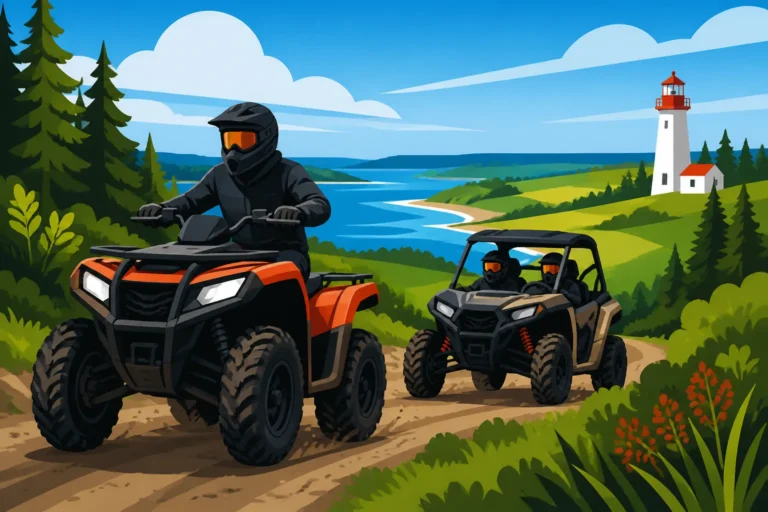
When we talk about "woods roads" here in Nova Scotia, we're often picturing those unpaved, sometimes rough-and-tumble tracks that wind through our forests, leading to remote fishing spots, hunting camps, or just offering a scenic detour into nature. But the thing is, not all woods roads are created equal in the eyes of the law, and understanding these distinctions is absolutely critical before you even think about putting your tires on one. Many riders assume that if it looks like a trail, it's open game, but that's a mistake that can lead to headaches and hefty fines.
What Exactly Qualifies as a Woods Road?
The term "woods road" itself can be a bit of a catch-all, which is where a lot of the confusion stems from. Generally, these are unpaved roads, often maintained for forestry operations, access to cottages, or even just old logging routes that haven't seen heavy use in years. They are distinct from the officially designated [Nova Scotia Road Trails Act Explained] which are specific public roads or sections of roads that have been legally opened for off-highway vehicle (OHV) use under strict conditions, usually with a 25 km/h speed limit. Woods roads, on the other hand, typically fall outside of this specific designation and operate under a different set of rules entirely.
Unlike paved public highways where traffic laws are universal, woods roads occupy a more ambiguous space. They might be old railway beds, utility corridors, or just private paths. It's essential to understand that just because a road isn't paved doesn't mean it's automatically open to OHVs, or that the same rules apply as on a provincially sanctioned trail system. The legal status often hinges on who owns the land it traverses and whether public access has been explicitly granted or restricted.
The physical characteristics can vary wildly too. Some woods roads are well-maintained gravel paths, almost indistinguishable from a rural public road, while others are barely more than overgrown tracks, requiring serious ground clearance and an adventurous spirit. Regardless of their condition, the legal designation remains paramount. This is why you often see riders making modifications with parts from places like SuperATV, knowing they might encounter rough terrain, but even the toughest machine needs to be on legal ground.
The Ownership Maze: Public, Private, and Crown Land
Here's where it gets truly tricky: ownership. Nova Scotia has a patchwork quilt of land ownership, including private properties, Crown land (which is essentially provincial government land), and lands managed by various entities like forestry companies or conservation groups. A single woods road might pass through all three types of ownership, and the rules change with each boundary line. Many riders don't realize that their right to access can literally stop dead at a property line, even if the physical road continues seamlessly.
Riding on a woods road that crosses private land without explicit permission from the landowner is trespassing. And let me tell you, landowners in Nova Scotia are increasingly fed up with unpermitted OHV use, leading to more gates, "no trespassing" signs, and calls to law enforcement. This isn't just a minor infraction; [Nova Scotia Trespass Law for Riders] carries real penalties. It's a fundamental difference from public highways where you have an inherent right to travel. On private land, you only have the right if the owner says so.
Crown land, while publicly owned, still has specific regulations governing OHV use. While often more accessible than private land, it's not a free-for-all. There might be restrictions based on environmental sensitivity, active forestry operations, or other land management plans. Understanding [Nova Scotia Crown Land Riding Rules] is vital, as simply assuming "public land means public access" can also lead to trouble. It’s a complex landscape, and often, the only truly safe assumption is that if you don't know for sure, you need to find out.
Common Misconceptions About Woods Road Access
One of the most pervasive misconceptions is the idea of "implied permission." Some riders believe that if a gate is open, or if they've seen others use a road for years, it must be okay. This is a dangerous assumption. An open gate could mean a landowner simply forgot to close it, or that they allow access only to specific individuals, not the general public. Likewise, just because others are doing it doesn't make it legal or right. Another common thought is that if there's no "No Trespassing" sign, it's fine. In Nova Scotia, land doesn't need to be posted to be considered private property, and the onus is on the rider to know whose land they are on and if they have permission.
Another misunderstanding is the difference between an official trail maintained by an organization like ATVANS (the provincial ATV association) and a random woods road. ATVANS trails are often established through agreements with landowners or on Crown land and are clearly marked and managed for OHV use. A woods road might connect to an ATVANS trail, but that doesn't automatically mean the connecting road itself is part of the approved network. Always check current maps from reputable sources to confirm legal access.
Finally, some riders confuse access for work purposes with recreational use. Farmers, foresters, and utility workers often have legitimate reasons to use woods roads, and their vehicles may look similar to yours. Their legal access for work does not grant recreational riders the same privileges. It's a common sight to see a utility vehicle, perhaps kitted out with heavy-duty accessories from a company like SuperATV, using a woods road, but their purpose and legal standing are entirely different from a weekend trail rider.
Essential Legal Requirements for Woods Road Riding
Even when you've confirmed that a woods road is legally accessible for OHV use – whether through explicit permission, being on designated Crown land, or part of a managed trail system – you still have a foundational set of legal requirements that apply to all off-highway vehicle operation in Nova Scotia. Skipping any of these steps isn't just bad practice; it can lead to significant penalties, regardless of where you're riding. These requirements are in place for safety, accountability, and to help fund the very infrastructure many of us enjoy.
Registration, Insurance, and Safety Certificates
First and foremost, your off-highway vehicle must be properly registered with Access Nova Scotia. This is non-negotiable for riding anywhere outside of your own private property. If you've just bought a machine, or moved here from another province, make sure you understand the process. The [Nova Scotia OHV Registration Cost] involves a one-time certificate fee and an annual vehicle permit fee. Without current registration papers, you could face serious fines. [Do You Need to Register an ATV in Nova Scotia?] The short answer is almost always yes.
Beyond registration, carrying valid liability insurance is also mandatory. Nova Scotia law requires a minimum of [Nova Scotia's $500,000 Liability Minimum] for OHVs. This isn't just about protecting you; it's about protecting others in case of an accident. You should always have proof of this insurance, often called a "pink card," with you when you ride. Your insurance broker can provide you with details on specific policies and what they cover.
Lastly, depending on your age and when you acquired your machine, you might need a safety certificate. For anyone born after January 1, 1989, a certified safety course is generally required to operate an OHV. Even if you're grandfathered in, taking a safety course is always a good idea. [Nova Scotia Safety Certificates Are Mandatory] for most new riders, and it's a vital part of responsible OHV operation. Always ensure you understand these three pillars before heading out.
The Importance of Permission on Private Woods Roads
Let's reiterate this because it's paramount: on private woods roads, you must have permission from the landowner. This isn't just a polite request; it's a legal requirement to avoid trespassing charges. Private land can include everything from small woodlots owned by families to vast tracts held by large forestry companies. Just because a road looks abandoned doesn't mean it's public.
Getting permission usually means directly contacting the landowner. This can sometimes be challenging if ownership isn't immediately obvious. However, making the effort shows respect and responsibility. Some landowners might be amenable, especially if you assure them you'll ride respectfully, stick to the designated path, and leave no trace. Others may flat-out refuse, and their decision must be respected. Never assume silence means consent. This proactive step can prevent a lot of grief, demonstrating that you're a considerate member of the riding community. For more guidance, look into specific advice on [Nova Scotia Private Woodlot Permission].
Navigating Crown Land Woods Roads
Riding on woods roads located entirely on Crown land often has different nuances compared to private land. While you typically don't need individual permission, there are still rules to follow. Crown land in Nova Scotia is managed for multiple uses, including forestry, wildlife habitat, and recreation. This means you might encounter active logging operations, which demand extreme caution and yielding to heavy equipment. Road closures due to these operations are common, and you must respect them for your safety and the safety of others.
Specific regulations might prohibit OHVs in certain sensitive ecological areas or during particular seasons to protect wildlife. For example, some areas might be closed during nesting seasons or when ground conditions are extremely wet, making trails vulnerable to damage. It's your responsibility to be aware of these restrictions, which are often posted at access points or available through government websites. Always consult current maps and any posted signage for [Nova Scotia Crown Land Riding Rules]. Just as with any off-roading, having durable components, perhaps from SuperATV, can make navigating these diverse landscapes easier, but legal access is always the primary concern.
Responsible Riding Practices on Woods Roads
Once you've ensured all your paperwork is in order and you have legal access to a woods road, your responsibility shifts to how you actually conduct yourself while riding. Being a responsible rider isn't just about following the law; it's about being a good ambassador for the OHV community. Our actions directly influence public perception and can impact future access to trails and roads. Every time you ride respectfully, you're helping to preserve and expand opportunities for everyone.
Respecting Property Owners and Local Communities
One of the biggest complaints heard from property owners and rural residents about OHV use on woods roads is related to noise and dust. Your machine's exhaust system should comply with factory noise levels; modified exhausts often lead to [Nova Scotia Noise Complaints About Quads] and can quickly sour relationships with people living nearby. Similarly, excessive speed on dry, gravelly woods roads can kick up clouds of dust that settle on homes, vehicles, and gardens. Slowing down when passing residences or approaching populated areas is a simple courtesy that goes a long way.
Beyond noise and dust, always respect gates, fences, and any private property markings. If a gate is closed, leave it closed. If it's open, proceed with caution and consider leaving it as you found it, or closing it if it looks like it protects livestock or property. Avoid littering at all costs; pack out everything you pack in, and if you see litter, consider taking it out with you. Your actions reflect on the entire riding community, and fostering positive relationships with local residents is key to maintaining access.
Environmental Stewardship and Trail Preservation
Woods roads, even those regularly used, often traverse sensitive natural environments. It's crucial to practice environmental stewardship. Stick to the established road or trail. Riding off-trail, especially in wet areas, creates ruts, widens trails, and can damage delicate ecosystems, leading to erosion and habitat destruction. Avoid riding through streams or sensitive wetlands; even if it seems like a shortcut, it can pollute waterways and disrupt aquatic life.
Be mindful of seasonal conditions. During spring thaw or after heavy rains, many woods roads become extremely muddy and prone to damage. Riding on these soft conditions creates deep ruts that can take years to recover and make the road impassable for others. Sometimes, it's best to simply postpone your ride or choose a different route. Understanding and respecting these natural cycles helps preserve our beautiful landscape for everyone, including wildlife.
Safety First: Equipment, Visibility, and Group Riding
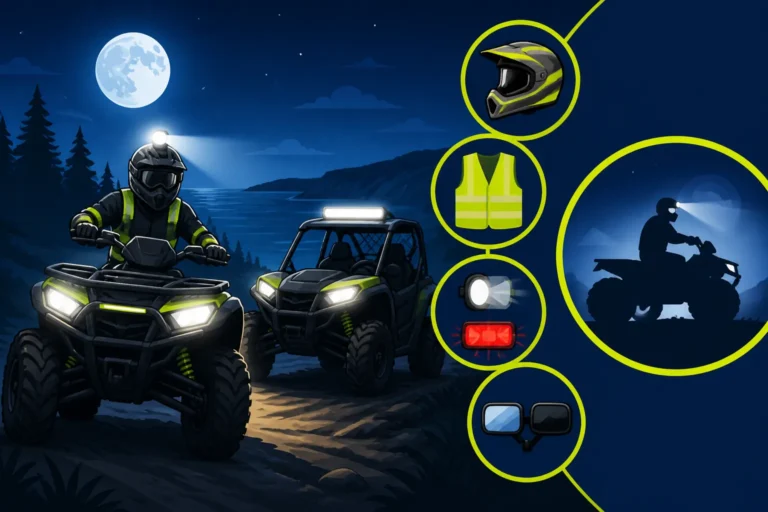
While woods roads might seem less risky than highly technical trails, they present their own set of safety challenges. Visibility can be poor due to dense tree cover, blind corners, or dips in the terrain. Always ride at a speed that allows you to react to unexpected obstacles like fallen trees, wildlife, or even other vehicles. Wearing appropriate safety gear – a DOT-approved helmet, eye protection, sturdy boots, gloves, and long clothing – is mandatory and can prevent serious injury. You can find more detail on gear for kids in [Nova Scotia Rules for Riders Under 16].
If you're riding in a group, maintain appropriate spacing and communicate effectively. Never ride alone on remote woods roads, especially if you're venturing into areas with limited cell service. Carry a first-aid kit, tools for minor repairs, and extra fuel. Even though you might have equipped your machine with robust parts from a brand like SuperATV, unexpected mechanical issues can arise. Letting someone know your route and expected return time is a simple but vital safety precaution.
Potential Pitfalls and Penalties
Ignoring the rules, whether out of ignorance or deliberate choice, carries real consequences in Nova Scotia. The province takes OHV regulations seriously, and enforcement officers are patrolling to ensure compliance. It's far better to be informed and cautious than to face the penalties that can quickly sour what should be an enjoyable day out on the trails.
Fines for Trespassing and Unregistered Machines
The penalties for operating an unregistered OHV are significant. A basic fine for an unregistered machine can start at [Nova Scotia Minimum Fine of $250] and go much higher depending on the circumstances. This is in addition to court costs. Imagine spending that money on trail repairs or new gear instead! Similarly, trespassing on private land can lead to fines under the Occupiers' Liability Act or the Protection of Property Act. Landowners have the right to request you leave, and if you refuse, you could face further charges.
Beyond fines, there's the possibility of your machine being impounded, which adds a whole other layer of hassle and expense. An officer can demand to see your registration, insurance, and safety certificate. If you can't produce them, you're looking at a ticket. It's truly not worth the risk. Always carry your paperwork, or at least a readily accessible digital copy, to avoid any misunderstanding. Make sure your [Nova Scotia Registration Paperwork Checklist] is always up to date.
The Impact of Poor Conduct on Access
Every time a rider disrespects private property, damages trails, or causes a nuisance, it erodes trust and makes it harder for the entire OHV community. Landowners who have previously allowed access might close their lands entirely. Municipalities might be less inclined to open new [Nova Scotia Municipal Road Trails] or support OHV-friendly initiatives if there's a history of complaints and irresponsible riding.
This is a collective responsibility. When one rider misbehaves, it often leads to a backlash that affects everyone. Supporting your local ATV club, volunteering for trail maintenance, and promoting responsible riding within your own circle are all ways to counteract negative perceptions and ensure a healthy future for OHV recreation in Nova Scotia.
When in Doubt: How to Get Answers
Navigating the complexities of woods road access in Nova Scotia can feel overwhelming, but you don't have to guess. There are resources available to help you get clear answers.
Here's a quick summary of key requirements:
| Requirement | Applies to Woods Roads (Generally) | Notes |
|---|---|---|
| OHV Registration | YES | Required on all land except your own private property. |
| Liability Insurance | YES | Minimum $500,000 liability coverage required. |
| Safety Certificate | YES | Mandatory for most riders born after Jan 1, 1989. |
| Landowner Permission | YES (for Private Land) | Crucial for private woodlots to avoid trespassing. |
| Crown Land Rules | YES | Specific regulations, potential closures for forestry or environmental reasons. |
| Helmet | YES | Mandatory for all riders. |
| Designated Trail Use | NO (usually) | Woods roads are distinct from official "Road Trails" or ATVANS club trails, though they may connect. |
| Speed Limits | Variable | Always ride at a safe speed, especially for conditions, and respect any posted limits. |
| Noise Regulations | YES | Exhaust must be factory standard to avoid [Nova Scotia Noise Complaints About Quads]. |
Your best bet for accurate, up-to-date information is often through official channels. Contact Access Nova Scotia for questions regarding registration and licensing. For information on specific Crown land access, reach out to the Department of Natural Resources and Renewables. Your local ATVANS member club can also be an invaluable resource, as they often have the most current information on local trail systems and landowner agreements. Don't hesitate to use these resources; a quick phone call or email can save you a lot of trouble and ensure your riding adventures in Nova Scotia are always safe and legal.
Disclaimer
This article is for general informational purposes only and does not constitute professional advice. Laws, prices and regulations vary by location and change over time. Consult a qualified professional for guidance on your specific situation.