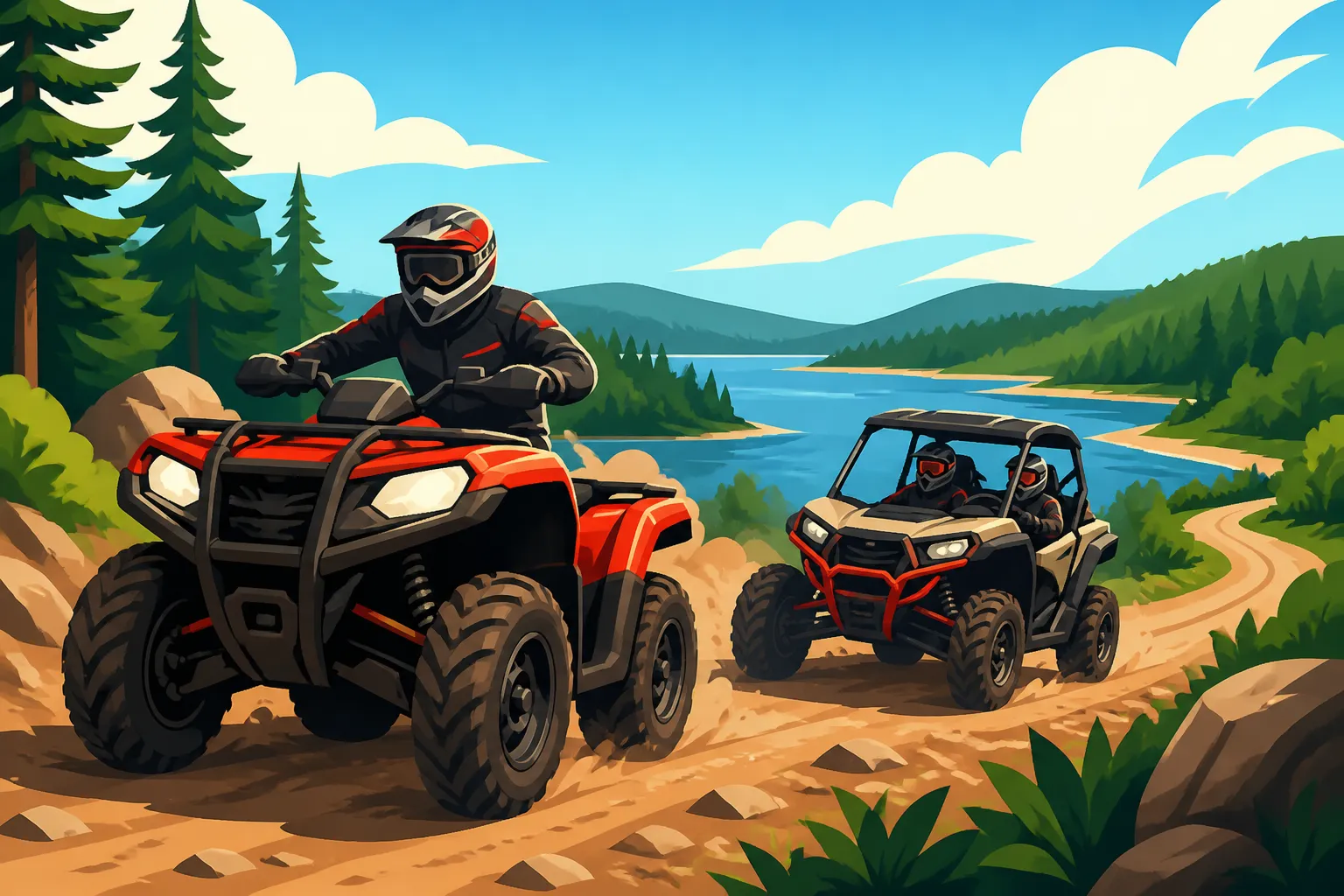
Nova Scotia Road Trails Near Bridgewater
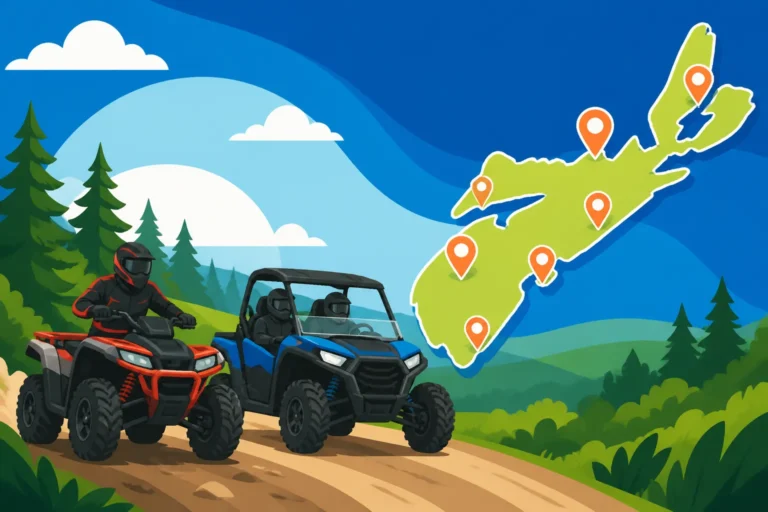
For many of us who love the freedom of off-highway vehicles, the thought of exploring Nova Scotia's stunning landscapes on our quads or side-by-sides is incredibly appealing. However, the biggest headache often comes down to figuring out where you can legally ride, especially when you need to connect trails or access amenities. If you're near Bridgewater, wondering about the specific road trails available for your machine, you're not alone, and this guide is here to untangle the rules and point you in the right direction.
Understanding Nova Scotia's Road Trail System
Nova Scotia has made some fantastic strides in allowing OHV riders more access, but it's not a free-for-all on every road. The province has specific legislation, known as the Off-highway Vehicles Act and its associated regulations, which govern where and how you can operate your machine, particularly when it comes to shared public roadways. This system is designed to provide connection points, allowing you to bridge gaps between off-road trails, reach fuel stations, or even access local businesses, all while maintaining public safety. It’s a delicate balance, and understanding the core rules is your first step to a worry-free ride.
The provincial government, in collaboration with municipalities and local OHV associations, has designated specific roads or sections of roads as "road trails." These aren't just any paved or gravel road; they are carefully selected routes where OHVs are permitted to operate under strict conditions. Ignoring these conditions can lead to hefty fines and a quick end to your day's adventure. It’s crucial to remember that these road trails are shared spaces, meaning you’ll be encountering cars, trucks, cyclists, and pedestrians, so vigilance and courtesy are paramount.
The Why Behind Road Trails
Historically, one of the biggest frustrations for ATV and UTV riders in Nova Scotia was the lack of legal connectivity. You might have miles of fantastic trails, but if you couldn't legally get from one section to another, or even ride a short distance to grab a coffee or refuel, it severely limited the scope of your adventures. Imagine being out on a fantastic ride, only to hit a dead end because the next section of trail requires you to cross a kilometer of paved road, which you couldn't legally do. It was a major buzzkill for planning longer trips or even just getting home after a day's ride.
The introduction of the road trail system was a game-changer. It recognized the practical needs of riders to access services like gas, food, and lodging, and to link up with other segments of the broader trail network. This system allows you to extend your rides, explore new areas, and genuinely make your off-highway vehicle a part of a larger travel experience, rather than being confined to disconnected segments. It helps support local businesses in rural communities and enhances the overall tourism potential for OHV enthusiasts.
Essential Legal Requirements for Riding on Road Trails
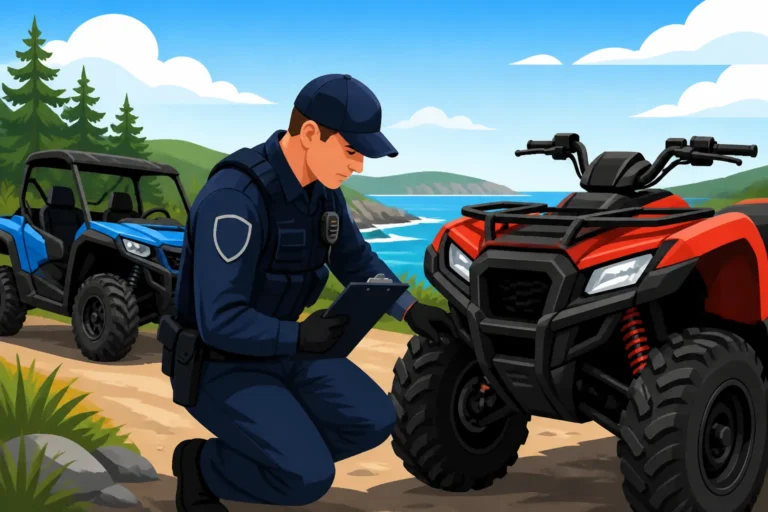
Before you even think about putting a tire on a designated road trail, there are non-negotiable legal requirements you absolutely must meet. These aren't suggestions; they are laws designed for everyone's safety. First and foremost, your off-highway vehicle must be properly registered with the provincial registry. An unregistered machine, even if it's just for a short hop on a road trail, is a recipe for a fine. Linked to registration is the requirement for adequate insurance. You need to ensure you have at least the minimum liability coverage, which in Nova Scotia, is typically a specified amount. Don't leave home without your proof of insurance, often called a "pink card" in the vehicle world. You can read more about what's required here: [Nova Scotia Requires Registration and Insurance].
Beyond the machine itself, the operator also has specific requirements. Unlike some off-road scenarios where a driver's license might not be strictly necessary on private land, operating on a designated road trail requires that you possess a full, valid driver's license. Learner's permits simply won't cut it. This ensures that anyone operating a machine on a shared road has a foundational understanding of road rules and responsibilities. Furthermore, helmets are mandatory. Just like riding a motorcycle, you must wear an approved helmet that meets specific safety standards whenever you are on a road trail. Always buckle up or secure your helmet properly. For full details on these regulations, check out [Nova Scotia Helmet Law for Riders] and [Nova Scotia Requires a Full Driver's Licence]. It's also important to note that [Nova Scotia Bans Learner Drivers on Road Trails], so make sure everyone in your group is properly licensed.
Exploring Road Trails Near Bridgewater
Bridgewater, nestled along the LaHave River, is a vibrant hub on Nova Scotia's South Shore, making it a natural starting point or destination for many outdoor enthusiasts. While the town itself has various services, the surrounding rural areas offer a mix of natural beauty and connecting trails that riders often want to access. The beauty of the Nova Scotia road trail system is that it identifies specific roads that are suitable for OHV access, allowing you to connect from core trail networks into or around communities like Bridgewater.
The designation of road trails is an ongoing process, often driven by municipal decisions in cooperation with the province. This means what's open can sometimes change or expand. You won't find every road in and around Bridgewater open to OHVs. Instead, look for clear signage indicating that a section of road is part of the designated road trail network. These trails typically provide access to critical services or connect two significant segments of the broader provincial off-highway vehicle trail system, allowing riders to pass through the area rather than being forced to trailer their machines around a town. The goal is often to provide a safe, legal route that minimizes impact on residential areas while still offering essential connectivity.
Key Connections and Local Access Points
When you're looking for road trails Nova Scotia Road Trails Near Bridgewater, you're often looking for those crucial arteries that link up to the larger network of off-highway vehicle trails maintained by clubs affiliated with the All-Terrain Vehicle Association of Nova Scotia (ATVANS). These local road trails serve as indispensable bridges. For instance, you might find designated road trails that connect the main ATVANS corridors to gas stations or small eateries on the outskirts of Bridgewater, or routes that allow you to bypass a non-OHV-friendly stretch of highway to get to another trail system further along the South Shore.
Typical access points might involve riding off an established multi-use rail trail onto a short segment of public road that has been designated for OHV use. Imagine finishing a scenic stretch of trail only to realize the next segment is a few blocks away, through a quiet residential area. A designated road trail makes this transition legal and safe, allowing you to continue your journey without having to load your machine onto a trailer. Always keep an eye out for official signage; these will be your definitive guide on where you can and cannot ride. Consulting local club maps or the ATVANS provincial map is also incredibly helpful for identifying these key connections. For more on the network, refer to [Nova Scotia ATV Trails: The ATVANS Network].
Navigating Local Rules and Signage
While provincial regulations provide a framework, local municipalities often have their own specific bylaws that apply to road trails within their jurisdiction. This means that while a provincial act permits road trails, the "how" and "where" can have local nuances. For instance, some municipalities might have stricter operating hours, or specific areas where OHVs are prohibited even on designated road trails for noise or safety reasons. It's crucial not to assume that what applies in one county automatically applies in another, particularly in or near populated areas like Bridgewater.
Always pay close attention to signage. Designated road trails will typically have clear signs indicating their status, often with speed limits that are much lower than the posted vehicle speed limit (often around 25 km/h) and reminders about single-file riding. If you don't see specific signage, assume OHV use on that road is not permitted. Trust me, it's better to be safe and turn around than to face a fine for riding where you shouldn't. Local ATV clubs often provide excellent resources and current information on these municipal specificities, so connecting with them can be invaluable for up-to-date local knowledge.
Practical Tips for Riding Bridgewater's Road Trails
Riding on designated road trails near Bridgewater offers fantastic opportunities to explore, but it comes with responsibilities that go beyond just knowing the legal bits. You're entering a shared space, so preparation, vigilance, and respect for others are key to a safe and enjoyable experience. Think about how you would prepare for any other journey that involves mixed terrain and public interaction. It’s not just about getting from point A to point B; it’s about doing it safely, responsibly, and without causing a nuisance to residents or other road users.
From ensuring your machine is in top condition to understanding the unique challenges of sharing the road, a little foresight goes a long way. The blend of off-road and on-road riding demands a versatile approach to both your machine setup and your riding style. This is where investing in quality parts and taking the time for thorough checks really pays off.
Pre-Ride Checklist for Road Trail Adventures
Before you even hit the starter button, a comprehensive pre-ride check is essential. First, confirm your machine's mechanical fitness. Check your tires for proper inflation and tread wear, as you'll be on varying surfaces. Ensure your brakes are responsive and that all your lights – headlights, tail lights, and brake lights – are fully functional. Remember, [Nova Scotia Lighting Requirements] are in place for a reason, especially if you find yourself on a road trail at dusk or in less than ideal weather. Having reliable illumination isn't just a legal requirement; it's a critical safety feature when sharing the road with other vehicles.
Next, consider your gear. Beyond the mandatory helmet, protective clothing, eye protection, and sturdy footwear are always recommended. For your machine, think about upgrades that enhance both safety and durability for mixed use. Aftermarket parts from reputable brands like SuperATV can be a real asset. For example, a robust set of SuperATV skid plates will protect the underside of your machine if you transition back to a rougher trail section, and a good set of upgraded LED lights from SuperATV can significantly improve your visibility to other drivers, especially on less-traveled rural roads. Don't forget to carry basic tools, a first-aid kit, water, and a way to communicate, as cell service can be spotty in some rural Nova Scotia areas.
Respecting the Community and Environment
When riding on road trails, you are a guest in the community, and your actions directly impact public perception of OHV riders. One of the most common complaints heard from residents is excessive noise. It’s vital to ensure your machine’s exhaust system meets factory noise levels. Modifying your exhaust to be louder is not only inconsiderate but can also lead to fines under [Nova Scotia Noise Limits on a Machine]. Keep your speed to the posted limits – usually 25 km/h on road trails – and always reduce speed and dust when passing homes, farms, or other road users.
Stay strictly on the designated trail. Do not veer off onto private property, even if it looks like a shortcut. [Nova Scotia Trespass Law for Riders] is clear, and landowners have every right to protect their property. Riding off-trail, especially in sensitive areas, can damage ecosystems and erode goodwill. Remember to pack out everything you pack in, leaving no trace behind. By being mindful and respectful, you help ensure these valuable road trail connections remain open for everyone to enjoy in the future.
Integrating with the Wider Nova Scotia Trail Network
The real magic of the road trail system near Bridgewater isn't just about local access; it's about unlocking the potential for broader exploration across Nova Scotia. These designated roads serve as vital links, allowing you to seamlessly connect disparate sections of the vast provincial trail network. What might once have been a series of disconnected riding areas can now become a continuous, multi-day adventure, greatly enhancing the overall OHV experience in the region.
This connectivity means you can plan more ambitious trips, moving beyond a single riding area to truly discover different parts of Nova Scotia's diverse landscape. Whether you're aiming to explore the coastal views, delve into the Annapolis Valley, or just enjoy a long day's ride, the road trails make it all more achievable.
Connecting to ATVANS Trails
The All-Terrain Vehicle Association of Nova Scotia (ATVANS) and its member clubs maintain thousands of kilometers of managed trails across the province. The road trails around Bridgewater are often specifically chosen because they directly link up to these official club trails. This means you can often ride directly from a town, or a point of interest, onto an ATVANS trail system without having to load your machine onto a trailer. This seamless transition is exactly what the system was designed for.
To access these club trails, you'll need to ensure you have a valid ATVANS trail permit. This permit helps fund the maintenance and development of these trails, ensuring they remain in good condition for everyone to enjoy. You can often purchase these permits through ATVANS directly or through their member clubs. Familiarize yourself with the permit system, as it's a crucial part of legal and responsible riding on the wider network. Details can be found by researching [Nova Scotia Trail Permits From ATVANS]. Having your permit means you’re not just riding; you’re contributing to the infrastructure that makes these adventures possible.
Planning Longer Journeys from Bridgewater
With the ability to connect via road trails, Bridgewater becomes an excellent hub for planning longer, multi-day OHV journeys. No longer are you strictly limited to what's immediately accessible from your truck and trailer. Now, you can envision routes that incorporate different trail systems, accessing amenities as needed. This requires a bit more planning, but the rewards are well worth it.
When planning an extended trip, consider your fuel stops carefully. While road trails might lead you to a gas station, always have a good estimate of your machine's fuel range. Plan routes that ensure you won't be stranded. Similarly, look for [Nova Scotia Trails With Fuel Stops] and [Nova Scotia Trails With Lodging Nearby] if you're thinking of overnight stays. Many communities are becoming increasingly OHV-friendly, offering accommodations that welcome riders and provide secure parking for machines. Always call ahead to confirm availability and policies. Mapping out your route, including designated road trails, ATVANS trails, and potential points of interest, will make your extended adventure safe, fun, and memorable.
Disclaimer
This article is for general informational purposes only and does not constitute professional advice. Laws, prices and regulations vary by location and change over time. Consult a qualified professional for guidance on your specific situation.