Nova Scotia Impaired Riding Penalties
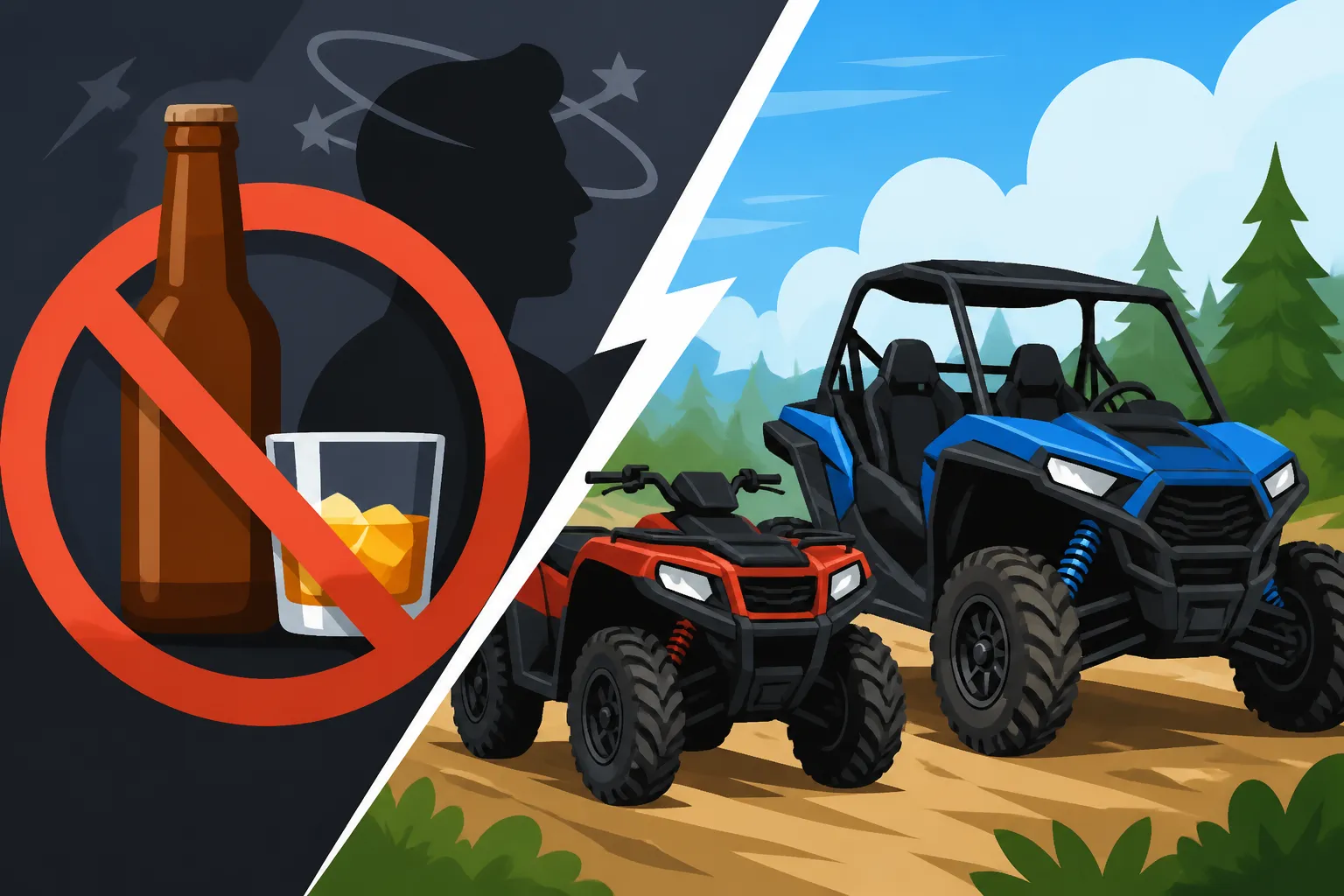
The call of Nova Scotia's rugged coastline, winding forest trails, and picturesque road trails is strong for ATV and UTV enthusiasts, and it’s tempting to unwind with friends after a long day of riding. However, making the dangerous choice to operate your off-highway vehicle (OHV) while impaired by alcohol or drugs carries severe and far-reaching consequences in our beautiful province. This guide will walk you through the serious penalties you could face, the hidden costs, and, most importantly, how to avoid these life-altering mistakes.
The Harsh Realities of Impaired Riding in Nova Scotia
Let's be blunt: the idea that riding an ATV or UTV while impaired is somehow less serious than driving a car under the influence is a dangerous misconception. Here in Nova Scotia, the law, and the physical risks, treat them with the gravity they deserve. It's not just about a "little buzz" or thinking you're okay because you're "off the main road." The truth is, impairment significantly dulls your judgment and reaction time, turning a fun ride into a potential tragedy for yourself and others.
Why Impaired Riding Isn't Just "A Little Buzzed"
When we talk about impairment, it’s not just about being visibly drunk. It's about how alcohol, cannabis, prescription drugs, or even severe fatigue affects your ability to operate heavy machinery safely. Nova Scotia's trails, even the well-maintained ones, present constant challenges: unexpected terrain changes, fallen branches, other riders, and wildlife. Your brain needs to be firing on all cylinders to navigate these safely. When impaired, your depth perception falters, your ability to react to sudden obstacles slows down, and even simple maneuvers become risky. This isn't just a legal nicety; it's a matter of life and limb.
Imagine cresting a hill on a tight trail in Cape Breton after having a few drinks. Your reaction time might be just a split second slower, but that's all it takes to miss a sharp turn or fail to see a deep rut. Suddenly, your machine rolls, or you collide with a tree. These aren't just hypotheticals; they're very real scenarios that play out on our trails every season. The impact extends beyond yourself, too; an impaired rider endangers anyone they encounter, from fellow quad riders to hikers and cyclists sharing multi-use paths. It's a risk that's simply not worth taking.
What Nova Scotia Law Says About Operating an OHV While Impaired
In Nova Scotia, off-highway vehicles, including ATVs and UTVs, are treated with the same seriousness as regular road vehicles when it comes to impaired operation. The Off-highway Vehicles Act in our province specifically outlines that no person shall operate an OHV while their ability to do so is impaired by alcohol or a drug. More importantly, these provincial laws are backed up by the Criminal Code of Canada, which makes impaired operation of any conveyance, including an OHV, a federal offense. This means a conviction for impaired riding is not merely a provincial ticket; it's a criminal record that follows you everywhere.
This isn't just about riding on public roads; the laws apply to nearly every place you might operate your machine. This includes designated OHV trails, Crown land, private property (unless strictly fenced and inaccessible to the public), and, crucially, any of the approved [Nova Scotia Road Trails: Where You Can Ride]. Whether you're on a remote logging road in Guysborough County or a newly designated municipal road trail connecting two villages, the moment you put that key in the ignition while impaired, you are breaking the law. Officers have the authority to pull you over, conduct roadside tests, and lay charges, no matter how remote your location.
Understanding the Legal Consequences and Penalties
The legal system in Nova Scotia doesn't mess around when it comes to impaired driving, and that includes off-highway vehicles. The penalties are severe, designed to deter you and others from putting lives at risk. It’s important to understand that there are both immediate administrative penalties and long-term criminal consequences that can profoundly impact your life.
The Immediate Aftermath: Roadside Suspensions and Vehicle Seizure
Picture this: you're riding with friends, maybe a little too much to drink at the campfire, and suddenly, you see flashing lights behind you. An officer suspects impairment. In Nova Scotia, they can demand a breathalyzer test or a field sobriety test right there on the trail or road trail. If you fail or refuse to comply, you face an immediate roadside licence suspension. This isn't a maybe; it's a definite. Depending on the circumstances and your history, this could be a 24-hour, 7-day, or even a 30-day suspension of all your driving privileges, not just for your OHV.
Beyond losing your licence on the spot, the consequences escalate. Your off-highway vehicle will likely be seized and towed. Imagine the frustration and embarrassment of having your machine loaded onto a flatbed while your friends watch. And who pays for that tow? You do. These towing and impoundment fees can quickly add up to hundreds of dollars, a painful and immediate hit to your wallet. These administrative penalties are enacted by the province to ensure public safety, and they happen even before any criminal charges are officially laid. It’s a clear message that impaired operation of an OHV is taken very seriously from the moment an officer suspects it.
Criminal Code Charges and Mandatory Minimum Penalties
If you're found to be operating your OHV while impaired, you're not just facing a provincial infraction; you're looking at federal criminal charges under the Criminal Code of Canada. This is a game-changer, as it means a criminal record. For a first offense, even if it's your very first time, there's a mandatory minimum fine. While I can't give specific figures, know that these fines are substantial. On top of that, you'll face a mandatory minimum one-year driving prohibition. This prohibition applies to all conveyances, meaning your car, truck, and OHV are all off-limits. You won't be allowed to operate any of them anywhere in Canada.
A second offense escalates dramatically, typically carrying a mandatory minimum jail sentence in addition to increased fines and a longer driving prohibition. For subsequent offenses, the penalties become even more severe, with longer jail terms and driving bans extending for several years. It's a stark reminder that the legal system views impaired operation as a grave offense with escalating consequences for repeat offenders. Even for a seemingly minor incident on a remote trail, the judicial process can be lengthy, stressful, and incredibly expensive, impacting every aspect of your life. The penalties can range from a [Nova Scotia Minimum Fine of $250] all the way up to [A Maximum Fine of $2,000] and beyond, depending on the severity and whether it's a first or repeat offense.
Licence Suspensions Beyond the Immediate
The initial roadside suspension is just the tip of the iceberg. A criminal conviction for impaired operation of an OHV results in much longer-term licence suspensions. As mentioned, a first offense typically carries a minimum one-year prohibition from driving. This isn't just a temporary inconvenience; it means you cannot legally operate any motor vehicle, including your car for commuting, your truck for work, or your beloved ATV for recreation. Imagine the impact on your daily life, your job, and your independence.
After your prohibition period ends, getting your licence back isn't as simple as walking into Access Nova Scotia. You'll likely face additional hurdles, such as mandatory participation in an Ignition Interlock Device (IID) program. This means installing a device in your vehicle that requires you to provide a breath sample before the vehicle will start, and sometimes even while driving. This comes with installation and monthly maintenance fees, adding another layer of financial burden and constant reminder of your conviction. The journey back to full driving privileges is often a lengthy and costly one, designed to ensure public safety and deter future impaired operation.
The Far-Reaching Personal and Financial Costs
Beyond the immediate legal headaches, the long-term personal and financial fallout from an impaired riding conviction can be staggering. It's not just about paying a fine; it's about a ripple effect that touches almost every aspect of your life, often for years to come.
Skyrocketing Insurance Rates and Future Insurability
This is where the financial pain really kicks in. An impaired driving conviction, even if it occurred on an OHV, is a red flag for insurance companies. They see you as a high-risk driver, and your premiums will reflect that. We're not talking about a small increase; your vehicle insurance rates – for your car, truck, and OHV – can skyrocket, easily doubling or tripling, and potentially staying that way for several years. I've heard countless stories from riders facing astronomical premiums after such a conviction, making it incredibly difficult to afford essential coverage.
In some cases, you might even find it challenging to get insurance at all. Mainstream providers may refuse to insure you, forcing you to seek high-risk insurance companies, which come with even higher costs and often less comprehensive coverage. This impacts your ability to drive legally, get to work, and enjoy your off-roading hobby. It's a frustrating situation that many people don't fully consider until it's too late. The cost of [Nova Scotia Insurance Costs for Riders] can already feel like a pinch, but with an impaired conviction, it can become a major financial burden, making ownership almost unaffordable.
Damage to Reputation, Employment, and Travel Opportunities
A criminal record isn't just a piece of paper; it's a permanent stain on your reputation that can follow you everywhere. The social stigma associated with an impaired driving conviction can impact your personal relationships, how friends and family view you, and even your standing in the community. It's a tough pill to swallow, knowing that a single poor decision can have such widespread social repercussions.
Beyond personal relationships, a criminal record can severely limit your employment opportunities. Many jobs, especially those requiring you to drive a company vehicle, operate machinery, or hold a position of trust, will run criminal background checks. A conviction for impaired operation can lead to job loss or make it incredibly difficult to find new employment. Furthermore, your ability to travel internationally, particularly to the United States, can be significantly affected. US border officials can deny entry to individuals with criminal records, even for seemingly minor offenses. This means those trips across the border for family vacations or even cross-border riding adventures could be a thing of the past.
Other Hidden Costs: Legal Fees, Courses, and Time
The fines and insurance increases are just the beginning of the financial drain. Navigating the legal system after an impaired driving charge almost always requires legal representation, and good lawyers are not inexpensive. Legal fees can quickly accumulate into thousands of dollars, adding significantly to the overall cost of your mistake. Then there are court costs, administrative fees for licence reinstatement, and potentially the cost of mandatory educational programs or rehabilitation courses that you might be required to complete. [Nova Scotia Court Costs for an OHV Citation] can quickly add up.
Beyond the monetary costs, there's the invaluable cost of your time. Court appearances, meetings with lawyers, attending mandatory programs, and dealing with the bureaucracy of licence reinstatement all consume a significant amount of your personal time. This can lead to lost wages if you have to take time off work, further impacting your financial stability. The stress and emotional toll of going through the legal process can also be immense, affecting your mental well-being and overall quality of life. It’s a heavy price to pay for a choice that could have been avoided.
Preventing Impaired Riding and Promoting Responsible Enjoyment
While the consequences are severe, the good news is that impaired riding is 100% preventable. It all comes down to making responsible choices and planning ahead. Our trails and road networks offer so much incredible adventure across Nova Scotia; let’s keep it safe and enjoyable for everyone.
Planning Ahead: Designating a Sober Driver or Staying Put
The best defense against impaired riding is a good offense in the form of planning. Before you even head out for a day of riding that might involve alcohol or other substances, decide how you'll handle it. Is there someone in your group who is willing to be the designated sober driver, both for the OHVs and for the trip home? This is a tried and true method that ensures everyone gets back safely. Or, if you're out at a camp or cottage, consider making it an overnight stay. Park the machines, enjoy your refreshments responsibly, and plan to ride again only when you're completely sober the next day.
It's about embracing the "if you drink, don't drive" mantra, even when it comes to your ATV or UTV. No matter how experienced a rider you are, impairment strips away your judgment and reaction time. If there's any doubt about your sobriety, don't get on the machine. Period. Have a backup plan, whether it's calling a taxi for your non-OHV transportation or simply staying put. The momentary inconvenience pales in comparison to the life-altering consequences of an impaired riding conviction. Remember, our provincial laws apply on [Nova Scotia's Road Trails Act Explained] and any other area designated for OHV use.
Understanding Safe Riding Practices and Machine Maintenance
Beyond avoiding impairment, safe riding is a holistic approach. It’s about ensuring both the rider and the machine are in optimal condition. Impairment dramatically increases your accident risk, but so does riding a poorly maintained machine or ignoring basic safety gear. Always wear an approved helmet – [Nova Scotia Helmet Law for Riders] is very clear on this – and appropriate riding gear like sturdy boots, gloves, and eye protection. Being properly geared up can mitigate injuries in an accident, but being sober is what helps prevent the accident in the first place.
Regular maintenance of your OHV is also crucial. Check your brakes, tire pressure, and ensure all your lights are working before every ride. [Nova Scotia Lighting Requirements] exist for a reason, especially if you plan to be out around dusk or after dark. A well-maintained machine responds predictably, which is vital for safe operation. Investing in quality parts for maintenance and upgrades, whether it's a robust set of tires or an improved suspension system, can enhance safety and control. Companies like SuperATV offer a wide range of components that can help keep your machine running smoothly and reliably, giving you one less thing to worry about on the trail, allowing you to focus completely on staying sober and alert.
Community Responsibility and Support Systems
We, as a community of off-highway vehicle enthusiasts, have a shared responsibility to promote safe and sober riding. Look out for your fellow riders. If you see someone who appears impaired trying to get on their machine, step in and offer alternatives. A friendly intervention could save a life or prevent a devastating criminal record. Our local ATV clubs across Nova Scotia, like those affiliated with [Nova Scotia ATV Trails: The ATVANS Network], are fantastic resources for promoting safe riding practices and organizing group rides where safety is paramount. They often lead by example and foster a culture of responsibility.
It’s also important to acknowledge that for some, the issue of substance use goes beyond a one-time poor decision. If you or someone you know is struggling with alcohol or drug dependency, there are numerous support systems available. Reaching out for help is a sign of strength, and it can prevent a dangerous cycle of impaired driving. Remember, riding an OHV is a privilege, not a right, and maintaining that privilege requires a commitment to safety, responsibility, and sobriety. Ensuring your machine is always in peak condition with dependable parts, perhaps even from a trusted brand like SuperATV, is part of that responsible ownership, allowing you to focus on a clear head for every adventure.
Disclaimer
This article is for general informational purposes only and does not constitute professional advice. Laws, prices and regulations vary by location and change over time. Consult a qualified professional for guidance on your specific situation.