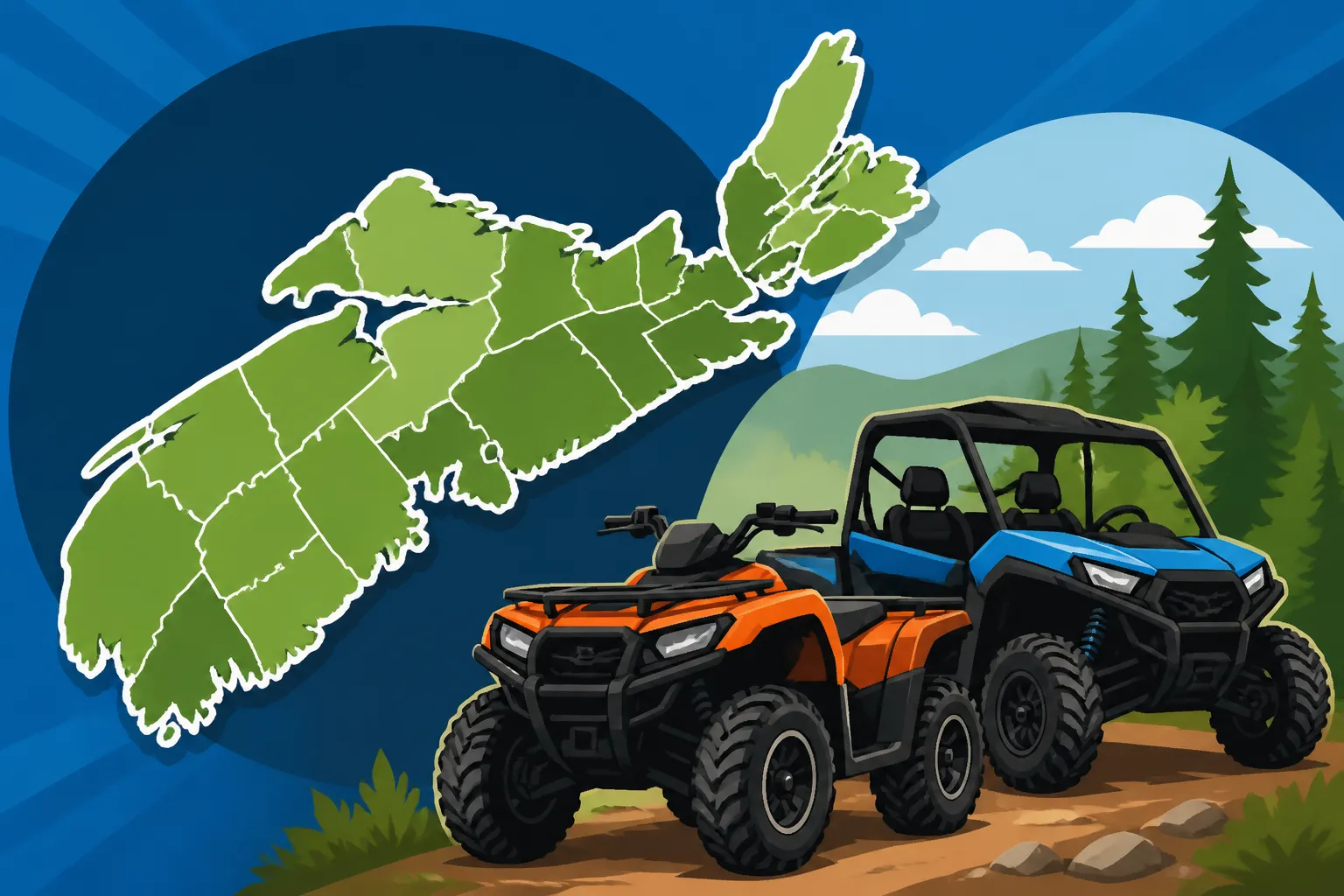
Sixteen Counties in Scope
For anyone who loves to feel the wind and the trail under their wheels, the expansion of off-highway vehicle (OHV) access in Nova Scotia has been a hot topic. It’s exciting, no doubt, but it also brings a flurry of questions about where you can actually ride, what the rules are, and how these changes impact your local trails. This guide is here to cut through the confusion and explain how the province-wide rollout of road trails affects all sixteen counties of Nova Scotia.
The Evolution of Nova Scotia's Road Trail System
It feels like just yesterday we were debating whether quads belonged anywhere near a paved road. For years, riders felt restricted, often having to trailer their machines just to get to a trail system, creating a disconnect between communities and the vast network of backroads and pathways. The idea of linking our beautiful province with OHV-friendly routes seemed like a dream to many, but it's slowly becoming a reality.
The journey to widespread road access for OHVs in Nova Scotia didn't happen overnight; it's been a gradual and carefully considered process. What started as small, localized trials has blossomed into a provincial strategy aimed at integrating off-highway vehicles into a broader transportation and recreational network. This expansion is designed to make it easier for riders to connect between trail systems, access amenities like fuel and food, and generally enhance the OHV experience across the province.
From Pilot Projects to Provincial Policy
Back in 2018, Nova Scotia launched its initial road trail pilot project in a handful of communities. These were crucial testing grounds, allowing the province to observe how OHVs interacted with other traffic, assess safety concerns, and gather feedback from residents, riders, and local authorities. These early trials were essential in demonstrating that with proper regulations and signage, OHV road access could be managed safely and effectively. [A Pilot That Started in 2018]
Based on the success and lessons learned from these pilots, the province officially proclaimed the [Nova Scotia's Road Trails Act Explained] in September 2023. This was a monumental step, laying the legal framework for a much broader expansion. This Act didn't just open a few more roads; it established a clear, consistent set of rules and guidelines that would govern OHV use on designated public roads, creating a predictable environment for both riders and communities. It was about creating a cohesive vision rather than a patchwork of local decisions.
The Rationale for Wider Access
The primary goal behind this expansion is to enhance recreational opportunities and support rural economies. Imagine being able to ride from your cottage directly to a local diner for lunch, or connect two vast trail networks without the hassle of loading and unloading your machine onto a trailer. This connectivity is a game-changer. It allows riders to explore more, stay longer, and spend their money in the small towns and villages that line our trails. [Nova Scotia Road Trails: Where You Can Ride]
Furthermore, the expansion recognizes the practical needs of many OHV owners who use their machines for work, not just recreation. Farmers, woodlot operators, and fishers often rely on their ATVs and UTVs for daily tasks. Providing regulated road access, even for short distances, can significantly improve efficiency and safety for these essential workers. It's about blending leisure with utility, ensuring that the rules serve the diverse needs of Nova Scotians.
Understanding the County-Level Rollout: Where You Can Ride
One of the most exciting aspects for riders is knowing that the road trail initiative is not confined to a few select areas but is designed to eventually encompass all sixteen counties of Nova Scotia. This phased approach allows for careful implementation, addressing local nuances while maintaining provincial consistency. While the ultimate goal is broad coverage, it's vital to understand that "in scope" doesn't necessarily mean every single road in every single county is open right now.
The rollout is strategic, focusing on connecting existing trail systems and providing crucial links between communities. You might find designated road trails in one area, while another might have "whole-town access" where all municipal roads are open to OHVs under specific conditions. This granular approach means riders need to pay close attention to local signage and municipal bylaws, as access can vary even within the same county.
Identifying the Sixteen Counties and Their Access
Every county in Nova Scotia is intended to be part of this expanded road trail network. From the rugged shores of Cape Breton to the fertile Annapolis Valley, and down to the South Shore, the vision is to weave a comprehensive web of OHV-friendly routes. While the specific sections and timelines for expansion may vary, the general commitment is to provide some form of regulated road access across the entire province.
For example, communities like Pictou embarked on a "whole-town access" trial, opening all municipal roads to OHVs for a trial period. This differs from other areas that might have specific, marked road trail segments. Other locations mentioned in expansion plans include areas in Guysborough County (like Mooseland and Old Guysborough Road) and across Cape Breton (Mira Gut, Marconi Tower Road, Loch Lomond Road, Framboise, Mabou, Port Hood, and Cranton Crossing). [Pictou's All-Roads Trial in Nova Scotia] is a prime example of municipal leadership in this initiative. The province also details [Nova Scotia's 2025 Road Trail Expansion] and [Nova Scotia's 2026 Road Trail Expansion] which outline specific areas of growth.
It’s about making these connections where it makes the most sense – whether it's riding between Tusket and Pubnico in Yarmouth County, or linking trails through Nictaux and the Northern Spur Line in the Annapolis Valley. The intent is to facilitate travel and enjoyment across diverse landscapes, ensuring that riders everywhere can eventually benefit from these expanded opportunities.
The Difference Between Designated Road Trails and Whole-Town Access
It's really important to distinguish between "designated road trails" and "whole-town access," because the rules and expectations can differ.
- Designated Road Trails: These are specific segments of public roads that have been officially identified and marked for OHV use. They often connect two sections of an off-highway trail system, or provide access to a specific destination like a gas station or a store. You'll typically see clear signage indicating where the road trail begins and ends. These segments are under provincial regulation, but still require riders to adhere to the general road trail rules.
- Whole-Town Access: In some municipalities, rather than designating specific segments, the entire network of municipal roads (excluding provincial highways and controlled-access roads) might be open to OHVs. This often happens after a local council has passed a bylaw to permit such access. [Nova Scotia Municipal Road Trails] are a great example of this. When riding in such areas, you're expected to treat all local roads as potential OHV routes, always adhering to the provincial OHV Act and any additional municipal bylaws that might be in place. It's vital to check with the specific municipality if you plan on riding in a whole-town access area, as local rules can sometimes add another layer to the provincial regulations.
The ongoing expansion projects, detailed in resources like [Nova Scotia's 2026 Road Trail Expansion], indicate continued growth across all sixteen counties, aiming to create more seamless connections. Whether you're in Cumberland, Yarmouth, or Guysborough County, the trend is towards greater, but regulated, access.
Practical Considerations for Riding in These Counties
With the expansion of road trails across Nova Scotia, riders have more opportunities than ever to explore. However, this increased access comes with a heightened responsibility to understand and follow the rules. It's not like riding on a private woodlot; you're now sharing space with other vehicles and pedestrians. Safety and compliance are paramount.
The core message is: just because you can ride on a road doesn't mean you can ride any way on a road. There are specific guidelines designed to keep everyone safe.
Essential Rules and Regulations for County Road Trails
When you venture onto a designated road trail or into a whole-town access area, you're subject to a set of rules that combine elements of both off-highway and on-road driving. Here are some of the critical ones you'll encounter:
- Speed Limits: On road trails, the speed limit is strictly enforced at [Nova Scotia's 25 km/h Road Trail Limit]. This might feel slow, especially if you're used to open trails, but it’s crucial for safety in shared environments. Remember, you're sharing the road with cars, cyclists, and pedestrians.
- Riding Formation: Riders are generally required to travel in a single file line. No side-by-sides of ATVs, and no passing other OHVs on these designated segments. This minimizes your footprint on the road and allows other traffic to safely navigate around you.
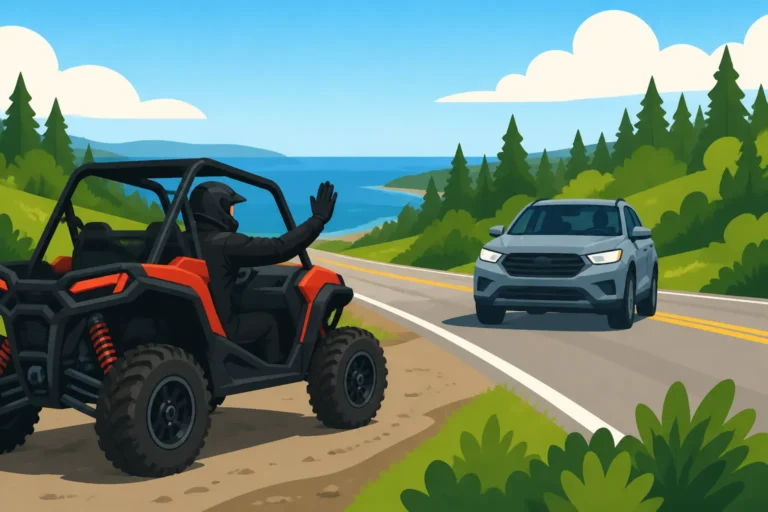
- Yielding: You must yield to all other traffic, including vehicles, cyclists, and pedestrians. They have the right of way. This isn't just a legal requirement; it's a matter of courtesy and safety.
- Helmet Law: A properly fitted and approved helmet is mandatory for all riders and passengers. This is non-negotiable for your safety. Always ensure your helmet meets recognized standards like DOT, CSA, Snell, or BSI. [Nova Scotia Helmet Law for Riders] has more details.
- Registration and Insurance: Every machine on a road trail must be properly registered with the province and carry valid liability insurance. This is a big one. Without current [Nova Scotia Requires Registration and Insurance], you risk significant fines. Keep your proof of insurance (pink card) and registration papers with you, as an officer may ask to see them.
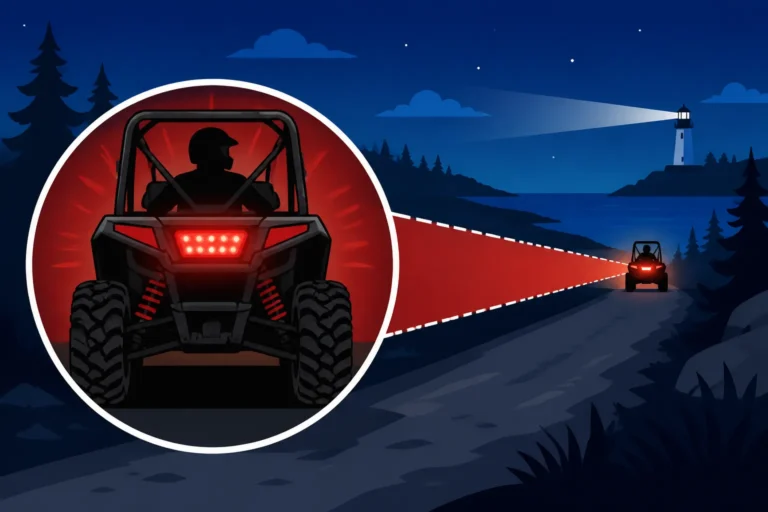
- Operating Hours: Road trails often have restrictions on when you can ride. Generally, riding is permitted from half an hour before sunrise to half an hour after dusk. Night riding has specific lighting requirements, so check local bylaws carefully.
- Driver's Licence: If you're crossing a public highway or riding on a designated road trail, the operator must hold a valid driver's licence (not a learner's permit).
- Age and Passengers: There are specific age requirements for riders and passengers. For example, passengers must be nine years of age or older. [Nova Scotia ATV Age Requirements] further explains.
Keeping your machine in top shape is essential for road trail riding. Regular maintenance ensures your lights, brakes, and tires are all working perfectly. Some riders even add aftermarket accessories from brands like SuperATV to enhance visibility, like more prominent mirrors or brighter LED lights, which can be a real benefit on shared roadways.
Navigating Different Types of Access
As the road trail network expands, you'll encounter various scenarios. Understanding how to react to each is key to a smooth, legal ride.
- Connecting Trail Systems: The most common use of road trails is to link segments of the provincial trail network. You might be on a dirt trail, then encounter signs directing you onto a short paved section to reach another trail. Always follow these signs precisely. Deviating from the marked road trail can lead to fines and trespass charges.
- Accessing Services: Imagine you're deep in the woods, and your fuel light comes on. A designated road trail might allow you to ride into the nearest village to a gas station. This is a huge convenience, but remember to abide by the speed limit and be extra vigilant in populated areas. Once you've gassed up, you're expected to return to the trail or designated road as directly as possible.
- Crossing Roads: Even if a road isn't a designated trail, you might still need to cross it to continue on an off-highway trail. There are strict rules for this, generally requiring you to stop, look both ways, and proceed safely at a 90-degree angle to the road, yielding to all traffic. You need a valid driver's licence to perform a road crossing. [Nova Scotia Rules for Crossing a Highway] details this.
- Riding Shoulders: In some limited circumstances, riding on the shoulder of a road might be permitted if it's explicitly designated. However, don't assume this is always the case. Always look for signage. [Nova Scotia Rules for Riding a Shoulder] will clarify.
Always check local municipal websites or contact the local ATV club for the most up-to-date information on bylaws and designated access points in any given county. This proactive approach will save you from potential headaches and ensure your rides are enjoyable and compliant.
Getting Ready for the Expanded Network
The expansion of off-highway vehicle access across Nova Scotia’s sixteen counties is a fantastic development for the OHV community. However, it requires every rider to be prepared, knowledgeable, and responsible. This isn't just about having a registered and insured machine; it's about being a courteous and safe operator who understands the unique demands of sharing public roadways.
The responsibility for safe riding falls squarely on the shoulders of each individual operator. Taking the time to prepare yourself and your machine will ensure you can fully enjoy the benefits of this expanded access.
Machine Preparedness and Rider Responsibility
Before you even think about hitting those newly accessible road trails, a thorough check of your machine is non-negotiable. Your ATV or UTV needs to be road-ready, not just trail-ready.
- Lighting: Ensure your headlights, tail lights, and brake lights are all in perfect working order. This is critical for visibility, especially during dusk or dawn riding hours, and a legal requirement. Consider adding additional marker lights if your machine's factory setup isn't highly visible.
- Brakes: Test your brakes! You'll be stopping more frequently and potentially more suddenly on roads than on trails.
- Tires: Check tire pressure and tread depth. While knobby tires are great for mud, riding on pavement can wear them down faster and affect handling.
- Muffler/Exhaust: Your machine must meet factory noise levels. Modified or excessively loud exhausts are not only a nuisance to residents but also illegal on road trails. Keep your machine quiet and respectful.
- Safety Gear: Beyond the mandatory helmet, consider eye protection (even if your helmet has a visor, sunglasses or goggles can be helpful), gloves, long pants, and sturdy boots. These aren't just for trail riding; they protect you in case of an incident on the road as well. Aftermarket windshields or roof kits from brands like SuperATV can also add comfort and protection for UTV riders on longer road segments.
- Documentation: Always carry your proof of registration and insurance (your "pink card") with you. An officer can ask for it at any time.
Beyond the machine, rider responsibility is paramount. This includes completing a certified safety course. While there's a [Nova Scotia's Pre-2006 Grandfather Rule] for some long-time owners, for many, [Nova Scotia Safety Certificates Are Mandatory]. These courses teach essential riding skills, trail etiquette, and a deep understanding of the regulations, preparing you for all types of riding environments.
Staying Informed About Local Changes
The road trail network is dynamic. While the provincial Act provides the overarching framework, local municipalities often make decisions regarding specific road designations and bylaws within their boundaries. What might be allowed in one community might not be in another, even within the same county.
- Check Municipal Websites: Before planning a ride, especially in a new area, always check the municipal website for any specific OHV bylaws. This is particularly important for "whole-town access" areas.
- Connect with Local Clubs: ATV clubs are often the first to know about local changes, trail closures, or new road trail designations. They're an invaluable resource for current, hyper-local information. The ATV Association of Nova Scotia (ATVANS) is a great provincial resource, and they can direct you to local clubs.
- Look for Signage: When you're on the ground, always be on the lookout for official road trail signage. These signs indicate where OHV use is permitted, where it begins, where it ends, and any specific conditions.
- Updates on Road Trail Expansion: Keep an eye on provincial government announcements regarding the phased rollout, like the specific details for [Nova Scotia's 2026 Road Trail Expansion]. These updates will outline new areas and segments becoming accessible.
The goal is to create a safe, enjoyable, and well-connected OHV experience throughout Nova Scotia's sixteen counties. By being prepared, staying informed, and riding responsibly, we can all contribute to the success and continued expansion of this exciting network. Remember, responsible riding helps ensure these privileges continue for everyone.
Here's a quick reference for some key road trail rules:
| Rule Category | Requirement |
|---|---|
| Speed Limit | Maximum 25 km/h on designated road trails. |
| Riding Formation | Single file, no passing other OHVs. |
| Yielding | Must yield to all other vehicles, cyclists, and pedestrians. |
| Helmet | Mandatory for all riders and passengers; must meet approved standards (DOT, CSA, Snell, BSI). |
| Registration | Machine must be provincially registered. |
| Insurance | Minimum liability insurance required; carry proof (pink card). |
| Licence | Operator must hold a valid driver's licence for road trails and highway crossings. |
| Operating Hours | Generally 30 minutes before sunrise to 30 minutes after dusk. |
| Lighting | Functioning headlights, tail lights, and brake lights required. |
| Muffler | Must meet factory noise levels; modified exhausts are prohibited. |
| Passengers | Must be 9 years of age or older. |
| Signage | Always obey all road trail and traffic signage. |
| Alcohol/Drugs | Operating an OHV while impaired is illegal and carries the same penalties as impaired driving in a car. |
Disclaimer
This article is for general informational purposes only and does not constitute professional advice. Laws, prices and regulations vary by location and change over time. Consult a qualified professional for guidance on your specific situation.