Nova Scotia Road Trails in Cumberland
It can be incredibly confusing to figure out where you're actually allowed to ride your ATV or UTV in Nova Scotia, especially when it comes to riding on roads. Many of us just want to get from one trail segment to another without breaking the law or having to trailer our machines for short distances. This comprehensive guide is here to demystify the rules for off-highway vehicles on road trails specifically within Cumberland County, helping you understand where you can legally ride, what's required of you, and how to make the most of your riding experience.
Understanding Nova Scotia's Road Trail Act in Cumberland
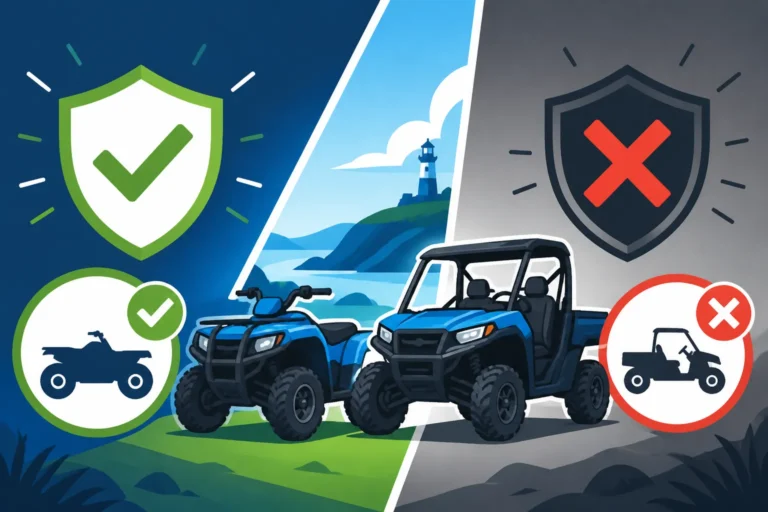
If you've spent any time researching ATV and UTV riding in Nova Scotia, you've probably come across the term "road trails." This isn't just a casual phrase; it's a specific designation under the Nova Scotia Off-highway Vehicles Act that allows for controlled, limited access for OHVs on certain public roads. For years, riders in communities like Pugwash, Maccan, and Wallace have wished for easier connections, and these road trail designations are designed to bridge those gaps. It's a game-changer for many, but it comes with a strict set of rules that every rider absolutely must understand before heading out.
The biggest frustration for many riders used to be those little stretches of pavement separating vast networks of woods trails. You'd be humming along a fantastic trail, only to hit a paved road and have to load up your machine just to drive a few kilometers down the road to another trail entrance. It was a real buzzkill and certainly didn't make for efficient riding. The introduction of road trails aimed to solve this exact problem, creating a more cohesive riding experience across the province, including right here in Cumberland County. However, it's crucial to remember that "road trail" doesn't mean "any road you want." These are specific, designated segments, and riding on undesignated roads can lead to serious penalties.
The Legal Framework for OHV Access
The Nova Scotia Off-highway Vehicles Act is the overarching legislation that governs how and where you can operate ATVs, UTVs, and other off-highway vehicles in the province. Within this act, specific amendments and regulations have been made to introduce and define "road trails." This legal framework is what gives municipalities and the province the power to open up certain road segments for OHV use. It's a carefully balanced act, trying to provide more access for riders while also ensuring public safety for all road users, and minimizing disruption to residents.
Before these regulations were in place, the only time you might legally be on a public road with an OHV was to cross it directly and safely, or if you were a farmer accessing fields. Even then, the rules were often misinterpreted, leading to confusion and, unfortunately, tickets. The current framework, especially with the [Nova Scotia Road Trails Act Explained], provides a much clearer pathway for legal road riding. It outlines the responsibilities of the rider, the requirements for the machine, and the conditions under which these road trails operate. This shift reflects a growing recognition of the economic and recreational value of OHV tourism and local riding, but it places a significant onus on riders to be informed and compliant.
Specific Regulations for Road Trails in Cumberland
When you're riding a designated road trail in Cumberland County, you're not just riding a regular road; you're operating under a specific set of rules tailored for OHVs. One of the most important regulations is the speed limit: you must adhere to a strict [25 km/h on a Road Trail], regardless of the posted speed limit for other vehicles. This lower speed is critical for safety, as OHVs handle differently than cars and often share these routes with pedestrians and cyclists. Furthermore, you must ride single file, you cannot pass other vehicles, and you must always yield to conventional traffic.
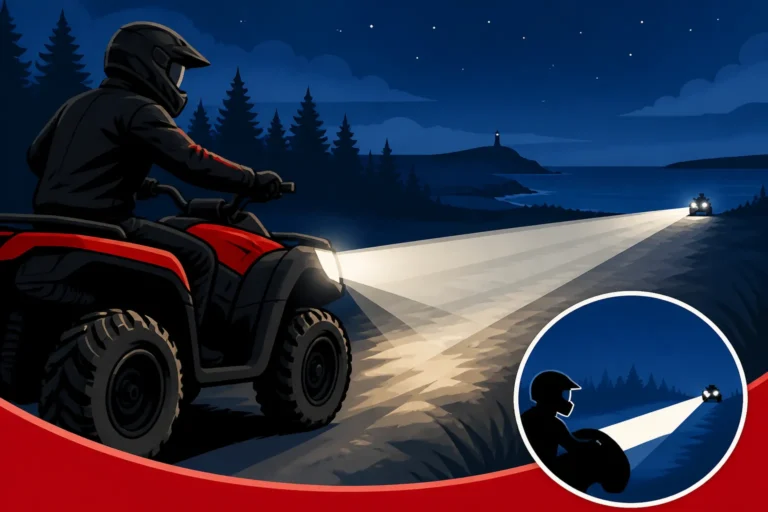
Beyond speed and riding formation, other crucial requirements include proper machine registration and insurance. Just like on any public road, your ATV or UTV must be registered and carry valid liability insurance. This isn't optional; [Nova Scotia Requires Registration and Insurance] for any OHV operating on these designated road segments. Your machine must also be equipped with proper lighting (headlights, taillights) if you're riding during operating hours that extend into dusk or dawn. Think of it less like a regular trail and more like a shared, lower-speed segment of a public road where OHVs are explicitly permitted under strict conditions.
Who Oversees Road Trail Designations?
The process of designating road trails involves both the provincial government and local municipalities. The provincial government sets the legislative groundwork and provides guidance, while individual municipalities like those within Cumberland County are responsible for identifying suitable road segments and officially applying for their designation as road trails. This local involvement is crucial because municipalities understand the unique traffic patterns, community concerns, and existing trail networks within their own areas.
When a municipality decides to pursue road trail designations, they typically consider factors like existing trail connectivity, potential for economic benefit (like increased tourism), safety implications, and public feedback. Once approved, signs are erected to clearly mark these segments. You'll often see specific signage indicating "OHV Permitted" or similar language. It's not enough to simply think a road looks like a good place to ride; it must be officially designated and clearly marked. Always look for these signs, and if in doubt, check with the local municipal office or the provincial government's OHV resources. The entire goal is to formalize these connections, so relying on "gut feelings" about where you can ride is a recipe for trouble.
Navigating Cumberland County's Designated Road Trails
Cumberland County, with its diverse landscapes ranging from the Minas Basin to the Northumberland Strait, offers some fantastic riding experiences. The designated road trails are designed to enhance this, linking otherwise disconnected segments of the vast off-highway trail network. However, successfully navigating these road trails requires more than just pointing your machine down the road. It demands awareness of the specific designations, adherence to shared road etiquette, and a keen eye for signage.
It's a common mistake for riders new to the road trail concept to assume that if one road in an area is designated, all similar roads must be too. This is absolutely not the case. Each road trail segment is explicitly chosen and marked, often serving a specific purpose like connecting two major trail systems or providing access to a service like a gas station or restaurant. Understanding these precise routes is key to a smooth and legal ride through Cumberland County.
Identifying Approved Road Trail Segments
The most important step in safely and legally using road trails in Cumberland County is knowing exactly which roads are designated. You can't just assume. These segments are usually identified through signage, and detailed maps are often available through local ATV clubs or provincial resources. It's a good practice to consult official maps or online resources before you head out, especially if you're exploring a new area. Cumberland County encompasses several communities that have embraced the road trail concept, such as Pugwash, Wallace, and Maccan.
These road trail designations are not static; new segments can be added, and existing ones might be modified or even removed. Therefore, staying informed is vital. Local ATV clubs, like those affiliated with ATVANS (ATV Association of Nova Scotia), are excellent resources for up-to-date information on trail and road trail status. For instance, you might find road trails connecting key points like the Pugwash Salt Express Trail to local services, or linking up with other sections towards areas like Springhill or Amherst. This connectivity is what makes the system so valuable for extended rides.
Speed Limits and Right-of-Way on Shared Roads
As mentioned earlier, the speed limit on any designated road trail is a strict [25 km/h on a Road Trail]. This is crucial to remember, as it's significantly slower than typical road speeds and demands your full attention. When you're on a road trail, you are sharing that space with cars, trucks, cyclists, and pedestrians. Your OHV must yield to all other traffic. This isn't just a suggestion; it's a legal requirement that helps ensure safety for everyone.
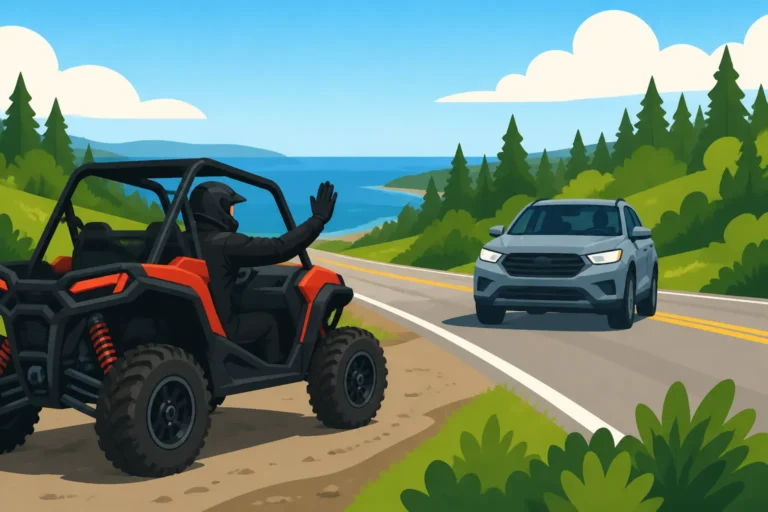
Think of it this way: while you have permission to be on that road, you are still the "guest" in the flow of conventional traffic. Always stay to the right-hand side of the lane, ride single file if you're with a group, and never, ever attempt to pass another vehicle. It's also paramount to use appropriate hand signals for turns and stops, just as a cyclist would. Being predictable and visible is your best defense against accidents. If you're riding a larger UTV, perhaps one with some SuperATV accessories like wider mirrors or bright LED lights, these can enhance your visibility and safety even further. These measures are not only about avoiding fines but about ensuring you, and everyone else on the road, gets home safely.
Signage and Wayfinding for Riders
Proper [Nova Scotia Road Trail Signage] is critical for both local and visiting riders. These signs clearly indicate where a road trail begins and ends, reminding you of the specific rules that apply. You'll typically see distinct signs featuring an OHV symbol, often accompanied by text indicating "OHV ROUTE" or "OHV PERMITTED," along with the mandatory 25 km/h speed limit. Pay close attention to these markers; they are your official guidance.
Sometimes, in more rural areas of Cumberland County, signage might be less frequent, or you might encounter older signs. This is where pre-ride planning with up-to-date maps becomes invaluable. Relying solely on your memory or a sense of direction can lead you onto undesignated roads, which can result in significant fines. Many local clubs put a lot of effort into maintaining and updating these markers, so if you see damaged or missing signage, consider reporting it to the local authorities or your ATVANS club. These signs are there to protect you and clarify your legal riding access.
Planning Your Ride: Essential Rules and Gear for Cumberland Road Trails
Planning an ATV or UTV ride in Cumberland County that incorporates road trails involves more than just picking a route. It requires careful attention to legal requirements for both you and your machine, as well as ensuring you have the right safety gear. Many riders underestimate the difference between riding exclusively on private land or dedicated trails and venturing onto public road segments, even designated ones. The rules tighten considerably when you share space with other vehicles and pedestrians.
The goal here isn't to make riding feel like a chore, but to ensure that every outing is safe, enjoyable, and completely within the bounds of the law. Nobody wants a fun day on the trails to end with a ticket or, worse, an accident. Being prepared means you can focus on the stunning scenery of Cumberland County, whether you're traversing near the Wentworth Valley or exploring coastal routes along the Northumberland Shore.
Mandatory Registration, Insurance, and Safety Gear
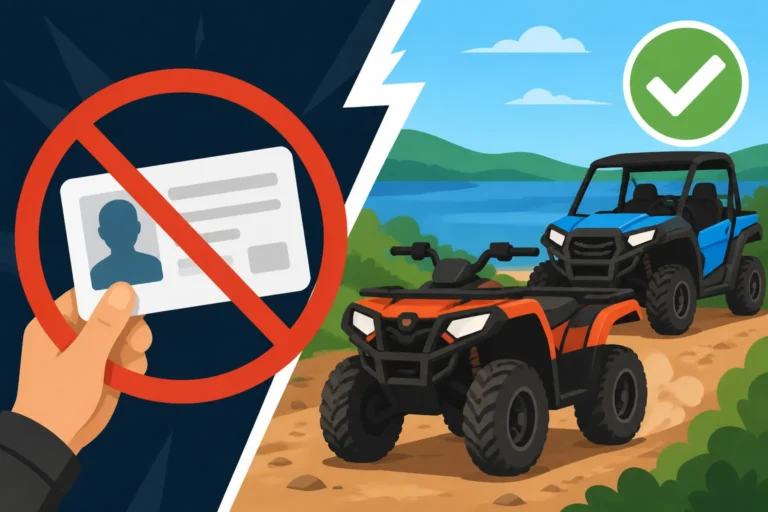
First and foremost, your ATV or UTV must be properly registered with the Nova Scotia Registry of Motor Vehicles, and you must carry valid liability insurance. This isn't just for road trails; it's a fundamental requirement for operating an OHV on any public land or designated trail system in Nova Scotia. Make sure you have your [Nova Scotia Certificate and Vehicle Permit] and proof of insurance (often referred to as your "pink card") with you at all times when riding. The penalties for an [Nova Scotia Fines for an Unregistered Machine] or uninsured machine can be substantial.
Beyond paperwork, safety gear is non-negotiable. A helmet is absolutely mandatory for all riders and passengers, regardless of age, on road trails and any other public OHV area. Your helmet must meet recognized safety standards, such as DOT, CSA, Snell, or BSI. [Nova Scotia Helmet Law for Riders] is very clear on this. Eye protection is also highly recommended, if not integrated into your helmet. For riders under 16, there are additional requirements for protective clothing, including long-sleeved shirts, long pants, gloves, and sturdy boots that cover the ankles. These aren't just recommendations; they're legal requirements designed to protect you in the event of an accident.
Age Restrictions and Passenger Rules
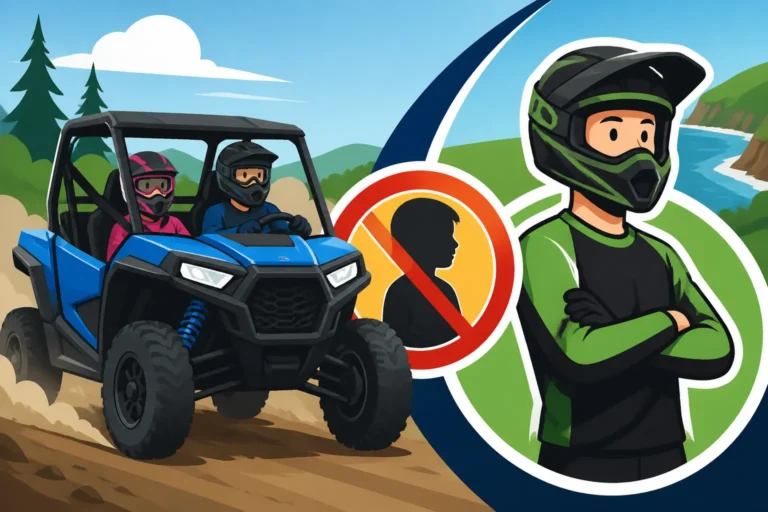
Nova Scotia has specific age restrictions for operating OHVs, and these apply rigorously on road trails. To operate an OHV on a public road trail, the operator must be at least 16 years old and possess a valid driver's license. A learner's permit is generally not sufficient for road trail operation due to the complexities of sharing public roads. This ensures that riders have a foundational understanding of road rules and traffic etiquette.
When it comes to passengers, there are also strict rules. Children under nine years of age are not permitted as passengers on any ATV or UTV, regardless of the machine's design or seating. For passengers aged nine and older, they must be able to reach the footrests and be securely seated, with all the mandatory safety gear on. [Nova Scotia Passengers Must Be 9 or Older] is a rule put in place for their safety, considering the dynamics of OHVs. If your UTV is designed for multiple passengers, ensure each person has a designated seatbelt and follows all the safety requirements. Overloading your machine is dangerous and illegal.
Preparing Your Machine for Road Trail Use
Before you even think about hitting the road trails in Cumberland, give your machine a thorough check. Ensure all lights are in working order: headlights, taillights, and brake lights. These are absolutely essential for visibility, especially if you're riding during periods of low light or poor weather, which can happen quickly along the coast. Loud, modified exhausts are also a big no-no on road trails, as they can disturb residents and violate noise regulations. Stick to factory-spec exhausts to avoid issues.
Consider adding some practical accessories to your machine, especially if you plan to cover longer distances on road trails or link up multiple trail systems. For instance, a GPS unit pre-loaded with local trail and road trail maps can be invaluable for navigation. Upgrading to more durable tires that handle both off-road terrain and paved surfaces well might also be a smart move, as repeated road riding can wear down aggressive off-road treads quickly. SuperATV, for example, offers a range of tires and accessories that can enhance your machine's performance and comfort for mixed-terrain riding, including those specifically designed to be street-legal in other jurisdictions, though always check local Nova Scotia rules for any particular modification. Ensure your brakes are sharp, your horn works, and your machine is generally in good repair.
Exploring Cumberland's Diverse Riding Opportunities
Cumberland County offers a rich tapestry of landscapes, from rolling farmland to dense forests and stunning coastal vistas. The strategic placement of road trails is designed to connect riders to these diverse environments, expanding your range and making longer, more varied rides possible. It's not just about getting from point A to point B; it's about unlocking new adventures and experiencing more of what this beautiful region has to offer.
Imagine being able to start your day exploring the wooded trails near Wentworth, then seamlessly transitioning onto a road trail to grab lunch in a charming village like Pugwash, before hopping back onto another trail system to head towards the coast. This kind of interconnectedness is the dream for many riders, and Cumberland's road trails are helping to make it a reality.
Popular Road Trail Connections and Scenic Routes
Cumberland County is quite extensive, covering areas from the Cobequid Mountains to the shores of the Bay of Fundy and the Northumberland Strait. Communities like Pugwash, Wallace, and Maccan have been at the forefront of embracing road trail designations, creating vital links for riders. For example, in the Pugwash area, road trails can help connect riders from the Salt Express Trail network to local businesses, making it easy to refuel or grab a meal. Similarly, in the more central parts of the county, road trails might link segments of the Trans Canada Trail or other local trail systems.
These connections often open up access to scenic routes that were previously unreachable by OHV. Imagine a leisurely ride on a designated road trail through the picturesque rural landscapes, perhaps offering glimpses of the Northumberland Strait, before diving back into a challenging wooded trail. These routes provide a different perspective of Cumberland County, blending the thrill of off-road adventure with the charm of small-town Nova Scotia. Always keep an eye out for official maps that detail these specific linkages; they are your best guide to planning an unforgettable journey.
Linking Road Trails to Off-Highway Networks
The real power of the road trail system in Cumberland is its ability to link up extensive off-highway trail networks. Nova Scotia boasts thousands of kilometres of managed trails, many maintained by volunteer clubs associated with ATVANS. Road trails act as crucial arteries, allowing you to move between these larger systems without the hassle of trailering. This is particularly beneficial for multi-day trips or for riders looking to explore a broader area without constantly loading and unloading their machines. [Nova Scotia's 8,000 Kilometres of Trail] becomes much more accessible when road trails provide seamless connections.
For instance, you might use a road trail in the Springhill area to connect from a locally maintained trail system to one that stretches further towards Amherst or even into Pictou County. These links enhance the overall riding experience, making it feel more expansive and less fragmented. It's advisable to carry a [Nova Scotia Trail Maps Worth Downloading] for the entire region you plan to ride, ensuring you know exactly where the road trails end and where the dedicated off-highway trails begin. This way, you can maximize your riding time and minimize any potential for getting lost or straying onto prohibited areas.
Local Amenities and Support for Riders
One of the often-overlooked benefits of road trails is the direct access they provide to amenities that riders need. Before road trails, getting fuel, food, or even a basic repair often meant a significant detour or having to drive your tow vehicle. Now, in communities that have designated road trails, you might find yourself legally riding your OHV right up to a gas station, a convenience store, or a restaurant. This is incredibly convenient and significantly enhances the enjoyment and practicality of longer rides.
For example, if you're riding a longer loop that takes you near Pugwash, Wallace, or Amherst, these communities often have local businesses that are accustomed to serving OHV riders. Some even offer specific parking areas for ATVs and UTVs. Look for places that display "OHV Friendly" signage. Beyond commercial services, local ATV clubs are an invaluable source of support, offering information on trail conditions, group rides, and even assistance if you run into trouble. Becoming a member of an ATVANS club, which includes your [Nova Scotia Trail Permits From ATVANS], not only supports the trail system but also connects you to a community of riders and local knowledge.
Community Impact and Responsible Riding in Cumberland
While road trails open up fantastic new riding opportunities, they also place a greater responsibility on us as riders. We're now sharing space not just with other off-road enthusiasts, but with residents, pedestrians, and conventional traffic in more populated areas. Our actions on road trails have a direct impact on how these privileges are viewed and whether they will be expanded or, unfortunately, restricted in the future. Maintaining a positive image for the OHV community is paramount, especially in a beautiful and close-knit area like Cumberland County.
The success of the road trail program really hinges on responsible rider behaviour. If there are frequent complaints about noise, speeding, or disrespect for private property, it jeopardizes the entire system. We all have a role to play in ensuring these valuable connections remain open and continue to grow.
Respecting Local Residents and Property Owners
When you're riding on a road trail, you're essentially riding through someone's neighbourhood. This means being acutely aware of your surroundings and respectful of the people who live and work there. Noise is a major factor; excessive engine noise, especially from modified exhausts, can be incredibly disruptive. Always maintain factory-level exhaust systems, and ride as quietly as possible, particularly when passing homes or businesses. Imagine if someone was riding a loud machine past your house every hour – you wouldn't be pleased, right?
Dust can also be an issue, especially in dry conditions. Slow down when passing through populated areas to minimize dust clouds, and be mindful of people's gardens, driveways, and open windows. It's also critical to stay on the designated road trail at all times. Do not cut across private property, even if it seems like a shortcut, and never litter. These seemingly small actions can create significant goodwill or, conversely, serious resentment within the community. A simple wave or nod to a resident as you pass can go a long way in fostering positive relationships.
Minimizing Environmental Footprint
Riding an OHV inherently has an environmental impact, but responsible riders strive to minimize this as much as possible. On road trails, this often means ensuring your machine is well-maintained to prevent fluid leaks, which can pollute roadsides and water sources. Avoid aggressive acceleration or braking that can kick up excessive dust or gravel, especially on unpaved road trail segments. It’s also important to adhere to designated operating hours for road trails, avoiding early morning or late-night rides that might disturb wildlife or sleeping residents.
When you're transitioning from a road trail back onto an off-highway trail, be extra vigilant about staying on the marked path. Going off-trail, even for a short distance, can damage sensitive ecosystems, especially near wetlands or coastal areas in Cumberland County. Education about local environmental concerns is always a good idea. Consider running a set of more environmentally friendly tires, perhaps some all-terrain options from SuperATV, that reduce ground disturbance compared to ultra-aggressive mud tires if you're frequently on mixed surfaces. We are stewards of the land, and our actions directly reflect on the future of off-highway riding.
Enforcement and Penalties for Non-Compliance
It's important to understand that riding on road trails comes with enforcement. RCMP and local law enforcement officers have the authority to pull over OHV operators, check for compliance with registration, insurance, helmet laws, and adherence to the 25 km/h speed limit. They take violations seriously, and the penalties can be significant, ranging from substantial fines to seizure of your machine. [Nova Scotia Fines for an Unregistered Machine] can be a harsh lesson, and operating an uninsured vehicle on a road trail can be even worse.
This table provides a snapshot of some common violations and their implications when riding on Nova Scotia road trails.
| Violation Type | Common Consequences |
|---|---|
| Unregistered OHV | Minimum $250 fine, potential machine impoundment. |
| Uninsured OHV | Significant fines, machine impoundment, legal action. |
| No Approved Helmet | Fines for operator and any unhelmeted passengers. |
| Exceeding 25 km/h Speed Limit | Fines, points on driver's license (if applicable). |
| Riding Undesignated Road | Fines, potential machine impoundment, trespassing charges. |
| Underage/Unlicensed Operator | Fines, machine impoundment, charges for supervisor. |
| Loud/Modified Exhaust | Fines, order to fix machine. |
| Improper Passenger | Fines for operator. |
| Riding Outside Operating Hours | Fines. |
Beyond the immediate financial penalties, repeat infractions can lead to loss of riding privileges or increased scrutiny on the entire OHV community. It's far better to ride responsibly, respect the rules, and enjoy the beautiful road trails in Cumberland County safely and legally. If you have questions about specific rules or regulations, contacting Access Nova Scotia or an ATVANS club is always a wise move.
Disclaimer
This article is for general informational purposes only and does not constitute professional advice. Laws, prices and regulations vary by location and change over time. Consult a qualified professional for guidance on your specific situation.