Mabou, Port Hood and Cranton Crossing
The excitement of new opportunities for off-highway vehicle (OHV) riders in Nova Scotia, especially in beautiful areas like Mabou, Port Hood, and Cranton Crossing, is undeniable. For too long, riders have felt restricted, wondering how to connect trails or access local services without breaking rules. This guide is here to shed light on the specific road trail access points and regulations in these charming Cape Breton communities, helping you understand exactly where you can ride legally and safely.
Understanding Nova Scotia's Road Trail System
When we talk about "road trails" in Nova Scotia, it's a bit different from simply driving your quad down a paved street. This system is a carefully considered approach to allow OHVs to connect to trails, access amenities, or bypass obstacles, all while sharing the road responsibly with other traffic. It's about creating a cohesive network that respects both riders and residents.
What are Road Trails, Exactly?
Imagine you're out on a fantastic trail ride, and suddenly, you hit a section where the trail ends abruptly, or you need to cross a highway to get to the next segment. Historically, this meant trailering up or, unfortunately, riding illegally on a public road, which came with hefty fines. The [Nova Scotia Road Trails Act Explained] introduced a solution: designated sections of public roads, often secondary or less-trafficked routes, where OHVs can legally operate under specific conditions. It's not a free-for-all on all roads; it's about strategic connections to enhance the overall riding experience. These are generally lower-speed zones designed for transit, not for high-speed cruising.
The Purpose Behind the Road Trail Initiative
The provincial government, working with organizations like ATVANS, recognized the significant economic and recreational benefits of a more connected trail system. Riders spend money on fuel, food, and lodging, supporting rural communities. But beyond economics, it's about access – allowing families to enjoy longer rides without constant interruptions and enabling riders to safely reach destinations like gas stations, restaurants, or their accommodations. This initiative aims to reduce illegal road riding, make the sport safer, and foster a more positive relationship between OHV users and other road users. It's a pragmatic approach to a long-standing challenge, acknowledging that OHVs are a vital part of many Nova Scotian lifestyles.
Specifics of Mabou, Port Hood and Cranton Crossing Road Trails
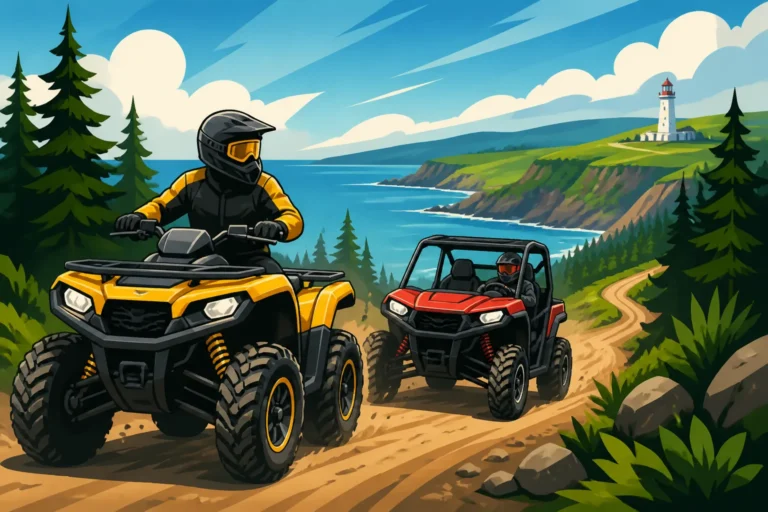
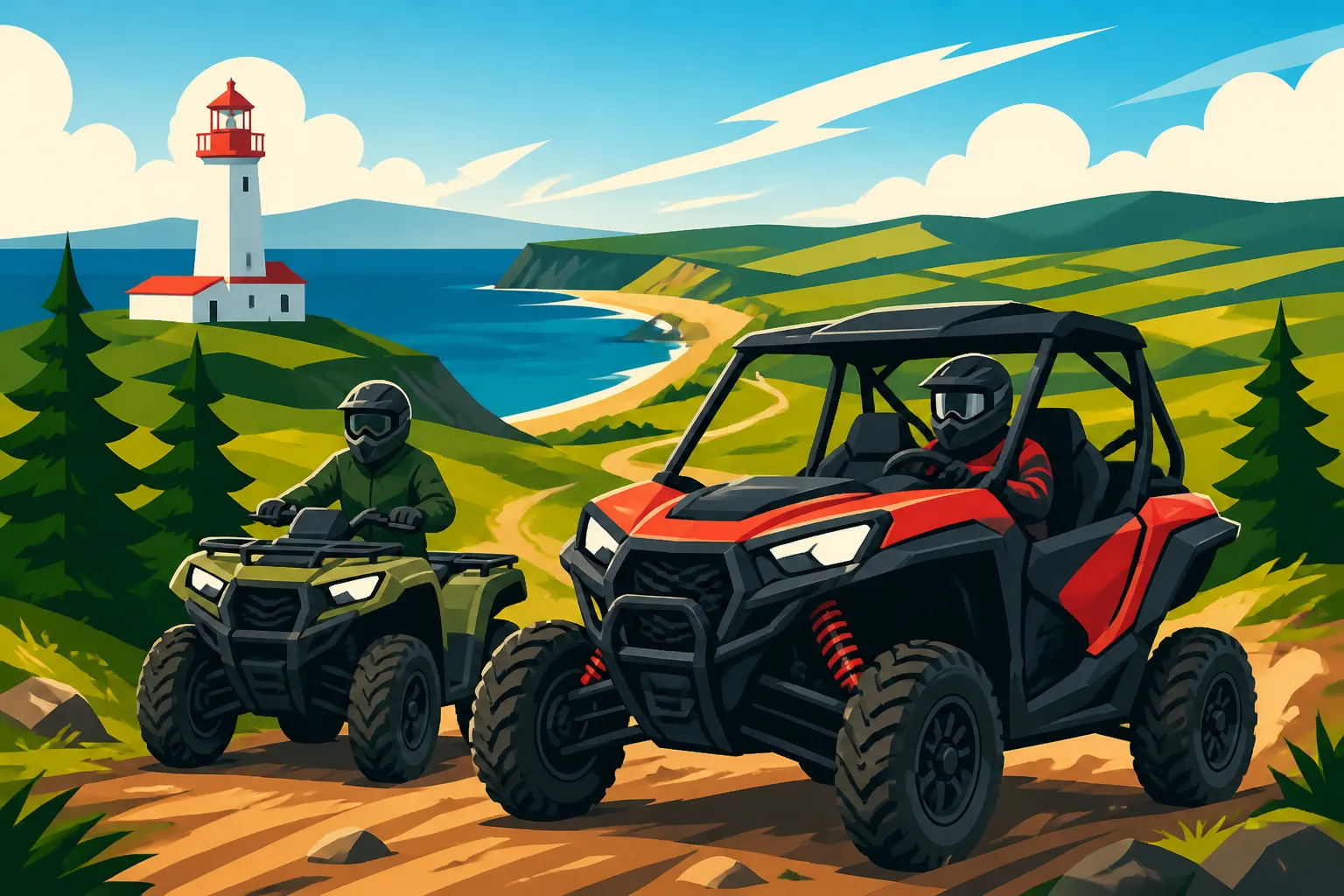
Cape Breton is a rider's paradise, and the inclusion of areas like Mabou, Port Hood, and Cranton Crossing into the road trail network opens up some truly spectacular possibilities. These communities, known for their stunning coastal views and vibrant culture, now offer crucial links for exploring the island's interior and shoreline.
Mabou: Connecting Coastal Charm
Mabou is a gem on the west coast of Cape Breton, famous for its music, picturesque harbour, and the iconic Mabou River. For OHV riders, its road trail designation means you can now legally connect different segments of trails, perhaps riding from an inland wooded route down towards the village for a meal, or accessing a specific trailhead. This connectivity allows riders to experience the beauty of the Mabou area more fully, seamlessly linking the raw wilderness with the amenities of the community. It means less time spent trailering and more time actually riding and enjoying the landscape. Imagine riding a portion of the [Celtic Shores Coastal Trail in Nova Scotia] and then being able to pop into Mabou for a well-deserved break, all within the bounds of the law.
Port Hood: Beach Access and Village Links
Just south of Mabou, Port Hood offers its own unique set of attractions, including some of Nova Scotia's warmest ocean beaches. The road trail segments here are invaluable for connecting riders to these coastal experiences. This allows for a unique blend of trail riding and coastal exploration, providing access to scenic viewpoints and perhaps even local businesses for supplies or a bite to eat. It's about enhancing the journey, making it easier to flow from a rugged trail section to a charming village setting without stress. This connectivity is particularly useful for longer touring rides where you need to refuel or resupply in a specific community. The designation in Port Hood aims to make your riding experience more integrated with the local community.
Cranton Crossing: Gateway to Inland Trails
Cranton Crossing might not be as widely known as Mabou or Port Hood, but its inclusion in the road trail network is strategically important. Often, these less-travelled designations serve as critical connectors to more extensive inland trail systems or allow riders to bypass challenging terrain or private land where trail access is otherwise restricted. For riders looking to venture deeper into Cape Breton's interior, Cranton Crossing provides a legal and safe thoroughfare, allowing you to bridge gaps between different trail networks. These smaller, yet vital, links are what truly make a provincial road trail system effective, ensuring that riders aren't left stranded or forced into illegal detours. They're often the unsung heroes of a connected trail system.
Navigating the Rules: What You Need to Know
Riding on designated road trails is a privilege, and it comes with important responsibilities. Ignoring these rules not only puts you at risk of fines but also jeopardizes the future of road trail access for everyone. The aim is safe, responsible sharing of the road.
Essential Gear and Documentation
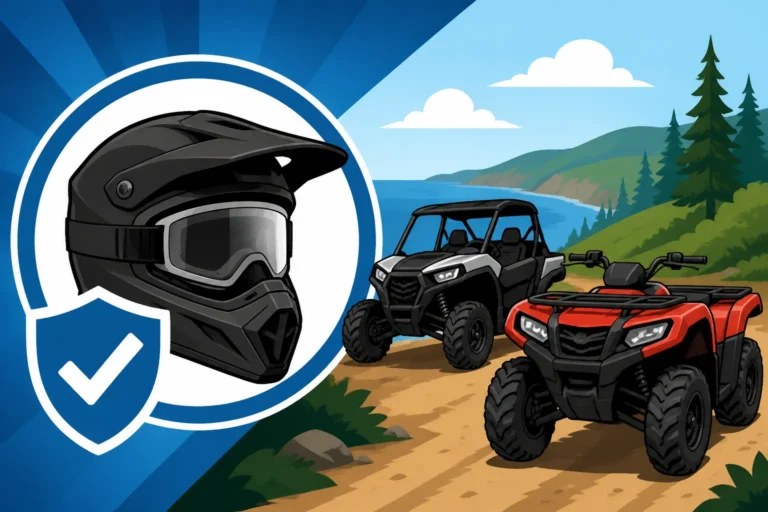
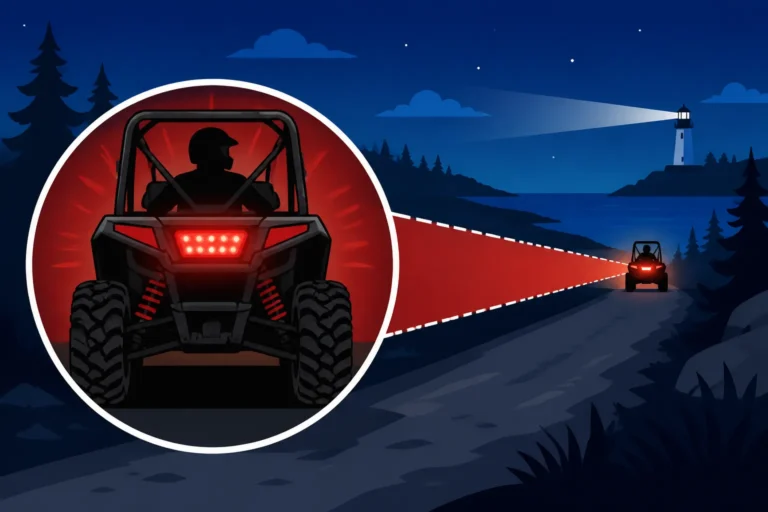
Before you even think about hitting a road trail in Mabou, Port Hood, or Cranton Crossing, you need to ensure both you and your machine are properly equipped and documented. First and foremost, a helmet meeting approved standards (DOT, CSA, Snell, BSI) is mandatory. [Nova Scotia Helmet Standards Accepted] are quite clear on this. Eye protection is also highly recommended. Your machine must be properly [Nova Scotia OHV Registration Cost] and [Nova Scotia Registration and Insurance] is non-negotiable, meaning you need liability coverage of at least $500,000. Carry your proof of registration and insurance ("pink card") with you. Your machine also needs working headlights and tail lights, as you'll be sharing space with other vehicles, especially if you're riding around dawn or dusk. Companies like SuperATV offer a range of robust lighting solutions that are perfectly suited for both trail and road trail conditions, ensuring you're visible and safe.
Here’s a quick checklist for your convenience:
| Requirement | Details | Why It Matters |
|---|---|---|
| Helmet | Approved standards (DOT, CSA, Snell, BSI) | Your safety is paramount; it's the law. |
| Eye Protection | Goggles or face shield | Protects against debris and wind, improving visibility. |
| Valid Driver's Licence | Full Class 5 (or equivalent) | Legal requirement for operating on a public road, even a designated road trail. |
| OHV Registration | Current certificate of registration and vehicle permit | Proof of ownership and payment of fees supporting the OHV infrastructure. |
| Insurance | Minimum $500,000 third-party liability | Protects you financially in case of an accident involving other vehicles/property. |
| Working Lights | Headlights and tail lights (must be on) | Ensures visibility to other road users, especially in low light. |
| Quiet Exhaust | Factory noise levels only | Respects local residents and communities. |
Speed Limits and Sharing the Road
This is where many riders get frustrated, but it's critical to understand: the speed limit on designated road trails is 25 km/h. This is not a suggestion; it's a strict limit designed to ensure safety for everyone. [Nova Scotia's 25 km/h Road Trail Limit] is in place because these are shared spaces, often in residential areas or near businesses. You are expected to ride single file and yield to all other vehicles. This means cars, trucks, cyclists, and even pedestrians have the right of way. No passing other OHVs on a road trail, and maintain a safe distance. Think of these sections as low-speed connections, not as extensions of open trails. The goal is to minimize disruption and maximize safety for all community members, which in turn helps keep these road trails open for OHV use.
Who Can Ride: Age and Licensing
To operate an OHV on any designated road trail in Nova Scotia, you must possess a valid, full Class 5 (or equivalent) driver's licence. This means [Nova Scotia Requires a Full Driver's Licence] for anyone operating on these shared public roads. Learner's permits are not sufficient, nor are restricted licences. This ensures that operators have a foundational understanding of road rules and traffic etiquette. As for passengers, they must be nine years of age or older. [Nova Scotia Passengers Must Be 9 or Older] to ride as a passenger on an OHV, and the machine must be designed to carry a passenger if you're riding tandem. These age requirements are in place for safety, recognizing the unique challenges and risks associated with OHV operation on public thoroughfares.
Making the Most of Your Cape Breton Ride
Riding in Cape Breton is an unforgettable experience, and with the new road trail access in places like Mabou, Port Hood, and Cranton Crossing, it's even better. But to truly enjoy it and ensure these opportunities remain, responsible riding is key.
Respecting Locals and the Environment
When you're riding through communities like Mabou and Port Hood, remember you are a guest. Keep your speed to the legal limit, especially in residential areas. Excessive noise from aftermarket exhausts is a common complaint, so ensure your machine meets [Nova Scotia Noise Limits on a Machine]. Wave to people you pass, be courteous, and avoid riding in a manner that creates dust or disturbs residents. These small gestures go a long way in fostering a positive image for OHV riders. Respect the natural beauty of Cape Breton by staying on marked trails and designated road trails, avoiding sensitive ecosystems like beaches and dunes unless specifically permitted. Companies like SuperATV understand the importance of responsible riding, providing gear that enhances safety and enjoyment without compromising environmental integrity. [Nova Scotia Trail Etiquette Locals Expect] is about being a good neighbour and a responsible visitor.
Planning Your Route and Safety Tips
While the road trails provide convenient connections, it's vital to plan your route in advance. Don't rely solely on your memory or a faded map. Look for updated trail maps that include road trail designations. The [Nova Scotia ATV Trails: The ATVANS Network] is a fantastic resource for this. Before you head out, check the weather forecast – coastal weather in Cape Breton can change rapidly. Inform someone of your route and estimated return time, especially if you're venturing into more remote areas. Carry a basic repair kit, first aid supplies, extra fuel, and plenty of water. Cell service can be spotty in parts of Cape Breton, so don't count on it for navigation or emergencies. Consider investing in a satellite messenger for true peace of mind on longer rides. And remember, the purpose of a road trail is to get you from one trail to another, or to access a service; it's not a destination in itself.
The Future of Riding in Nova Scotia
The road trail initiative, including the access points in Mabou, Port Hood, and Cranton Crossing, represents a significant step forward for OHV recreation in Nova Scotia. It's a testament to ongoing collaboration between riders, clubs, and government bodies. As riders, our collective responsibility is to adhere to the rules, respect the communities we pass through, and uphold the positive image of our sport. By doing so, we help ensure that these valuable connections remain open and that even more opportunities for legal, safe, and enjoyable riding experiences become available in the future. Enjoy the breathtaking scenery and the welcoming communities of Cape Breton, and ride safe!
Disclaimer
This article is for general informational purposes only and does not constitute professional advice. Laws, prices and regulations vary by location and change over time. Consult a qualified professional for guidance on your specific situation.