Keeping to 25 km/h With Traffic Behind You
Riding your off-highway vehicle (OHV) on Nova Scotia's designated road trails offers a fantastic way to connect parts of your journey, but it comes with a strict 25 km/h speed limit. This can sometimes lead to a line of traffic forming behind you, creating a frustrating situation for both OHV riders and other motorists. This guide will walk you through the specifics of the 25 km/h rule, how to handle traffic gracefully, and best practices to ensure a safe and enjoyable experience for everyone on Nova Scotia's shared roads.
Understanding Nova Scotia's Road Trail Speed Limit
Navigating Nova Scotia's unique road trail system means adhering to specific regulations designed to integrate off-highway vehicles safely into the existing road network. The 25 km/h speed limit is perhaps one of the most talked-about rules, and for good reason—it's a critical component of the province's approach to shared road use.
The 25 km/h Mandate
The requirement to keep your speed at or below 25 km/h when operating on a designated road trail isn't just a suggestion; it's a legal mandate. This speed limit is significantly lower than typical posted limits on most roads, which means it's designed to make OHVs operate at a pace that allows them to interact safely with pedestrians, cyclists, and other motorized traffic. It creates a predictable, low-speed environment that reduces the risk of serious accidents when these different user groups converge. Ignoring this limit isn't just dangerous; it can lead to significant fines and penalties, not to mention eroding public trust in the OHV community.
This low speed also acknowledges that OHVs, while road-legal in these specific contexts, are not designed for high-speed road travel. Their suspension, braking, and steering characteristics are optimized for off-road conditions, not pavement. By maintaining the 25 km/h limit, the province aims to mitigate these differences, making it safer for everyone. When you’re on a designated road trail, always keep an eye on your speedometer and resist the urge to push past this limit, even if the road ahead seems clear.
The Road Trails Act Context
The framework for allowing OHVs on certain public roads in Nova Scotia stems from a specific piece of legislation. [Nova Scotia's Road Trails Act Explained] outlines the conditions under which off-highway vehicles can legally operate on public roads and highways that have been designated as part of the "road trail" network. This Act was proclaimed in September 2023, building on years of pilot projects and community feedback. Its purpose is to create connectivity between existing off-highway trails, allowing riders to access services, fuel, and other trail networks without having to trailer their machines for short distances.
Before this Act, riding an OHV on most public roads was generally prohibited, creating significant logistical challenges for riders wanting to explore the province's vast trail systems. The road trail designation bridges these gaps, but it does so with careful restrictions, with the 25 km/h speed limit being one of the most prominent. It's a compromise that grants greater access while attempting to maintain safety and minimize disruption to traditional road users. Understanding this legislative background helps reinforce why adherence to these rules, especially the speed limit, is so crucial for the continued success and expansion of the road trail network.
Navigating Traffic When You're Keeping to 25 km/h
It’s an inevitable scenario: you’re responsibly maintaining the 25 km/h speed limit on a designated road trail, and you notice a vehicle or a line of vehicles building up behind you. This can feel uncomfortable, even intimidating, but managing this situation safely and courteously is key to being a good trail citizen and ensuring the road trail system continues to thrive.
Yielding and Courtesy on Shared Routes
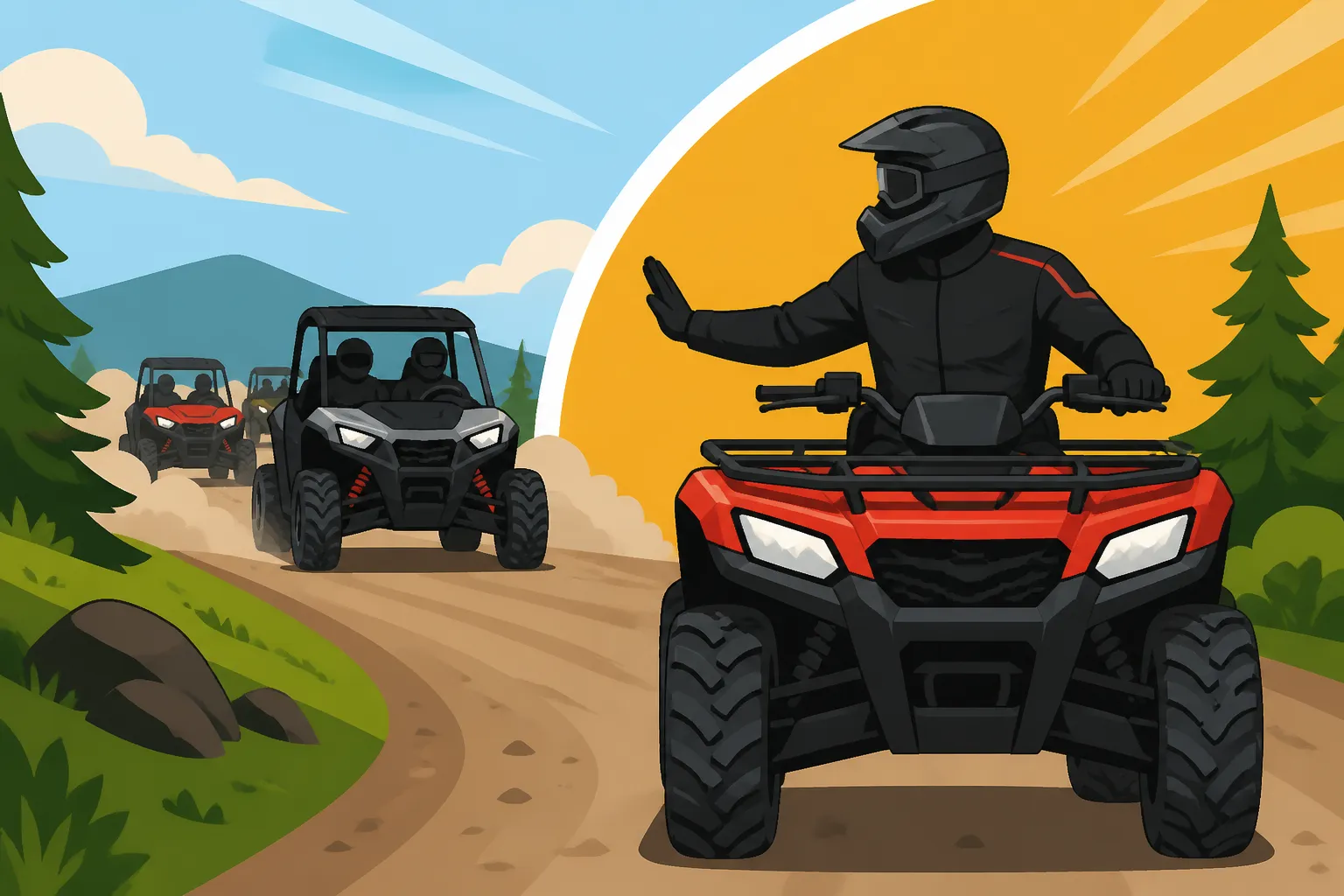
The fundamental principle when sharing any road is courtesy and safety. When you have traffic behind you, the expectation is that [Nova Scotia Riders Yield to Traffic]. This means being proactive and finding a safe opportunity to allow faster-moving vehicles to pass. Look for pull-offs, wide shoulders, or sections of road with good visibility where you can safely move your machine to the side and temporarily stop. A simple hand signal indicating for them to pass can also be helpful, but only when it is absolutely safe to do so.
Remember that [Nova Scotia Riders Travel Single File] on road trails, and [Nova Scotia Riders Must Not Pass] other vehicles unless they are yielding to allow you to proceed. This emphasis on single-file riding and yielding to traffic underscores the "shared use" nature of these routes. You are not meant to impede the flow of traffic any more than necessary. While you are legally operating at 25 km/h, the polite and responsible thing to do is facilitate the passing of other vehicles when safe and practical, rather than forcing them to tailgate or make an unsafe pass.
Strategic Riding to Minimize Impact
Beyond simply yielding, there are strategic ways you can ride to minimize the impact of the 25 km/h limit on other motorists. Firstly, consider the time of day and week you choose to ride on road trails. Riding during off-peak hours, like mid-week mornings or afternoons, can often mean less traffic and fewer situations where you might hold up a line of cars. Weekends and holidays, especially in popular areas, will naturally have more vehicles on the road.
Secondly, maintain constant awareness of your surroundings. Regularly check your mirrors, if your machine is equipped with them (and considering adding them if it's not, perhaps even an aftermarket set from SuperATV designed for utility and visibility). Do quick head checks before slowing down or attempting to pull over. Being predictable in your movements is crucial. Avoid sudden stops or swerving. If you anticipate an area where you might need to slow further or stop, signal your intentions clearly. By being attentive and deliberate, you can make these shared road segments much smoother for everyone involved.
Legal Requirements and Best Practices Beyond Speed
While the 25 km/h speed limit is a major focus, riding on Nova Scotia's road trails involves a comprehensive set of rules and equipment requirements. It's not just about speed; it's about making sure your machine is road-ready and you, as the operator, are fully compliant with provincial regulations.
Essential Equipment for Road Trail Use
Your off-highway vehicle needs to meet specific equipment standards to be legally operated on a road trail. Foremost among these are [Nova Scotia Lighting Requirements]. Your machine must have a working headlight that projects a white light at least 300 feet ahead and a red tail light visible from at least 200 feet from the rear. If you're considering upgrading your lighting for better visibility, look into reliable aftermarket options; even robust units from companies like SuperATV can enhance your safety, provided they meet all the provincial legal specifications.
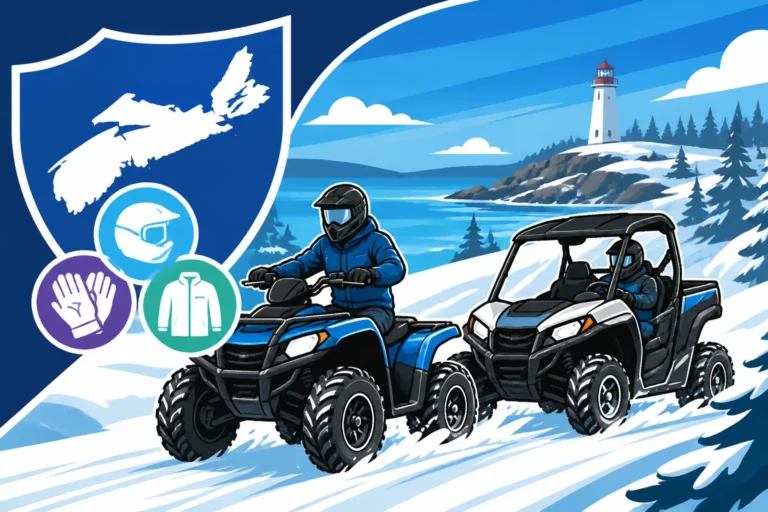
Furthermore, wearing a [Nova Scotia ATV Helmet Law] compliant helmet is mandatory for all riders and passengers on road trails. This isn't just a safety recommendation; it's the law. Your machine must also adhere to [Nova Scotia Noise Limits on a Machine]. Modified exhausts that are excessively loud are illegal and can lead to fines, as they contribute to noise pollution and are a common complaint from residents living near road trails. Ensure your machine’s exhaust system is factory-standard or a compliant aftermarket replacement.
Overall Road Trail Operating Rules
Beyond equipment, there are crucial operational rules that apply to road trails. For instance, [Nova Scotia Road Trail Operating Hours] typically restrict OHV use to between one-half hour before sunrise and one-half hour after sunset, meaning night riding is generally prohibited on these designated road segments. This ensures maximum visibility during daylight hours when shared use is more manageable.
You also need the proper credentials. [Do You Need a Licence for an ATV in Nova Scotia?] for road trail use? Absolutely. A full, valid driver's licence (not a learner's permit) is required to operate an OHV on a road trail. Additionally, [Nova Scotia Requires Registration and Insurance] for any OHV operating on a road trail. Your machine must be properly registered with Access Nova Scotia and carry the provincial minimum liability insurance. Make sure your "pink card" (proof of insurance) is accessible and present on every ride. For a full breakdown, it's wise to familiarize yourself with [Nova Scotia Road Trail Rules Explained] before you head out.
Planning Your Ride for a Smooth Experience
A successful and enjoyable ride on Nova Scotia’s road trails isn't just about what you do when you encounter traffic; it starts with good planning before you even put your helmet on. Knowing where you can ride, understanding the local context, and having your paperwork in order are all vital steps.
Checking Road Trail Designations and Maps
Not all roads are road trails, and identifying which ones are designated can be a bit tricky without the right resources. It’s crucial to know exactly where these connections are located to avoid accidentally riding illegally on a non-designated road. Resources like [Nova Scotia Road Trail Site Lists] and official government maps are invaluable. These lists typically specify the exact segments of roads, often with street names and communities, that are open to OHV traffic.
Additionally, remember that [Nova Scotia Municipal Road Trails] may exist, meaning some communities have their own bylaws or specific designations. What's legal in one county or town might not be in another. Always verify your route with the most current information available, especially if you're exploring a new area. Relying on outdated maps or hearsay can lead to fines or, worse, accidents. A little research before you leave can save a lot of headaches on the trail.
Preparing for Shared Use
Beyond checking your route, mentally preparing for shared use is a significant part of safe road trail riding. Understand that you will encounter cars, trucks, cyclists, and pedestrians. Your machine needs to be in top condition, not just for the off-road segments but for these pavement connections. Check your tires, brakes, and all lights before each ride. Consider adding accessories that improve your visibility, such as a tall flag or reflective elements, even from aftermarket brands like SuperATV, to ensure you are easily seen by other road users.
Finally, always carry your essential documents. This includes your driver's licence, OHV registration, and proof of insurance (your pink card). An officer can request these at any time, and not having them can lead to tickets and delays. [Carrying Papers on a Coastal Ride] is not just good practice, it's a legal requirement. Being fully prepared means you can focus on the ride itself, enjoy the beautiful Nova Scotia scenery, and contribute to a positive perception of OHV use in the province.
Here's a quick reference for Nova Scotia Road Trail Rules:
| Rule Category | Specific Rule | Description |
|---|---|---|
| Speed Limit | 25 km/h maximum | This limit is strictly enforced on all designated road trail segments, ensuring a safe, low-speed environment for all users. |
| Traffic Flow | Yield to other traffic | When traffic builds behind you, find a safe pull-off or wide shoulder to allow vehicles to pass. Do not impede traffic unnecessarily. |
| Formation | Ride single file | OHVs must operate in a single file line on road trails. |
| Passing | Do not pass other vehicles | OHV operators are prohibited from passing other vehicles on road trails, except when another vehicle is yielding to allow you to proceed. |
| Lighting | Headlight & Tail light required | Working headlight (white, visible 300 ft) and tail light (red, visible 200 ft) are mandatory. |
| Helmets | Mandatory for all riders/passengers | All operators and passengers must wear an approved helmet meeting DOT, CSA, Snell, or BSI standards. |
| Operating Hours | Half-hour before sunrise to half-hour after sunset | Generally, road trail use is restricted to daylight hours, meaning no night riding. |
| Licence | Full driver's licence required | A valid, full driver's licence (not a learner's permit) is needed to operate an OHV on a road trail. |
| Registration | Mandatory | All OHVs must be registered with Access Nova Scotia. |
| Insurance | Mandatory (min. $500,000 liability) | Proof of liability insurance (pink card) must be carried at all times. |
| Noise Levels | Factory standard or compliant aftermarket exhaust | Machines must adhere to provincial noise limits. Modified, excessively loud exhausts are prohibited. |
Disclaimer
This article is for general informational purposes only and does not constitute professional advice. Laws, prices and regulations vary by location and change over time. Consult a qualified professional for guidance on your specific situation.