Half an Hour After Dusk
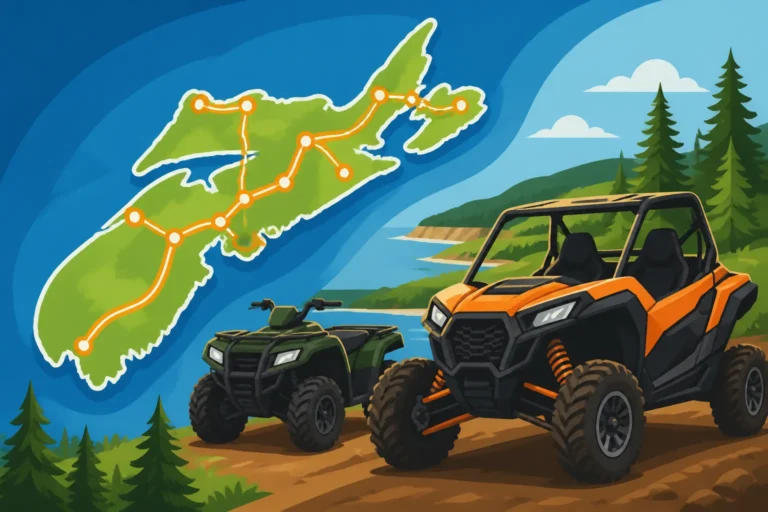
It's incredibly frustrating when you've had an amazing day out on your ATV or UTV, the sun is starting to dip, and you just want to squeeze in a few more kilometres before heading home. Many Nova Scotia riders wonder exactly how late they can push it, especially when it comes to designated road trails and shared corridors. This guide will clarify the specific legal operating hours for off-highway vehicles on Nova Scotia's road trails, ensuring you understand the rules and stay safe when the light begins to fade.
Understanding Nova Scotia's Road Trail Operating Hours
There's a natural urge to extend your ride when the weather is perfect, or you're enjoying the camaraderie of a group. However, when it comes to riding off-highway vehicles (OHVs) on Nova Scotia's designated road trails, the province has very clear rules about when you can and cannot operate. These regulations are in place for the safety of riders, other road users, and the public, especially as visibility decreases.
The "Half an Hour After Dusk" Rule for OHVs
The legal framework for operating ATVs and UTVs on Nova Scotia's road trails specifies a firm cut-off time: you are not permitted to ride from half an hour after dusk until half an hour before sunrise. This isn't just a suggestion; it's a hard and fast rule outlined in the Off-highway Vehicles Act and related regulations. "Dusk" itself can be a bit subjective without a clear definition, which is why the "half an hour after" marker is so crucial. It provides a buffer, acknowledging that true darkness doesn't immediately fall the moment the sun dips below the horizon. The intent here is to minimize the time OHVs are operating on roads during periods of low light, when they become significantly harder to see by other motorists, pedestrians, and cyclists. It’s a common point of confusion for riders, especially those new to the province's expanding road trail network, but it's a rule that officers take seriously for obvious safety reasons.
Implications for Night Riding on Designated Road Trails
This timing restriction means that any recreational night riding on Nova Scotia's designated road trails is simply not allowed. While you might have powerful aftermarket lights installed, perhaps even an impressive LED light bar from a brand like SuperATV, the law dictates when those lights can legally be in use on these specific routes. The road trail system is designed to provide connection points, but it operates under different conditions than private land or even some traditional backcountry trails. The presence of other vehicles, cyclists, and pedestrians on these shared corridors during low light hours significantly increases risk. Therefore, planning your rides to conclude well before this "half an hour after dusk" window is essential for legal compliance and your own safety. While your own private property or certain permitted events might allow for night riding with proper illumination, the public road trails are off-limits after the specified time. Riders should always be aware of [Nova Scotia Road Trail Operating Hours] and plan their adventures accordingly to avoid penalties.
Essential Lighting and Visibility Requirements for Night Riding
Even during legal operating hours, proper lighting and visibility are paramount when operating an off-highway vehicle, especially as daylight fades. While the "half an hour after dusk" rule limits when you can ride on road trails, you still need to be adequately equipped for optimal visibility during the shoulder periods when you are allowed to be out. Failing to have the correct lighting, or having non-functional lights, can be a serious safety hazard and lead to fines, even if you're riding during legal daylight hours.
Headlights: Seeing and Being Seen
Nova Scotia's regulations are very clear about the need for functional headlights on your ATV or UTV. Your machine must be equipped with at least one headlight that emits a white light, clearly visible from a significant distance. Specifically, it must be capable of illuminating objects at least 90 metres (approximately 300 feet) ahead of the vehicle. This isn't just about you seeing the trail; it's crucially about other people seeing you. Imagine coming around a bend on a road trail just as the sun is setting, and another vehicle is approaching. A strong, bright headlight gives them ample warning of your presence. Many factory headlights, while sufficient for basic compliance, can feel inadequate when riding in variable light conditions. For enhanced visibility and a clearer path ahead, many riders choose to upgrade to more powerful LED lights or auxiliary light bars. Quality aftermarket options can significantly improve your ability to see and react to hazards, making your ride safer. You might look to a reputable brand like SuperATV for these kinds of upgrades, ensuring your machine meets or exceeds the basic requirements for visibility. Keeping your headlight lenses clean and ensuring bulbs are working properly are small but critical maintenance tasks. For more details on what's expected, check out [Why Your Headlight Must Show at 300 Feet].
Tail Lights and Reflective Gear for Rear Visibility
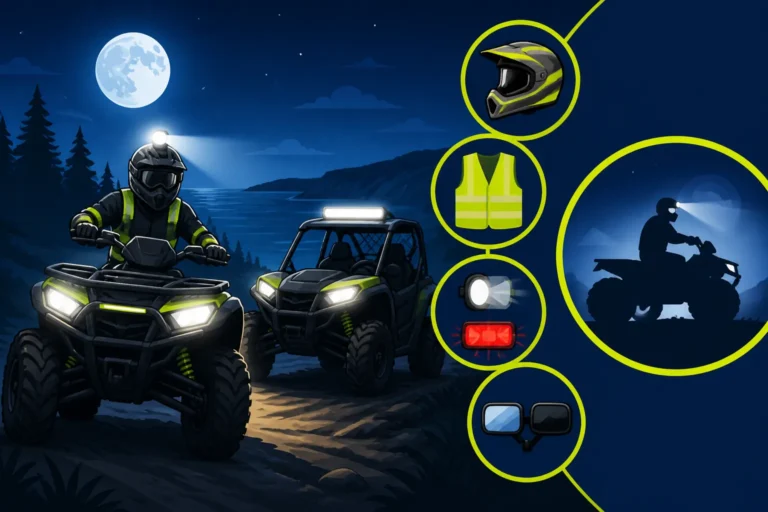
Just as important as seeing where you're going is being seen from behind. Every ATV and UTV operating on Nova Scotia's road trails must have at least one functional tail light that emits a red light. This tail light needs to be clearly visible from a distance of at least 60 metres (approximately 200 feet) to the rear. This is vital for preventing rear-end collisions, especially if you're riding in a group or sharing a trail with other traffic. The red tail light serves as a universal signal that a vehicle is ahead and moving away from you. Beyond the machine's tail light, consider supplementing your visibility with reflective gear. Wearing a reflective vest, having reflective strips on your helmet, or even adding reflective decals to your machine can make a substantial difference. While the law mandates machine lighting, personal reflective gear adds an extra layer of safety, especially as ambient light drops. Think about how a cyclist wears reflective gear – the principle is the same for OHV riders. These measures contribute significantly to rider safety and adherence to [Nova Scotia Night Riding Equipment Rules].
Here's a quick overview of key lighting requirements:
| Component | Requirement | Visibility Distance (Approx.) | Purpose |
|---|---|---|---|
| Headlight(s) | White light, at least one required | 90 meters (300 feet) | Illumination and forward visibility |
| Tail Light(s) | Red light, at least one required | 60 meters (200 feet) | Rear visibility |
| Brake Light(s) | Red light, illuminates when brakes applied (often integrated with tail light) | Visible from reasonable distance | Signals deceleration or stop |
| Reflectors | Often integrated into lighting, or as standalone components | Improves passive visibility | Helps others see you from various angles |
Safety Considerations Beyond the Law When Riding After Dark
While legal compliance is a must, smart riders know that safety extends far beyond simply following the letter of the law. Riding an ATV or UTV in low light conditions introduces a host of challenges that even the brightest lights can't fully mitigate. Being prepared for these extra considerations can make the difference between an enjoyable, safe ride and a problematic one, whether you're on a private trail or navigating a designated road corridor during legal hours.
Reduced Visibility and Increased Hazards
The most obvious challenge when riding in the dark is, of course, reduced visibility. Even with powerful headlights from a brand like SuperATV, your peripheral vision is severely limited, and contrasts disappear. What looks like a shallow puddle in daylight could hide a deep rut or a submerged rock at night. Obstacles like fallen branches, rocks, or washouts become much harder to spot until you're right upon them, leaving you less time to react. Wildlife also poses a much greater threat after dark. Deer, moose, and other animals are often more active at dawn, dusk, and through the night, and their eyes reflecting in your headlights might be the only warning you get. This means slowing down significantly. It's not about how fast your machine can go, but how fast you can safely react to the unseen. Furthermore, other trail users – be they pedestrians, cyclists, or even other OHV riders – can be incredibly hard to see without proper lighting on both sides, making every turn and crest a potential hazard. This is why [Nova Scotia Rules for Riding After Dark] emphasize both good equipment and common sense.
Weather, Fog, and Environmental Challenges
Nova Scotia's unique coastal climate can throw additional curveballs into night riding plans. Fog, especially near the ocean, can roll in quickly and drastically reduce visibility to mere feet. Riding an ATV or UTV through dense fog at night, even at low speeds, can feel like riding blind, disorienting you and making it nearly impossible to judge distances or spot hazards. Rain, which can make trails slick and muddy during the day, becomes even more treacherous at night as puddles hide their true depth and traction is compromised. Dust kicked up by other riders or by your own machine can hang in the air, creating a blinding cloud when illuminated by your headlights. Knowing your route intimately becomes crucial; familiar trails feel safer, but even then, conditions can change rapidly. Always check the weather forecast before heading out, and if conditions are deteriorating, it's always best to call it a day and save the ride for when visibility improves. Planning for these environmental factors is as important as having the right gear, ensuring a safe experience.
Penalties for Non-Compliance and Responsible Riding
Ignorance of the law is never an excuse, especially when it comes to operating an off-highway vehicle where public safety is a concern. The rules around operating hours and lighting aren't arbitrary; they are designed to protect everyone. Failing to adhere to these regulations can have serious consequences, ranging from fines to more severe legal repercussions if an accident occurs. It’s a stark reminder that responsible riding means respecting both the spirit and the letter of the law.
What Happens If You're Caught After Hours or Without Proper Lights
If you're found operating your ATV or UTV on a designated road trail in Nova Scotia outside of the legal operating hours – that is, after half an hour after dusk or before half an hour before sunrise – you could face a significant fine. Enforcement officers are empowered to issue tickets for these infractions. Similarly, operating your machine during legal hours but without the required functional headlights, tail lights, or other necessary equipment (like reflective gear for younger riders) will also result in a fine. These aren't just minor slaps on the wrist; [Nova Scotia Ticket Costs for Riders] can add up quickly, especially if combined with other violations. Beyond the monetary penalty, such incidents can lead to your machine being impounded, or even more severe charges if your actions contribute to an accident or endanger others. Imagine explaining to an insurance company why you were riding without lights after dark. It's a situation no rider wants to be in, and it's entirely avoidable by simply adhering to the rules. Always be familiar with [Nova Scotia Lighting Requirements] to ensure you meet the legal minimums.
Advocating for Safe and Responsible Night Riding
Ultimately, the responsibility for safe riding rests squarely on the shoulders of each individual operator. While specific rules like the "half an hour after dusk" cutoff might seem inconvenient at times, they are part of a larger framework designed to keep our sport enjoyable and sustainable. Clubs and associations, such as the ATV Association of Nova Scotia (ATVANS), work tirelessly to maintain trails and advocate for rider access, but their efforts are undermined when riders disregard regulations. Being a responsible rider means more than just having your machine registered and insured; it means understanding and respecting all the laws that govern OHV use in the province. This includes being properly equipped, knowing [Nova Scotia Road Trails: Where You Can Ride], and always prioritizing safety over convenience or thrill. By choosing to ride responsibly and within the legal hours, you not only protect yourself but also help ensure that these valuable road trails remain accessible for everyone to enjoy for years to come.
Disclaimer
This article is for general informational purposes only and does not constitute professional advice. Laws, prices and regulations vary by location and change over time. Consult a qualified professional for guidance on your specific situation.