Long Sleeves and Gloves Under Sixteen
It's a common concern for parents and guardians in Nova Scotia: how do you ensure your young off-highway vehicle (OHV) enthusiast is not only safe but also riding legally? The rules around youth safety gear can feel like a maze, but understanding the specific requirements, especially for those under sixteen, is absolutely crucial for protecting them on the trails and avoiding potential issues with enforcement. This guide will walk you through Nova Scotia's specific requirements for long sleeves and gloves for younger riders, alongside other essential gear, helping you keep your kids safe and compliant.
Understanding Nova Scotia's Gear Mandates for Young Riders
Navigating the world of off-highway vehicle regulations for youth can be a lot to take in, especially when you're just trying to get your kids out to enjoy the beautiful Nova Scotian landscape safely. It’s not just about picking up any old helmet; the province has specific rules in place to minimize risks for our younger riders. These rules are designed with the unique vulnerabilities of children and teenagers in mind, aiming to provide a basic layer of protection against the scrapes, bumps, and environmental factors they're likely to encounter.
It’s easy to think that if your child is a careful rider, or if they’re just riding on your own property, that some of these rules might be overkill. But the reality is that accidents can happen to anyone, anywhere, and often when least expected. The regulations are a proactive measure, a baseline standard to ensure that every young rider has fundamental protection, regardless of their skill level or the terrain they’re on. It's about setting them up for success and safety from the very first minute they swing a leg over a machine.
The Core Requirement: Long Sleeves and Gloves
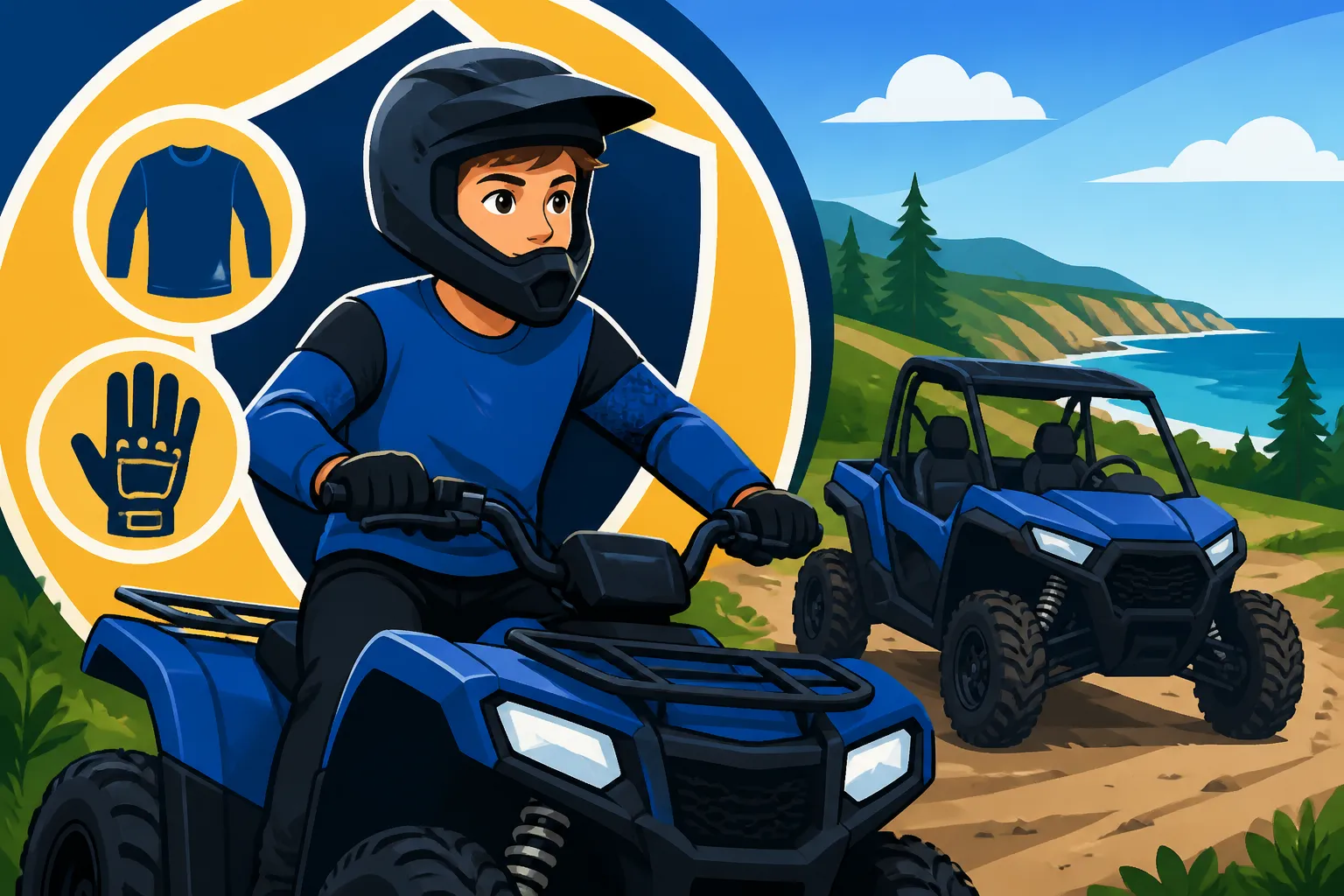
One of the most straightforward, yet often overlooked, requirements for off-highway vehicle operators under the age of sixteen in Nova Scotia is the mandatory wearing of long-sleeved shirts or jackets and gloves. This isn't just a suggestion; it's a provincial regulation designed to provide a critical layer of protection for exposed skin. It's about preventing the common injuries that can turn a fun day out into a visit to the emergency room.
Think about the terrain your child might encounter: brush, branches, flying debris from tires, or even just a simple fall on gravel or dirt. Long sleeves and gloves act as a first line of defense against abrasions, cuts, scrapes, and bruises. They also offer protection from sun exposure, which can be surprisingly intense on an open trail, and help regulate body temperature in changing conditions. While they won't prevent every injury, they significantly reduce the severity of many common riding-related incidents. When selecting these items, prioritize durable fabrics like denim or purpose-built riding jerseys and pants over thin t-shirts, and look for gloves that offer good grip and impact protection, such as those from reputable brands like SuperATV. For more on general youth gear, check out [What a Rider Under 16 Must Wear].
Beyond the Basics: Helmets, Eye Protection, and Footwear
While long sleeves and gloves are key, they're just one part of the mandatory safety ensemble for young riders. Nova Scotia's regulations are quite clear that a comprehensive approach to safety gear is non-negotiable for anyone operating an OHV, especially those under sixteen. The combination of these items works synergistically to protect the most vulnerable parts of the body, offering a much higher degree of safety than any single piece of gear could on its own.
First and foremost, a properly fitting helmet is paramount. It must meet recognized safety standards (like DOT or CSA) and be securely fastened. Head injuries are among the most serious risks in any OHV accident, and a good helmet can be a literal lifesaver. Equally important is eye protection; goggles or a face shield on a helmet are essential to shield eyes from dust, debris, insects, and branches, maintaining clear vision for safe riding. Then there are sturdy boots that cover the ankles – no sneakers or open-toed shoes allowed! These protect feet and ankles from impacts, provide grip on the footpegs, and prevent them from getting caught in moving parts. You can learn more about specific requirements in [Nova Scotia Helmet Law for Riders] and [Eye Protection Under Sixteen] or [Boots Instead of Sneakers].
Why These Rules Matter: Safety First
It can sometimes feel like regulations are just there to make things complicated, but when it comes to off-highway vehicle use, especially involving youth, every rule is rooted in safety. The Nova Scotia government, along with ATV and UTV associations, has spent considerable time studying accident data and understanding the specific risks associated with youth riding. These gear mandates aren't arbitrary; they are carefully considered measures designed to mitigate common injury patterns seen in OHV accidents involving younger operators.
The reality is that kids, by nature, are more prone to taking risks, have developing motor skills, and often lack the full judgment that comes with age and experience. They might push limits without fully understanding the consequences, or react differently in an emergency situation. The protective gear acts as a buffer, giving them a better chance of walking away from minor incidents with just a story, rather than serious injuries. It also sends a clear message about the importance of responsibility and preparedness whenever they engage in this thrilling, yet potentially dangerous, activity.
Protecting Against Common Riding Hazards
Off-roading, by its very nature, involves environments that are less forgiving than paved roads. When a young rider falls, or encounters an unexpected obstacle, the ground is often uneven, rocky, or covered in abrasive materials. Long sleeves and gloves are specifically mandated to protect against these immediate, frictional hazards. Imagine a child's bare arm scraping across gravel or thorny bushes during a low-speed tip-over—the resulting injuries can range from painful rashes to deep lacerations.
Beyond falls, there's the constant barrage of small impacts and debris. Dirt, rocks, and mud can be kicked up by the tires of their own machine or those of riders ahead. Branches and foliage can whip past, leaving scratches or stings. Even insects can be a distraction if they hit exposed skin. Quality riding gear acts as a barrier, absorbing minor impacts, resisting punctures, and keeping irritants away from the skin. It allows the rider to focus on the trail, not on external distractions, thereby reducing the likelihood of an accident caused by a momentary lapse in concentration. This is where investing in robust, purpose-built gear, like some of the highly-rated options available from SuperATV, truly makes a difference.
Instilling Safe Habits from a Young Age
Beyond the immediate physical protection, mandatory safety gear rules play a crucial role in cultivating a culture of safety among young riders. When children are taught from their very first ride that certain gear is non-negotiable, it embeds the principle of preparedness and responsibility deep within their riding habits. It teaches them that operating an OHV is not just a recreational activity, but one that demands respect and careful consideration for personal safety and the safety of others.
This early conditioning goes a long way in shaping their approach to riding as they grow older. It helps them understand that cutting corners on safety gear isn't just risky, it's unacceptable. This foundation can extend to other aspects of their OHV experience, such as proper machine maintenance, respecting trail etiquette, and understanding their own skill limits. Starting with the basics, like ensuring they always have [Long Sleeves and Gloves Under Sixteen], creates a mindset where safety is automatic, not an afterthought. This is an invaluable lesson that will serve them well throughout their entire riding career, both on and off the trails.
Practical Tips for Equipping Your Under-Sixteen Rider
As a parent or guardian, ensuring your young rider is properly geared up can sometimes feel like a financial and logistical challenge. Kids grow quickly, and finding gear that fits well, offers adequate protection, and isn't immediately outgrown can be tricky. However, it's an investment that pays dividends in safety and peace of mind. Approaching gear selection with a thoughtful strategy can make the process much smoother and more effective.
Remember, the goal isn't just to meet the minimum legal requirement; it's to provide the best possible protection for your child. Comfort is also key, as uncomfortable gear can be distracting and even lead to dangerous situations if a child is fidgeting or trying to adjust ill-fitting items while riding. This section will help you navigate the choices and implement strategies to ensure your young rider is always ready for the trail.
Choosing the Right Gear for Comfort and Protection
When it comes to selecting long sleeves and gloves, along with helmets, eye protection, and boots, don't just grab the cheapest option. Think quality and fit. For long-sleeved shirts, look for durable materials that can withstand snags and abrasions. Many purpose-built riding jerseys are designed to be breathable yet protective, offering a good balance for different weather conditions. Layering is also an option – a robust jacket over a lighter long-sleeved shirt can work. For gloves, prioritize those with reinforced palms and knuckles, offering both grip and impact protection. Brands that specialize in off-road accessories often provide excellent options for youth, like the selection you might find from SuperATV, designed for durability and rider safety.
A proper fit is crucial. Gear that's too big can become a hazard, snagging on things or shifting during a fall, while gear that's too small will be uncomfortable and restrict movement. It’s also wise to consider the climate. Nova Scotia's weather can be unpredictable, so breathable fabrics for summer and warmer layers for cooler seasons are important. Always ensure the helmet fits snugly with no excessive movement, and eye protection provides full coverage without obstructing vision. Don't forget sturdy boots that cover the ankle and have good traction. For more information, you might find details in [Nova Scotia Helmet Standards Accepted] and [Nova Scotia Gear Rules for Riders Under 16].
Leading by Example and Ensuring Compliance
Children are incredibly observant, and they often mirror the behavior they see from adults. If you, as a parent or guardian, consistently wear all your safety gear when you ride, your child is much more likely to adopt the same habit without protest. Make it a family rule: no one rides an OHV without the full complement of required safety gear, regardless of age or experience. This creates a strong, consistent message about the importance of safety.
Before every single ride, make it a routine to do a quick gear check with your child. Ask them if they have their long sleeves, gloves, helmet, eye protection, and boots on and properly fastened. Turn it into a habit, not a chore. Explain why each piece of gear is important in simple terms, reinforcing the message of protection. By consistently enforcing these rules and demonstrating safe practices yourself, you're not just ensuring compliance with Nova Scotia's regulations; you're instilling a lifelong commitment to safety that will benefit your child in all their outdoor adventures. Sometimes, even having a pre-ride checklist can help, like the one you might find when discussing [Nova Scotia Registration Paperwork Checklist] for machines, but applied to rider gear.
The Bigger Picture: Youth Riding Rules and Penalties
Understanding the specific gear requirements is a fantastic start, but it's important to place "Long Sleeves and Gloves Under Sixteen" within the broader context of Nova Scotia's regulations for young OHV riders. These rules extend beyond just protective apparel, encompassing age restrictions, supervision mandates, and the serious consequences of non-compliance. It's a comprehensive framework designed to create a safer environment for everyone on the trails.
Ignoring any part of this framework not only puts your child at risk but can also lead to legal trouble, including significant fines. Nova Scotia takes OHV safety very seriously, and enforcement officers are out there ensuring that riders of all ages adhere to the provincial standards. Knowing the full scope of these regulations helps you make informed decisions and ensure that your family's off-roading adventures are both enjoyable and lawful.
Age Restrictions and Supervision Guidelines
Nova Scotia has clear guidelines on who can operate an OHV and under what conditions, particularly for youth. Generally, the minimum riding age is 6 years old, but there are strict rules about engine size relative to the rider's age and weight. More importantly, riders aged 6 to 15 must always be supervised by an adult who is at least 19 years old and has completed an approved OHV safety training course. This supervisor must be present and capable of intervening if necessary, and there are limits on how many younger riders one supervisor can oversee. For more specifics, you can look into [Nova Scotia Minimum Riding Age of 6] and [Nova Scotia Youth Supervision Rules], as well as [Nova Scotia Engine Size Guidance for Youth].
Riders aged 16 and older generally need to hold an OHV safety certificate themselves, even if they don't yet have a full driver's license for a car. This tiered approach recognizes the developmental stages of young people and aims to provide appropriate levels of training and oversight until they gain more experience and maturity. The presence of a responsible adult supervisor is crucial for guiding younger riders, teaching them proper techniques, and reinforcing safe habits on the trail.
The Consequences of Non-Compliance
Failing to adhere to Nova Scotia's OHV regulations, including the mandatory gear requirements for riders under sixteen, can lead to serious consequences. These aren't just minor infractions; they are taken seriously by law enforcement and can result in significant penalties. Officers conducting routine checks on trails or during patrols can issue fines for various violations, including not having the proper safety gear, operating an unregistered machine, or riding without required insurance. You can find more information about fines in [Nova Scotia Fines for an Unregistered Machine].
Beyond the monetary fines, there's the much greater risk of injury. If a child is involved in an accident and isn't wearing the mandated gear—like long sleeves, gloves, or a proper helmet—their injuries are likely to be far more severe. This can lead to long-term health consequences and significant emotional and financial strain on families. The regulations are in place to protect riders, and the penalties serve as a deterrent to encourage compliance, ensuring everyone can enjoy the beautiful Nova Scotian trails as safely as possible. It’s always best to be prepared for [Nova Scotia Equipment Checks by Officers].
Here’s a quick summary of key youth safety gear requirements in Nova Scotia:
| Gear Item | Requirement for Riders Under 16 | Purpose |
|---|---|---|
| Helmet | Mandatory, CSA, DOT, Snell, or BSI approved | Protects against head injury in falls or collisions. |
| Eye Protection | Mandatory (goggles/face shield) | Shields eyes from debris, dust, insects, and branches. |
| Long Sleeves | Mandatory (shirt or jacket) | Protects arms from abrasions, cuts, sun exposure, and minor impacts. |
| Gloves | Mandatory | Protects hands from scrapes, impacts, blisters, and improves grip. |
| Sturdy Footwear | Mandatory (boots covering ankles) | Protects feet and ankles from impacts, provides grip, prevents snagging. |
| Long Pants | Recommended (often mandatory if riding pants) | Protects legs from abrasions, cuts, and environmental elements. |
Disclaimer
This article is for general informational purposes only and does not constitute professional advice. Laws, prices and regulations vary by location and change over time. Consult a qualified professional for guidance on your specific situation.