Factory Noise Levels Only
One of the trickiest balancing acts for any off-highway vehicle (OHV) rider in Nova Scotia is navigating the joy of the trails with the responsibility of being a good neighbour. Nothing sours public opinion faster or brings unwanted attention from authorities quite like excessive noise. This guide will walk you through exactly what "factory noise levels only" means for your ATV or UTV in Nova Scotia, why it matters, and how you can ensure your machine stays compliant and keeps the peace.
The Growing Concern Over ATV and UTV Noise in Nova Scotia
If you've spent any time riding our beautiful Nova Scotian trails, you know that the sound of an engine is part of the experience. But there's a world of difference between the pleasant hum of a well-maintained machine and the piercing roar of an aftermarket exhaust. As more people discover the thrill of off-road riding, and as our communities grow closer to trail systems, the issue of noise pollution from ATVs and UTVs has become a really big deal for everyone involved. It’s not just about a few grumpy neighbours; it's about the sustainability of our sport and the access we all enjoy.
Why Noise Matters to Everyone on the Trails
Let's be honest, we all love the feeling of freedom out on the trails. But that freedom comes with a responsibility to our fellow Nova Scotians, whether they're other riders, hikers, cyclists, or just folks living near a trail. Excessive noise doesn't just annoy people; it can genuinely disrupt daily life. Imagine trying to enjoy a quiet afternoon on your back deck, only to have a continuous drone from a nearby trail. It impacts residents' quality of life, leading to complaints and putting pressure on local municipalities and the provincial government to impose stricter rules.
Beyond human impact, loud machines can also disturb local wildlife. Our natural environments are delicate, and sudden, loud noises can scare animals, disrupt their feeding or breeding patterns, and generally stress them out. We want to enjoy nature, not inadvertently harm it. Then there's the perception of the sport itself. When people hear loud, roaring machines, it often paints off-road enthusiasts in a negative light, making it harder to gain support for new trails or maintain existing access. Ultimately, the future of riding in Nova Scotia hinges on our collective ability to be respectful and responsible. It’s about being part of the solution, not the problem.
The Legal Framework: What Nova Scotia Says About Noise
Nova Scotia has clear regulations in place to address off-highway vehicle noise. The province is pretty serious about ensuring machines operate within reasonable sound limits. The core principle is that your machine should not produce noise above its original factory specifications. This isn't just a suggestion; it's a legal requirement designed to protect communities and the environment. You might be surprised to learn that an officer can pull you over and perform an equipment check, and if your exhaust sounds noticeably louder than stock, you could be facing a fine.
These rules are part of the broader effort to manage OHV use responsibly across the province, fitting into the same regulatory framework that covers everything from registration to insurance. They’re designed to strike a balance: allowing us to enjoy our machines while minimizing negative impacts on others. So, when you're out there, remember that what you hear from your exhaust system could have legal implications. It’s always best to be proactive in ensuring your machine complies.
Understanding "Factory Noise Levels Only"
This phrase pops up a lot in discussions about OHV regulations, and for good reason. It’s the cornerstone of noise compliance in Nova Scotia. But what does it truly mean for you and your machine? It's not just about passing an initial inspection; it’s about maintaining that standard throughout your machine's life.
What Exactly Does "Factory Noise Levels" Mean?
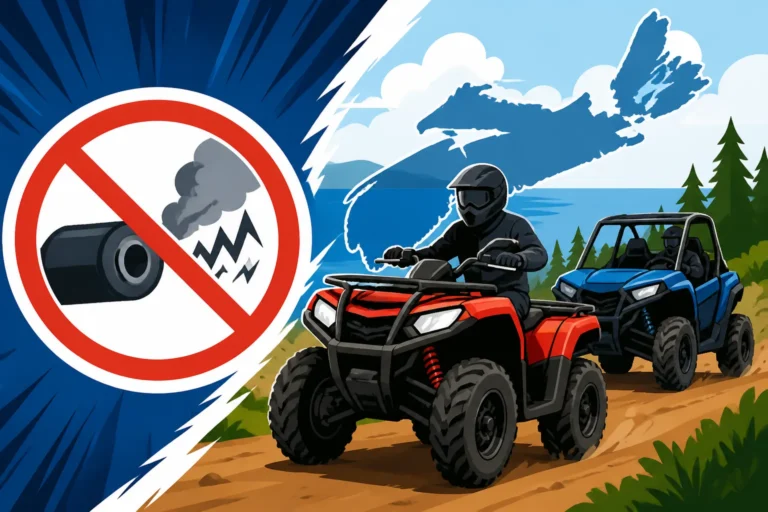
When we talk about "factory noise levels," we're referring to the sound output that your ATV or UTV produced when it originally rolled off the assembly line, equipped with its manufacturer-specified exhaust system. It means the stock muffler, the original catalytic converter (if applicable), and all the components designed by the manufacturer to keep the noise within acceptable limits. It explicitly prohibits modifications that make your machine louder than this original specification. This includes things like removing baffles, drilling holes in the muffler, or installing aftermarket exhausts that aren't specifically designed to meet or exceed OEM (Original Equipment Manufacturer) sound standards.
Think of it this way: your machine was engineered to meet certain sound requirements. Any alteration that bypasses or increases that original sound level is generally not permitted. Some riders might think a louder exhaust makes their machine sound more powerful, but from a regulatory perspective, it's just creating unnecessary noise. If you're ever in doubt, it's better to err on the side of caution and ensure your machine's exhaust system remains exactly as it was designed by the manufacturer. If you need to replace a damaged exhaust, always seek out OEM replacement parts or high-quality aftermarket options that explicitly state they meet or exceed factory sound levels. Companies like SuperATV offer a wide range of parts, but it's always crucial to verify that any replacement exhaust you consider will keep your machine compliant with Nova Scotia's strict noise limits.
The Risks and Consequences of Modifying Your Exhaust
The temptation to customize your machine can be strong, especially when it comes to exhaust systems. A different exhaust can change the sound, and some riders prefer a "sportier" or more aggressive tone. However, the risks associated with modifying your exhaust to be louder than factory specifications in Nova Scotia are significant and far-reaching. First and foremost, you're looking at fines. [What a Modified Exhaust Costs You in Fines] can be substantial, and those penalties can really sting, especially if you get caught multiple times. An officer performing a routine check could easily identify a non-compliant exhaust system, and ignorance of the law is rarely an excuse that holds up.
Beyond the immediate financial hit, there are other consequences. Your machine's registration status could be jeopardized if it's deemed non-compliant, making it illegal to ride on any designated trails or roads where OHVs are permitted. While your registration covers certain fees, it doesn't give you a free pass to ignore other regulations like noise limits. [Nova Scotia Fines for an Unregistered Machine] can be steep, so imagine getting penalized for an unregistered machine and an illegal exhaust modification! Furthermore, in the event of an accident, your insurance coverage could be questioned or even voided if modifications are found to be a contributing factor or a violation of your policy terms. [Nova Scotia Insurance Requirements for Riders] are quite specific, and operating a non-compliant machine could complicate things significantly. It's simply not worth the risk to yourself, your wallet, or your access to the trails.
Keeping Your Machine Compliant and Community-Friendly
Maintaining your OHV to factory noise levels isn't just about avoiding fines; it's about being a responsible member of the riding community and ensuring continued access to our amazing Nova Scotian trails. A little bit of proactive effort goes a long way.
Regular Maintenance and Inspection for Noise Compliance
Even without deliberate modifications, your exhaust system can become louder over time due to wear and tear. Gaskets can leak, baffles can come loose, or corrosion can create holes, all of which will increase your machine's sound output. This is why regular maintenance and inspections are crucial. Make it a habit to visually inspect your exhaust system before and after rides. Look for any cracks, loose connections, or signs of rust that could compromise its integrity. If you notice any changes in sound or see visible damage, address it immediately. Replacing worn-out components with OEM-spec parts, or high-quality aftermarket parts designed to meet original sound levels, is key. When looking for replacement parts, even from companies like SuperATV, ensure they specifically state compliance with original noise specifications.
It's also a good idea to periodically start your machine and listen critically. Does it sound louder than you remember? Does it have any new rattles or hisses? If you're unsure, consult with a reputable mechanic who specializes in OHVs. They can assess your exhaust system and ensure it's operating within its intended sound parameters. Keeping your machine in top mechanical condition not only prolongs its life and enhances safety but also ensures it remains a welcome sound on the trails and within our communities. This is part of responsible ownership, much like ensuring you have [Nova Scotia's Certificate and Vehicle Permit] up-to-date.
Respecting the Peace: Rider Etiquette and Best Practices
Beyond the mechanics of your machine, your riding habits play a huge role in minimizing noise impact. Even a perfectly stock machine can be perceived as loud if ridden aggressively or inconsiderately. One of the most important things we can do as riders is to be mindful of our surroundings, especially when riding near residential areas, campgrounds, or popular hiking trails. Slow down, avoid excessive revving, and try to keep your engine RPMs lower when in sensitive areas. [Nova Scotia Rules for Riding Quietly Past Coastal Homes] specifically highlight the need for this kind of courtesy.
Consider the time of day you're riding. Early mornings or late evenings might be serene for you, but they can be disruptive for others. Adhering to [Nova Scotia Road Trail Operating Hours] is a good start, but common courtesy goes further. When sharing multi-use trails, remember that you're not the only one out there. Acknowledge other trail users with a friendly wave and reduce your speed and noise as you pass. If you encounter a community event or gathering near a trail, be extra considerate. By demonstrating respect and common courtesy, we can foster a positive image for the OHV community, prevent complaints, and help ensure that our beloved trails remain open and accessible for generations to come. Your actions directly contribute to the public's perception of our sport, and that's incredibly powerful.
Noise Compliance: Issues and Solutions
To help you keep your machine compliant, here's a quick overview of common noise-related issues and how to tackle them.
| Issue | Description | Solution |
|---|---|---|
| Aftermarket Exhaust | Replacing the factory muffler with a louder performance exhaust. | Reinstall OEM exhaust. If replacement is needed, choose an aftermarket option explicitly stating it meets factory sound levels. |
| Damaged Muffler/Exhaust Pipe | Cracks, holes, or loose baffles in the exhaust system due to wear or impact. | Repair or replace damaged components with OEM-spec parts. |
| Loose Exhaust Connections/Gaskets | Leaks where exhaust pipes connect, causing excessive noise. | Inspect and tighten all exhaust connections. Replace worn or damaged gaskets. |
| Riding Habits | Excessive revving, high speeds in sensitive areas, riding during quiet hours. | Practice courteous riding: slow down near homes, avoid unnecessary revving, adhere to appropriate riding times, especially on [Nova Scotia Road Trails]. |
| Engine Noise | Sometimes engine mechanical issues can contribute to overall machine noise. | Perform regular engine maintenance. Address any unusual engine noises promptly with a qualified mechanic. |
| Lack of Awareness | Not knowing Nova Scotia's specific noise regulations. | Read up on Nova Scotia's OHV regulations, including [Nova Scotia Noise Limits on a Machine], to ensure full compliance. |
Maintaining your machine to its factory noise levels is not just a regulatory obligation; it's a commitment to responsible riding that benefits everyone. By understanding what’s expected, regularly checking your equipment, and practicing mindful riding etiquette, you'll ensure your ATV or UTV remains a welcome presence on Nova Scotia’s trails and within its communities. Let's keep our adventures loud in spirit, but quiet in practice!
Disclaimer
This article is for general informational purposes only and does not constitute professional advice. Laws, prices and regulations vary by location and change over time. Consult a qualified professional for guidance on your specific situation.