Sharing a Shoulder With Traffic
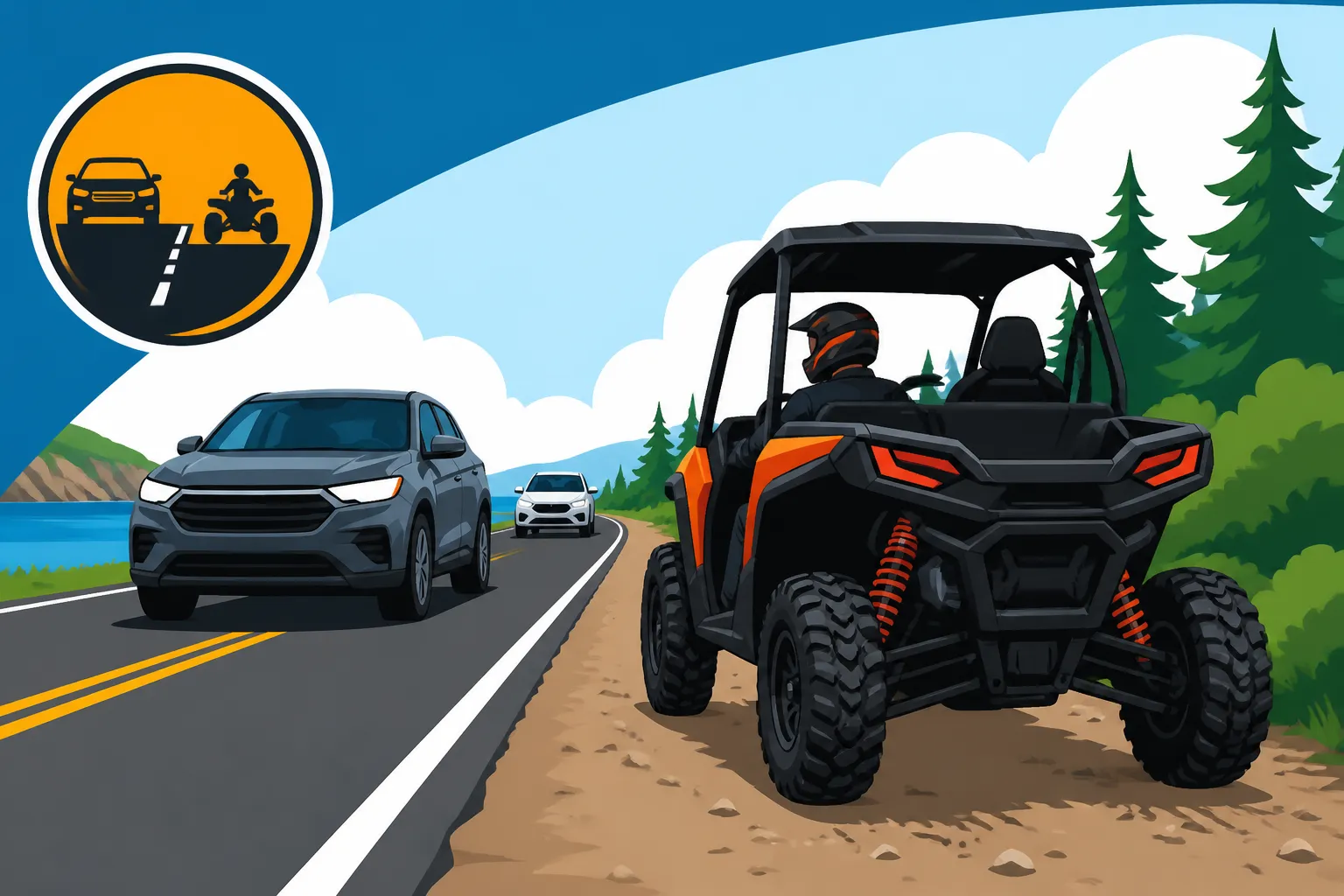
One of the biggest head-scratchers for off-highway vehicle (OHV) riders in Nova Scotia often revolves around where we can and can't ride, especially when it comes to paved roads and their shoulders. It's a common frustration to see what looks like an accessible shoulder only to wonder if you're risking a ticket by simply trying to connect two trail segments or get to the nearest gas station. This guide is all about navigating those tricky grey areas and understanding the rules for sharing road shoulders with traffic in our beautiful province.
Understanding the Landscape: OHVs and Nova Scotia Roads
Let's be real, the very name "off-highway vehicle" implies that these machines are meant for off the highway. However, our province has recognized the need for riders to sometimes use roadways to connect trails, access services, or even just cross from one side to the other. This isn't a free-for-all, though, and it's where the nuances of the law come into play. Many riders assume that if a shoulder is wide enough, it's fair game, but that's often not the case. The rules are specific, and misunderstanding them can lead to fines, frustration, and even danger.
The Nova Scotia Off-highway Vehicles Act and its associated regulations are designed to provide a framework for responsible OHV use, balancing access for riders with the safety of all road users. This framework includes provisions for designated "road trails" and specific conditions under which you might temporarily use a road shoulder. It's a system that's evolved, with pilot projects and expansions aimed at creating more connectivity while maintaining order. The key is to distinguish between a designated route and simply using any available shoulder. [Nova Scotia's Road Trails Act Explained] is the foundational document that lays out these parameters, and it's essential reading for anyone who wants to ride responsibly.
When Shoulder Use Is Permitted: Navigating Designated Routes and Crossings
So, when can you actually ride on a road shoulder in Nova Scotia? It's not as simple as "when there's enough room." The primary legal avenue for OHVs to interact with paved roads, including shoulders, is through designated "road trails" or for specific, limited purposes like crossing a road. Nova Scotia has been working on expanding its network of road trails, which are segments of public roads, including shoulders, that have been explicitly designated for OHV use. These are usually marked with clear signage indicating that OHVs are permitted. If you don't see those signs, chances are you shouldn't be there.
Beyond these designated road trails, there are very specific and limited circumstances where short-term shoulder use might be permissible. For instance, to legally cross a highway or road, you might need to briefly use a shoulder to position yourself safely. However, this is about crossing, not traveling along the shoulder for an extended period. Similarly, there are provisions for riders to access essential services, such as riding to a gas station. [Nova Scotia Rules for Riding to a Gas Station] details these exceptions, emphasizing that such use must be direct, minimal, and for the sole purpose of obtaining fuel or repairs. It's critical to remember that these are exceptions to the general rule that OHVs belong off public roadways.
It's also worth noting that the rules can vary depending on the type of road and who maintains it. Municipalities have some discretion in designating road trails within their jurisdictions. So, what might be permissible in one town might not be in another. Always look for official signage. Trying to connect two segments of a trail that aren't officially linked by a road trail via a shoulder is a common mistake. You might think you're just "bridging a gap," but legally, it could be seen as riding on a highway, which is generally prohibited. The best resource for understanding where these designated routes are is often the provincial government's OHV information, or by checking with local ATV clubs who are actively involved in maintaining and expanding these networks. For a broader view of where you can ride, check out [Nova Scotia Road Trails: Where You Can Ride].
Safety First: Essential Practices for Sharing the Shoulder
Whenever you find yourself legitimately sharing a road shoulder with traffic, safety becomes paramount. It's not just about obeying the law; it's about protecting yourself and others. Traffic on paved roads moves at a much higher speed than you're accustomed to on trails, and your off-highway vehicle is simply not designed for that environment. Visibility is your first line of defense. Ensure your machine has working headlights and taillights, especially if there's any chance of low light conditions. [Nova Scotia Lighting Requirements] are strict for a reason. Adding extra reflective tape to your machine or wearing high-visibility gear can make a huge difference, making you stand out to drivers who might not be expecting an OHV on the shoulder. Many riders opt for accessories like wider mirrors or even amber strobes from brands like SuperATV to enhance their presence, recognizing that being seen is half the battle.
Beyond visibility, your riding behaviour is crucial. When on a designated road trail or performing a legal crossing, stick to the absolute edge of the shoulder, giving as much room as possible to passing vehicles. [Keeping to 25 km/h With Traffic Behind You] isn't just a suggestion; it's a legal speed limit on road trails and a vital safety measure. Riding single file is another non-negotiable rule when multiple machines are using a shoulder or road trail. This minimizes your footprint and makes it easier for drivers to safely pass. Loud exhausts can also be a point of contention, so try to keep noise to a minimum, especially when passing through residential areas. We all love the roar of an engine, but courtesy goes a long way in fostering good relations with other road users and local communities.
Here’s a quick checklist for safe shoulder sharing:
| Safety Aspect | Best Practice | Relevant Nova Scotia Rule / Recommendation |
|---|---|---|
| Visibility | Ensure working headlights/taillights, wear high-visibility clothing (bright colours, reflective strips). Consider aftermarket lighting. | [Nova Scotia Night Riding Equipment Rules], [Nova Scotia Lighting Requirements] |
| Speed | Maintain a slow, controlled speed, never exceeding the posted limit for OHVs on road trails (25 km/h). | [Keeping to 25 km/h With Traffic Behind You] |
| Positioning | Ride as far right on the shoulder as safely possible, maintaining a predictable path. | Yielding to Every Vehicle |
| Formation | Always ride in single file, even with multiple machines. | Nova Scotia Riders Travel Single File |
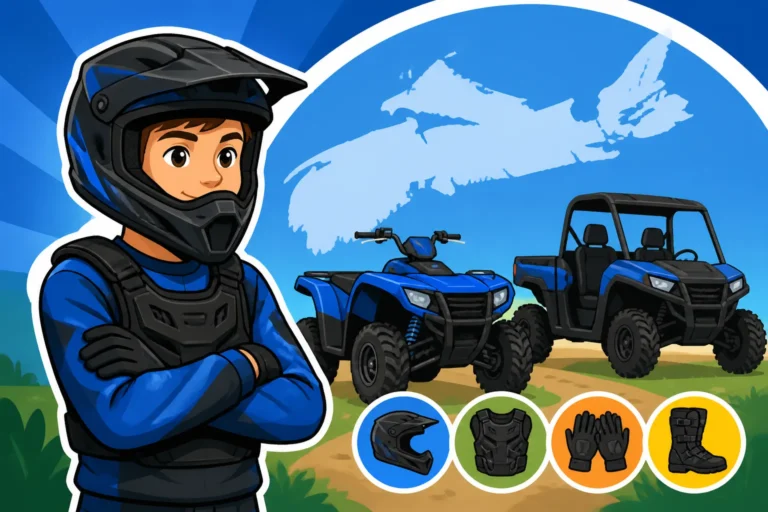
| Equipment | Always wear an approved helmet, eye protection, and appropriate riding gear. | [Nova Scotia Helmet Law for Riders], Nova Scotia Gear Rules for Riders Under 16 (applies to all, good practice) |
| Awareness | Be acutely aware of road traffic, checking mirrors and over your shoulder frequently. | Yielding to Every Vehicle |
| Machine Ready | Ensure your OHV is properly registered and insured. | [Nova Scotia Requires Registration and Insurance] |
Avoiding Pitfalls: Common Misconceptions and Consequences
It’s easy to get confused, and many riders fall into common traps regarding shoulder use. One major misconception is believing that if there's no "No OHVs" sign, it must be okay. This is a dangerous assumption. In Nova Scotia, the default is that OHVs are not permitted on paved public roads or their shoulders unless explicitly signed as a road trail, or for a very specific, limited legal purpose like crossing. The absence of a prohibition sign doesn't grant permission. Always look for positive signage indicating OHV access.
Another pitfall is underestimating the legal and financial consequences of riding illegally on a road shoulder. Police officers are well aware of the regulations, and enforcement can be strict. Riding an unregistered or uninsured machine, or operating one where you shouldn't be, can lead to significant fines. [Nova Scotia Minimum Fine of $250] is just the starting point, and penalties can quickly escalate, potentially including vehicle impoundment. Beyond fines, there's the risk of accidents. If you're involved in a collision while illegally operating on a road shoulder, your insurance coverage could be jeopardized, leaving you personally liable for damages and injuries. This is a heavy price to pay for a momentary convenience.
Furthermore, remember that even on designated road trails, you are subject to road rules, including impaired driving laws. Just as you wouldn't drive a car under the influence, you cannot operate an OHV on a road trail or shoulder after consuming alcohol or drugs. The penalties are severe and can impact your regular driver's license. The whole point of the road trail system and specific rules for crossings is to provide limited, controlled access. Respecting these boundaries not only keeps you safe and out of trouble but also helps maintain the positive relationship between the OHV community and the general public, which is crucial for continued access and future trail development.
Disclaimer
This article is for general informational purposes only and does not constitute professional advice. Laws, prices and regulations vary by location and change over time. Consult a qualified professional for guidance on your specific situation.