Nova Scotia Road Trails in Guysborough
Navigating the ever-evolving landscape of off-highway vehicle (OHV) access in Nova Scotia can feel like trying to find a clear path through a dense Acadian forest. It's especially true when you're keen to explore specific areas like Guysborough County, where the mix of rural charm, stunning coastline, and winding roads beckons riders. This guide is here to shed light on Nova Scotia's road trail system, focusing on what you need to know to safely and legally enjoy the unique experience of riding your ATV or side-by-side on designated routes within Guysborough.
Understanding Nova Scotia's Road Trail System
For years, ATV and UTV enthusiasts in Nova Scotia felt constrained by limited legal access, often relying on informal trails or private land. The province recognized the demand for connecting communities and expanding recreational opportunities, leading to the development of the road trail system. This initiative has been a game-changer for many riders, creating new ways to explore the province's natural beauty and access amenities. It's a structured approach to allowing OHVs on specific, provincially designated public roads, creating a network that was previously unimaginable.
However, it's not a free-for-all. The system operates under strict regulations designed to ensure safety for riders, other road users, and local residents. These aren't just any roads; they are carefully selected routes where OHVs are permitted under specific conditions. Understanding this framework is crucial before you even think about loading up your machine. It's all about responsible access, bridging the gap between existing trail networks and connecting them through communities.
The concept behind these road trails is to create a more integrated and accessible riding experience. Imagine being able to ride from a club trail directly into a small village to grab a bite to eat or refuel your machine, then seamlessly connecting to another trail segment. This is the vision that the road trail system aims to achieve, enhancing the overall OHV tourism and recreational economy in areas like Guysborough County. It's about opening doors, but with clear guidelines.
The Purpose of Road Trails
The primary goal of Nova Scotia's road trail legislation is to provide safe, legal connections for off-highway vehicles, allowing riders to link existing trail networks and access services. Before these designations, riders often faced dilemmas when trails ended abruptly, forcing them to turn back or risk riding illegally on public roads. The road trail system alleviates this pressure, creating designated corridors that facilitate longer, more varied rides. It acknowledges the economic and social benefits that OHV tourism brings to rural communities, including those in Guysborough, by making these areas more accessible to riders.
These connections are particularly valuable in a county like Guysborough, known for its extensive rural road network and picturesque coastal routes. The ability to ride legally between villages, accessing local businesses for fuel, food, or even accommodation, transforms a simple trail ride into an immersive touring experience. It's not just about getting from point A to point B; it's about supporting local economies and fostering a vibrant OHV community. The designated routes are a compromise, balancing the desires of riders with the need for public safety and minimizing impact on residents.
Moreover, the road trail system plays a vital role in trail maintenance and emergency access. By legitimizing certain road segments for OHV use, it also brings them under a clearer regulatory umbrella, making it easier for trail associations and authorities to manage and monitor activity. This structured approach helps ensure that trails are used responsibly and that any issues can be addressed effectively. It’s a win-win, offering riders more freedom while enhancing oversight.
Evolution of the Road Trail Act
The journey to the current road trail system has been a gradual one, evolving through pilot projects and legislative amendments. The province didn't just wake up one day and decide to open all roads; it started with careful deliberation and testing. [Nova Scotia's Road Trails Act Explained] details this evolution. Initially, pilot programs were introduced in specific communities, allowing the government to assess the impact, address concerns, and fine-tune regulations. These pilots were crucial in demonstrating the feasibility and benefits of regulated OHV access on public roads.
The feedback gathered during these pilot phases, including insights from communities similar to those in Guysborough County, directly informed the development of the comprehensive legislation. The goal was to create a system that was both practical for riders and acceptable to local residents. This iterative process shows a commitment to getting it right, understanding that integrating OHVs into existing road networks requires careful planning and a phased approach. The current act reflects years of learning and adaptation, aiming for a sustainable solution.
The ongoing expansion of the road trail network, with plans for more kilometres and connections each year, underscores the province's long-term commitment. This expansion isn't random; it's based on continued assessment of community needs, rider demand, and environmental considerations. For Guysborough County, this means a growing network of legal routes that will only enhance the riding experience over time. It’s an exciting prospect for anyone looking to explore this beautiful corner of Nova Scotia on their machine.
Specific Road Trail Locations in Guysborough
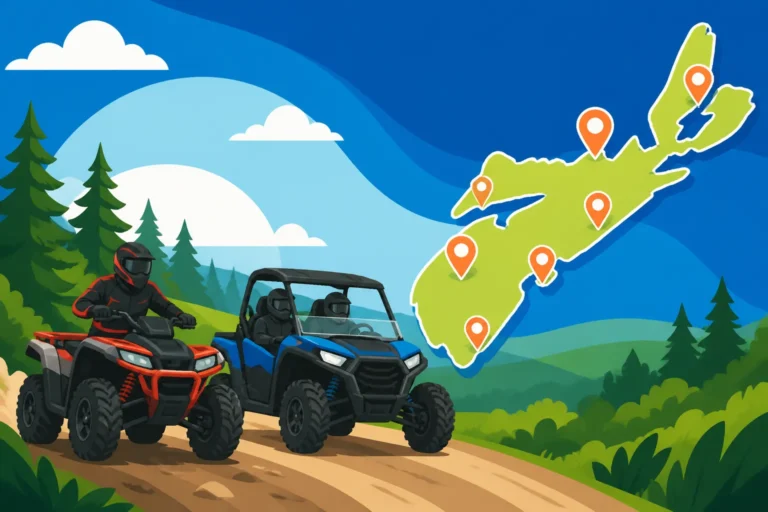
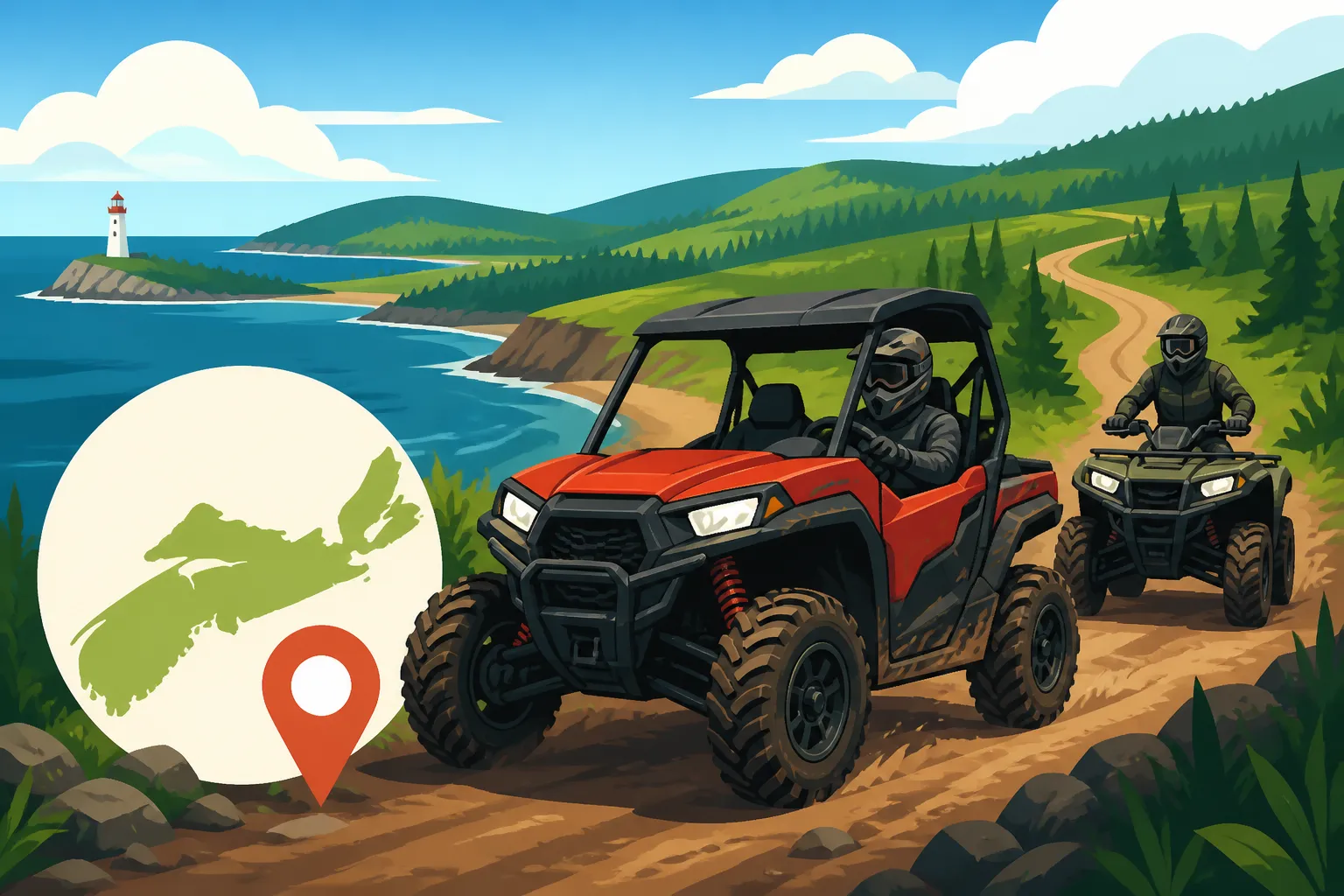
Guysborough County is a jewel on Nova Scotia's Eastern Shore, offering rugged coastlines, picturesque fishing villages, and sprawling woodlands. The road trail system here is designed to complement this natural beauty, providing OHV riders with unique opportunities to experience the region. While the full list of designated roads is extensive and always expanding, some key areas and types of roads are worth noting for those planning a ride in Guysborough. These roads often serve as crucial links between more remote trail segments and the services available in the county's charming communities.
Imagine riding through an area where the sea air invigorates you, and you can pause to admire a lighthouse before continuing your journey to the next small town. This is the essence of riding the road trails in Guysborough. The designated routes carefully weave through the landscape, avoiding high-traffic areas and focusing on more scenic or less-travelled paths. This thoughtful planning helps preserve the peaceful atmosphere of these rural areas while still providing valuable access for riders.
It's always a good idea to consult the most current official maps or resources provided by the provincial government or ATVANS (All-Terrain Vehicle Association of Nova Scotia) for the definitive, up-to-date list of designated road trails. These resources will show you exactly where you can legally ride, helping you plan your route effectively and avoid any accidental detours onto unauthorized roads. Staying informed is key to a hassle-free adventure in Guysborough.
Designated Routes in Guysborough County
Within Guysborough County, specific roads have been identified and designated for OHV use, creating a network that connects communities and provides access to local amenities. For example, in the western part of the county, you might find designated segments around Mooseland Road and Old Guysborough Road, allowing riders to traverse historical gold mining country and access more remote areas. These types of roads are often quieter, less frequently travelled, and perfectly suited for the relaxed pace of an ATV or UTV journey.
Further east, as you explore the coastal beauty, routes connecting areas like Sherbrooke and Port Hilford could be designated. These routes offer stunning views of the Atlantic coastline and allow riders to visit charming villages known for their maritime heritage. Being able to ride between these points means you can experience the unique character of Guysborough County directly from your machine, stopping at local shops or enjoying a meal. [Nova Scotia Municipal Road Trails] often feature these kinds of connections, integrating OHVs into the fabric of the community.
It’s not just about main arteries; the system often includes smaller, less obvious roads that connect trail segments through rural areas. These might be gravel roads, woods roads, or secondary highways that see less traffic. The idea is to create a comprehensive network that maximizes accessibility while minimizing disruption. Always check official signage and maps, as the specific designation of a road for OHV use will be clearly marked, indicating where you can legally ride.
Connecting Communities and Services
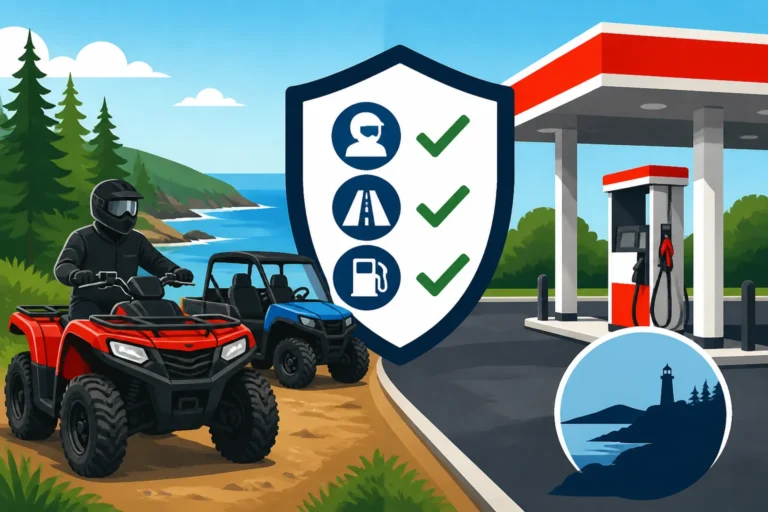
A major benefit of the road trail system in Guysborough is its ability to connect riders to essential services and local businesses. This means you can plan rides that incorporate stops for fuel, food, and even lodging. Imagine starting your day exploring the trails near Port Bickerton Lighthouse, then riding a designated road trail into Sherbrooke to refuel your machine, grab a coffee, and enjoy a stroll through the Historic Sherbrooke Village before heading out again.
This integration is vital for rural economies, as it encourages riders to spend money locally, supporting small businesses that might otherwise see less traffic. It transforms an OHV trip from a purely wilderness experience into one that includes community engagement. For example, if you need a quick repair or a specific part for your machine, being able to ride to a small-town mechanic or hardware store via a designated road trail is incredibly convenient. Even for aftermarket accessories, knowing you can easily access points of interest makes planning easier. Many riders use robust parts from companies like SuperATV, and knowing there are easily accessible local points of sale or mail pickup is always a plus.
The design of these connecting routes often takes into account the availability of these services, ensuring that riders can conveniently access what they need. This thoughtful planning makes a significant difference in the overall riding experience, moving beyond just isolated trail segments to a truly interconnected system. It's about making the entire journey, from start to finish, as enjoyable and seamless as possible for the OHV enthusiast.
Rules and Regulations for Riding Road Trails
Riding off-highway vehicles on designated road trails in Guysborough County comes with a very clear set of rules and regulations. These aren't just suggestions; they are legally binding requirements designed to ensure the safety of everyone on the road, including OHV riders, motorists, pedestrians, and cyclists. Failing to adhere to these rules can result in significant fines and penalties, not to mention putting yourself and others at risk. It’s crucial to treat these designated roads with the same respect and caution you would any public highway.
The provincial government has put these regulations in place to foster a culture of responsible riding. It's about demonstrating that OHVs can coexist safely with other forms of traffic on designated routes. Think of it as a privilege that comes with responsibility. Just because a road is designated doesn't mean you can throw caution to the wind; it means you have an obligation to follow every rule to the letter. [Nova Scotia Penalties for Riding Unregistered] are just one example of the consequences of non-compliance.
Before you even think about putting a wheel on a road trail in Guysborough, ensure you are fully aware of and comply with all aspects of the Off-highway Vehicles Act and its associated regulations. Ignorance of the law is not an excuse. Familiarizing yourself with these rules is the first step towards a safe and enjoyable riding experience in Novaborough County.
General Operating Requirements
When riding on Nova Scotia's designated road trails, whether in Guysborough or elsewhere, there are several key operating requirements that every rider must follow. The most critical is the speed limit: 25 km/h. This limit is strictly enforced and applies to all OHVs on road trails, regardless of the posted speed limit for other vehicles. It's about reducing impact and reaction time, ensuring a safe speed for a machine not designed for highway speeds. [25 km/h on a Road Trail] is a core rule to remember.
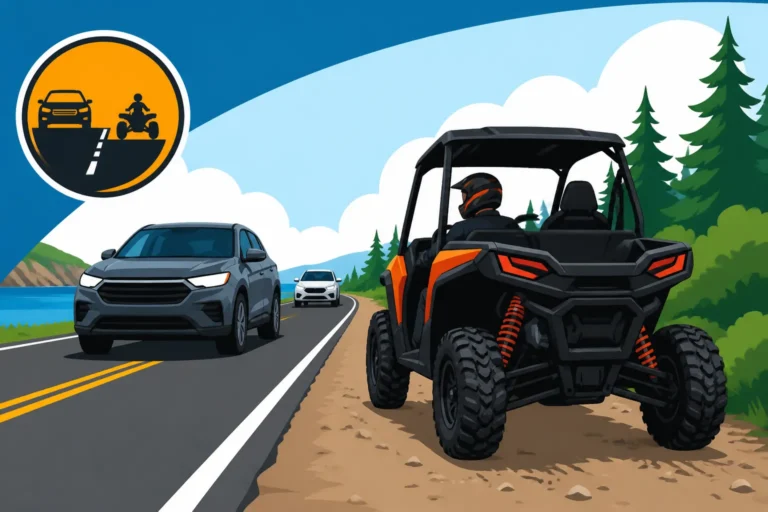
Additionally, riders must always operate their machines in single file and are strictly prohibited from passing other OHVs or vehicles on a road trail. You must yield to all other traffic, whether it's a car, truck, bicycle, or pedestrian. This isn't just polite; it's the law. Your machine must also be properly registered and insured, and you must carry proof of registration and insurance with you at all times. [Nova Scotia Requires Registration and Insurance] is non-negotiable.
| Requirement | Detail |
|---|---|
| Speed Limit | Maximum 25 km/h |
| Formation | Single file only |
| Passing | Not permitted |
| Yielding | To all other traffic (vehicles, cyclists, pedestrians) |
| Registration | Mandatory, proof carried |
| Insurance | Mandatory, minimum $500,000 liability, proof carried |
| Driver's Licence | Full driver's licence required (no learners) |
| Operating Hours | Half an hour before sunrise to half an hour after sunset |
| Helmet | Approved helmet (DOT, CSA, Snell, BSI) always worn |
| Lighting | Headlight (300 ft visibility), tail light (200 ft visibility) after dark |
These rules are in place to minimize potential conflicts and ensure a smooth flow of traffic. Adhering to them demonstrates respect for other road users and helps maintain the social license for OHV access. It's a small price to pay for the privilege of expanded riding opportunities.
Rider and Machine Eligibility
Not just anyone can ride an OHV on a road trail, and not just any machine is permitted. Riders must hold a valid, full driver's licence; learner's permits are not sufficient. This ensures that operators have demonstrated a certain level of driving competency and understanding of road rules. [Do You Need a Licence for an ATV in Nova Scotia?] confirms this. Additionally, riders must be at least 16 years of age, and if under 19, they typically require parental consent for registration and specific training.
Machines themselves must also meet certain criteria. They must be in good working order, with functional brakes, lights, and exhaust systems. Modified exhaust systems that exceed factory noise levels are strictly prohibited. [Nova Scotia Noise Limits on a Machine] are in place to reduce disturbances to residents, especially in communities like those found throughout Guysborough County. Ensuring your machine is well-maintained and compliant is part of responsible ownership.
Furthermore, all riders and passengers must wear an approved helmet (DOT, CSA, Snell, BSI) at all times while on a road trail. Eye protection is also highly recommended. For riders under 16, specific gear requirements, including long sleeves, pants, gloves, and sturdy boots, are mandatory. Passengers are allowed, but they must be at least nine years old and the machine must be designed to safely carry a passenger. [Nova Scotia ATV Helmet Law] and [Nova Scotia Passengers Must Be 9 or Older] cover these critical safety measures. These requirements are for your safety and the safety of those around you.
Planning Your Guysborough Road Trail Adventure
Embarking on an OHV adventure through Guysborough County's road trails requires more than just knowing the rules; it demands careful planning. From understanding the geography to preparing your machine and ensuring you have all the necessary supplies, a well-thought-out trip enhances safety and enjoyment. Guysborough is a sprawling county with diverse terrain, from coastal roads to inland forest paths, so a bit of foresight goes a long way.
Thinking about logistics before you hit the trail can save you a lot of headaches later on. This includes everything from how you're going to get your machine to the starting point to what you'll do in case of an emergency. The beauty of Guysborough is its rural charm, but that also means services can be spread out, and cell phone coverage might be spotty in some areas. These are all factors to consider when mapping out your journey.
Whether you're planning a short day trip or a multi-day excursion, taking the time to plan your route, pack appropriately, and communicate your intentions will make your Guysborough road trail experience much more rewarding. It's about being prepared for anything the Nova Scotia landscape might throw at you, from a sudden change in weather to an unexpected mechanical issue.
Route Mapping and Navigation
Before you even turn the key, grab a map – a physical one, in addition to any digital aids. While Google Maps can be helpful, it often doesn't distinguish between designated OHV road trails and other public roads. You'll need official trail maps from sources like ATVANS or the provincial government that clearly show the authorized road trail segments in Guysborough. These maps are invaluable for plotting a legal and enjoyable course. [Nova Scotia ATV Trail Map Downloads] can be a great starting point.
When mapping your route, consider your starting point and destination, as well as any desired stops for fuel, food, or attractions. Guysborough County offers a variety of scenic detours, from lighthouse visits to historic sites. Plot out where you plan to enter and exit the designated road trails and how you'll connect with existing club trails. Remember the 25 km/h speed limit when estimating your travel times; a 50-kilometre stretch on a road trail will take longer than on a highway.
It's also wise to research potential hazards or closures. Seasonal changes can impact trail conditions; for instance, spring thaw might lead to temporary closures on connecting dirt trails, or heavy rains could cause washouts. Always have a backup plan or an alternative route in mind, especially if you're venturing into more remote areas of Guysborough. Sharing your planned route and estimated return time with someone back home is a good safety practice.
Gear, Supplies, and Emergency Preparedness
Packing the right gear and supplies is paramount for any OHV trip, especially when riding in areas like Guysborough where you might be a fair distance from immediate help. Beyond your helmet and protective riding apparel, consider essentials like a first-aid kit, a tool kit for minor repairs (a flat tire can ruin a day if you're unprepared), and a spare belt. Many riders opt for heavy-duty components from SuperATV to ensure durability on rugged Nova Scotia trails, so having the right tools for those specific parts can be crucial.
Hydration and nutrition are also key, so carry plenty of water and snacks. If you're going to be out for an extended period or in a more remote area, consider packing a small emergency shelter, a fire starter, and a signaling device. While cell phone coverage is improving, there are still dead zones in Guysborough County, particularly in heavily wooded or coastal low-lying areas. A satellite messenger or two-way radio can be a lifesaver for communicating in emergencies. [Cell Dead Zones in the Highlands] is a good article to review to understand the risks.
Always check the weather forecast before you leave. Nova Scotia weather, especially along the coast in Guysborough, can change rapidly. Pack appropriate layers and rain gear, even if the day starts sunny. Being prepared for varying conditions will ensure your comfort and safety. Before you head out, make sure your machine is in excellent mechanical condition. This includes checking tire pressure, fluid levels, brakes, and lights. A pre-ride inspection can prevent many common mechanical issues while you're out on the road trails.
Community Impact and Responsible Riding
The privilege of riding off-highway vehicles on designated road trails in Guysborough County comes with a significant responsibility to be a good neighbour and a respectful user of shared public spaces. The success and expansion of the road trail system rely heavily on the positive conduct of OHV riders. Every time you ride through a community or past a private residence, your actions reflect on the entire OHV community.
It’s not just about following the letter of the law; it’s about embracing the spirit of responsible outdoor recreation. This means actively working to minimize your environmental footprint and ensure that your presence is welcome, not a nuisance. Local residents, other motorists, and landowners often have valid concerns about noise, dust, and safety, and it's up to riders to mitigate these issues through conscious behavior.
By consistently demonstrating respect and adherence to guidelines, OHV riders can strengthen their relationship with local communities in Guysborough and help secure the future of trail access. It's a collective effort, and every rider plays a part in shaping public perception.
Minimizing Disturbances
One of the most common concerns from residents regarding OHVs on road trails is noise. While modern machines are significantly quieter than older models, sound still travels, especially in rural settings. To minimize disturbances, always operate your machine with a factory-compliant exhaust system. Loud, modified exhausts are not only illegal but also create unnecessary friction with local communities. [Nova Scotia Noise Complaints About Quads] are a real issue that can threaten access.
Dust can also be a significant concern, particularly when riding on unpaved road trails during dry periods near homes or businesses. Reduce your speed in these areas to minimize the amount of dust you kick up. If you're riding in a group, spread out slightly to reduce the collective dust cloud. Passing quietly and slowly through populated areas, making eye contact and waving to residents, can go a long way in fostering goodwill.
Respect private property by staying strictly on designated trails and roads. Never trespass onto private land, even if it looks like a shortcut or an interesting detour. Leave no trace; pack out everything you pack in, and if you see litter, pick it up. Your actions contribute to the overall impression of OHV riders, so always strive to leave an area better than you found it.
Supporting Local Communities
Riding the road trails in Guysborough County offers a fantastic opportunity to directly support the local economies of the small towns and villages you pass through. Make a conscious effort to stop at local gas stations, convenience stores, restaurants, and shops. Buying a meal, a snack, or even a souvenir injects money directly into these communities, showing them that OHV tourism is a valuable asset.
Consider becoming a member of ATVANS (All-Terrain Vehicle Association of Nova Scotia) or a local club in the Guysborough area. These organizations work tirelessly to advocate for OHV access, maintain trails, and build positive relationships with landowners and governments. Your membership fees and volunteer efforts directly contribute to the sustainability of the riding opportunities you enjoy. [Nova Scotia Club Membership Benefits] are numerous, from insurance to trail access.
By being a visible, respectful, and economically active participant in the communities you visit, you help to solidify the social license for OHV use on Nova Scotia's road trails. This positive engagement is crucial for the continued growth and acceptance of the sport. It's about demonstrating that OHV riders are responsible tourists and valuable members of the wider community, bringing vibrancy and economic activity to rural Guysborough.
Disclaimer
This article is for general informational purposes only and does not constitute professional advice. Laws, prices and regulations vary by location and change over time. Consult a qualified professional for guidance on your specific situation.