Nova Scotia Rules for Riding in Winter
Ah, winter in Nova Scotia! It brings a unique, breathtaking beauty, but also a fresh set of challenges, especially for those of us who love hitting the trails on our ATVs and UTVs. You've probably found yourself wondering if those crisp, snow-covered paths are open to you, or what extra precautions you need to take when the mercury drops. It can feel like a maze figuring out how the rules adapt to the snow and ice. This guide is here to cut through that confusion, giving you the clear, practical advice you need to ride safely and legally all winter long in our stunning province.
General OHV Regulations That Don't Melt Away in Winter
It’s easy to think that once the snow flies, some of the everyday rules for off-highway vehicles might become a little, well, flexible. But that's a misconception that can lead to some pretty hefty fines and headaches. The truth is, many of the core regulations for ATVs and UTVs in Nova Scotia remain firmly in place, regardless of the season. Winter riding requires not only preparedness for the elements but also a solid understanding that the foundational laws are still your bedrock for legal and safe operation. Ignoring these basics can quickly turn a beautiful winter outing into a costly mistake.
Registration and Insurance Requirements Remain Key
Just because your machine is churning through snow instead of mud doesn't mean it's suddenly exempt from the law. Every off-highway vehicle (OHV) operated in Nova Scotia must still be properly registered with the provincial registry. This isn't just a spring or summer formality; it's a year-round requirement. Think of your registration as your machine's official ID – without it, you're essentially riding an unknown entity in the eyes of the law, which can lead to significant penalties if you're stopped by an officer. You'll want to ensure your annual vehicle permit is current and that you carry proof of registration with you, just as you would during any other season. Checking your expiry date before heading out on a frosty morning is a good habit. You can learn more about [Nova Scotia OHV Registration Cost] to understand the financial commitment involved.
Beyond registration, having valid liability insurance is absolutely non-negotiable for riding your ATV or UTV in Nova Scotia. This isn't a suggestion; it's a legal mandate that helps protect everyone, including you, if an unfortunate incident occurs. Imagine sliding on a patch of black ice, losing control, and causing damage or injury to someone else or their property – without insurance, you'd be personally on the hook for those costs, which can be astronomical. The required minimum liability coverage of $500,000 is there for a reason, providing a crucial safety net. Always carry your proof of insurance, often called a "pink card," when you're out riding, whether it's the dead of summer or the middle of a blizzard. It’s part of your essential winter riding kit, right alongside your warm gloves.
Helmet Laws and Rider Age in Cold Weather
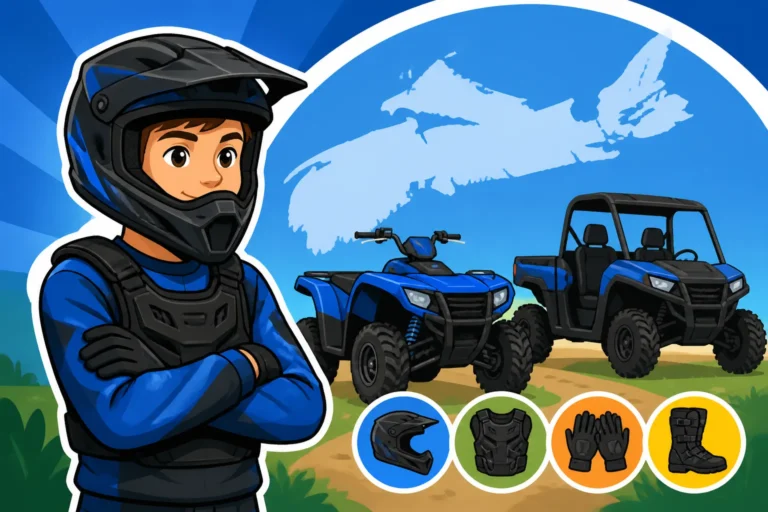
Riding in winter can feel incredibly exhilarating, but the risks remain, and in some ways, they are even amplified by the colder temperatures and potentially harder impacts on frozen ground. This is why Nova Scotia’s helmet laws are strictly enforced year-round, without exception for the winter months. A properly fitted, approved helmet isn't just a piece of gear; it's your primary defense against serious head injury, and absolutely mandatory for all riders and passengers. Make sure your helmet meets recognized safety standards (DOT, Snell, CSA, or BSI are commonly accepted) and is in good condition, even if it feels bulky with your winter layers. Fogging can be a real issue in cold weather, so investing in an anti-fog insert or a good quality breath deflector can make a huge difference for visibility and comfort.
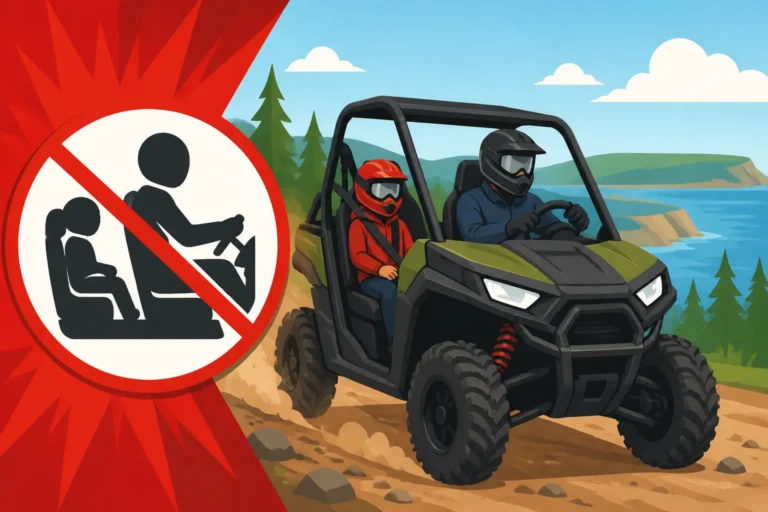
Age restrictions for operating off-highway vehicles also remain in full effect during winter. Generally, the registered owner of an OHV must be 19 years of age, though riders as young as 16 can own and operate an OHV with parental permission and completion of an approved safety course. However, younger riders (between 6 and 15) have specific restrictions regarding engine size and supervision. These rules are designed to protect young, developing riders from environments they might not be ready for. The winter environment, with its added complexities of cold, reduced traction, and sometimes deeper snow, isn't a free pass to bend these age rules. Supervising adults must still be 19 or older and possess a valid safety certificate. If you're looking to renew or take a safety course, you might find details in [Nova Scotia Safety Course Length]. Always refer to the official guidelines for [Nova Scotia Helmet Law for Riders] and age requirements to ensure everyone in your riding group is compliant and safe.
Understanding Road Trail Rules in Snowy Conditions
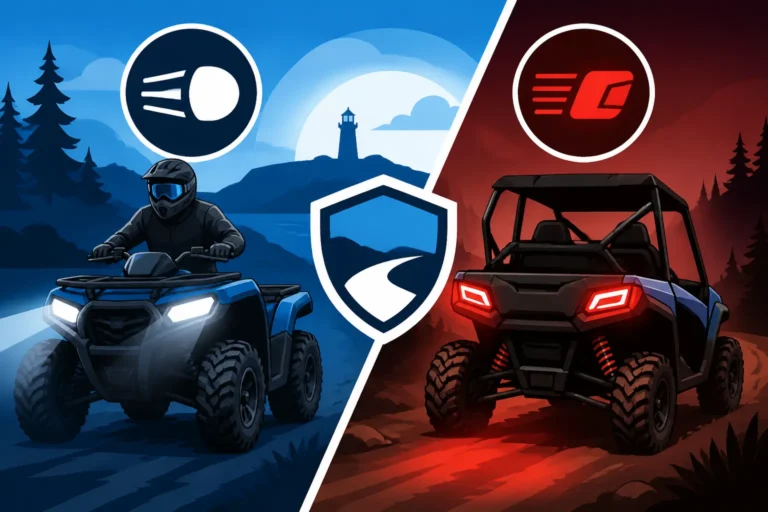
The province's Road Trails Act has opened up exciting new possibilities for connecting trails and accessing amenities. However, these rules don't just magically disappear when snow covers the pavement. In fact, winter conditions can make adherence to these regulations even more critical. The 25 km/h speed limit on designated road trails is still in force, and yielding to all other traffic remains paramount. Visibility can be severely reduced due to blowing snow, shorter daylight hours, and the white landscape itself, so operating with extreme caution is essential. Ensure your machine's headlights and tail lights are fully functional and clear of snow or ice, as proper illumination is a legal requirement and a critical safety feature. Consider adding auxiliary lighting from brands like SuperATV to enhance your visibility to others, especially during dusk or dawn rides.
It’s easy to misunderstand when and where you can actually ride on public roads. Designated road trails are specific segments where OHVs are permitted, often signed clearly. You can't just take to any municipal road or highway shoulder because there's snow on it. Attempting to ride on non-designated roads or controlled-access highways, even if they look clear or seem like a shortcut, is illegal and dangerous. Always be aware of local municipal bylaws that might govern OHV use in winter, as some communities have specific restrictions even on designated road trails. Staying informed about [Can You Ride an ATV on the Road in Nova Scotia?] is crucial for staying on the right side of the law, especially when winter adds another layer of complexity to road conditions.
Tackling Nova Scotia's Winter Trail Network
Nova Scotia's landscape transforms into a stunning winter wonderland, making it an incredibly appealing place to ride. But with that beauty comes a distinct set of challenges and considerations for trail access and etiquette. It's not just about what you can physically do with your machine; it's also about understanding the shared spaces, the natural environment, and the responsibilities that come with enjoying these trails in the colder months. Many trails are managed by clubs and volunteers who work tirelessly, even in winter, and respecting their efforts is part of being a good rider.
Navigating Multi-Use and Snowmobile Trails
When winter blankets Nova Scotia, many of our beloved ATV trails often become shared corridors, most notably with snowmobilers. The province boasts an extensive network of multi-use trails, and while many are open to OHVs year-round, it’s vital to understand that some segments might be primarily groomed for snowmobile use in winter. Always assume a shared trail, especially if it looks well-maintained and packed down. Snowmobile clubs put immense effort and resources into grooming these trails, and riding an ATV or UTV on a freshly groomed snowmobile trail can quickly rut it up and ruin it for others. This can cause significant friction between user groups.
Before you head out, consult with the local ATVANS (All-Terrain Vehicle Association of Nova Scotia) club or the provincial snowmobile association to understand specific trail designations and conditions. Some trails might be specifically signed for snowmobile-only use, or have specific times when ATVs/UTVs are discouraged to preserve grooming. Yielding to snowmobiles, reducing your speed, and being extra considerate of their needs helps foster a positive relationship between all trail users. Remember, the goal is to enjoy the outdoors harmoniously, and this requires understanding and respect from everyone. For more on the extensive network, check out [Nova Scotia ATV Trails: The ATVANS Network].
Riding on Frozen Waterways and Coastal Areas
The allure of riding across a frozen lake or river can be incredibly strong, offering access to views and areas otherwise unreachable. However, this is one of the most dangerous aspects of winter riding, and Nova Scotia has strict rules and safety guidelines regarding ice. It's not just about the thickness of the ice; it's also about the consistency, underlying currents, snow cover, and recent temperature fluctuations, all of which can vary dramatically even within a small area. Generally, it is highly advised against riding on frozen watercourses unless you are absolutely certain of the ice conditions, and even then, extreme caution is necessary. Many local clubs and emergency services strongly discourage it due to the inherent dangers of unpredictable ice.
Similarly, coastal areas offer breathtaking views, but riding on beaches and dunes is strictly prohibited in Nova Scotia. This ban is in place year-round, not just during nesting seasons, due to the fragile ecosystems that exist in these environments. Winter storms can shift sand and expose new areas, but the environmental protections remain. The cold, wet, and often unpredictable conditions along the coast in winter can also be incredibly challenging, with rapidly changing tides, slippery rocks, and deep, cold water presenting significant hazards. It's far better to stick to established trails and respect the natural beauty and fragility of our coastal zones. To understand more about the specific risks, refer to [Nova Scotia Rules for Riding on Ice].
Respecting Private Land and Environmental Sensitivity
Nova Scotia is a patchwork of private and Crown land, and understanding these boundaries is crucial for responsible winter riding. Just like in any other season, riding on private land without explicit permission from the landowner is trespassing. This rule doesn't vanish under a blanket of snow. In fact, snow cover can sometimes make it harder to identify property lines, making pre-ride map checks and careful route planning even more important. A courteous phone call or visit to a landowner can often grant you access and maintain good community relations. Respecting private property helps ensure future access for all riders.
The winter environment, while resilient, is also susceptible to damage, especially from heavy machinery. Riding through sensitive areas like wetlands, bogs, or areas with sparse vegetation, even if frozen, can still compact soil, damage roots, and disturb wildlife trying to conserve energy. Stick to designated trails. Overloading trails with excessive speed or making unnecessary ruts in softer snow can also impact the natural environment and the experience for other users. Being mindful of noise levels, especially when riding near residential areas or wildlife habitats, is also part of being an environmentally conscious rider. Learning about [Nova Scotia Crown Land Riding Rules] can further inform your decisions on where to ride responsibly.
Essential Preparedness for Nova Scotia Winter Riding
Winter riding in Nova Scotia is an incredible experience, but it demands a higher level of preparation and caution than fair-weather excursions. The combination of cold temperatures, shorter daylight hours, and potentially remote conditions means that being well-equipped and ready for anything isn't just a good idea – it's often a matter of safety. Thinking ahead and preparing for the worst-case scenario will ensure that your winter adventures are memorable for all the right reasons.
Must-Have Gear and Machine Modifications for the Cold
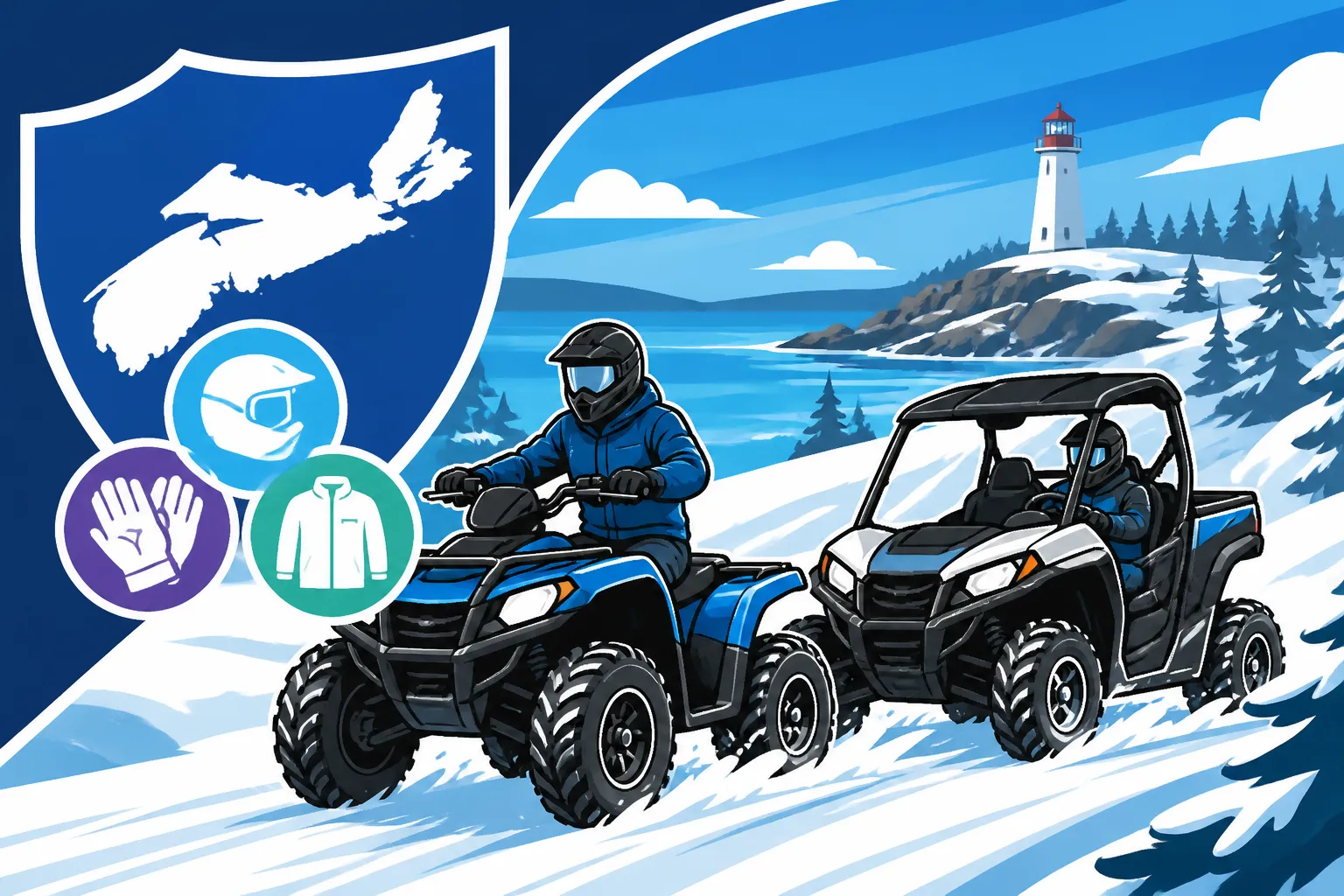
When the temperatures plummet, personal comfort and safety hinge on proper gear. Layering is key: start with moisture-wicking base layers, add insulating mid-layers like fleece, and top it off with waterproof and windproof outer shells. Don't forget insulated gloves or mitts (many riders prefer mitts for warmth, or heated gloves for ultimate comfort), a warm helmet liner, and insulated, waterproof boots that offer ankle support. Balaclavas are essential for protecting your face from biting winds. Your hands and feet are especially vulnerable to frostbite, so investing in high-quality gear here is paramount. Brands like SuperATV offer fantastic options for heated grips and thumb warmers, which can make a monumental difference in comfort during a long winter ride.
Beyond personal gear, your machine needs some winter love too.
A fully charged, healthy battery is critical, as cold weather dramatically reduces battery performance. Consider a battery tender for overnight storage. Check all fluids; ensure your coolant is properly mixed for extreme cold, and consider a lighter-weight oil for easier cold starts. Tires with aggressive treads are helpful for snow traction, but if you're frequently riding in deep snow, a track system can transform your UTV into an unstoppable winter beast. SuperATV, for instance, offers robust track systems that excel in these conditions. A winch is also an absolute necessity for self-recovery if you get stuck in deep snow or mud hidden beneath the white blanket.
Safety Protocols for Unexpected Winter Challenges
The beauty of winter riding comes with increased risks. One of the biggest challenges is rapidly changing conditions. A sunny morning can turn into a whiteout blizzard in a matter of hours. Always check the weather forecast before you leave and be prepared to turn back if conditions deteriorate. Visibility is often reduced, so riding at a safe, controlled speed is essential, especially when going around corners or over rises. Always assume there could be another rider, a snowmobiler, or even wildlife around the next bend.
When planning your route, consider the terrain and potential hazards. Snow can hide rocks, fallen logs, or unexpected dips, so know your trail. Riding with a partner or in a group is highly recommended in winter. There’s safety in numbers, and if someone gets stuck or injured, help is immediately available. Carry a fully charged cell phone (in a waterproof bag, close to your body to keep the battery warm) and ideally, a satellite messenger or GPS device for areas without cell service. Ensure someone at home knows your route and expected return time. Regular checks of your machine throughout the ride – tires, lights, fluid levels – are also prudent. You might want to consider the advice on [Packing for a Full Day on a Coastal Trail], as many of those principles apply even in winter.
Emergency Preparedness and Communication
In the unfortunate event of a breakdown or accident in winter, being prepared can literally save lives. Your emergency kit should be more comprehensive than for summer rides. This includes a first-aid kit, a tow strap, a small shovel, a fire starter, extra fuel, basic tools, and enough high-energy food and water for everyone in your group. Crucially, pack extra warm clothing, blankets, or even an emergency bivvy sack. If you have to wait for help, staying warm is paramount.
Communication devices are your lifeline. While cell phones are useful, they can lose service in remote areas and drain battery quickly in the cold. A portable power bank for your phone is a good idea. Consider a two-way radio for group communication or, for true wilderness areas, a satellite messenger like a Garmin inReach or Spot device. These allow you to send SOS messages and communicate with emergency services even when out of cell range. Knowing how to use these devices before you need them is critical. Finally, make sure at least one person in your group has some basic wilderness first aid knowledge. Understanding [Nova Scotia Lighting Requirements] will also help you prepare for the inevitably shorter daylight hours of winter.
| Category | Winter Riding Checklist Item | Why It's Important in Winter |
|---|---|---|
| Personal Gear | Layered Clothing | Manages body temperature, wicks moisture, provides insulation, wind/water protection. |
| Insulated, Waterproof Boots | Prevents frostbite, provides grip on slippery surfaces. | |
| Heated Gloves/Mitts & Liner | Essential for preventing frostbite and maintaining dexterity. | |
| Balaclava/Neck Gaiter | Protects face and neck from windburn and cold. | |
| Approved Helmet with Anti-Fog | Mandatory for safety; anti-fog improves visibility in cold/humid conditions. | |
| Machine Prep | Strong, Charged Battery | Cold weather severely impacts battery performance; reliable start-ups are crucial. |
| Proper Coolant Mix | Prevents engine freezing and ensures optimal operating temperature. | |
| Aggressive Tread Tires/Track System | Improved traction in snow and ice, or transformative deep-snow capability. | |
| Functional Head/Tail Lights | Shorter daylight and reduced visibility; a legal and safety necessity. | |
| Winch with Synthetic Rope | Essential for self-recovery from getting stuck in deep snow or hidden obstacles. | |
| Safety & Emergency | GPS/Satellite Messenger | Critical for navigation and emergency communication in areas without cell service. |
| First-Aid Kit (Winterized) | Addresses injuries; include items for hypothermia/frostbite. | |
| Tow Strap/Shovel | Recovery from stuck situations. | |
| Extra Fuel | Increased fuel consumption in cold, and longer recovery times. | |
| Fire Starter/Emergency Shelter | For warmth and survival in case of prolonged breakdown/stranded situation. | |
| High-Energy Food & Water | Sustains energy; stay hydrated even in cold. |
Disclaimer
This article is for general informational purposes only and does not constitute professional advice. Laws, prices and regulations vary by location and change over time. Consult a qualified professional for guidance on your specific situation.