Boots Instead of Sneakers
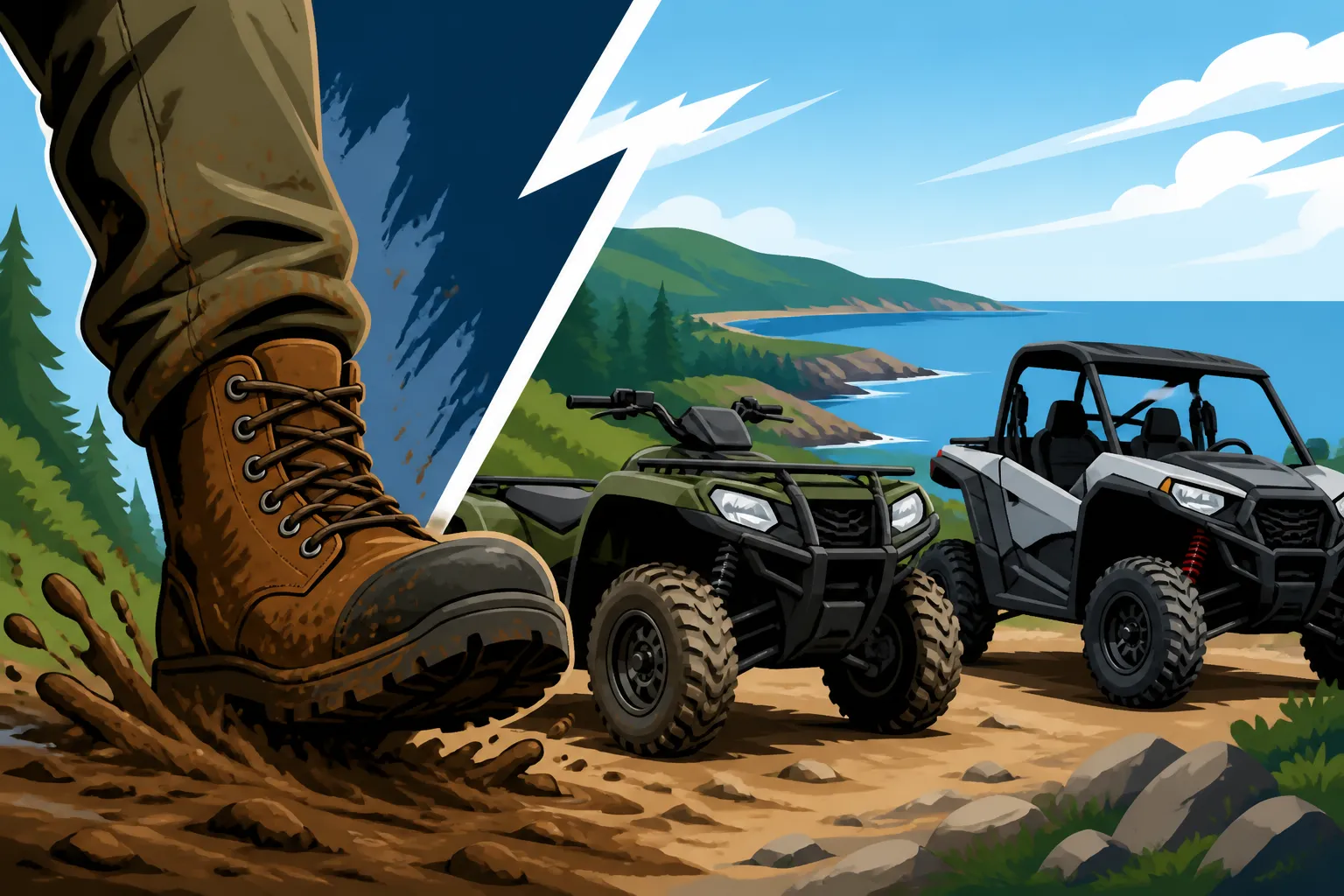
It's easy to get caught up in the excitement of a ride, whether you're tackling muddy backwoods trails or cruising along one of Nova Scotia's expanding road trail networks. But many riders make a critical mistake right from the start: their footwear. Pulling on sneakers or canvas shoes for an ATV or UTV adventure is like bringing a spoon to a knife fight – it just doesn't offer the protection or control you truly need. This guide will walk you through why choosing proper boots over flimsy footwear is absolutely essential for your safety, comfort, and control on any Nova Scotia off-highway vehicle journey.
Why Your Footwear Matters More Than You Think on Nova Scotia Trails
When you're out riding, your feet are constantly working. They're absorbing bumps, maintaining balance, providing grip on the footpegs, and often helping you shift gears or apply the brake. Casual footwear simply isn't designed for this kind of dynamic, demanding environment. Overlooking proper boots is a common oversight that can lead to anything from minor discomfort to serious injury, especially when traversing the diverse and often unpredictable terrain found across our beautiful province.
The Hidden Hazards of Open and Soft Footwear
Imagine cruising through a lush Acadian forest when suddenly your quad hits a hidden rock, or you need to put a foot down quickly to stabilize a side-by-side. If you're wearing sneakers or, heaven forbid, sandals, your feet are vulnerable. Open-toed shoes offer no protection against jagged rocks, thorny bushes, or stray branches that can easily catch your foot. Even closed-toe sneakers are often made of soft, breathable fabric that provides almost no resistance against impacts, punctures, or crushing forces.
Beyond the immediate hazards of impact and abrasion, think about the environment itself. Mud, standing water, and engine heat are all part of the riding experience. Sneakers soak up moisture, leaving your feet cold and uncomfortable, or worse, blistered. The intense heat generated by your machine's engine and exhaust can transfer through thin shoe soles, leading to burns. Furthermore, if you're ever in a situation where you need to dismount quickly on uneven ground or a slippery surface, that lack of protection and grip can turn a minor mishap into a significant injury. These are real concerns, whether you're exploring the [Nova Scotia ATV Trails: The ATVANS Network] or just moving a machine around your property.
Impact on Control and Stability
Proper control of your ATV or UTV starts from the ground up – literally, with your feet. The textured footpegs on an ATV, or the floorboards in a UTV, are there to provide a stable platform. Sneakers and other soft-soled shoes often lack the rigid sole and deep tread patterns necessary to maintain a secure purchase on these surfaces. This can lead to your feet slipping off the pegs, especially when hitting bumps, cornering aggressively, or riding through rough patches. Losing footpeg contact can throw off your balance, compromise your steering input, and even lead to you coming off the machine.
Imagine trying to shift gears on an ATV with a flimsy sneaker sole; you might miss a shift or experience discomfort. For side-by-sides, while you're usually not shifting with your foot, the need for stable footing remains crucial. Quick maneuvers, braking, or even just absorbing chatter from a rough trail all demand a solid connection between your feet and the machine. Good boots provide that consistent, reliable connection, enhancing your overall control and confidence, which is vital when navigating everything from tight turns on a wooded trail to the varied surfaces of a [Nova Scotia Road Trails: Where You Can Ride].
Nova Scotia's Diverse Riding Environments Demand Robust Footwear
From the red clay trails of central Nova Scotia to the rocky coastal paths of Cape Breton, our province offers an incredible variety of riding terrain. Each environment presents its own unique challenges for footwear. During the spring thaw, trails can become a muddy mess, demanding waterproof and grippy boots. In the drier summer months, sharp gravel, roots, and sun-baked earth are common. Even when riding on sanctioned road trails, where pavement and gravel roads are part of the route, you're not immune to needing robust protection; debris from other vehicles or unforeseen potholes can still pose a risk.
Consider the transition: you might be navigating a deeply rutted logging road one moment and then pulling onto a paved section of a road trail the next. This constant change in surface requires footwear that can handle it all – offering excellent grip on varied textures while protecting your feet from environmental elements and potential impacts. Relying on inadequate footwear not only puts you at risk but also diminishes your enjoyment of Nova Scotia's spectacular landscapes.
What Makes a Good ATV/UTV Riding Boot for Nova Scotia?
Choosing the right boots isn't just about finding something that looks rugged; it's about specific features designed for the demands of off-highway vehicle riding. You need footwear that works as hard as your machine does, offering a blend of protection, comfort, and functionality. Think of your boots as an extension of your machine's safety features, just as important as your helmet and gloves.
Key Features to Look For in Your Riding Boots
When you're shopping for boots, don't just grab the first pair that fits. Look for these essential characteristics:
- Ankle Support: This is non-negotiable. Twisting an ankle on a rough trail or during an unexpected dismount is incredibly easy. Good riding boots feature stiff, reinforced ankle support that helps prevent lateral movement and protects against impact. High-top design is a must to cover and support this critical joint. This is especially important for the quick, often unpredictable movements required when riding an ATV or UTV.
- Sturdy Sole with Good Grip: The sole needs to be rigid enough to prevent your foot from bending around the footpegs, which can cause discomfort and fatigue over time. More importantly, it must have an aggressive, non-slip tread pattern that provides excellent traction on a variety of surfaces – wet footpegs, muddy ground, slippery rocks, or even pavement if you're crossing a road. Look for oil and slip-resistant compounds. You can also explore aftermarket options like SuperATV footpegs, which often offer enhanced grip, making your boots even more effective.
- Durable Material and Construction: Your boots will take a beating. They'll be exposed to mud, water, dust, branches, and impacts. Quality riding boots are typically constructed from tough, abrasion-resistant materials like full-grain leather, reinforced synthetic leather, or advanced textile blends. Reinforced stitching, durable closures (buckles, zippers, laces with protective covers), and a robust construction mean your boots will stand up to the rigours of Nova Scotia riding. Waterproofing is a huge plus, ensuring your feet stay dry through puddles and unexpected rain showers.
- Toe and Heel Protection: The front and back of your feet are highly vulnerable. Good boots will feature reinforced toe boxes, often with steel or composite materials, to protect against crushing injuries from impacts with rocks, logs, or even the machine itself. A sturdy heel cup also adds protection and helps keep your foot securely in place within the boot. These protective elements are crucial for minimizing injury in case of a mishap.
Types of Boots and Their Suitability for Nova Scotia
Not all boots are created equal, and different styles offer varying levels of protection and comfort. Understanding the distinctions can help you make the best choice for your riding style:
- Dedicated MX/Off-Road Boots: These are the heavyweights of off-road footwear. They offer the highest level of protection with extremely rigid construction, extensive armour plating, and robust ankle support, often featuring an internal hinge system. While superb for aggressive riding, racing, or tackling truly extreme terrain, their stiffness can make walking uncomfortable for extended periods. If your Nova Scotia riding is primarily about pushing limits on challenging trails, these are an excellent choice.
- Adventure/Dual-Sport Boots: These boots strike a fantastic balance between protection, comfort, and walkability. They offer significant ankle and impact protection, often with waterproof membranes, making them ideal for riders who mix serious trail riding with longer journeys that might include paved sections or stops in towns. They're more flexible than MX boots, making them comfortable for walking around a trailside lunch spot or exploring a scenic lookout. For the diverse riding experiences found in Nova Scotia, these are often a fantastic all-around option.
- Work Boots/Hiking Boots (with caveats): While certainly better than sneakers, most standard work or hiking boots aren't specifically designed for ATV/UTV riding. They often lack the dedicated ankle support, impact protection, and specific sole grip patterns needed for optimal control on footpegs. However, a high-quality, sturdy pair of leather work boots with good ankle support and a slip-resistant sole can serve as a decent entry-level option, particularly for utility work or very casual riding. Just be aware of their limitations compared to purpose-built riding boots. They're definitely a step up from wearing regular shoes, but don't offer the same peace of mind or protection.
| Footwear Type | Ankle Support | Sole Grip | Impact Protection | Weather Protection (Typical) | Best Use Case (Nova Scotia) | Not Recommended For |
|---|---|---|---|---|---|---|
| Sneakers/Sandals | Minimal | Varies | Very Low | Minimal | Walking around camp | Any riding, trails, roads, work |
| Hiking Boots | Moderate | Good | Low-Moderate | Varies | Light trail riding, walking | Aggressive riding, long tours |
| Work Boots | Good | Good | Moderate | Varies | Utility/farm work, some riding | Dedicated sport riding, long tours |
| Adventure Boots | Good | Excellent | Good | Often Waterproof | Mixed trail & road, touring | Extreme MX racing |
| MX Race Boots | Excellent | Excellent | Excellent | Limited | Aggressive trail/track, challenging trails | Extended walking, casual use |
Nova Scotia Regulations and Best Practices for Footwear
Navigating the rules for off-highway vehicles in Nova Scotia can sometimes feel like a bit of a maze, but when it comes to personal protective equipment, the message is consistently about safety. While specific legislation might not always dictate "you must wear boots," the spirit of the law, especially concerning youth riders, strongly implies the need for robust footwear.
What the Law Says and Implies
The Nova Scotia Off-highway Vehicles Act focuses heavily on safety, particularly for younger riders. For example, the [Nova Scotia Gear Rules for Riders Under 16] clearly state requirements for wearing a helmet, eye protection, and long-sleeved shirts, long pants, and gloves. While it doesn't explicitly say "boots," the intent is to provide full body protection against abrasion and impact. It's universally understood that open-toed shoes or flimsy sneakers do not meet the standard of protection implied by "long pants" and "gloves" for preventing injury. An officer concerned about your safety might certainly point out inadequate footwear as a contributing factor to unsafe riding practices.
Furthermore, when discussing general safe operation on [Nova Scotia Road Trail Rules Explained], the underlying expectation is that riders are equipped to handle the machine safely and competently. This inherently includes appropriate footwear to maintain control and prevent injury. While you might not receive a direct ticket for "boots instead of sneakers," improper gear can absolutely factor into an officer's assessment of reckless operation, especially if an accident occurs. Think of it this way: just as a [Nova Scotia Helmet Law for Riders] protects your head, proper boots protect your feet.
Beyond the Regulations: Why Personal Safety is Paramount
Even if a particular regulation doesn't specifically mention boots, personal safety should always be your top priority. The reality of off-road riding is that falls, impacts, and unforeseen circumstances are always a possibility. Investing in quality boots is an investment in preventing painful injuries that could sideline you from riding for weeks or months. Broken ankles, crushed toes, and deep lacerations are all too common when riders forego proper footwear.
Think about the long-term enjoyment of the sport. A serious foot injury not only brings immediate pain and medical bills but can also impact your daily life, work, and ability to pursue other hobbies. Your off-highway vehicle is a powerful machine, and respecting that power means equipping yourself with the best possible protection. This is part of the overall culture of responsibility that organizations like ATVANS promote across the province. You wouldn't think of riding without checking your [Nova Scotia Insurance Requirements for Riders] or ensuring your machine is registered to avoid [Nova Scotia Penalties for Riding Unregistered]; your personal safety gear deserves the same consideration.
Practical Tips for Choosing and Maintaining Your Boots
Finding the right boots and keeping them in top shape will extend their life and ensure they continue to protect you ride after ride:
- Try Before You Buy: Always try on boots with the kind of socks you'd normally wear for riding. Walk around in them, flex your ankles, and imagine how they'll feel on your machine. Ensure there's no pinching or excessive pressure points.
- Sizing Matters: Don't assume your street shoe size will translate perfectly. Different brands and styles can fit differently. Aim for a snug fit that holds your foot securely without being too tight, allowing for full range of motion at the ankle (within the boot's design parameters).
- Break Them In: New boots, especially stiffer MX or adventure styles, will need a break-in period. Wear them around the house or for short walks before embarking on a long ride. This helps the materials conform to your feet and reduces the risk of blisters.
- Clean and Condition Regularly: Mud, dirt, and moisture can degrade materials over time. Clean your boots after each dirty ride, especially if they're leather, and apply appropriate conditioners to keep them supple and prevent cracking. For waterproof boots, ensure any membranes are cleaned gently.
- Inspect for Damage: Before each ride, quickly inspect your boots for any signs of wear and tear, such as loose buckles, compromised stitching, or cracks in the sole. Minor issues can often be repaired, but significant damage might mean it's time for a replacement.
- Consider Aftermarket Enhancements: While boots are your primary defense, sometimes accessories can help. For instance, SuperATV offers various robust floorboards and footwells for UTVs that provide excellent traction and protection, complementing your chosen boots perfectly. These kinds of additions can enhance the overall safety and comfort of your ride throughout the [Nova Scotia Riding Season Month by Month].
The Investment in Your Safety and Comfort
When you look at the price tag on a good pair of riding boots, it might seem like a significant expense. However, it's crucial to view this not as a cost, but as an investment in your safety, comfort, and the longevity of your riding enjoyment. The alternative—medical bills, lost time from work, and enduring pain—can be far more expensive and impactful in the long run.
Cost vs. Benefit: A Clear Choice
Let's be realistic: a decent pair of purpose-built ATV or UTV riding boots will cost more than a pair of sneakers. However, consider the potential cost of an injury that could have been prevented by those boots. A trip to the emergency room, X-rays, casts, physiotherapy, or even surgery for a broken ankle can easily run into thousands of dollars, not to mention the personal toll of pain and immobility. When you look at the total [Nova Scotia Total Cost of a Riding Season], the price of good boots pales in comparison to the expenses associated with a serious injury.
Beyond the financial aspect, there's the invaluable benefit of comfort and confidence. Knowing your feet are well-protected allows you to focus on the trail, enjoy the scenery, and ride with greater skill and assurance. This improved experience is priceless and contributes significantly to your overall enjoyment of the sport.
Where to Find Quality Riding Boots
You have several options when it comes to purchasing quality riding boots in Nova Scotia. Local powersports dealerships often carry a selection of reputable brands and can offer expert advice on sizing and fit. Sporting goods stores with dedicated outdoor or motorcycle sections might also have options.
For a broader selection, especially if you're looking for specific features or brands, online retailers are an excellent resource. You can often find detailed reviews and comparisons to help you make an informed decision. And while you're browsing for safety gear, don't forget to check out accessories from companies like SuperATV that can further enhance your machine's protection and comfort, creating a truly integrated safety system.
Integrating Boots into Your Full Riding Gear Ensemble
Remember, boots are just one piece of the puzzle. For comprehensive protection, especially when riding on any public access trail or designated road trail in Nova Scotia, you need a full complement of gear. This includes a DOT or Snell-approved helmet (see [Nova Scotia Helmet Standards Accepted]), appropriate eye protection, riding gloves, and long sleeves and pants made from durable, abrasion-resistant material. For youth riders, these items are often mandatory, underlining the importance of proper protection.
Think of your riding gear as a system designed to protect you from head to toe. Each component plays a vital role. By choosing "boots instead of sneakers," you're making a fundamental decision for your safety, ensuring your feet are as prepared for the rigours of Nova Scotia's varied terrain as the rest of your body. Don't compromise; your feet will thank you.
Disclaimer
This article is for general informational purposes only and does not constitute professional advice. Laws, prices and regulations vary by location and change over time. Consult a qualified professional for guidance on your specific situation.