One Hundred Twelve Sites by Mid-2026
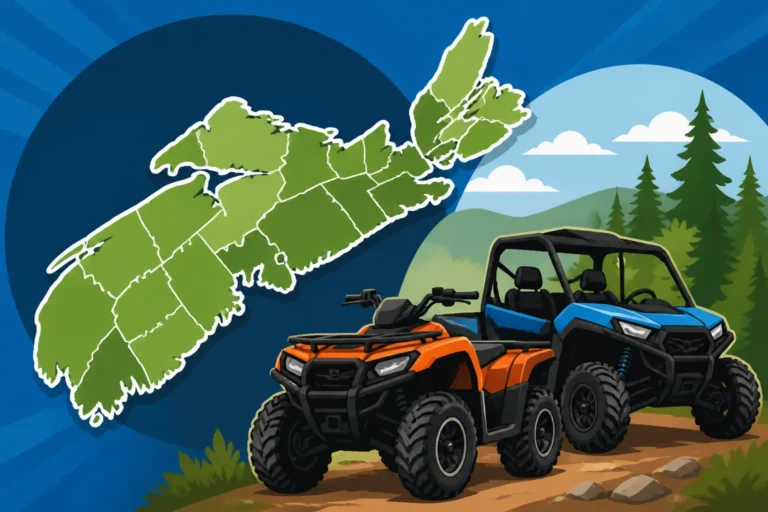
For off-highway vehicle enthusiasts in Nova Scotia, the question of where you can legally ride your ATV or UTV has often felt like navigating a tangled web, particularly when it comes to connecting trails via public roads. The frustration of hitting a paved section and wondering if you're even allowed to be there is a common one. Fortunately, the province has been making significant strides in expanding the network of approved road trails, with ambitious plans to roll out one hundred twelve sites by mid-2026, dramatically improving access and opening up incredible new possibilities for exploring our beautiful landscapes. This guide will clarify what this expansion means for you and how to safely and legally enjoy these new opportunities.
Understanding Nova Scotia's Road Trail Evolution
It’s easy to feel like road access for OHVs is a new concept, but in Nova Scotia, it’s been a journey of careful consideration and gradual implementation. Riders have long sought ways to link up existing trail systems without resorting to trailering their machines for short distances, and the province has listened. The move towards establishing designated road trails is a direct response to this need, aiming to provide a safer, more organized, and legally sanctioned way for riders to move between communities and connect to the broader trail network.
From Pilot Projects to Widespread Access
The idea of off-highway vehicles sharing public roads might seem daunting at first glance, but Nova Scotia has approached this with a measured, step-by-step process. It all began with the [Nova Scotia's 2018 Road Trail Pilot], which was a crucial phase to test the waters, assess public feedback, and iron out the kinks in a limited number of communities. This pilot project allowed the province to understand the practicalities and challenges involved, from signage to rider behaviour, before rolling out a wider program. The success and lessons learned from these initial trials paved the way for the larger legislative framework.
Following the pilot, the Off-highway Vehicles Act was proclaimed in September 2023, marking a significant milestone. This act established the legal foundation for municipal road trails and a provincial system of linkages. It acknowledged that with proper regulations and designated routes, OHVs could coexist with other traffic, enhancing recreational opportunities and supporting local economies in trail-connected communities. This wasn't just about throwing open the roads; it was about creating a structured and safe environment for responsible riding.
The Vision for 112 Sites by Mid-2026
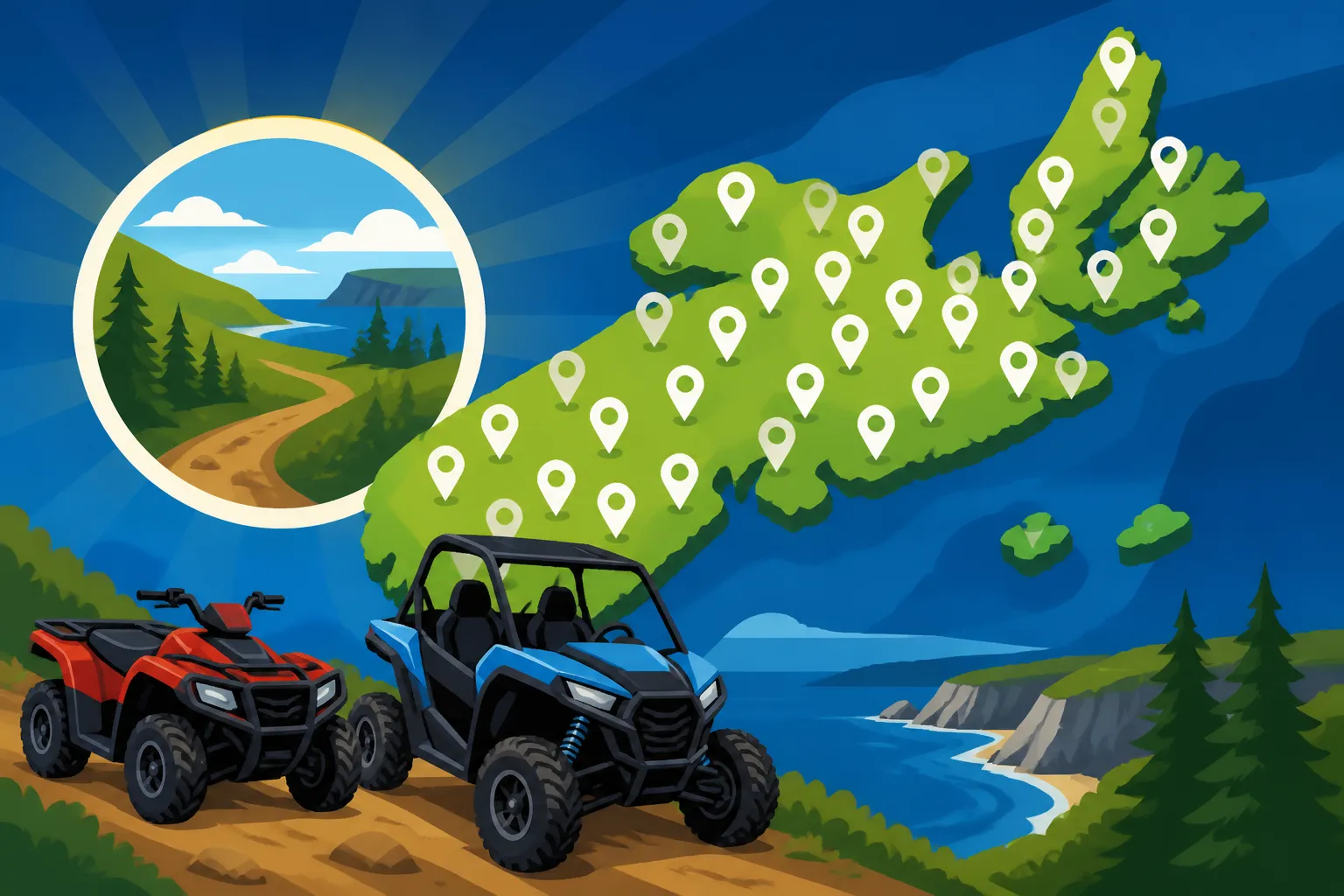
The provincial government’s commitment to expanding road trail access is clearly demonstrated by the ambitious target of having one hundred twelve approved sites by mid-2026. This isn't just a number; it represents hundreds of kilometres of interconnected routes designed to create a more cohesive and accessible trail system across Nova Scotia. Imagine being able to ride from one town to the next, stopping for gas, a bite to eat, or even a night's stay, all without having to load your machine onto a trailer.
This expansion is meticulously planned, focusing on areas where communities and existing trails can benefit most from these vital links. It involves working closely with municipalities to designate specific roads or sections of roads where OHVs are permitted, ensuring that local needs and concerns are addressed. The ultimate goal is to bridge the gaps in the existing 8,000 kilometres of trail maintained by ATVANS member clubs, making Nova Scotia an even more attractive destination for off-highway vehicle enthusiasts, both local and visiting. For example, some areas might see entire towns become accessible for OHVs, like Pictou's all-roads trial, allowing riders to seamlessly navigate urban areas to reach amenities or other trailheads.
Navigating the Rules for Road Trails
Riding on designated road trails isn't quite the same as tearing through a private woodlot. It comes with a specific set of rules and responsibilities designed to ensure the safety of all road users, including other vehicles, pedestrians, and the OHV riders themselves. Understanding these regulations is absolutely critical, as ignoring them can lead to significant penalties and, more importantly, put yourself and others at risk. It’s about sharing the road respectfully and legally.
Key Requirements for Riding on Approved Roads
Before you even think about putting a wheel on an approved road trail, there are several non-negotiable requirements you must meet. These aren't suggestions; they are the law, and enforcement is taken seriously.
First and foremost, your machine must be properly registered with the province. Just like any other vehicle on the road, an unregistered OHV is a no-go. You’ll need to ensure your [Nova Scotia Requires Registration and Insurance] is current and that you carry the necessary documentation. This ties into the mandatory insurance requirement. All OHVs operating on road trails, or indeed any public land, must have valid liability insurance. This isn't just a good idea; it's a legal safeguard for everyone involved in case of an accident. You should always carry proof of insurance, such as your "pink card," when riding.
Beyond the machine, the operator also has requirements. [Nova Scotia Requires a Full Driver's Licence] for anyone operating an OHV on a designated road trail. A learner's permit simply won't cut it. This ensures that riders have a foundational understanding of road rules and defensive driving. And, of course, helmets are mandatory. The [Nova Scotia Helmet Law for Riders] applies to all operators and passengers on road trails, and the helmet must meet approved safety standards like DOT or CSA. Eye protection is also highly recommended, especially for younger riders who may also require long sleeves and gloves. Many riders invest in specialized road-legal gear and accessories, with brands like SuperATV offering things like turn signal kits and DOT-approved windshields that can make your machine more visible and comfortable for road sections.
Specific Operating Conditions and Restrictions
Once you've met the basic requirements, you need to understand how to operate your OHV on these approved road trails. These aren't highways, and the rules reflect the shared-use nature of these routes.
One of the most important regulations is the speed limit. On Nova Scotia's road trails, you are typically restricted to [Nova Scotia's 25 km/h Road Trail Limit]. This might feel slow to some, but it’s crucial for safety, especially when sharing the road with vehicles, pedestrians, or cyclists. This speed limit allows for greater reaction time and reduces the risk of serious collisions. Riders must also travel single file and are generally not permitted to pass other vehicles. It's about maintaining order and predictability on these shared routes.
Operating hours are another key consideration. Generally, OHVs are only permitted on road trails during daylight hours, specifically from half an hour before sunrise to half an hour after dusk. [Nova Scotia Road Trail Operating Hours] are in place to ensure maximum visibility for all road users, as OHVs, even with proper lighting, can be harder to spot in low-light conditions. Always check the specific signage for the road trail you are on, as local municipalities may have their own additional restrictions or hours of operation. Ignoring these operational rules can lead to [Nova Scotia Penalties for Riding Unregistered] or similar fines, which can range from a minimum of $250 and go significantly higher.
Here’s a quick overview of key requirements for riding on Nova Scotia’s approved road trails:
| Requirement | Details |
|---|---|
| Registration | Mandatory, current Nova Scotia OHV registration. |
| Insurance | Mandatory, valid liability insurance (carry proof, e.g., pink card). |
| Driver's Licence | Full driver's licence required (no learner's permits). |
| Helmet | Mandatory, meets approved safety standards (DOT, CSA, Snell, BSI). |
| Operating Hours | Half an hour before sunrise to half an hour after dusk (check local signage). |
| Speed Limit | Maximum 25 km/h. |
| Riding Formation | Single file, no passing. |
| Yielding | Must yield to all other traffic (vehicles, pedestrians, cyclists). |
| Machine Equipment | Headlights and taillights required, proper exhaust (no modified loud exhausts). |
| Passengers | Nine years of age or older (if machine designed for multiple riders). |
| Supervision | Riders under 16 have specific supervision and machine size rules, though often restricted from road trails. |
Finding and Utilizing Nova Scotia's Expanded Road Trails
The expansion to one hundred twelve sites by mid-2026 is exciting, but knowing where these sites are and how to use them effectively is key to making the most of this enhanced access. It's about bridging the gap between your passion for the outdoors and the practicalities of navigating our diverse terrain.
Identifying Approved Road Trail Locations
Finding the approved road trails typically involves checking provincial resources and local municipal information. The provincial government maintains resources, often on dedicated OHV pages, that outline the [Nova Scotia Road Trail Site Lists] and provide maps or lists of designated routes. These lists will be regularly updated as more of the one hundred twelve sites become operational. It's always a good idea to consult these official sources before planning a ride, as rules and access points can evolve.
Additionally, local ATV clubs, often part of the ATV Association of Nova Scotia (ATVANS), are invaluable resources. They frequently have the most up-to-date information on local road trail designations and how they connect to their maintained trail networks. Many clubs even publish [Nova Scotia Trail Maps Worth Downloading] that integrate road trail sections with the main club trails, giving you a complete picture of your riding options. Don't underestimate the power of local knowledge; a quick call or visit to an ATVANS club in the area you plan to ride can save you a lot of guesswork and ensure you're riding legally and safely. Proper [Nova Scotia Road Trail Signage] will also clearly mark these routes, so keep an eye out for official markers.
Connecting Communities and Club Trails
The real beauty of the expanded road trail network lies in its ability to connect otherwise isolated segments of trail and bring riders closer to communities. This means more seamless travel and enhanced convenience. For example, if you're riding a vast rail trail like the Celtic Shores Coastal Trail in Cape Breton, these road links can allow you to exit the trail, head into a village for fuel or food, and then rejoin the trail without having to load your machine onto a truck.
This connectivity not only improves the riding experience but also provides a boost to rural economies. Riders often spend money in the communities they pass through, supporting local businesses like gas stations, restaurants, convenience stores, and accommodations. This creates a mutually beneficial relationship between the OHV community and the towns along the trail corridors. It also makes it easier for riders to access different types of terrain, linking up challenging backcountry trails with more leisurely rail bed routes. The expansion means that popular riding destinations, like those in Cape Breton, Annapolis Valley, or the Northumberland Shore, will become even more accessible and interconnected, fostering longer, more immersive riding adventures. For specific advice on riding safely and legally, always refer to [Nova Scotia Road Trail Rules Explained].
Disclaimer
This article is for general informational purposes only and does not constitute professional advice. Laws, prices and regulations vary by location and change over time. Consult a qualified professional for guidance on your specific situation.